


49,99 €
Mehr erfahren.
- Herausgeber: John Wiley & Sons
- Kategorie: Fachliteratur
- Sprache: Englisch
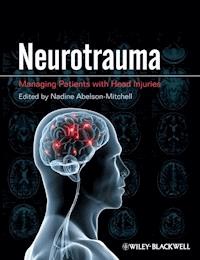
Neurotrauma: Managing Patients with Head Injuries is a comprehensive, holistic, evidence-based approach to the primary, secondary and tertiary care of a person with neurotrauma.
Using a patient-centred needs approach to enhance the quality of care of head injured patients, family and carers, this multidisciplinary book enables the reader to apply the knowledge, skills and attitudes learned to the practice of neurotrauma in all settings. It explores:
- Anatomy and physiology of the brain
- Pharmacology for neurotrauma patients
- Assessment of the patient with neurotrauma
- Management of neurotrauma in a range of settings including at the scene, in the emergency department, and at the hospital
- Neuro-rehabilitation
- Community care
- Nursing management of the patient
This practical resource includes activities, exercises, and ethical and legal considerations throughout, making it ideal reading for all staff working in neuroscience, emergency, critical and rehabilitation settings.
Sie lesen das E-Book in den Legimi-Apps auf:
Seitenzahl: 604
Veröffentlichungsjahr: 2013
Ähnliche


















Table of Contents
Title page
Copyright page
Preface
Dedication
Acknowledgements
Contributor Details
NADINE ABELSON-MITCHELL
JUDE FEWINGS
PENNY FRANKLIN
ANTHONY GILBERT
HENRY GULY
KATY LEWIS
SUE MOTTRAM
ZUHAIR NOORI
SIMON PARFORD
MICHELLE SMITH
JUDI THOMSON
KEVIN TSANG
ANDREW WARLOW
PETER WHITFIELD
DANIELLE WILLIAMS
Abbreviations
List of Tables and Figures
TABLES
FIGURES
Section 1: FOUNDATIONS FOR PRACTICE
INTRODUCTION
Chapter 1 The Patient’s Journey
INTRODUCTION
CARE PATHWAYS: POLICIES AND GUIDELINES
INTEGRATED CARE PATHWAYS
Chapter 2 Philosophy
INTRODUCTION
CONCLUSION
Chapter 3 The Needs Approach Model
INTRODUCTION
WHAT IS A NEED?
STRUCTURE OF THE NEEDS APPROACH MODEL
USE OF THE MODEL
ASSESSING THE PATIENT’S NEEDS
PLANNING
GOAL SETTING
IMPLEMENTATION
EVALUATION
RISK
THE MIRACULOUS RECOVERY
NURSING DIAGNOSIS
CONCLUSION
Chapter 4 The Patient Matters
THE PATIENT
FAMILY AND CARERS
CONCLUSION
Chapter 5 Multidisciplinary Management
INTRODUCTION
STAFFING
SPEECH AND LANGUAGE THERAPY SERVICES
Chapter 6 Physiotherapy
INTRODUCTION
RESPIRATORY CARE
POSITIONING
MUSCULOSKELETAL INTEGRITY AND NEUROMUSCULAR STATUS
SUMMARY
REHABILITATION AND MOTOR CONTROL THEORIES
POSTURE AND SEATING
CONCLUSION
Chapter 7 Neuropsychology
INTRODUCTION
WHAT IS CLINICAL NEUROPSYCHOLOGY?
WHO IS A CLINICAL NEUROPSYCHOLOGIST?
WHAT IS THE ROLE OF THE CLINICAL NEUROPSYCHOLOGIST IN THE MANAGEMENT OF TBI?
NEUROPSYCHOLOGICAL FUNCTIONS
THE PATIENT’S NEUROPSYCHOLOGICAL JOURNEY
ADDITIONAL FACTORS INFLUENCING NEUROPSYCHOLOGICAL FUNCTIONING
OTHER ISSUES AND CONSIDERATIONS
Chapter 8 Social Considerations
THE ROLE OF THE SOCIAL WORKER
SOCIAL ISSUES
CONCLUSION
Chapter 9 Occupational Therapy
Section 2: PRE-REQUISITE KNOWLEDGE
INTRODUCTION
Chapter 10 Epidemiology
INTRODUCTION
SEVERITY OF INJURY
HOSPITAL ATTENDANCE
INCIDENCE
PREVALENCE OF HEAD INJURY
AGE DISTRIBUTION
GENDER DISTRIBUTION
RACE AND ETHNICITY
MECHANISM OF INJURY
SEASONAL VARIATION
PREDISPOSITION
USE OF ALCOHOL
HEAD INJURY MORTALITY
CONCLUSION
Chapter 11 Prevention of Head Injuries
INTRODUCTION
RECOMMENDATIONS
ROAD TRAFFIC ACCIDENTS (RTAs)
ACTION REGARDING THE USE OF PRESCRIPTION, OVER THE COUNTER AND ILLICIT DRUGS
PREVENTION OF SPORTS INJURIES
CARE OF OLDER PEOPLE
INTERPERSONAL VIOLENCE
CONCLUSION
Chapter 12 Applied Anatomy and Physiology
INTRODUCTION
THE NERVOUS SYSTEM
THE SCALP
THE SKULL
STRUCTURE OF THE BRAIN
ADDITIONAL CONCEPTS RELATED TO NEUROPHYSIOLOGY
ACID-BASE BALANCE
SUMMARY
CONCLUSION
Chapter 13 Investigations
Chapter 14 Pharmacology for Neurotrauma Patients
INTRODUCTION
ANAESTHETIC AGENTS
ANALGESICS
DIURETICS
ANTI-EPILEPTIC DRUGS
ANTICOAGULANTS
ANTI-EMETICS
LAXATIVES
CONCLUSION
Chapter 15 Applied Microbiology
INTRODUCTION
MENINGITIS
ENCEPHALITIS
BRAIN ABSCESS
CONCLUSION
Section 3: FEATURES OF NEUROTRAUMA
INTRODUCTION
Chapter 16 Classification of Traumatic Brain Injury
INTRODUCTION
PRIMARY AND SECONDARY BRAIN INJURY
OPEN AND CLOSED HEAD INJURY
CONCLUSION
Chapter 17 Raised Intracranial Pressure
INTRODUCTION
DEFINITION
CAUSE OF INCREASED INTRACRANIAL PRESSURE
DIAGNOSIS
INVESTIGATIONS
TREATMENT
MANAGEMENT OF THE PATIENT
CONCLUSION
Chapter 18 Assessment of the Patient with Neurotrauma
INTRODUCTION
GENERAL PRINCIPLES
NEUROLOGICAL OBSERVATIONS
VITAL SIGNS
RECORDING THE OBSERVATIONS
UNDERTAKING A COMPREHENSIVE CNS EXAMINATION
RECORDING THE ASSESSMENT
CONCLUSION
Section 4: MANAGEMENT OF NEUROTRAUMA
INTRODUCTION
Chapter 19 Management of Neurotrauma at the Scene
INTRODUCTION
SEVERE AND MODERATE HEAD INJURY
AIRWAY WITH CERVICAL SPINE PROTECTION
BREATHING
CIRCULATION
DISABILITY
EXPOSURE AND ENVIRONMENT
MINOR HEAD INJURY
Chapter 20 Management of Neurotrauma on Transfer
INTRODUCTION
AIRWAY WITH CERVICAL SPINE PROTECTION
BREATHING
CIRCULATION
DISABILITY
EXPOSURE
OTHER
WHO SHOULD ACCOMPANY THE PATIENT?
Chapter 21 Management of Neurotrauma in the Emergency Department
INTRODUCTION
PREPARING FOR THE ARRIVAL OF A SERIOUSLY INJURED PATIENT
SEVERE AND MODERATE HEAD INJURY
MINOR HEAD INJURY
ADMISSION
DISCHARGE FROM THE ED
MANAGEMENT OF PATIENTS WHO ARE ADMITTED FOR OBSERVATION
SOCIAL ASPECTS
Chapter 22 Hospital Management of Neurotrauma
INTRODUCTION
INITIAL ASSESSMENT OF TRAUMA PATIENTS
MANAGEMENT IN THE NEUROSCIENCE UNIT
INTENSIVE CARE MANAGEMENT
FURTHER MANAGEMENT AND PROGNOSIS
Chapter 23 Nursing the Patient with Neurotrauma
INTRODUCTION
ADVOCATE
ESSENTIAL NURSING SKILLS
THERAPEUTIC PRACTICE
CO-ORDINATION
CLINICAL GOVERNANCE
ADVICE/COUNSELLING
POLITICAL AWARENESS
EDUCATION
RESEARCH
ETHICAL CONSIDERATIONS
REHABILITATION NURSING
ACTIVITIES
Chapter 24 Prognosis and Patient Outcome
INTRODUCTION
FACTORS PREDICTING PROGNOSIS AFTER HEAD INJURY
OUTCOME MEASURES
RETURN TO WORK
QUALITY OF EVERYDAY LIFE
CONCLUSION
Chapter 25 Dying and Death
INTRODUCTION
THE FAMILY
BRAIN DEATH
CONCLUSION
ACTIVITIES
Section 5: NEUROREHABILITATION
INTRODUCTION
Chapter 26 Sequelae of Neurotrauma
INTRODUCTION
ADDITIONAL INFORMATION ABOUT SOME SEQUELAE
CONCLUSION
Chapter 27 Neurorehabilitation
INTRODUCTION
DEFINITION OF REHABILITATION
LEVELS OF REHABILITATION
SETTINGS FOR REHABILITATION
REHABILITATION COSTS
STAFFING FOR REHABILITATION
STANDARDS OF REHABILITATION PRACTICE
REHABILITATION CRITERIA
THE REHABILITATION PROCESS
GOALS OF REHABILITATION
CONCEPTS UNDERPINNING REHABILITATION
PLANNING THE REHABILITATION PROGRAMME CONTENT
SCHEDULING THE PROGRAMME
COMMUNITY-BASED REHABILITATION (CBR)
CONCLUSION
Chapter 28 Early Stimulation Programmes
INTRODUCTION
DEFINITION OF EARLY STIMULATION PROGRAMME
BACKGROUND
OBJECTIVES OF INTRODUCING AN EARLY STIMULATION PROGRAMME (ESP)
SETTING UP THE ESP
CONTENT OF THE ESP
SPECIFIC TECHNIQUES
HOW TO ENCOURAGE THE INVOLVEMENT OF FAMILY OR FRIENDS
Chapter 29 Discharge Planning
INTRODUCTION
WHAT IS DISCHARGE PLANNING?
BENEFITS OF DISCHARGE PLANNING
DISCHARGE PLANNING PROCESS
CRITERIA FOR DISCHARGE PLANNING
SELECTING THE DISCHARGE DESTINATION
THE DAY OF DISCHARGE
CONCLUSION
Chapter 30 Living in the Community
INTRODUCTION
INTEGRATING INTO THE COMMUNITY
Chapter 31 Legal Matters
INTRODUCTION
COMPENSATION CLAIMS ARISING OUT OF HEAD INJURIES
BRAIN INJURY AND MEDICAL NEGLIGENCE
HEAD INJURIES
THE COST OF BRAIN INJURY
Chapter 32 Meeting Tomorrow’s Challenges
CONCLUSION
Section 6: APPENDICES
Appendix 1 Pre-Admission Assessment
INSTRUCTIONS
PRE-ADMISSION ASSESSMENT
FAMILY INFORMATION
PREVIOUS HEALTH HISTORY
CURRENT HEALTH STATUS
HEALTH NEEDS
Appendix 2 Discharge Report
INSTRUCTIONS
SECTION A
SECTION B
SECTION C
SECTION D
Activity Answers
CHAPTER 12 ANSWERS
CHAPTER 18 ANSWERS
CHAPTER 20 ANSWERS
CHAPTER 21 ANSWERS
Additional Resources
BOOKS
HELPFUL WEBSITES
Glossary
References
Index
This edition first published 2013
© 2013 by Blackwell Publishing Ltd
Blackwell Publishing was acquired by John Wiley & Sons in February 2007. Blackwell’s publishing program has been merged with Wiley’s global Scientific, Technical and Medical business to form Wiley-Blackwell.
Registered office: John Wiley & Sons, Ltd, The Atrium, Southern Gate, Chichester, West Sussex, PO19 8SQ, UK
Editorial offices: 9600 Garsington Road, Oxford, OX4 2DQ, UK
The Atrium, Southern Gate, Chichester, West Sussex, PO19 8SQ, UK
111 River Street, Hoboken, NJ 07030-5774, USA
For details of our global editorial offices, for customer services and for information about how to apply for permission to reuse the copyright material in this book please see our website at www.wiley.com/wiley-blackwell.
The right of the author to be identified as the author of this work has been asserted in accordance with the UK Copyright, Designs and Patents Act 1988.
All rights reserved. No part of this publication may be reproduced, stored in a retrieval system, or transmitted, in any form or by any means, electronic, mechanical, photocopying, recording or otherwise, except as permitted by the UK Copyright, Designs and Patents Act 1988, without the prior permission of the publisher.
Designations used by companies to distinguish their products are often claimed as trademarks. All brand names and product names used in this book are trade names, service marks, trademarks or registered trademarks of their respective owners. The publisher is not associated with any product or vendor mentioned in this book.
Limit of Liability/Disclaimer of Warranty: While the publisher and author(s) have used their best efforts in preparing this book, they make no representations or warranties with respect to the accuracy or completeness of the contents of this book and specifically disclaim any implied warranties of merchantability or fitness for a particular purpose. It is sold on the understanding that the publisher is not engaged in rendering professional services and neither the publisher nor the author shall be liable for damages arising herefrom. If professional advice or other expert assistance is required, the services of a competent professional should be sought.
Library of Congress Cataloging-in-Publication Data
Neurotrauma : managing patients with head injuries / edited by Nadine Abelson-Mitchell.
p. ; cm.
Includes bibliographical references and index.
ISBN 978-1-4051-8564-6 (pbk. : alk. paper)
I. Abelson-Mitchell, Nadine.
[DNLM: 1. Craniocerebral Trauma–therapy. 2. Craniocerebral Trauma–rehabilitation. 3. Evidence-Based Medicine. WL 354]
617.5'1044–dc23
2012027830
A catalogue record for this book is available from the British Library.
Wiley also publishes its books in a variety of electronic formats. Some content that appears in print may not be available in electronic books.
Cover images courtesy of iStockphoto
Cover design by Steve Thompson
Preface
This book is designed to provide a holistic, evidence-based approach to the primary, secondary and tertiary care of a person with neurotrauma in all settings.
It uses a patient-centred needs approach to enhance the quality of care of head injured patients, their family and carers.
The book content enables the reader to apply the knowledge, skills and attitudes learned to the practice of neurotrauma in all settings.
In addition, as many of the neurosurgical procedures that are undertaken result in trauma to the brain, this neurotrauma book can also be used in wider neuroscience practice by health professionals, families, carers and all personnel committed to the care of a patient with neurotrauma.
Nadine Abelson-Mitchell
Dedication
This book is dedicated to my inspirational father Harry Abelson (z”l), who taught me to cope with adversity, my wonderful mother, Hilda Abelson, husband, John Mitchell whose help is immeasurable, sister Marissa Rittoff and my aunt Miriam Brener (z”l), a fine nurse.
It is also dedicated to my patients and their families who have strived to achieve their maximum potential.
People who have suffered a head injury ‘must have accessible, available, and appropriate health care and wellness promotion services’ to enable the person to lead a ‘full life in the community’ (Office of the Surgeon General [US] and Office on Disability [US] 2005: v).
Acknowledgements
I wish to acknowledge the following for their contribution to the book:
Contributor Details
NADINE ABELSON-MITCHELL
Nadine is an Associate Professor in the School of Nursing and Midwifery, Faculty of Health, Education and Society at Plymouth University, Devon, UK. She is also an Honorary Nurse Consultant for the Plym Neurorehabilitation Unit, Plymouth Community Healthcare CIC, Plymouth, UK.
Nadine has been actively involved in neurotrauma practice since 1976. In 1987, Nadine completed a PhD entitled the ‘Comprehensive care of adults with moderate and severe head injuries’.
Nadine lived in South Africa before moving to the United Kingdom where she was responsible for developing post-registration neurotrauma programmes for Registered Nurses. Her expertise in neurotrauma management has enabled her to be an expert witness and prepare medico-legal reports with regard to medical negligence and road traffic accidents. She opened a very successful nurse-led community-based practice managing neurotrauma patients in the community.
She has written book chapters, has published numerous articles and undertaken national and international conference presentations and workshops. She is a Trustee of Headway, Plymouth, UK.
Having written this book she is preparing a workbook on her experience of community-based rehabilitation for use by all.
JUDE FEWINGS
Jude Fewings qualified in 1992 from Caledonia University (formally Queen’s College) Glasgow. Following a three year general rotation in Newcastle-upon-Tyne, she moved to a post on the Neuroscience rotation in Sheffield in 1995, working almost exclusively within Neurosurgery and the Neurosurgical ICU. Subsequent promotion culminated in being appointed Team Leader in Neurosciences in 1999.
In this Clinical Specialist role, Jude led the integrated teams of physiotherapists and occupational therapists in the assessment and treatment of all neurological patients and worked closely with Hallam University regularly lecturing on the under- and postgraduate therapy courses, herself gaining a Postgraduate Certificate in Neurological Physiotherapy.
In 2005 Jude was appointed to the post of Consultant Therapist in Neurosurgery at Plymouth. As an experienced clinician she was able to comment on, and therefore influence, the relevant strategic direction of the Trust and its policies whilst remaining involved in the clinical aspects of physiotherapy.
PENNY FRANKLIN
Penny Franklin is an independent and supplementary nurse prescriber as well as a community practitioner nurse prescriber and a Fellow of the Institute of Teaching and Learning in Higher Education. She is also an Associate Professor in Health Studies, Medicines Management and Prescribing at Plymouth University.
She is a member of the BMA and British National Formulary Subcommittee for the Community Practitioners Formulary for Prescribing; secretary of the Association for Nurse Prescribing; expert advisor to the National Prescribing Centre (NPC) and NICE for the Updating of Information for Designated Medical Practitioners; practice advisor to the CPHVA for non-medical prescribing/medicines management; academic link for Non-Medical Prescribing for Non-Medical Prescribing Leads in the Southwest Peninsula; external examiner for Prescribing at the University of Reading; education committee member for Community Practitioners and Health Visitors Association and clinical practice as public health nurse.
Penny has co-authored The Oxford Handbook of Non-medical Prescribing for Nurses and Allied Health Professionals with S. Beckwith (2011).
ANTHONY GILBERT
Tony Gilbert is Deputy Head of the School of Social Science and Social Work at Plymouth University, UK. Prior to taking an appointment in higher education, Tony worked for approximately 17 years in health and social care mainly with people with intellectual disability. His research interests are in applied social sciences and social policy where he has been involved in a number of studies in areas such as mental health, safeguarding and the sustainability of community-based organisations.
HENRY GULY
Henry Guly was a Consultant in emergency medicine at Derriford Hospital, Plymouth, retiring in 2011. He qualified in 1974 and, after initially training in general practice, he started in emergency medicine in 1980 and was appointed a Consultant in Wolverhampton in 1983 and moved to Plymouth in 1986. Before he retired he was a civilian consultant in emergency medicine and civilian advisor in resuscitation to the Royal Navy.
KATY LEWIS
Katy Lewis was born in Cornwall, where she completed school and sixth form before gaining a BSc in English and Psychology 1997–2000 at Cardiff University, followed by an MSc in Language Pathology at the University of Reading 2001–2003.
Her first post (2003) was as a Research Speech & Language Therapist (SLT) on a research project for the Peninsula Medical School into the intensity of SLT in post-stroke aphasia.
Her second post (2004) comprised a split between the acute hospital setting and a post-acute neurorehab unit, working with clients post ABI, and some MS, GBS and others.
She was then based solely at the Plym Neurorehab Unit in Plymouth where, barring a brief spell working on a Stroke Unit, she has been ever since.
SUE MOTTRAM
Sue Mottram is Chief Executive of Headway Dorset, a charity for the support and rehabilitation of people with acquired brain injury living in the county of Dorset. At the time of her son’s accident, she was managing a mental health rehabilitation unit in Bournemouth. She is a state registered mental nurse, has a 2.1 honours degree in psychology and a postgraduate degree in personnel management.
ZUHAIR NOORI
Zuhair Noori is a Consultant in Neurorehabilitation in Croydon’s Healthcare Trust for in-patient and community neurorehabilitation and has previously been a consultant neurosurgeon in England and overseas. He holds a Specialist Certificate (CCST) in Rehabilitation, London as well as a Certificate of the European Board in Physical Medicine and Rehabilitation. He is trained in neurosurgery, spinal cord injuries and spinal disease rehabilitation. He has had training in amputation medicine. His expertise relates to tone, neurological pain and biomechanics of mobility. He also has experience in the neuropsychological aspects of neurological diseases and more specifically in conversion reactions.
SIMON PARFORD
Simon Parford is a member of the Law Society’s Clinical Negligence Specialist Panel and Action Against Medical Accidents Clinical Negligence Specialist Panel.
He has undertaken claimant clinical negligence litigation since 1986 and has specialised exclusively in this area of work since 1991. Specialist areas of interest are child and adult brain injury claims and spinal injury claims. He investigates Brain Injury Claims involving failures and/or delays in diagnosing and/or treatment. He has investigated dozens of such claims and has achieved many multi-million pound settlements; the largest to date being in excess of £6 500 000. These claims are almost always difficult, complicated claims involving complex medical issues and very substantial quantum.
MICHELLE SMITH
Michelle Smith is a Consultant Clinical Neuropsychologist, a full member of the British Psychological Society Divisions of Clinical Psychology and Neuropsychology, and registered with the Health Professions Council. Current clinical practice is part-time at the Wessex Neurological Centre, University Hospital Southampton, with the adult specialist epilepsy surgery team, and at Glenside Hospital and Care Homes leading the psychology service and team for the rehabilitation of adults with acquired brain injuries or progressive conditions, complex care and high dependency, and neurobehavioural programmes. Before this she was Head of the Neuropsychology Rehabilitation and Counselling Services for Neurotrauma and Neurological Disease in Southampton for many years, with clinical experience ranging from acute, and in-patient, to long-term community settings. This experience was, and still is, primarily based on multidisciplinary team collaboration. Current professional interests include epilepsy and surgery, impaired consciousness after acquired brain injury, quality of life in people on long-term mechanical ventilation, with previous research regarding rehabilitation of memory problems in Multiple Sclerosis.
JUDI THOMSON
Judi Thomson qualified as a social worker in 1981 and obtained a Degree in Social Science and a Certificate of Qualification in Social Work. She has worked in a wide range of settings but her core work has been hospital social work. She has worked with adults with disabilities and life threatening illness. She has also worked in local offices in the community and has spent a short time working with children with cancer and their families – a post funded by the Malcolm Sargent Cancer Fund for Children.
Whilst working in hospital she developed an interest in strokes and this led to a post being created dedicated to working with stroke survivors and their carers. It was funded jointly by Health and Social Services and enabled her to carry out a truly multidisciplinary role. She went on to become a Care Coordinator for the Primary Care Trust in the Continuing Health Care team reviewing and assessing eligibility for continuing healthcare and also contributing to multidisciplinary panels.
She then went on to become Carer Support Worker for Headway Dorset where she now remains, supporting carers, families and friends of adults who have an acquired brain injury. She is able to provide support to those with an ABI and help families. Part of her role is to provide education, information and advice but also to assist in navigating the myriad of services which exist and are ever changing. Her background in social work has provided her with extensive knowledge and she feels able to be an effective advocate for anyone who she comes in contact with.
KEVIN TSANG
Mr Kevin King Tin Tsang was born in Hong Kong and read medicine at Guy’s and St Thomas’ Hospitals. He is currently working at Frenchay Hospital, Bristol. Previously he worked at Derriford Hospital, Plymouth, as a specialist registrar (ST6) in neurosurgery.
He has also worked in the neurosurgical departments in Queen’s Hospital, Romford, and Addenbrooke’s Hospital, Cambridge, and also worked with the spine team in Oxford, both at the Nuffield Orthopaedic Centre and at John Radcliffe Hospital.
He has a particular interest in trauma care, both cranial and spinal, and will be looking to further his career in that direction.
ANDREW WARLOW
Andrew Warlow is a Partner and leads the Head and Spinal Injuries Unit at Wolferstans. He specialises in complex, catastrophic injury claims. He is the contact partner for Wolferstans and has been for a number of years on the Headway – The Brain Injury Association Personal Injuries Solicitors List, as well as the Spinal Injuries Association Directory for Personal Injuries Solicitors. He is also the contact partner for Wolferstans in the Child Brain Injury Trust Legal Directory. Andrew is a Fellow of the Association of Personal Injury Lawyers and a member of The Law Society’s Specialist Personal Injury Panel.
Andrew is a member of The Management Committee of Headway Plymouth, a local charity promoting awareness of and helping the victims of acquired brain injury and their carers.
PETER WHITFIELD
Peter Whitfield is a Consultant and Associate Professor in Neurosurgery at the South West Neurosurgery Centre, Derriford Hospital/Peninsula College of Medicine and Dentistry, Plymouth. His interest in neurosurgery was fuelled by undergraduate training in Southampton. He undertook Basic Surgical Training in Glasgow and Winchester before being appointed a Registrar in Cambridge. He was awarded an MRC Clinical Training Fellowship and undertook a PhD on the molecular mechanisms underpinning cerebral ischaemia. He has a longstanding interest in head injury management and is the lead editor of ‘Head Injury: A Multidisciplinary Approach’ (Cambridge University Press). He has a keen interest in surgical training and is the Deputy Chair of the Specialists Advisory Committee in Neurosurgery, a member of the National Neurosurgical Selection Panel and an examiner for the Royal College of Surgeons and the European Association of Neurological Surgeons.
DANIELLE WILLIAMS
Danielle Williams is a senior II occupational therapist at the Royal Hospital for Neuro-disability in Putney, London, specialising in long-term care in disability management of individuals with complex neurological disabilities and is a Bachelor of Science in Occupational Therapy.
Previously she was employed by Headway Dorset for 18 months, following a placement with the organisation during her training and work through the summer as part of the rehabilitation team. The charity is unusual, if not unique in regards to other Headway groups across the UK, in that it has a multidisciplinary team of professionals providing rehabilitation across the county. Working with clients who have survived brain injuries is a challenging and rewarding vocation, and Headway Dorset delivers a fantastic service to its client group. Danielle has found working with the experienced team, including occupational therapists, neurophysiotherapists, neuropsychologists and nurse specialists with decades of experience between them, an excellent learning experience for a newly qualified healthcare professional.
She has a particular interest in the dynamics between the physical, cognitive and psychological challenges experienced by survivors of brain injury, and gets great pleasure from facilitating change and progress in clients’ recovery. She also has a keen interest in vocational rehabilitation, and a strong belief in the health benefits of having a productive role in our society, whether it be paid or otherwise.
Abbreviations
ABCDE
Airway, Breathing, Circulation, Disability, Exposure and Environment
ABI
Acquired brain injury
A&E
Accident and Emergency Department
ACTH
Adrenocorticotropic hormone
ADH
Antidiuretic hormone
ADL
Activities of living
AMPLE
Allergies, Medication, Past history, Last ate or drank, Events
ARN
Association of Rehabilitation Nurses
ATLS
Advanced trauma life support
ATMIST
Age, Time, Mechanism of injury, Injuries, Signs, Treatment given
BBB
Blood brain barrier
BP
Blood pressure
BSRM
British Society of Rehabilitation Medicine
BSDT
Brain stem death testing
CBF
Cerebral blood flow
CBR
Community-based rehabilitation
CBV
Cerebral blood volume
CN
Cranial nerve
CNS
Central nervous system
CPAP
Continuous positive airways pressure
CPP
Cerebral perfusion pressure
CSF
Cerebrospinal fluid
CT scan
Computerised tomography scan
CVA
Cerebrovascular accident
CVP
Central venous pressure
DH
Department of Health
DAI/TAI
Diffuse axonal injury/Traumatic axonal injury
DVT
Deep vein thrombosis
EBIC
European Brain Injury Consortium
ECF
Extracellular fluid
ECG
Electrocardiogram
ED
Accident and Emergency Department/Casualty
EEG
Electroencephalogram
ESP
Early stimulation programme
ETT
Endotracheal tube
FAST scan
Focused abdominal sonography for trauma scan
FAM
Functional assessment measure
FIM
Functional independence measure
FSH
Follicle-stimulating hormone
GBS
Guillain-Barré syndrome
GCS
Glasgow Coma Scale
GOS
Glasgow Outcome Scale
HDU
High Dependency Unit
ICF
Intracellular fluid
ICP
Intracranial pressure
↑ICP
Increased intracranial pressure
ICSH
Interstitial cell-stimulating hormone
ICU
Intensive Care Unit
INR
International normalised ratio
IV
Intravenous
LH
Luteinizing hormone
LOC
Level of consciousness
LMA
Laryngeal mask airway
MAP
Mean arterial pressure
MC&S
Microscopy, culture and sensitivity
MRI scan
Magnetic resonance imaging scan
MS
Multiple sclerosis
MSH
Melanocyte-stimulating hormone
MVA
Motor vehicle accident
NANDA-I
NANDA International
NIC
Nursing Interventions Classification
NICE
National Institute for Health and Clinical Excellence
NOC
Nursing Outcomes Classification
NNN
(NANDA, NIC & NOC)
OPD
Out-patient department
P
Pulse
PCWP
Pulmonary capillary wedge pressure
PCS
Post-concussion syndrome
PEEP
Positive end-expiratory pressure
PEG
Percutaneous endoscopic gastrostomy
PNS
Parasympathetic nervous system
PTA
Post-traumatic amnesia
RAS
Reticular activating system
RNF
Rehabilitation Nursing Foundation
R/RR
Respiration
RCP
Royal College of Physicians
RTA
Road traffic accident
RTC
Road traffic collision
RSI
Rapid sequence induction
SAH
Subarachnoid haemorrhage
SALT
Speech and Language Therapist
SNS
Sympathetic nervous system
T
Temperature
TBI
Traumatic brain injury
TSH
Thyroid-stimulating hormone
UK
United Kingdom
U&E
Urea and electrolytes
USA
United States of America
WHO
World Health Organization
WTE
Whole time equivalent
List of Tables and Figures
TABLES
1
Estimated costs in 18–25 year olds experiencing head injury
3.1
Comprehensive needs of an individual
5.1
Role of the rehabilitation medicine Consultant
10.1
Number of A&E attendances for England
11.1
Worldwide acceptable blood alcohol content (BAC) levels
11.2
Speed limits in the UK
12.1
Functions of neuroglia
12.2
Hormones of the pituitary gland
12.3
Clinical manifestations of cerebellar disease
12.4
Cranial nerves
12.5
Properties of cerebrospinal fluid
12.6
Differences between upper and lower motor neurone lesions
12.7
Effects of SNS and PNS on the body
13.1
Investigations
14.1
List of pharmaceutical agents
15.1
Classification of meningitis
15.2
Appearance of CSF
16.1
Types of primary injuries
16.2
Effect on neurochemical mediators
16.3
Types of intracranial secondary brain injury
16.4
Types of extracranial secondary brain injury
18.1
Glasgow Coma Scale categories and scoring system
18.2
Eliciting a response to eye opening
18.3
Eliciting the verbal response
18.4
Eliciting the motor response
18.5
Cranial nerves controlling eye movement
18.6
MRC grading system
18.7
Observation of the respiratory system
18.8
Enquiry regarding behaviour patterns
18.9
Enquiry regarding memory
18.10
Test for signs of agnosia, apraxia and aphasia
18.11
Types of agnosia
18.12
Types of aphasia
18.13
Position of limbs
18.14
Muscle tone
18.15
Types of involuntary movement
18.16
Deep reflexes
18.17
Superficial reflexes
21.1
Indications for immediate CT scan
21.2
Indications for CT scan within 8 hours
22.1
Criteria for intubation and ventilation
23.1
Nursing care plan
26.1
Sequelae of neurotrauma
27.1
Minimum staffing for a district specialist in-patient rehabilitation service
27.2
Minimum staffing provision for community specialist rehabilitation services
FIGURES
1.1
Care pathway for traumatic brain injury
1.2
The ‘Slinky’ model of phased rehabilitation
2.1
Model of neurotrauma management
2.2
Wheel of wellness
2.3
Illness–wellness continuum
2.4
The Iceberg Model
2.5
Model of Wellness
3.1
Needs Approach Model
3.2
Human needs
3.3
Safety and environmental needs
3.4
Mentation needs
3.5
Respiratory needs
3.6
Haemodynamic needs
3.7
Communication needs
3.8
Psychological/Cognitive needs
3.9
Thermoregulation needs
3.10
Comfort needs
3.11
Fluid needs
3.12
Nutritional needs
3.13
Elimination needs
3.14
Hygiene needs
3.15
Skin integrity needs
3.16
Dressing needs
3.17
Mobility needs
3.18
Spiritual needs
3.19
Social needs
3.20
Leisure and recreation needs
3.21
Sexual health needs
3.22
Vocational/Educational needs
3.23
Rest and sleep needs
5.1
The multidisciplinary team
12.1
Anterior view of the skull
12.2
Superior and right lateral view of the skull
12.3
Posterior view of the skull
12.4
Lateral view of the skull
12.5
Medial view of sagittal section of the skull
12.6
Base of the skull
12.7
Inferior view of the skull
12.8
The meninges
12.9
Sagittal section of the brain
12.10
Anterior section of the brain
12.11
Functional areas of the brain
12.12
Graphic demonstrating primary, secondary and association areas of cerebrum
12.13
Picture of homunculus
12.14
The limbic system
12.15
The Circle of Willis
12.16
Diagrammatic representation of the Circle of Willis
12.17
Venous drainage
12.18
Cerebrospinal fluid circulation
12.19
Intracranial pressure wave forms
12.20
Pressure volume curve
12.21
Sympathetic Nervous System showing the pre-ganglionic fibre
12.22
Sympathetic Nervous System showing the post-ganglionic fibre
12.23
Simple ion exchange
12.24
Haemoglobin buffering system
12.25
Respiratory control
12.26
Kidney reabsorption
13.1
CT Scanner
13.2
Normal CT Scan
13.3
Normal CT Scan
13.4
Extraparietal bleed
13.5
Intracranial bleed
13.6
MRI scanner
13.7
Normal MRI scan
13.8
Normal MRI scan
13.9
Depressed fracture of skull
13.10
EEG electrode application
13.11
EEG brain activity
13.12
ECG machine
13.13
Correct placement of ECG leads
13.14
Normal ECG
13.15
Sinus tachycardia
13.16
Normal chest x-ray
13.17
Pneumothorax
18.1
Picture of pupil sizes
18.2
Diagram of optic chiasm
18.3
Normal appearance of optic disc
18.4
A copy of a neuro-observations chart used at Derriford Hospital, Plymouth
22.1
Indications in NICE guidelines for CT scanning in head injury
22.2
CT scan showing a right-sided acute subdural haematoma (ASHD) with significant midline shift
22.3
CT scan showing petechial haemorrhages at the grey-white margin and in the corpus callosum, in keeping with traumatic axonal injury (TAI)
22.4
A post-operative CT scan showing the extent of a decompressive craniectomy
22.5
Protocol for control of ↑ICP, South-West, Neurosciences Unit, Plymouth
22.6
Graph showing relationship between cerebral blood flow (CBF), arterial pressure (MAP), and autoregulation between 50–150 mm Hg
22.7
Schematic diagram showing the contents of the cranium according to the Monro–Kellie doctrine
22.8
ICP monitor and probe insertion
22.9
Schematic diagram showing the set-up of an external ventricular drain
22.10
CT scan showing a patient with bitemporal contusions, worse on the right than the left associated with a thin right-sided acute subdural haematoma
22.11
Post-operative CT scan of the same patient as in Figure 22.10 showing satisfactory resolution of the contusions
23.1
The role of the nurse
27.1
The ICF Model
27.2
Extended Needs Approach Model
27.3
Extract of objectives related to the need: safety
27.4
Extract of prescribed intervention related to the need: safety
27.5
Extract of individualised timetable
27.6
An example of multidisciplinary record
Section 1
FOUNDATIONS FOR PRACTICE
INTRODUCTION
This book has been designed to empower health and other professionals with applicable knowledge in neurotrauma practice, to support and manage patients, families, carers and communities throughout all stages of a patient’s journey to recovery. This is accomplished using a multidisciplinary approach to facilitate recovery and maximise potential, whatever this level may turn out to be.
The management of patients with neurotrauma has improved over the last decade. This has resulted in patients, who previously would not have survived, surviving their head injuries and requiring extensive rehabilitation (House of Commons 2001). This has had a major effect on the use of available resources (Christensen et al. 2008). Services, including rehabilitation, are neither equitable nor accessible to all neurotrauma patients (Aronow 1987; Beecham et al. 2009; British Society of Rehabilitation Medicine [BSRM] 2008a; Bulger et al. 2002; RCP 2010; United Kingdom Acquired Brain Injury Forum (UKABIF) 2004; Zampolini et al. 2012). Not all patients with moderate or severe head injuries are able to access neurosurgical centres (Treacy et al. 2005). The majority go home, some with a follow-up appointment or a GP referral, others without any follow-up, yet patients requiring rehabilitation should be able to access this at any stage within their journey (RCP 2010).
It is said that the costs for a person injured in a road traffic accident can vary between £35 000 and £60 000 per incident (Beecham et al. 2009) and costs for an injured pedestrian are estimated at £57 400 per incident (Crandall et al. 2002). The estimated cost per patient experience is presented in Table 1.
Table 1 Estimated costs for 18–25 year olds experiencing head injury.
People with neurotrauma may achieve a good recovery. However, a lack of recovery, or partial recovery, may be devastating for them, their families and communities. This book examines the journey related to health, illness and recovery, in particular for neurotrauma. In order to maximise outcome, cost-effectiveness, efficiency and quality of care, it is necessary to accompany the patient along the journey in the primary, secondary and tertiary settings.
Chapter 1
The Patient’s Journey
Nadine Abelson-Mitchell
School of Nursing and Midwifery, Faculty of Health, Education and Society, Plymouth University, Devon, UK
INTRODUCTION
A person is on a journey through life which runs from the ante-natal period to the time of death. It is to be anticipated that, through experience, a person can manage obstacles in their pathway and continue on their journey in a productive and positive manner. This life journey contains a number of pathways. These pathways, such as financial circumstances, interpersonal relationships and health, do not always run smoothly and may lead to various deviations. The health pathway is a continuum of wellness, illness, recovery or death and includes all occasions of ill-health.
Primary prevention is an important aspect of the patient’s journey. Preventing disease or ill-health through early education will decrease morbidity and mortality. A particular pathway along the patient’s journey commences once the patient has been diagnosed with a particular health condition/problem. Unfortunately, due to the nature of neurotrauma, there is seldom a pre-arranged plan in place as there is for elective surgery. This part of the health journey usually comes as a shock and ‘emergency resources’ may need to be called upon to be able to continue the journey. It is important to provide a smooth route throughout the patient’s journey in order to ensure that quality care is provided, decrease stress, increase compliance and decrease deviant or destructive behaviour. The patient’s journey takes place within a particular environment and involves the patient, family and the wider community. It is a journey that needs to be patient-centred and focused on the patient’s perspective, expectations, motivation and behaviour. When considering the journey the patient’s life experience, their strengths, abilities, capabilities and any fears or weaknesses must be considered. The patient’s health journey, interrupted by the neurotrauma, is influenced by a number of existing factors:
The patient:
Age.
Gender.
Pre-existing conditions.
Social practices.
Health status.
The factors:
Peri-natal care.
Environment.
Education.
Family support.
Community support.
Planning the patient’s journey may be referred to as ‘process mapping’ whereby the team and the patient work out the pathway a patient is expected to follow. This requires taking into account all aspects of holisitic, person-centred care that the patient may require, as well as the resources needed to achieve the proposed plan. The team is then able to examine the patient’s situation in terms of patient outcome and consider and identify potential challenges that may occur along the pathway that may hinder achievement of the patient’s goals.
CARE PATHWAYS: POLICIES AND GUIDELINES
Numerous care pathways have been developed to ensure cost-effective, efficient patient care to help create a seamless journey through this episode of altered health. Internationally, specific policies and standards have been developed that focus on neurotrauma throughout the patient’s journey (Espinosa-Aguilar et al. 2008; Seeley et al. 2006; Sesperez et al. 2001; Zampolini et al. 2012). The National Institute for Health and Clinical Excellence (NICE) (NICE 2007) has developed guidelines for the management of head-injured patients. The National Service Framework for Long-term Conditions (DH 2005a) has a particular focus on the needs of people with neurological disease and considers some of the generic issues, including rehabilitation, that are of relevance to people with long-term conditions and disabilities. The introduction of these policies addresses some of the inequities for patients requiring rehabilitation (Pickard et al. 2004).
Guidelines have been produced by a number of sources, nationally and internationally, to assist in clinical decision making, prevention, diagnosis and management, including rehabilitation, of patients with neurotrauma. Guidelines make specific practical recommendations based upon rigorous and available scientific data (RCP 2010).
The health professional is responsible and accountable for the quality of care a patient receives. Basic care in today’s climate is often protocol driven, particularly as many basic tasks are undertaken by non-professional personnel under the direct or indirect supervision of registered personnel.
INTEGRATED CARE PATHWAYS
Internationally (Espinosa-Aguilar et al. 2008; Seeley et al. 2006; Sesperez et al. 2001) and nationally (BSRM 2002; BSRM 2008a; 2009; NICE 2007; Royal College of Physicians [RCP] and BSRM 2003) interprofessional, integrated care pathways have been developed to improve the management of patients with neurotrauma and are useful in managing specific issues such as depression (Turner-Stokes et al. 2002).
The National Service Frameworks stress the importance of integrated care pathways in the development of quality healthcare. These pathways, if developed and implemented effectively, will increase interprofessional co-ordination, efficiency of healthcare, reduce sequelae of head injury and reduce healthcare costs (Coetzer 2009; Singh et al. 2012; Vitaz et al. 2001; Zampolini et al. 2012).
Figure 1.1 Care pathway for traumatic brain injury (RCP 2010: p. 28).
Reproduced from: Royal College of Physicians. Medical rehabilitation in 2011 and beyond. Report of a working party. London, RCP, 2010. Copyright © 2010 Royal College of Physicians. Reproduced by permission.
Figure 1.2 The ‘Slinky’ model of phased rehabilitation (RCP and BSRM 2003: p.10).
Reproduced from: Royal College of Physicians and British Society of Rehabilitation Medicine. Rehabilitation following acquired brain injury: National clinical guidelines (Turner-Stokes, L. ed). London, RCP, BSRM, 2003. Copyright © 2003 Royal College of Physicians. Reproduced by permission.
Patients able to access these recommended pathways should experience a seamless transition from incident to home or final destination.
Chapter 2
Philosophy
Nadine Abelson-Mitchell
School of Nursing and Midwifery, Faculty of Health, Education and Society, Plymouth University, Devon, UK
INTRODUCTION
Beliefs and values determine the philosophy that underpins the quality of service provided to neurotrauma patients. Neurotrauma practice is an approach, an attitude and a process. The philosophy behind neurotrauma practice is one of ensuring comprehensive quality holistic care that spans all ages and applies to all settings, individuals, families and communities. It is a philosophy that believes in the worth and value of each human being as an individual, family member and member of a community.
A model of care, or a particular approach to care, underpins this philosophy. There are numerous models of care that can be applied to neurotrauma practice. There are models that provide a framework, a logical systematic approach to quality care. The most commonly used are the ‘medical model’ (Mountain and Shah 2008), with a focus on functional ability, and the social model (Sharpf 2002) that encompasses the whole person. In their pure form, most models do not include all that is required in nursing. In order to achieve the goals of nursing an adapted, integrated model (Joubert et al. 2006) of care is appropriate. This integrated model takes into consideration the World Health Organization (WHO) International Classification of Functioning (ICF), Disability and Health components (WHO 2001). The integrated model is a patient-centred model that enables a comprehensive holistic approach to the patient incorporating a multidisciplinary team rather than an illness/disease orientated model.
The focus of the model changes as the patient progresses throughout their journey. Within secondary health services acute and sub-acute management is the priority. As the patient progresses along their journey to tertiary services, the focus changes to a wellness model of care (Hattie et al. 2004; Hettler 1984; Myers and Sweeney 2004; Myers et al. 2000).
The wellness model focuses on health and lifestyle and includes aspects such as:
Holistic health that encompasses the integration of body, mind and spirit.
Making informed choices.
Approaches to wellness.
Facing challenges.
Changing lifestyles.
The WHO (1958: p. 1) defines health as ‘a state of complete physical, mental and social well-being, not merely the absence of disease or infirmity’. This definition enables a holistic approach to healthcare and engenders the concept of wellness. It may require a culture change to embrace a wellness model rather than a disease-based, medical model. The concept of wellness implies that the individual will be proactive, aware of the advantages of a healthy lifestyle and the appropriate health promotion and lifestyle choices to maintain wellness. The wellness model empowers and enables people to progress towards wellness, health and independence; to accept challenges, to encompass integration and creativity, in order to lead a fulfilling life. When all the patient’s needs are in balance the person is in a state of homeostasis and harmony (Figure 2.1). In this respect, primary prevention and health promotion are very important. Should disease or injury occur, the patient’s equanimity of life is disrupted. Once this adverse event has been managed the patient can expect to return to optimal wellness.
Figure 2.1 Model of neurotrauma management.
Wellness, for all patients who have experienced neurotrauma, is the objective of health management. The philosophy behind the wellness model is the patient’s right to wellness and recovery, to enjoy life and to strive for health, safety and wellbeing.
The challenge is how to achieve this state in patients who may have an altered level of consciousness and physical, emotional, psychological and cognitive deficits. The wellness model involves a whole person approach. It implies that it is a holistic approach that includes the physical, psychological, social, spiritual, intellectual, emotional, environmental, educational and leisure needs of the patient (Avery 1996; Kiefer 2008; Wade 2011). It emphasises the holistic view of health. The individual is considered as a unified whole progressing towards high level wellness (Hattie et al. 2004; Hettler 1980; Travis and Ryan 2004). It is about life choices and living a meaningful existence. It enables integrated functioning that maximises an individual’s potential within a particular environment.
A person determines the level of wellness they wish to achieve for the lifestyle choices they make. It is an active choice to pursue optimal health and wellbeing. As this may not be possible in the patient with neurotrauma, intervention is planned to empower the patient to achieve and maintain their maximum level of wellness. With today’s technology individuals who survive neurotrauma are faced with the need to significantly adjust their attitudes and approaches to life, to become a leader of the team, control their own destinies and adjust to the real world.
Alternatively, low-level wellness is the inability of the individual to meet their needs in a way that allows for adequate functioning. People with neurotrauma may fall into the ‘sick role’ as opposed to a wellness role. Being sick becomes the focal point of their lives, they function poorly, readily deplete their energy reserves and may slip into a life of submission and dependency.
The Needs Approach Model (NAM) developed by Abelson (Abelson-Mitchell 2006) is based within the framework of a wellness model and incorporates core components of wellness such as physical, psychological, emotional, environmental, lifestyle, social, leisure and independence (Kiefer 2008) (see Chapter 3). The Needs Approach Model is appropriate for use in all care settings as the patient’s needs are determined by the patient, or caregivers in the event that the patient is unable to determine his own needs. The Needs Approach Model can be applied in a primary, secondary or tertiary setting as the needs are relevant to health and wellbeing in primary prevention, acute illness and throughout the process of rehabilitation and recovery.
There are numerous authors who have developed theories of wellness; namely Travis and Ryan (2004), Witmer et al. (1998) and Hettler (1980). These can be related to the wellness model and Needs Approach Model that has been developed (Abelson-Mitchell 2006). Spirituality, psychological and physical dimensions are key to all theorists (Hettler 1984; Kiefer 2008; Myers et al. 2000; Travis and Ryan 2004).
Witmer et al. (1998) developed the ecological Wheel of Wellness (Figure 2.2). Albeit that the theoretical Wheel of Wellness was initially developed for counselling, it can certainly be applied to health. The Wheel of Wellness represents the whole person, body, mind and spirit (Myers et al. 2000). Any change in one aspect of the wheel may lead to change in some or all of the other aspects. Spirituality is at the centre of the wheel and from there the various individual life tasks radiate to the other circles at the edge of the wheel. The Wheel of Wellness includes ‘five life tasks’ namely spirituality, self-direction, work and leisure, friendship and love. Self-direction is further divided into 12 life tasks, namely sense of worth, sense of control, realistic beliefs, emotional awareness and coping, problem solving and creativity, sense of humour, nutrition, exercise, self-care, stress management, gender identity and cultural identity. These 12 life tasks determine the person’s response to the contents of the next wheel which relate to work and leisure, love and friendship. The outer wheel relates to government, media, business, industry, education, community, family and religion (Myers and Sweeney 2008: p. 483). For further details regarding the Wheel of Wellness see www.uncg.edu/ced/jemyers/wellness/docs. In addition, Myers and Sweeney (2004) have developed the Indivisible Self, which underscores the holistic nature of wellness.
Figure 2.2 The wheel of wellness. Witmer, Sweeney and Myers.
Copyright © 1998 J.M. Witmer, T.J. Sweeney, & J.E. Myers.
Travis developed a wellness model for health as a continuum from ill-health to wellness (http//:thewellspring.com/flex/the-wellness-paradigm/1951/) (Figure 2.3).
Figure 2.3 Illness–wellness continuum. www.thewellspring.com.
Travis, Copyright © 2004, 1988, 1972 JW Travis. Reproduced with permission.
Image not available in this digital edition
The continuum has two sections either side of a neutral point. To the left of the neutral point, where disability and illness are represented, treatment is used to manage these issues. To the right of the neutral point, the person is well and attains high-level wellness through awareness, education and growth. The person is perpetually trying to achieve wellness. Achieving high-level wellness requires lifestyle choices, determination and active participation. It is important for a person to establish their position on the continuum. More importantly, when establishing their position they need to consider the direction they wish to follow. The direction should be towards high-level wellness rather than premature death (Travis and Ryan 2004).
With regard to wellness, Travis and Ryan (2004) advocate the Iceberg Model (Figure 2.4) to understand wellness and health.
Figure 2.4 The Iceberg Model. www.mywellnesstest.com/IcebergModel.asp.
Travis © 1978, 1988, 2004 JW Travis. Reproduced with permission.
Image not available in this digital edition
What is visible above the surface is the tip of the iceberg. One needs to look at the rest of the iceberg to discover what is happening below the surface. Travis and Ryan (2004) suggest that there are three levels below the iceberg that need to be considered:
According to Travis and Ryan (2004) it is these three levels that underpin wellness or ill-health.
Hettler (1980) developed a hexagonal six-dimensional model of wellness (Figure 2.5) that includes social, occupational, intellectual, spiritual, physical and emotional aspects of life, wherein he stresses that it is necessary to have balance in all dimensions of life. It is each dimension, as well as all dimensions together, that will determine one’s wellness status and it is important to strive for high-level wellness (Box 2.1).
Figure 2.5 Model of Wellness. Wellness promotion on a university campus, B. Hettler, Family & Community Health 3 (1).
Copyright © 1980 B. Hettler. Reproduced with permission.
CONCLUSION
The Needs Approach Model incorporates many of the aspects of the Wheel of Wellness (Myers and Sweeney 2008), the Health–Illness Continuum (Travis and Ryan 2004) and Hettler’s Hexagon Model (Hettler 1980) in a different format. Wellness theories and the Needs Approach Model are concerned with the integration of mind, body and spirit. Wellness is the focus and health and wellness are the first priorities. Belief in the wellbeing and wholeness of an individual is a priority to help them function at maximum capacity and achieve full potential, irrespective of what that level will be; determining and meeting a patient’s needs are the main concerns. Lifestyle and life choices affect happiness and potential for achieving goals.
Chapter 3
The Needs Approach Model
Nadine Abelson-Mitchell
School of Nursing and Midwifery, Faculty of Health, Education and Society, Plymouth University, Devon, UK
INTRODUCTION
Based on the integrated model of health, and the wellness model, a new model of care called the Needs Approach Model (Figure 3.1) has been developed (Abelson-Mitchell 2006). The model is a patient-focused, needs-led, integrated model of care. The model incorporates aspects of Roper, Logan and Tierney’s model of Activities of Living (Roper et al. 2000), Orem’s model of self-care (Orem 1983) and Maslow’s hierarchy of needs (Maslow 1968).
Figure 3.1 Needs Approach Model.
WHAT IS A NEED?
Human beings have needs. A need can be defined as an element that is required for the body to maintain physical, psychological and social wellbeing. Needs are what individuals must gratify for normal functions to happen. Humans have certain needs, one of which is the basic requirement to maintain health and wholeness.
STRUCTURE OF THE NEEDS APPROACH MODEL
The Needs Approach Model is comprised of a circle, or wheel, of needs which are represented individually, as well as collectively, in the circle. If one need is affected this may affect other needs within the circle. The Needs Approach Model enables a holistic approach to patient care.
In the circle there are 22 needs relating to the physical, psychological, social, cognitive, spiritual, vocational and educational needs of patients in all settings, including home-based care. Some of the needs have been subdivided to enable appropriate assessment and planning within the overall need, e.g. hygiene. Within the model there is a sector called ‘other’, should an additional need be identified. Within the continuum of health and wellness, needs may be partially or fully achieved. An Extended Needs Approach Model has also been developed for use in community-based rehabilitation (see Chapter 27).
In the model the bio-psycho-social individual is viewed as a self-care agent, the key participant in the attainment of health/wellness and responsible for their own care, where possible. This model views neurotrauma practice and rehabilitation as a process through which an individual’s movement towards health is facilitated. A dynamic process of planned and adaptive change in lifestyle, as a response to an unplanned change imposed on the individual by disease or traumatic incident. The focus may not be on a cure, but on living with as much freedom as possible, at every stage, and in whichever direction the condition progresses.
It is anticipated that patients will be able to meet their needs independently. Where patients are unable to meet their needs independently, the health team will facilitate the attainment of their needs in a conducive environment.
USE OF THE MODEL
The model is simple to use, and is particularly user-friendly enabling nurses, the interprofessional team, patients, families and carers to continue with care along the patient’s journey (Abelson-Mitchell and Watkins 2006). The Needs Approach Model ensures that neuroscience guidelines and standards are incorporated in practice (National Health Service Institute of Innovation and Improvement 2011a, 2011b; DH 2001a, 2005a, 2010c).
The Needs Approach Model utilises a problem-solving approach to assess, plan, implement and evaluate appropriate needs of the patient. The basic structure for the model is shown in Figure 3.2.
Figure 3.2 Human needs.
ASSESSING THE PATIENT’S NEEDS
Assessment of the patient takes place at various stages along the journey, according to the patient’s needs and health status. A detailed assessment will enable the multidisciplinary team to plan appropriate care, including rehabilitation for the patient. This assessment may include a full central nervous system (CNS) assessment depending on the patient’s needs (Chapter 18).
Whilst it is necessary to initially undertake a comprehensive assessment in order to establish the patient’s needs, it may not be necessary to assess all needs on all occasions. The assessor, together with the team, can decide which needs are relevant to the individual. In order to complete the assessment, depending on the circumstances, it may be necessary to meet family and carers. It is important to maintain confidentiality and respect at all times.
A comprehensive assessment involves history taking, physical examination, evaluating the results of investigations prior to establishing nursing diagnoses, and establishing any real or potential risks that are present.
A comprehensive assessment includes the needs listed in Table 3.1.
Table 3.1 Comprehensive needs of an individual.
Need
Page
Safety and environmental
15
Mentation
16
Respiratory
16
Haemodynamic
17
Communication
17
Psychological/Cognitive
18
Thermoregulation
18
Comfort
19
Fluids
19
Nutrition
20
Elimination
20
Hygiene
21
Skin integrity
21
Dressing
22
Mobility
22
Spiritual
23
Social
24
Leisure/Recreation
24
Sexual
25
Vocational/Educational
25
Rest/Sleep
26
Other
Details and comments of the specific needs are given in Figures 3.3, 3.4, 3.5, 3.6, 3.7, 3.8,




