


3,49 €
Mehr erfahren.
- Herausgeber: via tolino media
- Kategorie: Ratgeber
- Sprache: Englisch
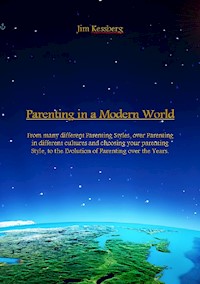
Meet 'Parenting in a Modern World' - the best guide for how to be a parent in today's world, which can sometimes be challenging." This book talks about how parents raise their children, from being very strict to giving them more freedom, and all the different ways in between. Explore all types of parenting to learn their pros and cons. This will help you decide which style is best for you and your family. The book talks about different ways parents raise their children in different parts of the world.and how these ways have changed as time goes by. If you are a parent or taking care of kids, you should read "Parenting in a Modern World." It will help you raise children who are happy, healthy, and can adjust well to today's world. Get your book now and find out which parenting style suits you best!
Das E-Book können Sie in Legimi-Apps oder einer beliebigen App lesen, die das folgende Format unterstützen:
Veröffentlichungsjahr: 2023
Ähnliche















Inhaltsverzeichnis
Introduction
Chapter 1: Authoritarian Parenting
Chapter 2: Authoritative Parenting
Chapter 3: Permissive Parenting
Chapter 4: Uninvolved / Neglectful Parenting
Chapter 5: Attachment Parenting
Chapter 6: Positive Parenting
Chapter 7: Helicopter Parenting
Chapter 8: Free range parenting
Chapter 9: Unschooling
Chapter 10: Choosing Your Parenting Style
Chapter 11: Parenting Styles Across Cultures
Chapter 12: Evolution of Parenting Styles
Conclusion
Impressum
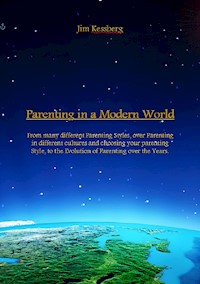
Jim Kessberg
Parenting in a Modern World
From many different Parenting Styles, over Parenting in different cultures and choosing your parenting Style, to the Evolution of Parenting over the Years.
Introduction
Being a mom or dad can be really hard Sometimes, but It.s also one of the best things in life.that feels really good. Taking care of our children.and helping them understand the complicated world they will live in is a very big job. Our kids' actions, character, and overall achievements in life.are affected by us as moms and dads.
How moms and dads.take care of their kids.is called parenting.styles. The way we parent our children.can greatly affect how they grow up. Every way has good.and bad things about It. Parents need to know different ways to raise their kids.and choose the one that matches their beliefs and goals for their children.
This book talks about many different ways to be a good.parent and gives ideas for how to actually do them. We will consider the good.and bad points of each method and provide examples of how they are used in real life.
In Chapter 1, we will talk about different ways Parents raise their children.and how It.affects how they grow up. We will see how different ways Parents raise their children.can influence how a child feels, interacts with others, and thinks. We'll talk about different ways that Parents raise their kids. These ways are permissive, authoritative, attachment, positive, and unschooling.
In Chapter 2, we will study a type of parenting called authoritarian parenting. It.means Parents have lots of rules, expect a lot from their kids, and don't let them.argue much. When a tyrant parent takes care of their kids, It.can make them.behave well but also have bad effects like feeling bad about themselves and being scared.
In Chapter 3 we will talk about a type of parenting called authoritative parenting. It.means being both firm and supportive, setting clear rules and being loving. This way of parenting.helps children grow up.to be well-rounded, confident, and able to make their own.choices.
In Section 4, we will talk about a way of parenting called lenient nurturing. This means that Parents focus more on letting their child have.their own freedom and independence, rather than just making rules and punishments. Being too easy-going When raising someone can help them.be creative and express themselves, but It.can also cause problems with behaving properly and respecting authority.
In Chapter 5, we will discuss a type of parenting called uninvolved or neglectful parenting. This means that the parent doesn't have.a close relationship with the child and doesn't pay enough attention to their needs. This way of parenting.can make kids grow apart from their emotions and make It.hard for them.to make friends.
In part 6, we will look into how to build strong relationships between Parents and children.through spending quality time together and being physically close. Parents who use this style of parenting.can help their children.to have better feelings and relationships.
In Chapter 7, we will talk about helicopter parenting, which means When Parents are too involved in their child's life.and choices. When Parents are too controlling, It.can make their kids good.at school but also make them.feel worried and unable to do things on their own.
In Chapter 8, we'll talk about free-range parenting. This means teaching kids.how to do things on their own.and be independent. Sometimes Parents who use this style can have children.who feel good.about themselves, come up.with new ideas and can handle tough situations, but there can also be some problems and challenges that come along with It.
In Chapter 9, we will discuss unschooling.where children.learn in a natural way without following a specific plan. This way of parenting.can make kids.more imaginative, interested in exploring and able to learn independently, but It.might also cause problems for them.in school and with other people.
In Chapter 10, we will help readers choose the way they want to raise their child that matches their beliefs and goals. We will give advice on how to use parenting ideas in real life.and solve problems Parents often have.
In Chapter 11, we will look at how the way people from different culture. think and believe affects the way they raise their children. We will also see that Parents and families in different culture. have.different ways of raising their children.
In Chapter 12, we will learn about how people.raise their children.differently now compared to before, and how the way we raise children.is impacted by changes in society and culture.
Chapter 1: Authoritarian Parenting
Supporting could be a puzzling and testing assignment that requires a incredible bargain of effort and care. Also known as Dictator child rearing, it is one of the foremost habitually talked about child rearing styles among the numerous others. Tall desires, inflexible rules, and a need of adaptability are trademarks of this child rearing fashion. A parent's approach to child rearing can have a noteworthy affect on their children's advancement, and dictator parents are frequently seen as controlling, inflexible, and emotionless.
We'll explore the characteristics, benefits, and downsides of dictator child rearing in more noteworthy profundity in this chapter. We'll moreover conversation around how to recognize and alter this child rearing fashion and give real-world illustrations of how it can influence children's improvement.
What Makes a Child rearing Fashion Dictator?
A strict adherence to rules and controls, with small to no room for arrangement or adaptability, is the trademark of dictator child rearing. With small thought for their children's person prerequisites or wants, these guardians as often as possible have tall measures and desires for their children. They as often as possible prioritize acquiescence and regard for specialist over passionate bolster and warmth, and they may utilize discipline as a implies of control.
Children who are raised by parents who are dictator may accept that they have small to no control over their lives which their guardians continuously have the correct thing to do. They may display savage or defiant behavior since they are incapable to form choices for themselves, need self-esteem, and enthusiastic control.
The Benefits and Disadvantages of Child rearing Authoritarianly:
In spite of the fact that it is conceivable for dictator child rearing to result in well-behaved and submissive children, it can moreover have a negative affect on the enthusiastic and social advancement of those children. Children who are raised in this way may not have self-esteem or certainty in their capacity to create choices, which can result in a need of independence and autonomy.
The exacting rules and extreme disciplines may too cause uneasiness and enmity toward guardians. Children may have trouble controlling their feelings and may act forcefully or defiantly, which can cause issues in social connections and, in extraordinary cases, indeed mental wellbeing issues.
How to Tell When a Parent Is Dictator:
There are many caution signs to see out for in the event that you're not beyond any doubt on the off chance that you're child rearing with specialist. You might discover merely lean toward to utilize valuable feedback over discipline, and your child may be hesitant to tell you approximately their issues or stresses. This may demonstrate that they don't accept they have much control over or input into their claim lives, which may have a negative affect on their enthusiastic and social improvement.
Moreover, your child may accept that they have small control over their possess lives which you're unwilling to arrange or make concessions.
Illustrations from real-world cases:
Agreeing to inquire about, children raised by elective child rearing strategies regularly have higher levels of self-esteem and lower levels of creative energy and inventiveness than children raised by dictator child rearing strategies. Also, they may have inconvenience communicating their sentiments and may have inconvenience shaping solid social bonds.
Children of dictator guardians may, in extraordinary cases, create mental wellbeing issues like post-traumatic stretch clutter (PTSD), sadness, or uneasiness, which can have a long-lasting impact on their by and large advancement and well-being.
Taking the right approach can have a noteworthy affect on your child's advancement, and being a parent is an experience that is both challenging and fulfilling. In spite of the fact that it is conceivable for dictator child rearing to result in well-behaved and respectful children, it can too have a negative affect on the enthusiastic and social advancement of those children. Guardians can make the essential alterations to superior back their child's development and improvement in the event that they are mindful of the characteristics, benefits, and potential negative impacts of this child rearing fashion.
Recognizing that dictator child rearing can have a enduring affect on a child's improvement is fundamental. For occurrence, children who are raised in dictator family units may have troubles afterward in life with their decision-making, problem-solving, and basic considering capacities. Scholarly, proficient, and interpersonal victory all depend on these capacities. As a result, these kids might have trouble overcoming challenges and deterrents.
Moreover, a child's passionate advancement can be altogether affected by dictator child rearing. Children who are raised in dictator homes may have the impression that they are incapable to unreservedly and transparently express their sentiments. Subsequently, they might cultivate checked sentiments that can provoke enthusiastic well-being issues like anxiety, wretchedness, and post-awful weight issue (PTSD).




