


2,99 €
Mehr erfahren.
- Herausgeber: Daniel
- Kategorie: Lebensstil
- Sprache: Englisch
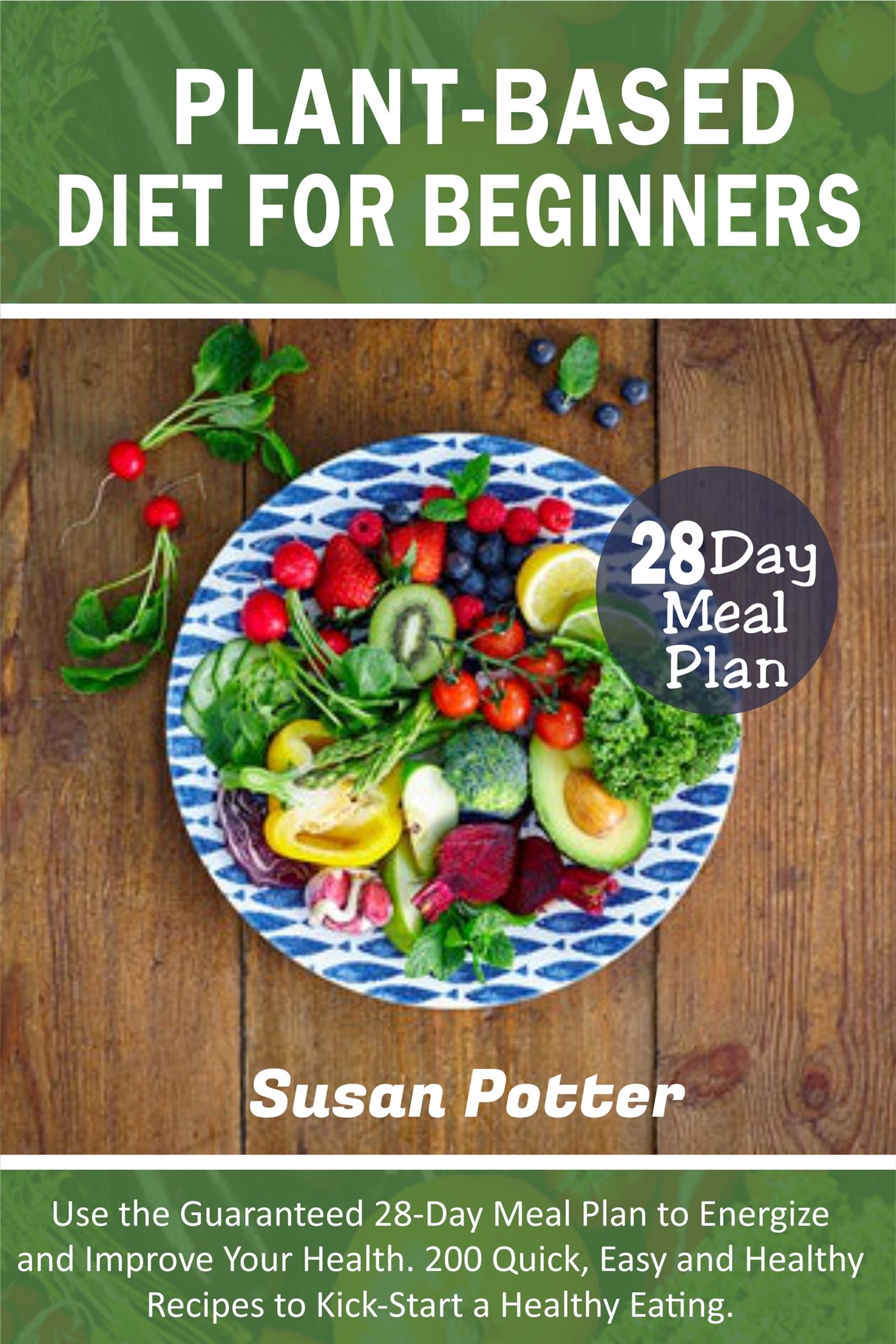
You have decided to take control of your health by going Plant based but you are confused about how to get started, what to eat, how it works!
The Plant Based Diet for Beginners is the perfect guide to walk you through this journey revealing to you the most stress free way to get started and all the valuable information that you will need before embarking on your lifestyle with very quick, easy and delicious recipes.
In the Plant Based Diet for Beginners you’ll find:
- The Benefits of Plant Based Diet to your Body.
- Common myths and FAQs about Plant Based Diet
- The Secret tips on how to stick to the Plant based Diet
- 28 Day Meal plan that will help you keep this lifestyle.
- 200 Plant Based Diet Recipes from Breakfast, Lunch, Dinner and Salads to mains and desserts, plus key macronutrient information
The Plant based diet will provide you with all the nutrient your body need, make your skin radiant and keep you in shape. You never know how good it feels until you feel it yourself.
Start your journey to a healthy life.
Das E-Book können Sie in Legimi-Apps oder einer beliebigen App lesen, die das folgende Format unterstützen:
Veröffentlichungsjahr: 2020
Ähnliche



















PLANT BASED DIET
FOR BEGINNERS
––––––––
Use the Guaranteed 28-Day Meal Plan to Energize and Improve Your Health.
200 Quick, Easy and Healthy Recipes to Kick-Start a Healthy Eating.
SUSAN POTTER
Copyright © 2020 by Susan Potter
All rights reserved. No part of this publication may be reproduced, distributed or transmitted in any form or by any means, including photocopying, recording, or other electronic or mechanical methods, without the prior written permission of the publisher, except in the case of brief quotations embodied in critical reviews and certain other noncommercial uses permitted by copyright law.
Limit of liability/Disclaimer of Warranty
The publisher and the author make no representation or warranties with respect to the accuracy or completeness of the contents of this work and specifically disclaim all warranties, including without limitation warranties of fitness for a particular purpose. NO warranty may be created or extended by sales or promotional materials. The advice and strategies contained herein may not be suitable for every situation. This work is sold with the understanding that the author is not engaged in rendering medical, legal or other professional advice or services. If professional assistance is required, the services of a competent professional person should be sought. Neither the publisher nor the author shall be liable for damages arising herefrom. The fact that an individual, organization, or website is referred to in this work as a citation and/or potential source of further information does not mean that the author or the publisher endorses the information the individual, organization or website may provide or recommendations they/it may make
TABLE OF CONTENT
INTRODUCTION
Benefits of Plant Based Diet
Maintains Healthy Skin
Boosts Your Energy
Lowers Blood Pressure
Lowers Cholesterol Level
Lowers Blood Sugar Levels
Enhances Your Digestion
Prevents Chronic Diseases
Cardiac Conditions
Cancer
Cognitive Decline
Diabetes
Saves Time and Money
Soothed Stomach
Faster Recovery After Workouts
More Eco-Friendly Diet
The Plant-Based Food Group
Leaves
Roots
Bulbs
Stems
Vines
Flowers
Mushrooms
Nuts and Seeds
Legumes
Whole Grains
Fruits
Spices and Herbs
Non-Plant-Based Foods
Dairy Free Cheese
Bread
Granola
Non-Dairy Creamer
Soup Stock
Orange Juice
Veggie Burger or Sausages
Pasta
Nutrients in Plant-Based Diet
Carbohydrates
Protein
Fats
Vitamins
Mineral salts
Common Myths of Plant Based Diet
Diet Lacks Enough Calcium
Meat Is the Main Source of Protein
Plant-Based Diets Are Costly
Plant-Based Diets Are Not Ideal for Children, Athletes, or Pregnant Women
Products Labeled “Vegetarian” Are Healthy
FAQs About Plant-based Diet
Is Going plant-based diet Difficult?
What Is the Best Plant-Based Meat Alternatives?
Is It Okay to Combine the Keto Diet with Veganism?
What Are the Recommended Supplements When Eating PlantBased Foods?
How Can I Start a Plant-Based Diet?
What If I Am Not Ready to Go plant-based diet?
Can I Get All the Nutrients I Need from Plant-Based Foods?
Are Plant-Based Foods Budget-Friendly?
Is It Still Okay to Eat Pizza?
Do Plant-Based Diets Help with Weight Loss?
Are Vegetarians and Vegans Healthier and Happier in the Long Run?
Where Do plant-based dieters Get Protein?
Are Plant-Based Diets Rich in Fats?
Are Plant-Based Diets Safe for Children?
Is It Necessary to Get Rid of All Animal Products from My Diet?
Will Eating Plant Foods Help Boost My Athletic Performance?
Tips for Eating Plant-Based Out
Plan Ahead
Call Ahead
Ask for Modifications
Eat Beforehand
Use Mobile Apps
Don’t Sweat It
Weight Loss with Plant-Based Diet
Eating Large Portions
Eating Less Protein
Poor Timing
Plant-Based Junk
Drinking Your Calories
Transition Slowly
Don’t Skip Meals
Meet Your Protein Intake
Start with a Salad
Spice Things up
Embrace Batch Cooking
Stay Hydrated
Be Consistent
Keep It Simple
Plant-Based Diet Challenges
Uninteresting Food
You Don’t Long for Food
Social Settings Challenge
Trouble Locating Restaurants
Transitioning Pains and Woes
The Possibility of Higher Cost
Health Uncertainty
Setting your Goals
Nutritional Goals
Setting Health Goals
Kitchen Goals
Setting Goals for Fruit and Vegetable Intake
Protein Goals
Eating at Home Goals
New Recipe Goals
Keep a Journal
PLANT BASED DIET MEAL PLAN FOR 28 DAYS
Day 1
Day 2
Day 3
Day 4
Day 5
Day 6
Day 7
Day 8
Day 9
Day 10
Day 11
Day 12
Day 13
Day 14
Day 15
Day 16
Day 17
Day 18
Day 19
Day 20
Day 21
Day 22
Day 23
Day 24
Day 25
Day 26
Day 27
Day 28
MAIN DISHES
Black Bean Burgers
Dijon Maple Burgers
Spicy Black Bean Burgers
Mediterranean Wrap
Sushi Bowl
Cauliflower Steaks
Butter Bean Hummus
Tofu Poke
Tofu & Asparagus Stir Fry
Tofu Saag
Simple Chili
Stuffed Bell Pepper
Ratatouille
Cauliflower Rice Tabbouleh
Fried Pineapple Rice
Sesame Bok Choy
Grilled Eggplant Steaks
Pesto & Tomato Quinoa
Mac & “Cheese”
Breakfasts
Pumpkin Chia Smoothie
Homemade Granola
Cantaloupe Smoothie Bowl
Country Breakfast Cereal
Berry & Cauliflower Smoothie
Overnight Oatmeal
Southwest Tofu Scramble
Amaranth Polenta with Wild Mushrooms
Green Mango Smoothie
Coconut & Strawberry Smoothie
Oatmeal Fruit Shake
Chia Seed Smoothie
Mango Smoothie
Oatmeal Sponge Cookies
Zucchini Brownies
Vegetable and Tofu with Peanut Sauce
Breakfast Cereal
Breakfast Quinoa with Figs and Honey
Maple Walnut Teff Porridge
Fruity Oatmeal
Granola
Walnut Porridge
Avocado & Strawberry Bowl
Amaranth Banana Breakfast Porridge
Berry Breakfast Bars
Plant-Based Lunch
Cashew Siam Salad
Avocado and Cauliflower Hummus
Raw Zoodles with Avocado ‘N Nuts
Cauliflower Sushi
Spinach and Mashed Tofu Salad
Cucumber Edamame Salad
Artichoke White Bean Sandwich Spread
Buffalo Chickpea Wraps
Coconut Veggie Wraps
Cucumber Avocado Sandwich
Lentil Sandwich Spread
Mediterranean Tortilla Pinwheels
Rice and Bean Burritos
Ricotta Basil Pinwheels
Delicious Sloppy Joes with No Meat
Spicy Hummus and Apple Wrap
Sun-dried Tomato Spread
Sweet Potato Sandwich Spread
Zucchini Sandwich with Balsamic Dressing
Summer Harvest Pizza
Whole Wheat Pizza with Summer Produce
Spicy Chickpeas
Farro with Pistachios & Herbs
Millet and Teff with Squash & Onions
Brown Rice Tabbouleh
Healthy Hoppin’ John
Beans & Greens Bowl
Black Beans & Brown Rice
Yucatan Bean & Pumpkin Seed Appetizer
Butter Bean Hummus
Greek-style Gigante Beans
Brown Rice & Red Beans & Coconut Milk
Black-Eyed Peas with Herns
Plant-Based Dinner
Strawberry Mango Shave Ice
Chocolate Avocado Mousse
Fudge
Chocolate Chip Cookies
Peanut Butter Ice Cream
Cinnamon Apples
Roasted Chickpeas
Baked Sesame Fries
No-Bake Coconut Chia Macaroons
Avocado Lassi
Vegan Fudge Revel Bars
PLANT-BASED SOUPS AND STEWS
Tomato Gazpacho
Tomato Pumpkin Soup
Cauliflower Spinach Soup
Avocado Mint Soup
Creamy Squash Soup
Zucchini Soup
Creamy Celery Soup
Avocado Cucumber Soup
Creamy Garlic Onion Soup
Avocado Broccoli Soup
Green Spinach Kale Soup
Cauliflower Asparagus Soup
African Pineapple Peanut Stew
Cabbage & Beet Stew
Basil Tomato Soup
Ginger Peanut Soup
African Vegetable Soup
Black Bean and Avocado Soup
PLANT-BASED SALADS
Cauliflower & Apple Salad
Corn & Black Bean Salad
Spinach & Orange Salad
Red Pepper & Broccoli Salad
Lentil Potato Salad
Black Bean & Corn Salad with Avocado
Summer Chickpea Salad
Edamame Salad
Fruity Kale Salad
Olive & Fennel Salad
Avocado & Radish Salad
Zucchini & Lemon Salad
Watercress & Blood Orange Salad
Parsley Salad
Tomato Eggplant Spinach Salad
Cauliflower Radish Salad
Celery Salad
PLANT-BASED SNACKS
Radish Chips
Kale Chips
Beetroot and Mustard Chips
Roasted Kale Chips
Pumpkin & Cinnamon Fudge
Black Bean Dip
Vegan Nacho Cheese Sauce
INTRODUCTION
In 2010, I was 180 pounds, eating a standard American diet and battling with anxiety disorder and Vitamin D deficiency. I was unable to stroll up a stairwell without losing my breath. I had horrible heartburn after every meal, elevated levels of cholesterol and chronic sinus infection.
I was not happy with how I felt and looked.! Despite the fact that my Husband consistently told me how much he loved me, I realized he was worried about my health. He frequently needed to take me for a climb or go for a run or take our bicycles out, and I was not the best company to do any of these outdoor activities with. At this time, I wasn’t even 35, I ate lot of cheese and meats, processed junks, insufficient vegetables, and drank lot of soda and liquor.
After two years, in June 2012, I decided that I was done with my current state. I stopped taking sugar and the adored lemon cookies that I'd for the most part eat a case of day by day. After seeking medical advice, my husband and I chose to cut out meat and dairy for a couple of months and see how that goes. The outcome was positive. I began to lose weight and my skin showed sign of improvement. I kept doing 70 percent plant based for half a year. I began going to the gym as advised by my Husband and I found myself enjoying it. By the start of 2013, I had shed about 20 pounds and I started following my Husband for intermittent runs around the block.
Toward the start of 2014, I chose to go 100 percent whole food, plant-based, with no additional sugar, oil, flour, liquor, or salt. I shed another 25 pounds in five months. I have kept that weight since that time and continued to gain muscle. My vitamin D is totally great. I no longer experience anxiety disorder My body is energetic and I look younger with a radiant skin. I haven’t been critically ill in five years.
Right now, I am happier and healthier than I was in my 20s. I did it, you too can do it!
The Plant based diet is more than a diet; it is a lifestyle.
Imagine how happy you would be, how much health you would gain, how much weight you would shed, the strength and energy you would gain. Do not give yourself any excuse. I have taken my time to write this book for you.
You never know how good it feels until you feel it yourself. Cheers to a Healthy Life.
Benefits of Plant Based Diet
Maintains Healthy Skin
We all know people who try every skin product imaginable just to get clear, smooth skin. What these people fail to understand is that how we look is more or less dictated by our food choices. Consequently, plant-based diets have a higher chance of providing your skin with the nutrients it needs to stay healthy. For instance, tomatoes provide the body with lycopene. This component safeguards the skin from sun damage. Sweet potatoes are known to provide us with vitamin C. The production of collagen will help your skin glow and encourage fast healing.
Boosts Your Energy
Minerals and vitamins are good sources of energy for the body. Plants are not only rich in them, but also contain phytonutrients, antioxidants, proteins, and healthy fats. All of these are essential nutrients for your brain. In addition, they are easy to digest, which makes it easy for the body to obtain energy from them.
Lowers Blood Pressure
The plant-based diet is known to lower blood pressure. This is due to the fact that the plant-based diet has very little amounts of sugars, which aid in raising the blood pressure. If you have a condition of high blood pressure, a plant-based diet is the right remedy for you.
Lowers Cholesterol Level
Let me start by asking you a question; how much do you think one egg affects your cholesterol? One egg a day could increase your dietary cholesterol from 97 to 418 mg in a single day! There was a study done on seventeen lacto-vegetarian college students. During this study, the students were asked to consume 400kcal in test foods along with one large egg for three weeks. During this time, their dietary cholesterol raised to these numbers. To put it in perspective, 200 to 239 mg/dL is considered borderline high.
The next question you should be asking yourself is what is considered a healthy amount of cholesterol? The answer is zero percent! There is no tolerable intake of trans fats, saturated fats, nor cholesterol. All of these (found in animal products) raise LDL cholesterol. Luckily, a plant-based diet can bring your cholesterol levels down drastically. By doing this, you will be lowering your risk of disease that is typically related to high cholesterol levels. The good news here is that your body makes the cholesterol you need! There is no need to “get it” from other sources.
Did you know that over 69% of the adult population in the United States is obese? This is a worrying statistic as it means that more than half of the adult population is suffering. Additionally, they face the risk of suffering from hypertension and other cardiovascular diseases. Fortunately, there is a remedy for this. Simply changing your lifestyle and your diet can promote weight loss. That’s not all; your overall health will also improve.
Plant-based diets have shown that they can aid in considerable weight loss due to their rich fiber content. The absence of processed foods in these diets also provides a huge boost in shedding those pounds.
A plant-only diet will also ensure that you don’t gain weight in the long term. Unfortunately, numerous weight loss plans out there only help people in the short term, and individuals end up gaining more weight when they fail to stick to the weight loss plans. Therefore, with regard to sustainability, a plant-only diet is an ideal option.
Lowers Blood Sugar Levels
The plant-based diet has little or no sugars at all. Most non-plant diets are known to contain high levels of sugars. This, in turn, causes diabetes. A plant-based diet lowers the level of blood sugar thereby making it healthy for your body.
Enhances Your Digestion
Good digestion calls for plenty of fiber. The good news is that plants offer sufficient fiber to facilitate good digestion. It is vital to understand that you cannot just start eating tons of vegetables and fruits without a plan. If you are starting this diet, you should start slow. Your body needs ample time to adjust. Therefore, you should introduce your new diet slowly to prevent constipation, since most of it is composed of fiber.
Prevents Chronic Diseases
Besides aiding in weight loss, a whole-food plant-based diet has also been proven to help lower the risks of various chronic health conditions.
Cardiac Conditions
This is the most widely-known benefit of whole-food plant-based diets as they have higher probabilities of keeping your cardiac health sound. But, the strength of this benefit is dependent on the types and quality of the food in your diet plan. Major research done on over 200,000 people concluded that the risk of having heart disease was lower in those people whose diet plan was plant-based and was rich in whole grains, veggies, nuts, legumes, and fruits than those who were following non-plant-based diets.
But, plant-based diet plans that are unhealthy because of the inclusion of fruit juices, refined grains, and sugary drinks showed an increased risk of cardiac complications. This is why it is very important to stick to the right foods and follow a healthy plant-based diet plan.
Cancer
According to various research studies, a plant-based diet plan can lower the risks of various forms of cancer. A study of over 69,000 people found that the risk of gastrointestinal cancer was very low for vegetarian diet followers, especially for Lacto-ovo vegetarian diet followers (the ones who consume both dairy and eggs).
In another study of over 77,000 people, it was proven that there was a 22 percent reduced risk of having colorectal cancer in those who followed a vegetarian diet plan than those who didn't. The safest was pescatarians (those vegetarians who consume fish) as they had a significant 43 percent lower risk of colorectal cancer than nonvegetarian diet plan followers.
Cognitive Decline
Various studies found that diet plans high in fruit and veggie content can prevent or slow Alzheimer's disease and cognitive decline in adults. The reason is that many foods in plant-based diet plans are high in antioxidants and plant compounds that act as protective agents against the development of Alzheimer's disease and reversing cognitive damage.
A review of nine research studies of around 31,000 people found that those who consumed more veggies and fruits had a significant 20 percent lower risk of having dementia or cognitive impairment.
Diabetes
A whole-food plant-based diet plan can play a significant role in lowering the risk of contracting diabetes or managing the illness. In a study involving over 200,000 people, it was proven that there was a 34 percent reduced risk of having diabetes if you followed a healthy, plant-based diet in comparison to an unhealthy, non-plant-based plan.
In another research study, it was proven that both Lacto-ovo vegetarian and vegan diet plans could lower the risk of type 2 diabetes by a whopping 50 percent in comparison to non-plantbased diet plans. Plant-based diet plans are also known to cause improvements in blood sugar level control in people with diabetes as compared to non-plant-based diets.
Saves Time and Money
A plant-based diet is generally known to be cheaper compared to a non-plant diet such as meat. When it also comes to cooking, a plantbased diet takes less time to be ready thereby saving you some valuable time which you can use to do other things.
Soothed Stomach
Eating too much meat, dairy, processed foods, and fatty foods, not chewing enough, and being under stress can all cause your stomach to act up and could be the culprit in heartburn and indigestion.
Faster Recovery After Workouts
Athletes, runners, and bodybuilders on plant-based diets report that they recover faster after workouts, meaning they can fit in more training than their omnivorous counterparts. This may be due to increased antioxidants, vitamins, potassium, or a decrease in the inflammatory compounds found in meat and dairy.
More Eco-Friendly Diet
The whole-food plant-based diet plan is not only beneficial in terms of health but also proven to be better for the ecosystem. Plant-based diet plan followers tend to have a smaller effect on the environment in comparison to other diet plan followers.
Sustainable eating approaches can help lower greenhouse gas effects as well as land and water consumption required for factory farming. These factors are known to be the major cause of harm to the ecosystem and global warming.
Around 64 different research studies found that diets with a minimal amount of animal-based foods like pescatarian, vegetarian, and vegan diet plans are known to be the most beneficial in terms of the environment. These studies also found that the transition of Western diet plans to a healthy, plant-based diet plan can result in 50 percent lower water usage and a significant 70 percent reduction in land usage and greenhouse gas emissions.
In addition to this, lowering animal-based food and choosing sustainable and locally-grown products can boost the economy and lower dependency on unsustainable practices like factory farming.
The Plant-Based Food Group
Leaves
Leaf vegetables, or greens, are one of the most nutrient-dense foods you can eat. They contain plenty of vitamins (especially K, A, C, and folate) and minerals (like iron, magnesium, and potassium), as well as lots of chlorophyll, which is cleansing to the human system, particularly the liver. If you feel maxed out on salads, try adding some greens to a fruit smoothie or a soup. Puréed greens shrink quite a bit. The wide variety of leaves includes lettuce, kale, spinach, cabbage, Swiss chard, mizuna, arugula, bok choy, collard greens, mustard greens, dandelion greens, endive, escarole, watercress, sorrel, and tatsoi.
Roots
Root vegetables are generally made up of complex carbohydrates and starches. This is why they are usually cooked before being eaten, since cooking breaks down the starch molecules into easierto-digest forms. However, carrots and radishes are commonly eaten raw in North America. The many root vegetables include carrot, beet, parsnip, rutabaga, turnip, sweet potato, potato, celeriac, and radish. Many root vegetables, such as beets, radishes, and turnips, also have very tasty leaves.
Bulbs
This group includes onions, leeks, and garlic. Garlic’s claim to fame is boosting cardiovascular health; it’s been shown in many studies to reduce cholesterol, inhibit platelet aggregation (when platelets in the blood stick together, which is how clots form), and reduce blood pressure. Onions are also recommended for cardiovascular health, since they have sulfur compounds similar to the ones that make garlic so powerful.
Stems
Stem vegetables include asparagus, celery, and kohlrabi. They are all very nutritious green vegetables with very few calories. Kohlrabi is a relative of cabbage and broccoli, so it contains the powerful cancer-fighting and anti-inflammatory compounds of this family of vegetables.
Vines
Although some of these vegetables are botanically considered fruit, when it comes to nutrition and cooking, they are in the vegetable category. These vegetables have high water content and will shrink considerably when cooked. Because this category includes a variety of vegetables, they have very different nutritional profiles, but vine veggies are generally rich in carotenoids and vitamin C. Vine vegetables include zucchini, squash, eggplant, cucumber, peas, okra, tomato, and bell and hot peppers.
Flowers
Yes, flowers can also be vegetables! This group includes broccoli, cauliflower, and artichoke. Broccoli, as a dark green vegetable, is packed with nutrients and antioxidants. Although cauliflower has no color, it has similar nutrients and is just as good for you like broccoli.




