


Erhalten Sie Zugang zu diesem und mehr als 300000 Büchern ab EUR 5,99 monatlich.
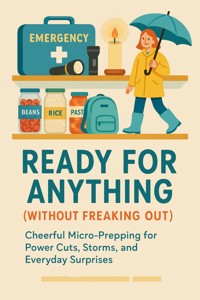
Prepared doesn't have to mean paranoid. Ready for Anything (Without Freaking Out) brings calm, confidence, and even joy to everyday readiness. With a lighthearted tone and colorful practicality, this guide shows you how to prepare your home, your family, and your mindset for life's small surprises—from rainy-day hiccups to power outages. Whether you're a first-time prepper or just tired of last-minute scrambles, Ready for Anything helps you build quiet confidence and a sense of control—without overwhelm or gloom.
Sie lesen das E-Book in den Legimi-Apps auf:
Seitenzahl: 62
Veröffentlichungsjahr: 2025
Das E-Book (TTS) können Sie hören im Abo „Legimi Premium” in Legimi-Apps auf:
Ähnliche


















Table of Contents
Chapter 1: The Calm, Practical Mindset of Micro-Prepping
What Micro-Prepping Means
Small Systems That Stick
Bringing the Family Along
Chapter 2: Simple Home Systems for Light, Warmth, and Comfort
Layered lighting and sensible power plans
Safe warmth and low-tech comfort
Cooking, water, and comfort kits that actually get used
Chapter 3: Food and Water Plans That Fit Your Life
Everyday Pantry Strategy
Water and Hydration Basics
Cooking, Menus, and Comfort Foods
Chapter 4: Safety, First Aid, and Everyday Household Readiness
Quick home safety checks and simple fixes
Compact first aid kit and core skills
Family plans, pets, drills, and comfort
Chapter 5: Quick Resilience Rituals and Calm Kits
Calm Kits: Pack for Feelings, Not Just Supplies
Short Rituals to Reset the Mood
Sensory Anchors, Play, and Clear Communication
Chapter 6: Putting It All Together — Practical Plans and Drills
A simple weekend outage plan — test, learn, improve
Two-minute evacuation checklist and layered cards
Maintenance schedule, quick drills, and neighbor connections
Chapter 1: The Calm, Practical Mindset of Micro-Prepping
Preparing for surprises does not have to be dramatic or scary. In fact, the goal of micro-prepping is the opposite: build small, sensible habits that create steady confidence without creating clutter or anxiety. This chapter explains the mindset behind cheerful micro-prepping, why small systems win over one-time panic buying, and how to make preparedness part of everyday life. You will learn how to think in terms of useful layers, how to set simple priorities, and how to bring your family along without turning every conversation into a briefing.
Start with a friendly goal. Instead of imagining worst-case scenarios, picture a useful, achievable objective: being comfortable and safe during a multi-hour power outage, having a couple of days of food that everyone will actually eat, keeping kids and pets calm during a storm. Those goals translate to specific actions you can fit into drawers and closets, not entire spare rooms. Thinking in terms of comfort and competence makes preparedness feel doable and even pleasant.
Micro-prepping means small, repeatable systems. One of the biggest mistakes people make is treating preparedness like a single purchase event: they buy a lot of gear, then forget about it until an emergency. Micro-prepping replaces that with tiny routines. A weekly rotate-and-replace habit for food and batteries keeps supplies fresh. A monthly check of flashlights and chargers keeps equipment reliable. A family check-in about emergency plans twice a year keeps everyone mentally ready. Each of these steps is quick and manageable. Taken together they build a resilient home without stress.
Think in drawers, not bunkers. Keep checklists short and portable. A 'go-to' drawer might hold a small first aid kit, a couple of flashlights, a manual can opener, a roll of duct tape, and a list of emergency phone numbers. Another drawer can have comfort items: a deck of cards, a jar of instant coffee, a favorite snack, and small hygiene items. These easy-to-reach, intentionally curated spots are far more useful than bulk storage in out-of-the-way places.
Prioritize what matters to your household. Every family is different. A household with infants needs formula and diaper supplies. Someone with a medical condition needs a medication backup plan. If you take care of pets, add food and sanitation items for them. Make a short list of three to five non-negotiable needs for your household and focus your initial prep on those. Success builds quickly when your first actions have immediate utility.
Keep it social and low-pressure. Preparing alone can become overwhelming. Make it a short family activity: a 15-minute 'safety Saturday' every month where you test a flashlight, check the pantry, or practice shutting off utilities. Turn it into a ritual: brew a pot of tea, play two songs while you rotate canned goods, give small rewards for participation. The idea is to normalize preparedness so it feels like care, not crisis.
Simple labeling and placement matter more than fancy gear. Use clear labels on drawers and containers: 'Lights and Chargers', 'Comfort Snacks', 'First Aid', 'Pet Kit'. Keep items where they're needed. A flashlight tucked into a kitchen drawer is more likely to be useful than one stored in a basement box. Put critical items at hip level so anyone in the household can grab them easily.
Learning to be calm under pressure is the foundation of preparedness. Practice small, confidence-building habits: make a phone list and save it in everyone's contacts, test a backup light source once a month, keep a week’s worth of prescriptions on refill autopilot. Praise small wins. Over time these habits reduce panic and increase resourcefulness. The rest of this book will build on these ideas, giving practical systems for light, warmth, food, water, safety, and morale so you can be ready for anything without freaking out.
What Micro-Prepping Means
Micro-prepping is about tiny, sensible choices that add up to real confidence. Rather than imagining extreme scenarios, choose a friendly, concrete goal—staying comfortable through a multi-hour outage, keeping a few favorite meals on hand, or calming kids and pets during a storm. Those goals shape small systems you can maintain without stress. This section defines the mindset and the practical habits that make preparedness routine and reassuring.
Start with comfort-focused goals
Begin by choosing one or two concrete, comfort-focused outcomes that matter to your household—light to move safely, a warm drink, access to medications, or familiar snacks for children. These objectives are simple to measure and make decision-making easier.
When your aim is comfort rather than catastrophe, every purchase and practice has a clear purpose. For example, a goal to “stay warm and lit for six hours” translates into a short checklist: two reliable flashlights, a charged power bank, spare AA batteries, and two warm blankets. That keeps spending and storage minimal while delivering tangible benefits.
Comfort goals also help prioritize limited space and attention. Choose items family members will actually use, test them with a quick drill, and write the goal on a small card in your go-to drawer so the purpose stays visible and motivating.
Think in drawers, not bunkers
Assign reachable, context-appropriate spots for essentials so that supplies are visible and easy to grab. A kitchen drawer can hold a manual can opener, two dependable flashlights, a compact first aid kit, and a list of emergency contacts. Placing items where people naturally go reduces friction when stress hits.
Use small containers and clear labels—Lights & Chargers, Comfort Snacks, Pet Kit—to signal purpose and prevent rummaging. Keep a living-room basket with a board game, instant coffee, and a couple of throws for morale; store medication back-ups in the bathroom closet where prescriptions are kept.
The goal is usable readiness, not stockpiling. Portable kits that travel from room to room or fit in a car glovebox are more likely to be used than distant, forgotten storage. Regularly glance at these spots during your micro-prep routines to keep them current and helpful.
Replace the one-time panic buy with tiny routines
Micro-prepping is built on short, repeatable habits rather than large, infrequent purchases. Set simple rhythms—check perishables weekly, test flashlights and chargers monthly, and hold a family plan check-in twice a year. These brief activities keep supplies fresh and systems familiar.
Make each routine specific and time-boxed: five minutes to rotate canned goods, ten minutes to run the power bank through a charge cycle, or a 15-minute “Safety Saturday” to review emergency contacts and practice locating the go-to drawer. Small steps reduce decision fatigue and prevent the scramble that comes from forgotten items.
Over time, these tiny maintenance tasks become automatic and quietly raise household resilience. Track them with a checklist or calendar reminders, and celebrate small wins—everyone feels more capable when supplies are current and routines are simple.




