


52,99 €
Mehr erfahren.
- Herausgeber: John Wiley & Sons
- Kategorie: Fachliteratur
- Sprache: Englisch
A Decoloniality Project
Sie lesen das E-Book in den Legimi-Apps auf:
Seitenzahl: 504
Veröffentlichungsjahr: 2025
Ähnliche
















Table of Contents
Cover
Table of Contents
Title Page
Copyright Page
Acknowledgements
Preface
References
Theories and Bases
1 The History of Counseling
Decolonization and Decoloniality in the Counseling Profession
Conclusion
References
2 A Short Recount of the Intersectionality of Counseling and Decoloniality
The Horse Before the Carriage Metaphor
Embracing Complexity
Social Justice in Counseling
Diversity, Equity, and Inclusion
The Impact of Colonization on Counseling Practices
Intersectionality
Indigenous Way of Knowing and Practices
Conclusion
References
3 Identity as a Form of Liberation
Historical Implications of Colonization and Resistance
Colonization and Coloniality’s Interference with Identity
Conclusion
References
4 Decolonial Thought
Geography Matters
The South in the Middle of Two Oceans: Thinking about Decoloniality from the Caribbean and Asia
Decolonial Feminism: Looking at and Writing on Decolonial Thought
Quilombismo
and
Cimarronaje
as Decolonial Practices and Thought
The First South: Decolonial Thought in the African Continent
Why Does Geography Matter?
Conclusion
References
5 Foundational Concepts of Decolonization
Core Concepts of Decolonial Thought
The Colonization Process and Tools of Gaining Power
Decoloniality of Counseling
Conclusion
References
6 Colonization and Racism
Colonization, Settler Colonialism, and Coloniality
Social Structures that Support Coloniality
Internalized Coloniality
Conclusion
References
7 Counseling for Social Justice Without Decolonization
The Whispering Trees
Critically Examining Western Psychological Theories
Globalization in Counseling and Psychology
Counseling and Psychology Without Decolonization Risks Perpetuating Harm
Conclusion
References
Applications
8 Reconceptualization of the Counseling Profession From a Decoloniality Approach
Understanding Decolonization Within Counseling Frameworks
Historical Foundations of Counseling and Its Evolution
Threats to the Counseling Profession
Decolonialization Imperatives
Historical Evidence of Counseling’s Capacity for Change
Decolonial Counseling
Transformative Strategies in Decolonial Counseling
Conclusion
References
9 Clinical Approaches
The Depth and Breadth of Suffering and Healing
Defining Medicine, Health, and Healing
The Western European Cultural Shift, Colonization, and the Disruption of Indigenous Science, Medicine, Health, and Healing
Tools of Healing: Symbols, Metaphors, Rituals, Theories, and Ritual Functions
Case Illustration of Praxis
Conclusion
References
10 Indigenous Ways of Knowing
Colonization and Decolonization
Survivance
Medicine Wheel: The Daily Circle of Life
An Adapted Medicine Wheel for Counselors, Counselor Educators, and Clients
Conclusion
References
11 Clinical Supervision
Acknowledging Clinical Supervision as an Institutional Mechanism
Becoming Attuned to Institutional Power Dynamics
Preparing to Emerge as a Decolonial Supervisor
Understanding Coloniality Within Supervision
Embodying a Decolonial Ethical Stance
Recommendations for Praxis
A Supervision of Liberation Is a Supervision of Resistance
References
12 The Interconnectedness of Decolonization and Decoloniality in Counseling
Understanding Colonial Legacies
Decolonization and Decoloniality
Decolonial Best Practices
Conclusion
References
13 Reconceptualizing the Counseling Profession
Implications and Future Directions
Conclusion
References
Glossary
References
Index
About the Editors
About the Contributors
Technical Support
End User License Agreement
List of Tables
Chapter 12
Table 1
Decolonial Best Practices and Guidelines
List of Illustrations
Chapter 6
Figure 1
The Bidirectional Relationship Between Settler Colonialism a
...
Chapter 10
Figure 1
Medicine Wheel: An Adapted Framework for Counseling and Surv
...
Guide
Cover Page
Table of Contents
Title Page
Copyright Page
Acknowledgements
Preface
Begin Reading
Glossary
Index
About the Editors
About the Contributors
Technical Support
Wiley End User License Agreement
Pages
c
d
i
ii
iii
iv
v
vi
vii
viii
1
2
3
4
5
6
7
8
9
10
11
12
13
14
15
16
17
18
19
20
21
22
23
24
25
26
27
28
29
30
31
32
33
34
35
36
37
38
39
40
41
42
43
44
45
46
47
48
49
50
51
52
53
54
55
56
57
58
59
60
61
62
63
64
65
66
67
68
69
70
71
72
73
74
75
76
77
78
79
80
81
82
83
84
85
86
87
88
89
90
91
92
93
94
95
96
97
98
99
100
101
102
103
104
105
106
107
108
109
110
111
112
113
114
115
116
117
118
119
120
121
122
123
124
125
126
127
128
129
130
131
132
133
134
135
136
137
138
139
140
141
142
143
144
145
146
147
148
149
150
151
152
153
154
155
156
157
158
159
160
161
162
163
164
165
166
167
168
169
170
171
172
173
174
175
176
177
178
179
180
181
182
183
184
185
186
187
188
189
190
191
192
193
194
195
196
197
198
199
200
201
202
203
204
205
206
207
208
209
210
211
212
213
214
215
216
217
218
219
220
221
222
223
224
225
226
227
228
229
230
231
232
233
234
235
236
237
238
239
240
241
242
243
244
245
246
247
248
249
250
251
252
253
254
255
256
257
258
259
260
261
262
263
264
265
266
267
268
269
270
271
272
273
274
275
276
277
278
279
280
281
282
283
284
285
286
287
288
289
290
291
292
293
294
295
296
297
298
299
300
301
302
303
304
305
306
307
308
309
310
311
312
313
314
315
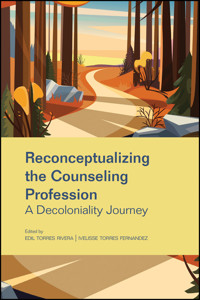
Reconceptualizing the Counseling Profession
A Decoloniality Journey
EDITED BY
EDIL TORRES RIVERA
IVELISSE TORRES FERNÁNDEZ
Copyright © 2025 American Counseling Association. All rights reserved.
American Counseling Association2461 Eisenhower Avenue, Suite 300Alexandria, Viriginia 22314
Published in the United States of America
Library of Congress Cataloging-in-Publication Data
Library of Congress Control Number 2025032965CIP data requested but not available at time of publication
Acknowledgements
This project started many years ago when I (Edil Torres Rivera) realized that my beloved Puerto Rico fits the description of a colony. Along the way, we (Edil and Ivelisse) noticed the hard work of tireless warriors—the women in our families and their supporters. Therefore, we want to thank our mothers (Titi & Anicia), and especially my (Edil) brothers, Robert and Wilo. I (Edil) hope that the work we have outlined here becomes part of our legacy for my daughter, Taina, and my granddaughters, Eliza and Cecilia. Thanks also to the American Counseling Association for allowing me to include decolonization as part of the set of tools available to all counselors worldwide.
Preface
EDIL TORRES RIVERA AND IVELISSE TORRES FERNÁNDEZ
In recent years, the decolonization of mental health has grown into a significant movement within the field. In fact, on the day we began drafting the introduction to this volume, we learned of a newly released special issue of American Psychologist dedicated to decolonization and liberation psychology (Santana et al., 2025). This issue follows the publication of an edited volume on decolonization by the American Psychological Association (Comas-Díaz et al., 2024). Both the special issue and the edited book are noteworthy for their integration of theory, praxis, and methodological innovation, all grounded in a commitment to justice and healing within the lived realities of the Global Majority (Campbell-Stephens, 2021). Their inclusion of Global South perspectives and Indigenous Ways of Knowing (IWOK) challenges the epistemic dominance of Western psychology. However, given the vastness of the field and the diversity within Global South contexts, these contributions represent only a fraction of the ongoing work of decolonization, much of which remains undocumented or inaccessible within academic archives. Furthermore, both publications focus exclusively on the field of psychology, with little to no attention given to other disciplines, such as professional counseling.
This lack of attention is a primary reason we chose to contribute this volume to the growing scholarship on counseling in the United States and globally. The counseling profession stands at a critical juncture in its historical development, increasingly recognizing the urgent need to confront its colonial legacies, systemic oppressions, and cultural biases across its theories, methodologies, and practices. Traditional counseling is rooted in Eurocentric paradigms, and so it has often prioritized Western epistemologies, universalized diagnostic categories, and individualistic models of mental health over Global South and Indigenous scholarship. These approaches insufficiently account for the complex sociocultural realities and historically rooted traumas experienced by marginalized populations. This book synthesizes critical scholarly perspectives and emerging paradigms that challenge these limitations through a focus on decoloniality, social justice advocacy, intersectionality, and culturally responsive interventions. In doing so, it provides a foundation for reimagining counseling as a transformative and equitable profession.
At the core of this important shift is the recognition of the lasting effects of colonialism, coloniality, and systemic oppression on the mental health and well-being of Indigenous peoples, racialized communities, and other marginalized groups. Decolonial theories, particularly those emerging from the Global South, offer essential critiques of Western universalism and epistemic dominance, referring to the imposition of Western knowledge systems as normative while marginalizing or erasing Indigenous and local ways of knowing (Dussel, 2005; Grosfoguel et al., 2006). These theories underscore the urgency of reclaiming and revitalizing suppressed epistemologies, languages, and cultural practices as key to healing and empowerment in counseling settings. Achieving this vision requires intentional epistemic decolonization, substantial changes in counselor education, and institutional reforms that dismantle colonial power structures embedded in mental health services and research (see Chapters 2 through 12).
The profession’s evolving commitment to social justice extends beyond individual-level interventions to include systemic change through advocacy, activism, and the application of intersectional frameworks. Intersectionality illuminates the complex, interconnected nature of social identities, such as race, gender, class, and sexual orientation, and the compounded impact these identities have on experiences of oppression and resilience (see Chapters 2, 4, and 5). When counseling is informed by intersectionality, it resists reductive or categorical approaches, instead insisting on nuanced understandings that reflect the lived realities of clients and inform culturally adapted, responsive therapeutic interventions (Settles et al., 2020). Additionally, feminist counseling perspectives have critically challenged patriarchal structures and hierarchical dynamics within the therapeutic relationship. These perspectives emphasize empowerment, agency, and gender-sensitive approaches, while interrogating diagnostic practices that pathologize women’s lived experiences, particularly those shaped by systemic inequities (Crethar et al., 2008; see Chapter 9).
Central to emerging counseling paradigms is the promotion of cultural humility and anti-oppressive practice. This approach requires counselors to engage in continuous self-reflection regarding their own biases and positionalities, coupled with a commitment to creating safe, validating therapeutic spaces for clients from marginalized backgrounds. Multicultural counseling has made notable progress in challenging the limitations of dominant Western models and embracing culturally grounded approaches that honor diverse worldviews and healing traditions (Torres Rivera, 2023). But challenges with operationalizing anti-oppressive principles, particularly in addressing microaggressions and cultural ruptures that arise within clinical practice, still remain (Rudecindo et al., 2025; see Chapter 8).
IWOK offer vital models for decolonizing counseling practices by reconnecting individuals to collective, environmental, spiritual, and relational dimensions of wellness (Grayshield et al., 2010). Frameworks such as the Medicine Wheel promote holistic understandings of balance across physical, mental, emotional, and spiritual domains, providing culturally embedded tools for resilience and healing that both challenge and enrich Western conceptions of pathology and treatment (Ford-Ellis, 2019; Mashford-Pringle & Shawanda, 2023). Furthermore, the concepts of survivance and syncretism emphasize Indigenous resilience and the creative blending of diverse cultural traditions, advancing inclusive, grounded pathways toward liberation and wellness.
Finally, educational and systemic transformations are essential to fully realizing a decolonial counseling praxis. This includes reimagining counselor education to focus on critical consciousness, cultural humility, and social justice advocacy; redesigning licensure systems to accommodate diverse cultural modalities and reduce professional fragmentation; and leveraging technological innovations to expand access without exacerbating digital inequities (see Chapter 8). Ethical counseling praxis requires a direct confrontation with the profession’s historical complicity in sustaining systemic racism and coloniality. Counselors must acknowledge historical trauma, power imbalances, and the oppressive nature of dominant epistemologies, while advancing commitments to equity, community-driven action, and collective healing (see Chapters 8 and 10).
This body of scholarship charts a transformative path for counseling, one that goes beyond individual healing to actively challenge colonial structures, epistemic violence, and systemic injustice. By embedding decoloniality, intersectionality, cultural humility, and activism into the core of counseling theory, practice, and education, the profession is better positioned to meet the mental health needs of diverse populations while advancing social justice, cultural renewal, and collective liberation. This introduction lays the groundwork for a deeper exploration of these critical themes in the chapters that follow, which offer theoretical frameworks, practical methodologies, and ethical principles essential to the evolution of counseling as a liberatory practice.
References
Campbell-Stephens, R. M. (2021). Introduction: Global majority decolonising narratives. In R. M. Campbell-Stephens,
Educational leadership and the global majority: Decolonising narratives
(pp. 1–21). Palgrave Macmillan, Cham.
https://doi.org/10.1007/978-3-030-88282-2_1
Comas-Díaz, L., Adames, H. Y., & Chavez-Dueñas, N. Y. (Eds.). (2024).
Decolonial psychology: Toward anticolonial theories, research, training, and practice.
American Psychological Association.
https://doi.org/10.1037/0000376-000
Crethar, H.C., Torres Rivera, E. and Nash, S. (2008). In search of common threads: Linking multicultural, feminist, and social justice counseling paradigms.
Journal of Counseling and Development
,
86
(3), 269–278.
https://doi.org/10.1002/j.1556-6678.2008.tb00509.x
Dussel, E. (2005). “Ser hispano”: Un mundo en el “Border” de muchos mundos [“Being Hispanic”: A World on the “Border” of Many Worlds]. In R. Grosfoguel, N. Maldonado-Torres, & J. D. Saldívar (Eds.),
Latin@s in the world-system: Descolonization struggles in the 21st century U.S. empire
(pp. 41–55). Routledge.
Ford-Ellis, A. G. (2019). How is the Medicine Wheel considered in therapeutic practice?
Journal of Concurrent Disorders
,
1
(3), 78–93.
https://doi.org/10.54127/ALJJ4787
Grayshield, L., Mihecoby, W., & Mihecoby, A. (2010). Indigenous Ways of Knowing as a philosophical base for the promotion of peace and justice in counseling education and psychology.
Journal for Social Action in Counseling and Psychology
,
2
(2), 1–16.
https://doi.org/10.33043/JSACP.2.2.1-16
Grosfoguel, R., Maldonado-Torres, N., & Saldivar, J. D. (Eds.). (2006).
Latin@s in the world-system: Decolonization struggles in the 21st century U.S. empire
. Routledge.
Mashford-Pringle, A., & Shawanda, A. (2023). Using the Medicine Wheel as theory, conceptual framework, analysis, and evaluation tool in health research.
SSM - Qualitative Research in Health
,
3
, Article 100251
.
https://doi.org/10.1016/j.ssmqr.2023.100251
Rudecindo, B., Kuo, P., Smith, W. A., Tao, K. W., & Imel, Z. E. (2025). Microaggressions and cultural ruptures in psychiatry: Extending multicultural counseling orientation to psychiatric services.
FOCUS
,
23
(1), 9–18.
https://doi.org/10.1176/appi.focus.20240034
Santana, M., T., G., Bryant, T., Comas-Díaz, L., Zerbe Enns, C., Harrell, S. P., Hita, L., GreyWolf, I., Kia-Keating, M., Lee, B. A., Neville, H. A., & Suyemoto, K. L. (2025). Reclaiming love, wisdom, and healing through decolonial and liberation psychologies: A call to action.
American Psychologist
,
80
(4), 447–460.
https://doi.org/10.1037/amp0001527
Settles, I. H., Warner, L. R., Buchanan, N. T., & Jones, M. K. (2020). Understanding psychology’s resistance to intersectionality theory using a framework of epistemic exclusion and invisibility.
Journal of Social Issues
,
76
(4), 796–813.
https://doi.org/10.1111/josi.12403
Torres Rivera, E. (2023, July). From the president: Creating change within the profession.
Counseling Today
, 5.
https://www.counseling.org/publications/counseling-today-magazine/article-archive/article/legacy/from-the-president-creating-change-within-the-profession
Theories and Bases
1The History of Counseling: An Anti-Oppressive Beginning
EDIL TORRES RIVERA
Since its conception in the early 20th century, the counseling profession has been in the process of corrective evolution in the face of competition from other mental health professions such as psychiatry, psychology, and clinical social work. Counseling professionals need a master’s level degree to practice in the United States, unlike psychiatry and psychology, which necessitate doctoral degrees. Furthermore, the counseling profession has faced pitfalls that other helping professions haven’t, delaying the development of a clear and defined purpose and scope of practice. The most daunting shortcoming is the lack of consensus surrounding professional identity within the counseling profession in the United States, primarily due to differing perspectives between licensure boards and organizations such as the Council for Accreditation of Counseling and Related Educational Programs (CACREP), the National Board for Certified Counselors (NBCC), and the American Counseling Association (ACA; Granello & Young, 2018). This chapter aims to provide a philosophical, historical, theoretical, and practical foundation that serves as an operational parameter for developing a professional identity within the decolonial context. Building on the premise that counseling as a profession began as a result of injustices and oppression, the predominant use of Western theories and worldviews in counselor training demands a reimagining of the counseling profession as a decoloniality practice.
Historical Background
The roots of the counseling profession can be traced to the 20th-century guidance movement in the United States (Aubrey, 1977; Gladding, 2020). Initially focused on vocational guidance and educational support, this movement laid the groundwork for developing formalized counselor training and assessment tools (Aubrey, 1977; Blancher et al., 2010). The influence of the humanistic movement (starting with Carl Rogers’s humanistic theory) and its concerns is undeniable and emphasizes the early connection between social reform and individual well-being (Gladding, 2020). During this period, there emerged a growing interest in understanding individual differences and their implications for educational and occupational success. The work of pioneers like Frank Parsons, considered the father of the counseling profession, is particularly noteworthy in this context (Aubrey, 1977). Parsons, viewed as a social reformer, developed a systematic approach to vocational guidance that emphasized understanding individual aptitudes, interests, and opportunities (Pope & Sveinsdottir, 2005; Rogers, 1942).
Like other helping professions, such as psychology, psychiatry, and clinical social work, counseling has been influenced by different philosophical currents, social events, cultural approaches, and prominent figures. Therefore, it is imperative to understand the context in which the profession originated to establish its identity—an anti-oppression aim—and pro-decolonial origins, all of which creates a unique developmental approach. The developmental approach in counseling emphasizes human development theories, prioritizing an understanding of typical developmental processes over a narrow focus on psychopathology. Although counselors understand psychopathology, they primarily aim to rule out normative developmental challenges before diagnosing mental health conditions (Granello & Young, 2018).
Main Events
To understand the history of counseling requires an in-depth exploration of the works that have informed the profession since its conception. As such, this chapter will include a mix of seminal, older referents in the field as well as more contemporary authors to support the assertion that counseling, as a discipline, had an anti-oppressive and decolonial beginning rooted in social justice when compared to other mental health professions (the exception being social work). One of the first historical timelines of the development of counseling was presented in an article by Roger F. Aubrey (1977), entitled “Historical Development of Guidance and Counseling and Implications for the Future.” In it, Aubrey traced counseling from the beginning of the guidance movement to the industrialization era and later, and discussed the contributions of the reform movement and disciplines such as education and psychology. Likewise, Samuel T. Gladding (2020), a prolific writer, researcher, and counselor educator, indicated that counseling evolved from the vocational guidance movement in the early 20th century. His history of counseling indicates that the first public-school counseling program was founded in 1898 by Jesse B. Davis.
In 1908, Frank Parsons founded the Boston Vocational Bureau, whose primary function was to prevent career stagnation and stimulate youth academic and vocational development. In his book Career Selection (1909), he emphasized the idea of self-knowledge with race compatibility (Glosoff et al., 2017; Nassar & Niles, 2018). Then, due to World War I, the U.S. military was forced to create psychometric instruments that measured candidates’ intellectual and psychological capacity for specific positions within the armed forces. Years later, in the 1930s, the U.S. Department of Labor began producing the Dictionary of Occupational Titles (DOT; 1965). This groundbreaking framework sought to guide students and people in need of professions toward occupational careers using resources previously unavailable to them (Gladding, 2020; Glosoff et al., 2017; Granello & Young, 2018; Nassar & Niles, 2018).
Four historical events served as catalysts that propelled the counseling profession to a higher level of prominence: World War II, the Vietnam conflict, the National Defense Education Act, and the civil rights movement (Gladding, 2020). Although these events occurred in different periods of history, they prompted the U.S. government to consider counselors’ vital role in student academic development and a more productive society.
As the field of psychology began to shift toward the areas of psychopathology and mental illness, counseling focused on providing services to people with emotional needs within average limits and expectations, according to their developmental stage or within the parameters of normal human behavior (Glosoff et al., 2017; Nassar & Niles, 2018). In this way, psychological counseling was not only limited to providing services to clients with academic and vocational needs (careers) but also began to address the needs of people experiencing emotional adjustments such as divorce, developmental transitions (i.e., childhood, adolescence, midlife crisis, death of loved ones) and emotional conflicts as a result of personality incompatibility or social-adaptation challenges (Gladding, 2020).
Consistent with vocational counseling, in 1939, E. G. Williamson expanded the principles of the trait and factor theory outlined by Frank Parsons and applied them to students of different academic levels (Gladding, 2020). It is worth noting that when guidance and orientation were rebranded as counseling, the term “career counseling” replaced “vocational counseling.” This theory allowed the counselor to provide alternatives to the student without imposing only test results; they provided career counseling options to the students, regardless of their results. That is, the student (client) could select occupational careers independently and according to their criteria.
During the 1950s and 1960s, Carl Rogers developed the client-centered theory and, in so doing, established himself as one of the most prominent figures in counseling (Glosoff et al., 2017; Granello & Young, 2018; Nassar & Niles, 2018). When Rogers published his book Counseling and Psychotherapy in 1942, he challenged the principles established by Sigmund Freud’s psychopathology and by Williamson’s ideas of career selection.
Although Rogers is credited with coining the term “psychological counseling,” theories of psychological development (Maslow, 1954) and learning (Bandura, 1977) greatly influenced the counseling profession. In 1942, Donald Super integrated the concept of personal development into the career-selection process, changing the search for a career from a purely practical endeavor to a more thoughtful one. This concept revolutionized the field of vocational counseling and placed the client in a position of self-development and continual exploration (Super, 1955). In order to provide context for readers unfamiliar with the counseling profession, it is important to note that the field has evolved in different ways. It originated as vocational and guidance counseling, which later developed into what is known as career counseling. Additionally, the development of major professional groups responsible for accreditation, certification, and membership, such as CACREP, NBCC, and ACA has played a pivotal role.
In 1952, the American Personnel and Guidance Association was created, and merged with other related organizations such as the National Vocational Guidance Association and the American College Personnel Association. The name changed to the American Association for Counseling and Development in 1983. The U.S. government officially recognized counseling as a profession in 1992, and the name changed for the final time to the American Counseling Association (Gladding, 2020).
ACA, the largest counselor membership organization in the United States, defines counselors as professionals who
“help people gain personal insights, develop strategies and develop real-life solutions to the problems and challenges they face in every area of life. As trained and credentialed professionals, they accomplish this by getting to know clients, building safe, positive relationships, and suggesting tools and techniques they believe will benefit clients.” (ACA, n.d.)
This definition, though useful, only accomplishes so much. The commercialization of services has been largely unacknowledged in research about counseling. The fact that insurance companies not only commercialize mental illness but also control the market and the parameters of treatment has made it even more challenging to distinguish between the different professions in the mental health field (Watters, 2010). Nonetheless, counseling continues to prioritize holistic approaches, grounded in theories of human development and career guidance, to help clients, while still taking psychopathology into account (Gladding, 2020).
In the latter half of the 20th century, the counseling profession expanded to include specialties like mental health, school, and marriage and family counseling, moving beyond focusing on career counseling only. Licensure laws were drafted in the 1970s and 1980s, professionalizing the field and ensuring a standard of excellence (Leahy et al., 2015).
Counseling, with its storied history, continues to be a vibrant and essential profession. It is a haven for individuals to explore career aspirations, a support system for those grappling with mental health issues, and a guiding light for individuals and families navigating life’s complexities. The counseling profession continues to evolve, embracing holistic approaches and multicultural competencies to serve our diverse world. It is a profession born of need, nurtured by dedication, and blossoming with the potential to transform lives. Looking to the future, one thing is clear—the role of counselors in promoting mental health, personal growth, and well-being has never been more vital. Since 2019, ACA has been working to create and operationalize a counseling compact that allows counselors to practice in different states without requiring multiple licenses. The compact, now operational, has been passed by 39 states and the District of Columbia as of 2025 (ACA, 2025).
It is also important to emphasize that the counseling profession originated in the United States and is deeply rooted in Eurocentric values and perspectives. As such, Westernization in counseling refers to the influence and adoption of predominantly Western psychological theories, practices, values, and perspectives in understanding human behavior, cognition, and mental health. This phenomenon suggests the spread of Western ideas, methodologies, and approaches in psychology to non-Western cultures and societies (Moosavi, 2020, 2023).
Multicultural and Feminist Perspectives
Counseling in the latter half of the 20th century was marked by the emergence of multicultural and feminist perspectives (Chan et al., 2018; Crethar et al., 2008). These perspectives directly challenged the limitations of the predominantly Western-centric and often implicitly White and male counseling models (Umriana et al., 2023) and highlighted the profound influence of culture, gender, and other social identities on mental health experiences (Liu, 2002). These emerging perspectives moved away from universalizing assumptions and toward culturally sensitive and contextually relevant interventions. Key figures in this movement championed the importance of understanding and addressing the different needs of diverse populations. They also emphasized the importance of considering power dynamics within the therapeutic relationship and advocated for culturally responsive approaches to counseling. The integration of both multicultural and feminist perspectives fundamentally altered counseling theory and practice by promoting a deeper understanding of the intersectionality of social identities and their influence on mental well-being (Crethar et al., 2008).
Feminist counseling emerged as a powerful force challenging patriarchal norms and power imbalances within the counseling profession and broader society (Crethar et al., 2008). This approach questioned the traditional power dynamics inherent in the therapeutic relationship, often characterized by the practitioner’s authority and the client’s passivity. Feminist counseling emphasizes the importance of empowering women and challenging gender-based inequalities in mental health care. Feminist theory provided a crucial framework for understanding the impact of sexism, gender roles, and societal expectations on women’s mental well-being (Crethar et al., 2008). Traditional diagnostic categories, rooted in societal oppression, that often pathologized women’s experiences were suddenly being challenged. These groundbreaking interventions paved the way for feminist-informed therapies and techniques to emerge, emphasizing women’s agency, empowerment, and self-determination. The ongoing work within feminist counseling continues to address the complexities of gender, intersectionality, and the persistent challenges faced by women in accessing equitable and culturally sensitive mental health services. The integration of feminist perspectives into counseling practices promoted a deeper understanding of gender dynamics and their influence on mental health outcomes.
Multicultural Counseling and Its Evolution
The development of multicultural counseling represents a pivotal turning point in the field’s commitment to anti-oppressive practices. This approach emerged as a direct response to the limitations of traditional counseling models in addressing the mental health needs of diverse populations (Sullivan & Cottone, 2006). Its foundational principles emphasize cultural sensitivity, humility, and responsiveness. Multicultural counseling challenges dominant cultural biases within the field, actively working to dismantle the implicit assumptions of cultural universality often present in traditional approaches. The development of culturally adapted therapies and interventions is a key aspect of this movement, recognizing the importance of tailoring therapeutic approaches to the specific cultural contexts of clients (Torres Rivera & Torres Fernández, 2024). The ongoing pursuit of true cultural humility (Rudecindo et al., 2025) within the profession underscores the continuous need for self-reflection, critical awareness of one’s biases, and a commitment to ongoing learning and adaptation. The increasing recognition of microaggressions and cultural ruptures in mental health settings further highlights the need for culturally sensitive and responsive practices, and emphasizes the importance of creating safe and validating therapeutic spaces for clients from marginalized groups (Rudecindo et al., 2025).
Social Justice Advocacy and Activism: Moving Beyond Individual Interventions
As counseling embraced multicultural and feminist perspectives, it expanded its focus from individual interventions to broader social justice advocacy and activism (Lee et al., 2013). Individual mental health is inextricably linked to broader social, political, and economic contexts. Counselors began to actively challenge systemic inequalities that contribute to mental health disparities, including racism, sexism, homophobia, transphobia, and classism (McIntyre et al., 2011). Developing advocacy competencies within the field gave counselors the skills and knowledge to engage in effective advocacy and socialchange initiatives (Lee et al., 2013). Counselors’ association with social movements demonstrated a commitment to using their professional expertise to address systemic issues. This engagement often involved working collaboratively with community organizations, advocating for policy changes, and promoting social justice initiatives to improve the mental health of marginalized communities (Settles et al., 2020). Integrating advocacy and activism into counseling underscored the profession’s commitment to promoting social justice and working toward a more equitable society.
Intersectionality and its Impact on Counseling Practice
Intersectionality, the interconnectedness of various social identities and their combined impact on individuals’ experiences, has significantly influenced counseling practice (Settles et al., 2020). This framework challenges simplistic understandings of oppression, recognizing that individuals hold multiple social identities (i.e., race, gender, class, sexual orientation) that interact to shape their experiences of power and marginalization. Intersectionality underscores the importance of moving beyond singular categories of identity to understand the complex interplay of social factors contributing to an individual’s mental health. This approach considers how social identities intersect to create different experiences of oppression and privilege, challenging the tendency to address social identities in isolation. The integration of intersectionality into counseling practice requires a nuanced and holistic approach, and must acknowledge the multiple layers of social identities and their influence on individuals’ mental well-being. The ongoing development of culturally sensitive and responsive interventions is essential in effectively addressing the needs of individuals from marginalized communities, requiring counselors to navigate the complexities of intersecting social identities within their practice.
Decolonization and Decoloniality in the Counseling Profession
Although the profession’s outlook is positive, adopting a practical approach is key to meeting clients’ changing needs and the rising demand for mental health services. Thus, moving forward, discussions about decolonization and decoloniality need to be part of the professional landscape. Facing these challenges will allow professional counselors to take a closer look at its Westernization. This is what will ultimately reinvent the profession.
Over the past 15 years, the mental health field has experienced a paradigm shift that has prompted discussions regarding decolonization and the need to decolonize our practices, not only when working with clients but also when designing training programs and doing research (Comas-Díaz et al., 2024). This topic has been explored in the context of mental health, but most of the research is rooted in psychology and social work (Torres Rivera et al., in press). The counseling profession must view this gap as an opportunity. Counselors must embrace decolonial practices to dismantle the systems of oppression that contribute to negative mental health outcomes. Adopting a decolonial approach to the profession will allow counselors to move beyond traditional practices and interrogate power dynamics, promote the development of critical consciousness, and value ancestral knowledge as core principles of the profession.
Decolonization is a complicated and multidimensional process. Various theories and perspectives have been developed to help us understand and analyze the process of decolonization. Like other disciplines, counseling has come under scrutiny due to its colonial foundations. While awareness and understanding of decolonization has grown, there is still a tendency to Westernize mental health care and, in so doing, neglect scholars from the Global South (Torres Rivera & Torres Fernández, 2024). To truly decolonize the discipline, these silenced voices must be elevated, cited, and given credit for their contributions. Only with this commitment can the field make the invisible visible.
Decolonization theory is a framework that examines the historical process through which colonized nations gain independence and seek to undo the cultural, economic, and political legacies of colonialism. It emerged primarily in the mid-20th century as former colonies across Africa, Asia, and the Caribbean gained independence from European imperial powers (Maldonado-Torres, 2017; Mignolo & Walsh, 2018). Some of the key themes and principles within decolonization theory include anti-imperialism, cultural reclamation, economic justice, political sovereignty, and social liberation. Decolonization theory critiques imperialism’s ideologies and practices, which involve the domination and exploitation of one nation or group by another. Anti-imperialism emphasizes colonized peoples’ right to self-determination and opposes the imposition of foreign rule. Furthermore, decolonization involves reclaiming and revitalizing indigenous cultures, languages, and knowledge systems that were suppressed or marginalized under colonial rule. This process of cultural reclamation often entails challenging Eurocentric narratives and representations of history and identity.
Lastly, decolonization often points to a potential bias or limitation within the field, as many psychological theories and research findings have been predominantly developed in Western contexts and may need to fully account for the diversity of human experiences across different cultures and societies. Critics argue that the emphasis on Western theories might overlook or undervalue indigenous or culturally specific perspectives on mental health, behavior, and well-being (Opara, 2021; Tejeda et al., 2003; Zbrog, 2023).
Decolonization seeks to address the economic inequalities perpetuated by colonialism by redistributing wealth and resources more equitably among formerly colonized nations and marginalized communities. This may involve land reforms, nationalization of industries, and initiatives to promote economic self-sufficiency. On the other hand, decolonization aims to establish genuine political sovereignty and autonomy for formerly colonized nations, free from external interference or control. This includes dismantling colonial institutions and governance structures and building inclusive, participatory government systems.
Underlying all aspects of decolonization is the endeavor for social liberation. As such, decolonization encompasses broader struggles for social justice, including the eradication of racism, sexism, and other forms of oppression that were entrenched under colonialism. The recognition and validation of diverse identities and experiences within postcolonial societies is crucial to this pursuit. Edward Said (1994) wrote about colonialism’s enduring impact on contemporary culture and politics. Ending a colonial occupation does not mute the echoes of strife. Colonial legacies continue to shape power dynamics, identity formation, and cultural representations in postcolonial societies, leaving scars that have yet to fade.
Counseling, with its emphasis on caring for the individual mind, has a crucial role to play. Starting small—helping someone heal on an individual level—reverberates throughout communities and societies. Helped people are more likely to help people, and so it is crucial that counselors take on the role of decolonization in their practice.
Conclusion
The history of the counseling profession reflects a journey from its early roots in vocational guidance to its current multifaceted state, addressing diverse human needs within evolving social contexts. The development of diverse theoretical frameworks has marked the profession’s progress, the establishment of professional standards and licensure, and the emergence of specialized practice areas. Contemporary challenges include navigating globalization, integrating technology, and upholding social justice principles. The future of counseling will likely involve a continued integration of neuroscience and evidence-based practice, strengthening interprofessional collaborations, and expanding training and resources for counselors addressing mental health crises and trauma. The ongoing pursuit of professional excellence, ethical awareness, and social justice advocacy will remain crucial to the profession’s continued growth and positive impact on individuals and communities worldwide.
References
American Counseling Association. (2025).
Counseling Compact
. ACA.
https://www.counseling.org/advocacy/counseling-compact
American Counseling Association. (n.d.). What is a professional counselor?
What Is Counseling?
ACA.
https://www.counseling.org/mental-health-counseling/what-is-counseling
Aubrey, R. F. (1977). Historical development of guidance and counseling and implications for the future.
Personnel and Guidance Journal
,
55
(6), 288–295.
https://doi.org/10.1002/j.2164-4918.1977.tb04991.x
Bandura, A. (1977). Self-efficacy: Toward a unifying theory of behavioral change.
Psychological Review
,
84
(2), 191–215.
https://doi.org/10.1037/0033-295X.84.2.191
Blancher, A. T., Buboltz, W. C., Jr., & Soper, B. (2010). Content analysis of the
Journal of Counseling and Development
: Vols. 74 to 84.
Journal of Counseling and Development
,
88
(2), 139–145.
https://doi.org/10.1002/j.1556-6678.2010.tb00002.x
Chan, C. D., Cor, D. N., & Band, M. P. (2018). Privilege and oppression in counselor education: An intersectionality framework.
Journal of Multicultural Counseling and Development
,
46
(1), 58–73.
https://doi.org/10.1002/jmcd.12092
Comas-Díaz, L., Adames, H. Y., & Chavez-Dueñas, N. Y. (Eds.). (2024).
Decolonial psychology: Toward anticolonial theories, research, training, and practice.
American Psychological Association.
https://doi.org/10.1037/0000376-000
Crethar, H. C., Torres Rivera, E., & Nash, S. (2008). In search of common threads: Linking multicultural, feminist, and social justice counseling paradigms.
Journal of Counseling and Development
,
86
(3), 269–278.
https://doi.org/10.1002/j.1556-6678.2008.tb00509.x
Gladding, S. T. (2020).
Counseling: A Comprehensive Profession
(8th ed.). Pearson.
Glosoff, H. L., Schwarz, J. E., & DiZenzo-Priestley, S. A. (2017). The counseling profession: Historical perspectives and current issues and trends. In D. Capuzzi & D. R. Gross (Eds.),
Introduction to the counseling profession
(7th ed., pp. 2–53). Routledge.
https://doi.org/10.4324/9781315537061
Granello, D. H., & Young, M. E. (2018).
Counseling today: Foundations of professional identity
(2nd ed.). Pearson.
Leahy, M. J., Rak, E., & Zanskas, S. A. (2015). A brief history of counseling and specialty areas of practice. In I. Marini & M. A. Stebnicki (Eds.),
The Professional Counselor’s Desk Reference
(pp. 3–13). Springer Publishing.
Lee, M. A., Jorgensen Smith, T., & Henry, R. G. (2013). Power politics: Advocacy to activism in social justice counseling.
Journal for Social Action in Counseling and Psychology
,
5
(3), 70–94.
https://doi.org/10.33043/JSACP.5.3.70-94
Liu, W. M. (2002). Exploring the lives of Asian American men: Racial identity, male role norms, gender role conflict, and prejudicial attitudes
. Psychology of Men and Masculinity
,
3
(2), 107–118.
https://doi.org/10.1037/1524-9220.3.2.107
Maldonado-Torres, N. (2017). Frantz Fanon and the decolonial turn in psychology: From modern/colonial methods to the decolonial attitude.
South African Journal of Psychology
,
47
(4), 432–441.
https://doi.org/10.1177/0081246317737918
Maslow, A. H. (1954).
Motivation and personality
. Harpers.
McIntyre, J., Daley, A., Rutherford, K., & Ross, L. E. (2011). Systems-level barriers in accessing supportive mental health services for sexual and gender minorities: Insights from the provider’s perspective.
Canadian Journal of Community Mental Health
,
30
(2), 173–186.
https://doi.org/10.7870/cjcmh-2011-0023
Mignolo, W. D., & Walsh, C. E. (2018).
On decoloniality: Concepts, analytics, praxis
. Duke University Press.
https://doi.org/10.1215/9780822371779
Moosavi, L. (2020). The decolonial bandwagon and the dangers of intellectual decolonisation.
International Review of Sociology
,
30
(2), 332–354.
https://doi.org/10.1080/03906701.2020.1776919
Moosavi, L. (2023). Turning the decolonial gaze towards ourselves: Decolonising the curriculum and ‘decolonial reflexivity’ in sociology and social theory.
Sociology
,
57
(1), 137–156.
https://doi.org/10.1177/00380385221096037
Nassar, S. C., & Niles, S. G. (Eds.). (2018).
Orientation to professional counseling: Past, present, and future trends
. American Counseling Association.
Opara, I. N. (2021, July 21). It’s time to decolonize the decolonization movement.
PLoS Blogs Speaking of Medicine and Health
.
https://speakingofmedicine.plos.org/2021/07/29/its-time-to-decolonize-the-decolonization-movement/
Pope, M., & Sveinsdottir, M. (2005). Frank, we hardly knew ye: The very personal side of Frank Parsons.
Journal of Counseling and Development
,
83
(1), 105–115.
https://doi.org/10.1002/j.1556-6678.2005.tb00585.x
Parsons, F. (1909).
Choosing a vocation
. Houghton, Mifflin and Company.
Rogers, C. R. (1942).
Counseling and psychotherapy: Newer concepts in practice
. Houghton Mifflin.
Rudecindo, B., Kuo, P., Smith, W. A., Tao, K. W., & Imel, Z. E. (2025). Microaggressions and cultural ruptures in psychiatry: Extending multicultural counseling orientation to psychiatric services.
Focus (American Psychiatric Publishing)
,
23
(1), 9–18.
https://doi.org/10.1176/appi.focus.20240034
Said, E. W. (1994).
Culture and imperialism
. Vintage.
Settles, I. H., Warner, L. R., Buchanan, N. T., & Jones, M. K. (2020). Understanding psychology’s resistance to intersectionality theory using a framework of epistemic exclusion and invisibility.
Journal of Social Issues
,
76
(4), 796–813.
https://doi.org/10.1111/josi.12403
Sullivan, C., & Cottone, R. R. (2006). Culturally based couple therapy and intercultural relationships: A review of the literature.
The Family Journal
,
14
(3).
https://doi.org/10.1177/1066480706287278
Super, D. E. (1955). Dimensions and measurement of vocational maturity.
Teachers College Record: The Voice of Scholarship in Education
,
57
(3), 1–12.
https://doi.org/10.1177/016146815505700306
Tejeda, C., Espinoza, M., & Gutierrez, K. (2003). Toward a decolonizing pedagogy: Social justice reconsidered. In P. P. Trifonas (Ed.),
Pedagogies of difference: Rethinking education for social change
(pp. 9–38). Routledge.
Torres Rivera, E., Bray, S., Li, J., Mullins, P., & Ayensua-Mensah, E. (in press). The Westernization of the decolonial movement in counseling [under review].
Journal of InterAmerican Psychology.
Torres Rivera, E., & Torres Fernández, I. (2024). Decolonizing the high school and undergraduate curriculum. In L. Comas-Díaz, H. Y. Adames, & N. Y. Chavez-Dueñas (Eds.),
Decolonial psychology: Toward anticolonial theories, research, training, and practice
(pp. 205–217). American Psychological Association.
https://doi.org/10.1037/0000376-009
Umriana, A., Murtadho, A., & Fahmi, M. (2023). Indigenous counseling: Suphistic counseling practices in pesantren.
International Journal Ihya’’Ulum al-Din
,
25
(2), 97–111.
https://doi.org/10.21580/ihya.25.2.16022
United States Employment Service. (1965).
Dictionary of Occupational Titles: Definitions of titles
(vol. 1, 3rd ed.). U.S. Department of Labor, Manpower Administration, Bureau of Employment Security.
Watters, E. (2010).
Crazy like us: The globalization of the American psyche
. Free Press.
Zbrog, M. (2023). Indigenous healing techniques and counseling.
Counseling Schools
.
https://www.counselingschools.com/blog/indigenous-healing-and-mental-health
2A Short Recount of the Intersectionality of Counseling and Decoloniality: Revisiting the Horse Before the Carriage Metaphor
EDIL TORRES RIVERA
Historically situated within Western psychological ideologies, the counseling field is experiencing a profound paradigm shift (Torres Rivera & Torres Fernández, 2025). For decades, leading therapeutic modalities in mental health, including counseling, have operated—often implicitly—under the assumption that their principles are universally applicable; thereby overlooking individuals’ varied cultural contexts and lived experiences (Sue et al., 2022). This inherent Western-centric bias, historically unacknowledged, has become especially pronounced over the past decade amid the increasing politicization of the mental health sector, and it poses considerable implications for both the effectiveness and ethical dimensions of counseling practices, particularly for marginalized populations (Mignolo & Walsh, 2018; Sonn et al., 2024; Watters, 2010). In contrast, there has been a notable increase in scholarly discourse surrounding decolonization and liberatory decoloniality (Mignolo & Walsh, 2018). Within counseling literature, the rising prominence of the decolonization movement is noticeable. However, it is critical to clearly differentiate between relevant terms. Understanding that decolonization and decoloniality represent two distinct yet interrelated concepts is essential for reimagining power dynamics and cultural paradigms.
For this discussion, decolonization is conceptualized solely as the historical process whereby formerly colonized nations achieve political autonomy from colonial powers (Said, 1979). This encapsulates the struggle for self-determination and the challenge of dismantling colonial structures imposed by external authorities. The complex process of decoloniality transcends political, economic, and territorial liberation by engaging with the intricate elements that affect the colonized subject’s understanding of knowledge, culture, and identity, while simultaneously interrogating dominant Western-centric frameworks that perpetuate hierarchies and systems of marginalization (Tate et al., 2015). Thus, decoloniality underscores the need to reshape academic, cultural, and societal narratives to foster the flourishing of diverse perspectives. While decolonization primarily addresses issues of political sovereignty, decoloniality focuses on epistemic and cultural sovereignty; these concepts collectively challenge prevailing narratives and oppressive systems. Through decolonization, space for decoloniality can emerge, as genuine liberation demands a transformation of political structures and the foundational aspects of thought and culture (Torres Rivera, 2023).
The advent of decoloniality introduces a robust critical lens through which to examine and challenge dominant paradigms, moving beyond limitations such as an exclusive focus on political sovereignty or the neglect of equity (Mignolo & Walsh, 2018). By highlighting the enduring effects of colonialism on knowledge production and its pervasive influence on therapeutic practices, decoloniality necessitates a reevaluation of the fundamental assumptions and methodologies of counseling (Torres Rivera & Acevedo-Polakovich, 2023). Therefore, this chapter aims to explore the intricate relationship between counseling and decoloniality by highlighting the crucial need for culturally sensitive, empowering, and ethically responsible approaches in therapeutic practice. The chapter also explores the impact of coloniality on counseling practices, the role of intersectionality as a critical framework, the necessity of decolonizing the counseling profession, and the potential of integrating Indigenous knowledge systems, providing a new perspective and encouraging the reader to consider alternative sources of knowledge.
The Horse Before the Carriage Metaphor
Initially, early counseling approaches seemed bland and lacked sensitivity to cultural diversity (Sue et al., 2022). The primary focus was on individual psychopathology, framed within a predominantly Western epistemology (Ponterotto et al., 2010). Although this approach might appear to be universal, it fails to account for the significant influence of cultural context on mental health (Sue et al., 2022). Consequently, early practitioners often inadvertently imposed their cultural values and beliefs onto clients, hindering effective therapeutic relationships and treatments (Ponterotto et al., 2010). Therefore, the therapeutic process frequently fell short of its potential by failing to address the unique needs of culturally diverse individuals.
In the 1950s, the need for cross-cultural counseling emerged as a significant development in the counseling profession, underscoring the importance of incorporating race and ethnicity into the counseling process (D’Andrea & Heckman, 2008). Over time, this approach expanded to consider other factors such as oppression, discrimination, and language, further affirming that the rise of cross-cultural counseling marked a pivotal shift in the field. As previously stated, this approach explicitly recognized that cultural factors profoundly influence individuals’ experiences, beliefs, and behaviors (Sue et al., 2022). It acknowledged that understanding a client’s cultural context—where they come from and how that influences their worldview—is essential for effective intervention (Ponterotto et al., 2010). This initial phase primarily involved adapting existing counseling techniques to specific cultural contexts (Wang, 2011). As such, counselors attempted to tailor their approaches to fit particular cultural groups’ perceived norms and values (Sue et al., 2022). For example, a counselor working with a group of Latino clients recognized that traditional cognitive behavior therapy (CBT), which emphasizes individual change and assertiveness, did not align well with the clients’ cultural values of familismo and respeto. Rather than abandoning CBT, the counselor adapted the approach by involving family members in therapy sessions and reframing assertiveness training within a culturally congruent framework of respectful communication. This adaptation allowed clients to engage more fully in the therapeutic process while preserving their cultural identity—exemplifying Wang’s principle of modifying existing counseling techniques to fit the cultural context.
This effort, while well-intentioned, often resulted in a simplistic, even stereotypical, understanding of culture (Sue, 2010). The focus remained mainly on identifying and accommodating cultural differences within the existing framework of Western-centric counseling theories. This approach, sometimes referred to as a “culture-specific” approach, often overlooks the complexities of cultural identity and the significant variations within cultural groups. Thus, the following section provides additional rationales for the need to embrace and incorporate complexity into every counseling approach.
Embracing Complexity
The purpose and objective of multicultural counseling are built upon the foundation of cross-cultural work, yet it moves beyond simple adaptation to embrace the inherent complexities of cultural identities (Arredondo & Toporek, 2018). It acknowledges that individuals possess multiple, intersecting identities—racial, ethnic, gender, sexual orientation, socioeconomic status, and others—that significantly influence their experiences and perspectives (Comas-Díaz et al., 2024). The key distinction lies in recognizing the fluidity and dynamism of cultural identity, moving away from static cultural categories (D’Andrea & Heckman, 2008). Rather than focusing solely on adapting techniques to specific cultures, multicultural counseling emphasizes understanding the dynamic interplay between individual and cultural factors (D’Andrea & Heckman, 2008). This approach recognizes that individuals are not merely representatives of their cultural group but unique individuals shaped by a complex interplay of personal and cultural forces.
The extensive work of Sue et al. (2022) underscored the importance of counselors’ self-awareness of their biases and cultural assumptions, highlighting the need to understand the client’s worldview, including their cultural values and beliefs. In this regard, developing and implementing culturally appropriate interventions are paramount (Sue et al., 2022). Moreover, the development of multicultural competencies and standards further solidifies the profession’s commitment to a more inclusive and culturally sensitive approach (Arredondo & Toporek, 2018; Sue et al., 2022). It also provides a concrete framework for the training and evaluation of counselors, promoting accountability and rigorous standards.
Sue’s (1996) multicultural counseling theory (MCT) marked a significant shift in counseling and psychology by emphasizing the centrality of understanding and integrating cultural factors in mental health practice. The theory challenges the predominance of Eurocentric models and underscores the ways in which race, ethnicity, and systemic oppression impact mental health. At its core, MCT promotes cultural competence, which involves developing awareness of one’s own cultural assumptions and biases, acquiring knowledge of clients’ cultural backgrounds and worldviews, and applying culturally responsive interventions. In addition, the theory highlights the influence of power, privilege, and oppression, urging mental health professionals to adopt a social justice orientation and actively work to dismantle systemic barriers faced by marginalized communities. As such, it serves as a foundational framework for multicultural counseling and remains a driving force in advancing equity and inclusion within psychological practice.
Nonetheless, with the rise of influential models like MCT, a robust framework for understanding and addressing cultural factors in therapy was provided. MCT offers a comprehensive theoretical lens through which counselors can analyze the impact of culture on individual behavior and well-being (Wolfgang et al., 2011). Additionally, specific areas have been identified as critically necessary when working with colonized populations; these areas are listed in the following sections.
Social Justice in Counseling
While some authors assert that social justice represents a new iteration of multicultural counseling, the authors of this chapter respectfully disagree (Chung & Bemak, 2011). The term “social justice” is broad and continually evolving. Influential figures such as Martin Luther King, Jr., and Ignacio Martín-Baró advanced justice-related causes without explicitly using this term. Moreover, race, ethnicity, and gender continue to be critical dimensions in working with culturally diverse individuals (Torres Rivera, 2019). The integration of social justice principles into counseling marks a pivotal development, moving beyond individual-level interventions to address the systemic factors contributing to inequality and oppression. This shift began with the work of Patricia Arredondo and others who emphasized the importance of a systemic lens in counseling (Arredondo & Toporek, 2018; Chan et al., 2018). From a liberatory decolonial perspective, achieving transformative change requires equal attention to issues of race, ethnicity, gender, systemic oppression, and inequality. Mental health concerns are often rooted in broader social injustices, such as racism, sexism, homophobia, classism, and ableism (Arredondo & Toporek, 2018; Chan et al., 2018). Lastly, counseling that incorporates social justice acknowledges that individual experiences are deeply embedded in social structures and power dynamics—a notable departure from earlier approaches that focused solely on individual pathology and adaptation (Torres Rivera & Torres Fernández, 2024).
Counselors who adopt a social-justice perspective actively advocate for social change and challenge oppressive systems that impact their clients’ well-being (Chung & Bemak, 2011). Rather than focusing solely on individual symptoms, such as disorganization, these counselors seek to uncover the underlying causes of distress—often rooted in environmental, sociopolitical, and systemic conditions. This broader lens becomes second nature to practitioners committed to social justice, as they integrate advocacy and contextual understanding into their therapeutic work. Adopting this stance often involves engaging in advocacy work, challenging discriminatory policies and practices, and empowering clients to become agents of social change (Chung & Bemak, 2011). Rachel Goodman and collaborators highlighted key principles for social justice counseling, emphasizing self-examination, power-sharing, and empowering clients to effect change (Goodman & Gorski, 2015). This requires a critical examination of power dynamics within the therapeutic relationship and society (Singh et al., 2020). Lastly, the development of multicultural and social justice competencies underscores the growing importance of integrating these concepts, providing a structured framework for counselors to develop essential skills and attitudes (Chung & Bemak, 2011).
Diversity, Equity, and Inclusion
Although diversity, equity, and inclusion (DEI) initiatives have been politicized and weakened at the federal level, the field of counseling, at least in theory, embodies the evolution of cross-cultural, multicultural, and social justice approaches, integrating insights from each to inform practice (Zierhut et al., 2022). In theory, DEI goes beyond simply acknowledging cultural differences to actively promoting equity and inclusion within the counseling profession and society. This proactive approach actively works to create a more just and equitable system (Levine et al., 2022; Zierhut et al., 2022). It also involves addressing systemic biases in training, practice, and research, promoting diverse representation within the profession, and working to dismantle oppressive systems (Shure et al., 2023; Singh et al., 2020). Therefore, developing more inclusive and culturally sensitive assessment tools and interventions is crucial to this ongoing process. These tools and interventions are designed to be sensitive to clients’ diverse needs and experiences, avoiding the imposition of Western-centric norms and values (Oh & Shillingford-Butler, 2021; Rodriguez Espinosa et al., 2024). Focusing on intersectionality is particularly important, as it recognizes that individuals experience oppression in multiple and interconnected ways. Intersectionality acknowledges that individuals’ identities are complex and multifaceted and that experiences of oppression are not isolated but intertwined (Chan et al., 2018; Rine-Reesha, 2022).
The evolution of counseling from emphasizing cross-cultural perspectives to focusing on DEI principles reflects a continuous learning, adaptation, and social responsibility process. While significant progress has been made in promoting cultural competence and social justice within the field, challenges remain (Levine et al., 2022). In this regard, the field must critically examine its biases and practices, actively promote DEI initiatives, and develop culturally responsive interventions that meet the diverse needs of clients (Levine et al., 2022; Rodriguez Espinosa et al., 2024). This requires ongoing self-reflection, critical analysis of power dynamics, and a commitment to challenging systemic inequalities. It is essential to critically examine decoloniality within the profession, particularly due to the lack of research addressing the effects of colonization on colonized populations. As Nelson Maldonado-Torres noted, colonization entails the stripping away of a people’s humanity (personal communication, April 11, 2024).
It would be a disservice to ignore the fact that DEI is not without criticism. Maldonado-Torres, for instance, has been critical of traditional DEI initiatives, arguing that they can sometimes uphold, rather than challenge, systems of white supremacy (personal communication, April 11, 2024). He points out that many decolonial scholars argue that DEI initiatives may only provide a superficial engagement with the complexities of colonial histories and power dynamics. These scholars (i.e., Walter Mignolo, Catherine Walsh, Martiza Montero, Christopher Sonn, and Enrique Dussel) contend that these initiatives often fail to challenge the underlying structures of power that perpetuate inequality and maintain the dominance of Western perspectives (Mignolo & Walsh, 2018; Montero et al., 2017; Sonn et al., 2024). Additionally, decolonial theorists emphasize the concept of “coloniality,” which refers to colonialism’s ongoing legacy in shaping power relations and knowledge systems. They may argue that DEI programs often ignore the deeper historical contexts of oppression and how colonial histories inform contemporary power structures. In this view, DEI can become a way to manage diversity without addressing the root causes of inequality (Mignolo & Walsh, 2018).
Additionally, DEI initiatives can sometimes be perceived as co-opting the languages of social justice and equity while ultimately serving to maintain the status quo. From this perspective, incorporating diverse voices within existing frameworks is seen as a way to legitimize them without genuinely transforming them (Mignolo, 2017; Mignolo & Walsh, 2018; Mignolo & Escobar, 2010). Some decolonial scholars argue that even well-intentioned DEI efforts can inadvertently reinforce existing hierarchies by positioning marginalized voices within a framework dominated by Western epistemologies. Consequently, such efforts risk incorporating the perspectives of marginalized groups only to the extent that they reinforce dominant, preexisting power structures (Mignolo & Walsh, 2018; Mignolo & Escobar, 2010; Quijano, 2020).
Furthermore, an ongoing critique of DEI initiatives is that they often prioritize individual experiences and identity politics, which can inadvertently obscure broader systemic issues. This emphasis may limit the development of a collective understanding of oppression by centering personal narratives over structural analysis. As a result, attention can shift away from dismantling the foundational systems of inequality, instead promoting representation within institutions that remain fundamentally unchanged.
Overall, these critiques suggest that while DEI initiatives can be necessary steps toward fostering an inclusive environment, they must be critically examined and potentially restructured to ensure they genuinely contribute to decolonial goals and the dismantling of systems of oppression (Montero & Sonn, 2009; Sonn et al., 2024). In sum, without incorporating the theories of decolonization and liberal decoloniality, efforts to enhance a counselor’s experience in DEI, social justice, and related issues remain incomplete and fail to foster a true understanding of differences (Césaire, 2001; Memmi, 1965/1991; Torres Rivera, 2014).




