


5,99 €
Mehr erfahren.
- Herausgeber: Richardson Dunne
- Kategorie: Lebensstil
- Sprache: Englisch
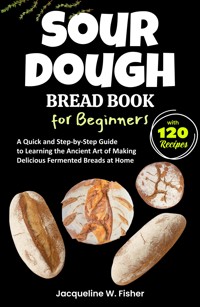
⭐️⭐️⭐️⭐️⭐️ Are you a fan of the enticing aroma of freshly baked bread? Are you searching for a convenient way to create delectable breads, cakes, and more in the comfort of your own kitchen? Look no further! ⭐️⭐️⭐️⭐️⭐️
Sourdough baking is a remarkable culinary craft. With just a few simple ingredients - flour, water, and salt - you can produce a remarkable, long-lasting delicacy boasting a robust flavor, inviting scent, tender interior, and crispy crust.
While sourdough baking may require a touch of experience, fear not! With expert guidance, you can effortlessly master this technique in your own kitchen, delighting your loved ones with every mouthwatering bite.
Introducing the "Sourdough Bread Book for Beginners," your ultimate resource for creating outstanding sourdough bread, pastries, and dough.
Within its pages, you'll discover:
🌿 Various techniques to craft awe-inspiring baked goods that will astound your guests
🥦 Essential rules that swiftly solve common challenges with ease and simplicity
🍅 A collection of 120 mouthwatering recipes, including breads, cakes, flatbreads, and more, ensuring a diverse array of options
🍇 And much, much more!
Are you ready to fill your home with the irresistible aroma of freshly baked bread?
✅ Scroll up and click on "Buy now" to experience the full potential of Sourdough Baking ✅
Das E-Book können Sie in Legimi-Apps oder einer beliebigen App lesen, die das folgende Format unterstützen:
Veröffentlichungsjahr: 2023
Ähnliche



















Sourdough Bread Book for Beginners
A Quick and Step-by-Step Guide to Learning the Ancient Art of Making Delicious Fermented Breads at Home
Jacqueline W. Fisher
Copyright © 2023 Jacqueline W. Fisher
All rights reserved. No part of this publication may be reproduced, distributed, or transmitted in any form or by any means, including photocopying, recording, or other electronic or mechanical methods, without the prior written permission of the publisher, except in the case of brief quotations embodied in critical reviews and certain other noncommercial uses permitted by copyright law.
Limit of Liability/Disclaimer of Warranty: While the publisher and author have used their best efforts in preparing this book, they make no representations or warranties with respect to the accuracy or completeness of the contents of this book and specifically disclaim any implied warranties of merchantability or fitness for a particular purpose. No warranty may be created or extended by sales representatives or written sales materials. The advice and strategies contained herein may not be suitable for your situation. You should consult with a professional where appropriate. Neither the publisher nor author shall be liable for any loss of profit or any other commercial damages, including but not limited to special, incidental, consequential, or other damages.
Contents
Introduction to Sourdough Baking
History of Sourdough
The Sourdough Science
Why is Sourdough Better?
Chapter 1: Sourdough Starter
What is Sourdough?
The Process of Making Sourdough
How to Make Your Own Sourdough Starter
Sourdough Starter Recipe for Beginners
Post-Production Care for Your Starter
Feeding a Sourdough Starter: A Simple Routine
Signs That Your Sourdough Starter Is Ready for Use?
Storage Options for Your Starter
Chapter 2: Working with Sourdough Ingredients
Learning to Measure Your Sourdough Ingredients
Important Baking Measuring Tools
How to Measure Liquid Ingredients
How to Measure Dry Ingredients
Measuring Tips and Hacks
Which Type of Flour Is Best for Sourdough?
Chapter 3: Sweet Sourdough Recipes
1. Rhubarb Bread with Jam
2. Cinnamon Bread with Lime Sauce
3. Apple and Lime Sourdough Bread
4. Banana Sourdough Bread
5. Avocado and Yogurt Sourdough Bread
6. Tasty Chocolate and Cherry Sourdough Bread
7. Dark Chocolate Sourdough Bread
8. Raisin and Cinnamon Sourdough Bread
9. Simple Rustic Sourdough Bread
10. Red Velvet Sourdough Cake with Frosting
11. Yummy Orange Sourdough Bread
12. Easy Chocolate Sourdough Loaf
13. Sourdough Bread with Muesli
14. Apple Sourdough Muffins
15. Simple Lime and Blueberry Sourdough Bread
16. Easy Rye Sourdough Bread
17. Ciabatta Sourdough Loaf
18. Sourdough Yoghurt Biscuits
19. Tasty Sandwich Sourdough Loaf
20. Oat and Seed Sourdough Bread
21. Simple Sourdough Pancake
22. Crispy Sourdough Pizza Crust
Chapter 4: Sandwich Sourdough Breads
23. Baked Sourdough Garlic Bread
24. Wheat Sourdough Sandwich Bread
25. Spelt Sandwich Sourdough Loaf
26. Cheesy Sourdough Sandwich Bread
27. Sourdough Sandwich Bread with Sauce
28. Vegan Spelt Sandwich Sourdough Bread
29. Red Spring Wheat Sourdough Loaf
30. Toasted Sourdough Berry Bread
31. Milky Sandwich Sourdough Loaf
32. Tomatoes Sandwich Sourdough Loaf
33. Keto-Nut Sourdough Bread
34. Corn Sandwich Sourdough Bread
35. Herb and Castelvetrano Olive Sourdough Bread
Chapter 5: Rustic Sourdough
36. Easy Beer Sourdough Bread
37. Rustic Amaranth Sourdough Loaf
38. Cheesy Jalapeno Sourdough Bread
39. Tasty Rustic Sourdough Bread
40. Easy Ethiopian Sourdough Flatbread
41. Cheesy Sourdough Crackers
42. Tasty Sourdough Blue Cheese Bread
43. Cheese and Garlic Sourdough Bread
44. Oat and Honey Sourdough Bread
45. Sourdough Bread with Instant Yeast
46. Kalamata Olive and Oregano Sourdough Bread
47. Kabocha Sourdough Bread
48. Sourdough Buttermilk Bread
49. Sourdough Dark Rye Bread
50. Crispy Pita Sourdough Bread
51. Irish Sourdough Bread
52. Soft Challah Sourdough Bread
53. Sour Rye Sourdough Bread
54. Grape Seed Sourdough Bread
55. Herb and Cheese Twisted Sourdough Bread
56. Baguettes Sourdough Loaf
57. Sourdough, Currants, and Raisin Bread
58. Easy Rosemary Sourdough Loaf
59. Yummy Potato Sourdough Bread
60. Simple Sourdough Dukkah Bread
61. Sourdough Raisins and Chocolate Bread
62. Soft Sourdough Ricotta Bread
Chapter 6: Flavored Sourdough
63. Artisan Honey Sourdough Bread
64. Soft Bauernbrot Sourdough Bread
65. Simple Sourdough Artisan Loaf
66. Spice and Banana Sourdough Bread
67. Sourdough Gluten-Free Bread
68. Crusty Country Sourdough Bread
69. Sourdough Bread Croutons
70. Sourdough, Honey, and Nut Bread
71. Sourdough Maple Syrup Bread
72. Pre-dough Sourdough Baguette
73. Berry Sourdough Scones with Lime Glaze
74. Olives and Thyme Sourdough Bread
75. Sourdough Sesame Seed Bread
76. Cheese and Walnut Sourdough Bread
77. Sourdough Pulls Apart Parsley and Cheese Bread
78. Roasted Garlic Sourdough Bread
79. Sourdough, Chive, and Cheddar Bread
80. Sourdough Sesame Seed Bread
81. Sourdough, Garlic and Butter Bread
82. Soft Sourdough Sweet Potato Rolls
83. Sourdough Soft Pretzels
84. Crispy Sourdough Pizza Crust
85. Buttery Sourdough Crackers
86. Cheesy and Herb Sourdough Rolls
87. Parmesan Cheese Sourdough Bread
88. Soft Vegan Pumpkin Sourdough Bread
89. Oat and Honey Sourdough Bread
90. Garlic and Cheese Sourdough Loaf
91. No Knead Sourdough, Olives, and Tomato Bread
92. Zucchini Sourdough Fritters
93. Mint and Strawberry Sourdough Scones
Chapter 7: Whole Grain Sourdough Bread
94. Sourdough Whole Wheat Bread
95. Pumpkin and Rye Sourdough Bread
96. Sourdough Whole Wheat Rolls
97. Quinoa and Zaatar Sourdough Bread
98. Swirl Vanilla and Cocoa Sourdough Bread
99. Lime Sourdough Cookies
100. Sourdough, Rye, and Spelt Bread
101. Sourdough Flaxmeal Bread
102. Flaxseed and Date Sourdough Bread
103. Sourdough Honey and Rye Bagel
104. White Sesame and Brown Rice Sourdough Bread
105. Whole Wheat Sourdough Tortillas
106. Soft Sourdough Roti
107. Corn and Bacon Sourdough Bread
108. Wheat and Garlic Sourdough Focaccia
109. Whole Wheat and Rye Sourdough Bread
110. Rye and Wheat Gluten Sourdough Bread
111. Whole Wheat and Onion Sourdough Bread
Bonus Chapter
112. Sourdough Crusty Rolls
113. Sourdough Pancakes with Berries
114. Carrot and Pineapple Sourdough Cake with Frosting
115. Skillet Sourdough Hamburger
116. Sourdough Pudding with Pecan
117. Apple Sourdough Bread with Glaze
118. Sourdough Milky Gozleme
119. Cheesy Sourdough Toast with Kale Pesto
120. Sourdough Sausage and Cheese Casserole
Introduction to Sourdough Baking
Sourdough bread baking is a delightful and rewarding culinary art that has been practiced for centuries. In this book, we will explore the fascinating world of sourdough bread, from its origins to the unique process of fermentation that gives it its distinctive flavor and texture.
Sourdough bread has a rich history dating back to ancient civilizations. Its origins can be traced back to Egypt, where the first evidence of sourdough fermentation was found. From there, it spread across Europe and eventually made its way to the Americas. Today, sourdough bread is enjoyed by people all over the world for its tangy taste and rustic appeal.
What sets sourdough bread apart from conventional bread is its natural leavening process. Instead of using commercial yeast, sourdough relies on a mixture of flour and water that ferments over time. This mixture, known as a sourdough starter or culture, contains wild yeasts and bacteria that break down the starches in the flour, producing carbon dioxide and creating bubbles that give the bread its airy structure.
The fermentation process in sourdough bread not only contributes to its unique flavor but also enhances its nutritional profile. The beneficial bacteria and enzymes produced during fermentation help to break down gluten and other complex molecules, making the bread easier to digest. Additionally, sourdough bread has a lower glycemic index compared to commercial bread, making it a healthier option for those watching their blood sugar levels.
Baking sourdough bread is a labor of love that requires patience and skill. From feeding and maintaining the sourdough starter to shaping and scoring the dough, every step in the process is crucial to achieving the desired result. The art of sourdough bread baking is a journey that allows bakers to connect with tradition, experiment with flavors and textures, and create something truly special.
Sourdough bread baking is a fascinating and rewarding endeavor that combines history, science, and creativity. Whether you're a seasoned baker or just starting out, exploring the world of sourdough bread will open up a realm of possibilities that will delight your senses and nourish your body. So roll up your sleeves, dust off your apron, and embark on a delicious journey into the world of sourdough bread baking.
History of Sourdough
Bread, once considered the fundamental sustenance of life, has undergone significant changes over time. Its transformation from a simple mixture of flour and water into a beloved global staple is a fascinating journey. The ancient Egyptians are believed to have been the first to realize that a combination of flour and water could ferment and rise to create bread.
Interestingly, bakeries and breweries were often located side by side, and it is likely that beer mash found its way into bread, resulting in a delightful revelation. This discovery led to the practice of reserving a portion of dough for future batches, ensuring consistently delicious loaves.
Similar techniques were developed in regions where grains like rye, barley, and wheat was abundant. These unique starters were treasured for their exceptional flavor and rising capabilities, with families passing them down through generations. As a result, bread became an integral part of local cultures, from German pumpernickel to Egyptian pita and Russian black bread.
Although sourdough starters and bread have been around for millennia, the term "sourdough" itself originated during the California Gold Rush in the late 1800s. As gold miners flocked to San Francisco for supplies before venturing into the mountains, a reliable bread starter became an essential commodity.
The starters from that region produced bread with a distinctively tangy flavor, earning them the moniker "sourdough." Over time, this term has come to encompass any naturally leavened bread starter. So, if you're interested, you can explore our sourdough starter for sale!
The Sourdough Science
Sourdough is a unique type of bread characterized by its complex blend of bacteria and yeast. Unlike commercial baking yeast, which is a single strain of Saccharomyces cerrivasae, sourdough contains strains of Saccharomyces exiges, a relative of S. cerrivasae. These yeasts are naturally found on the surfaces of vegetables, fruits, grains, and even in the air and soil.
In a healthy sourdough starter, lactobacilli and yeast coexist in a mutually beneficial relationship. The yeast utilizes carbohydrates from the grains to produce carbon dioxide and ethanol, which create bubbles that make the dough rise. The lactobacilli, on the other hand, convert the ethanol into lactic acid. This symbiotic interaction gives sourdough its distinct tangy flavor and helps preserve the bread even after baking.
The acidity created by the lactobacilli also creates an inhospitable environment for other organisms, making sourdough naturally resistant to spoilage. This unique combination of bacteria and yeast, along with the natural fermentation process, contributes to the rich texture and flavor of sourdough bread. So, next time you enjoy a slice of sourdough, appreciate the intricate dance of microorganisms that make it possible.
Why is Sourdough Better?
There are several advantages to choosing sourdough over other bread options.
Sourdough Aids Natural Preservation of Bread
During the fermentation process, lactic acid imparts a delightful tang to the bread and pre-digests the grain. In addition, acetic acid inhibits mold growth, extending the shelf life of the bread.
Sourdough Enhances Gluten Digestion
The extended fermentation time for sourdough bread allows gluten proteins to break down into amino acids, facilitating easier digestion. This characteristic makes sourdough wheat breads more tolerable for individuals with gluten sensitivities.
Sourdough Boosts Nutritional Value
The fermentation process of sourdough bread consumes many of the simple sugars in the grain, resulting in a bread with a lower impact on blood sugar levels. Furthermore, fermentation enhances the bread's nutrient content, particularly B vitamins.
Sourdough Embraces Sustainability
Utilizing the sourdough process empowers you to create bread using basic ingredients, some of which can even be self-produced. Instead of relying on store-bought yeast packets for each loaf, you can incorporate your homemade starter, eliminating the need to remember to purchase yeast.
Last but not least, phytase, an enzyme that degrades phytic acid, an anti-nutrient present in seeds and grains, is activated by the bacteria in sourdough. Because phytic acid has less of a tendency to bond with minerals and inhibit the body from eliminating them, your body will be able to absorb minerals more effectively.
Chapter 1: Sourdough Starter
Learn how to create a sourdough starter at home with just flour, water, and a little patience. With your own active starter, you can make delicious sourdough bread, pizza crust, focaccia, and more. Don't let the idea of creating a starter from scratch intimidate you; it's easier than you think!
The starter is the key ingredient for all sourdough baking, and without it, your bread won't rise. In this chapter, I will simplify the process and provide step-by-step instructions to help you create your own sourdough starter. Once you have your starter, the possibilities for sourdough bread recipes are endless.
What is Sourdough?
Sourdough bread is made using a natural leavening process, as opposed to commercial yeast. It utilizes a mixture called a "starter," which is made of water and fermented flour. This starter contains beneficial bacteria and wild yeast, which help the bread rise. As a result, sourdough bread has a distinct tangy taste and a slightly chewy texture. Unlike commercial yeast, wild yeast adds more flavor to the bread and doesn't contain any additives. This natural approach to leavening enhances the overall taste and quality of sourdough bread.
The Process of Making Sourdough
When it comes to making basic sourdough, simplicity is key. The foundation of this bread consists of three essential ingredients: flour, salt, and water. The flour used in this recipe is strong white bread flour, as it is readily available and easy to work with. However, if you have difficulty finding it, you can also use strong wholemeal bread flour. As for the water, tap water will suffice, eliminating the need to spend extra on mineral water. When it comes to salt, opt for fine, pure sea salt if possible. However, any type of cooking salt, except for rock salt, can be used. If you have rock salt, make sure to crush it before incorporating it into your dough.
In this basic recipe, you can experiment with different flours without altering the water quantity or the method. For seeded, granary, whole meal, or malted flour, use 350g of strong white bread flour and 150g of the other flour, resulting in a total of 500g. If you prefer Khorasan, buckwheat, emmer, spelt, or rye flour, combine 400g of strong white bread flour with 100g of the other flour, maintaining a total of 500g. Keep in mind that different flours have varying levels of absorbency, so you may need to adjust the water amount accordingly. Once you become familiar with the desired dough texture, making adjustments will become second nature.
The beauty of basic dough lies in its versatility. It serves as a blank canvas for endless possibilities. Feel free to incorporate your favorite flavors and ingredients by scattering them over the dough or adding them during the final two folds. From herbs, olives, grains, nuts, and seeds to dried fruit, cheese chunks, and chilies, the choice is yours to create a truly unique and flavorful sourdough.
How to Make Your Own Sourdough Starter
A sourdough starter is a live fermented culture composed of water and fresh flour that is used to create bread dough without the need for commercial yeast. This starter is made by combining the water and flour and allowing it to ferment, which cultivates the natural yeasts present in the environment. The yeast is present all around us and is often found in flour bags and on our hands.
Creating a sourdough starter from scratch may take up to 7 days, starting with a whole wheat flour mixture and then feeding it with all-purpose flour to cultivate the yeast and bacteria. The starter is ready to use when it has doubled in size and has bubbles on the surface and throughout the culture. It's not uncommon for the starter to take up to two weeks or more to become active.
Despite the time needed, creating a sourdough starter is not difficult. It involves adding flour and water to a jar, feeding it with more flour and water over time, and waiting for it to become bubbly and double in size. So, don't overthink it; just stick to the instructions in this section and follow the steps.
Sourdough Starter Recipe for Beginners
To make your own sourdough starter, you'll need the following supplies and ingredients:
Ingredients
To create the starter, you need the following:
1/4 cup (60g) water
1/2 cup (60g) flour, whole wheat
Ingredients for feeding the starter every day (Days 3–7):
1/4 cup (60g) water
1/2 cup (60g) bread flour or all-purpose flour, unbleached
Supplies
3/4-liter jar
For best results, use regular, unbleached all-purpose flour and filtered or tap water.
Direction
On Day 1, combine the warm water and whole wheat flour in a big jar and mix until smooth. Cover it and leave it in a warm place for 24 hours.
On Day 2, look for surface bubbles, indicating fermentation. If no bubbles are visible, don't worry and leave it in a warm place for 24 more hours. If you see a brown liquid called "hooch," don't panic; just leave it for now and discard it on the third day when you begin to feed.
On Day 3, take out and get rid of about half of the starter, then add water and all-purpose flour. Mix until the mixture is smooth, and leave it to rest for 24 more hours.
On Days 4, 5, and 6, continue feeding like you did on Day 3. Take out and throw away half of the starter, and then replenish it with 60 grams of warm water and 60 grams of all-purpose flour. As the yeast grows, your starter will rise, and bubbles will appear on the surface and throughout the culture. It's time to feed it again once the starter falls. A piece of masking tape or rubber band wrapped around the jar can be used to gauge the starter's growth.
On Day 7, your sourdough starter ought to have doubled in size and produced a good number of little and large bubbles. It should smell nice, not like stench from the gym, and be fluffy and spongy. Your starter is now active if the above conditions are satisfied. Your sourdough starter needs to be moved to a clean jar.
Post-Production Care for Your Starter
Similar to any living organism, it is essential to provide regular nourishment to keep it alive and maintain its vitality. If your starter lacks strength, your bread won't undergo proper fermentation.
Taking care of your starter is simpler than you may imagine and doesn't require a significant time investment. Remember to feed your starter before making bread dough and regularly maintain it to ensure its longevity.
Feeding a Sourdough Starter: A Simple Routine
To nourish your sourdough starter, follow these steps:
Start by discarding approximately half of your starter.
Replace the discarded portion with fresh all-purpose flour and water in the jar.
Loosely cover the jar and allow the mixture to rise at room temperature until it becomes bubbly and doubles in size. As it falls, the bubbles will transform into a frothy texture and eventually disappear, indicating that it's time to feed your starter once more.
If you store your starter at room temperature, make sure to feed it daily. However, if you refrigerate it, feeding it once a week will suffice.
Remember, even if you miss a feeding, don't sweat it. Your starter won't perish. It might appear unattractive and emit an unpleasant odor, but with a few feedings, it will regain its vitality.
Signs That Your Sourdough Starter Is Ready for Use?
To determine if your starter is ready, look for the following indications:
Presence of bubbles, both small and large, on the surface and throughout the culture
The starter should grow in size, approximately doubling its original bulk.
A pleasant aroma should be noticeable, without any resemblance to nail polish remover, gym socks, or rubbing alcohol.
The texture should be fluffy or spongy.
If you're having difficulty identifying these signs, consider using a rubber band around the base of the jar to measure the growth of the starter. Alternatively, you can perform the float test: place a small amount of starter in a glass of water. If it floats to the top, it's ready for use.
Storage Options for Your Starter
Once you have established your starter, you have two options for storage.
Option 1: If you do not bake as often, it is recommended to store your starter in the refrigerator with a lid covering it. In this instance, feeding it just needs to be done once a week or so to maintain its strength while not in use. When you want to use the starter, simply feed it at room temperature to revive it. No need to warm it up beforehand; you can feed it cold and return it to the fridge right after.
Option 2: Storing at room temperature can accelerate fermentation, resulting in a bubbly and active starter that is ready to use more quickly. If you bake frequently, it is advisable to store your starter at room temperature. To maintain its vitality, feed it one to two times a day, depending on the speed of its rise and fall.
Chapter 2: Working with Sourdough Ingredients
Learning to Measure Your Sourdough Ingredients
If you're embarking on your sourdough journey or aiming to improve your baking skills, it's crucial to understand the importance of accurate ingredient measurement.
The key to achieving the perfect loaf lies in using the precise amount of ingredients. While experienced bakers may rely on intuition, for the best results, you should be precise when baking sourdough bread.
The science behind a recipe and its ingredients demands constant practice and accurate measurement. Guesswork can lead to disappointing results, especially with sourdough bread.
By utilizing proper techniques and measuring tools, you can consistently achieve correct ingredient measurement, resulting in visually appealing and delicious baked goods. Remember, even a mere gram of flour can make the difference between success and failure in a recipe.
Important Baking Measuring Tools
When it comes to baking, having the right measuring tools is crucial. These tools are necessary for ensuring accurate and precise measurements of ingredients. Here's a list of essential measuring tools for baking:
Dry-Ingredient Measuring Cups
Whether you're indulging in a leisurely Sunday sourdough baking session or stepping into the competitive world of a bake-off, there's no denying the importance of dry measuring cups in every baker's arsenal. These essential tools come in standard sizes of 1/4 cup, 1/3 cup, 1/2 cup, and 1-cup, designed to be filled to the brim for precise measurements. Perfect for dry ingredients like cocoa powder, oats, sugar, flour, and more, these cups ensure accurate proportions. Opting for stainless steel is a wise choice, as it offers durability and can withstand the heat of the dishwasher.
Liquid Measuring Cups
Liquid measuring cups are crucial tools for baking, as they allow you to accurately measure both dry and liquid ingredients. Understanding the difference between measuring liquid and dry ingredients is essential for mastering the art of baking. When it comes to liquid cups, you'll notice that they have measuring lines below the rims. This design feature ensures that there is enough space for the ingredients to move without spilling over the countertop. Liquid measuring cups typically come in various sizes, including 8-cup, 4-cup, 2-cup, and 1-cup measures.
To achieve precise measurements, follow these steps:
Fill the measuring cup with the liquid.
Place the cup on a level surface.
Position yourself at eye level with the measuring line. This allows you to accurately align the line with the liquid ingredient.
Digital Kitchen Scale
When it comes to baking, a digital kitchen scale is an essential tool. It removes any guesswork and ensures precise measurements, which is particularly important in baking. Unlike volume measurements, which can be imprecise, weighing ingredients provides greater accuracy. While it is ideal for measuring flour, a digital scale can also be used for other ingredients like chocolate when making sourdough. By using a scale, you eliminate the need for multiple measuring tools as you can directly weigh your liquids and dry ingredients in a single bowl.
For the best results, consider purchasing a digital scale that offers measurements in pounds, ounces, kilograms, or grams. Look for a scale that resets to zero easily, allowing you to measure consecutive ingredients without any hassle. Additionally, choosing a scale with an auto shut-off feature of at least three minutes prevents the need to restart the measurement process if it turns off.
Measuring Spoons
A set of measuring spoons is an essential tool in any kitchen. These spoons usually come in 1 tablespoon, 1 teaspoon, 1/2 teaspoon, and 1/4 teaspoon sizes, allowing for precise measurement of both liquid and dry ingredients. Unlike measuring cups, measuring spoons are versatile and can be used for both dry and wet ingredients. Many people find it convenient to have two sets of measuring spoons on hand, using one set specifically for wet ingredients such as honey, milk, and water, and the other set for dry ingredients like baking soda, sugar, and flour. For accuracy and durability, stainless steel spoons are recommended.
Oven Thermometer
Although all ovens have temperature settings, it is not unusual for them to run too cold or too hot. To achieve perfect results in your cooking, using an oven thermometer is the only way to accurately gauge the temperature of your oven. This will ensure that your recipes are cooked to perfection every time.
How to Measure Liquid Ingredients
Measuring liquids accurately is crucial to baking. To ensure precise measurements, follow these steps:
Pour the liquid into a liquid measuring cup.
Place the cup on a level surface.
Get in a squat so that the measuring line touches the liquid at eye level.
You've measured the ingredients correctly if the liquid can be seen at eye level.
Here's a helpful tip: to prevent sticky liquids from sticking to your spoon when measuring them, such as honey, mist the spoon with oil spray.
How to Measure Dry Ingredients
When it comes to measuring dry ingredients, there are a few simple steps you can follow to ensure accuracy in your recipes. Let's take a look at how you can do this using both measuring spoons and measuring cups.
Measuring Spoons:
Fill the spoon until it's full and overflowing. For fluffy and light ingredients like flour, use another scoop or spoon to fill the measuring spoon until it's full and overflowing.
Use a knife to level it off. Level off the measuring spoon by running the flat edge of a knife over its top. This will provide an accurate amount of ingredients.
Measuring Cups:
Fill the cup until it's full and overflowing. For dry ingredients like flour, spoon the ingredient into the measuring cup until it's full and overflowing.
Use a knife to level it off. Use a knife to level off the top of the measuring cup and ensure accuracy in your measurements.
Measuring Tips and Hacks
Avoid scooping with the measuring cup and shake off excess when using measuring cups to measure light, dry substances like baking powder, spices, and flour. As a result, the ingredient will become more tightly packed, and you could find yourself using more of it than you require.
On the other hand, since more substantial dry ingredients, such as granulated sugar, do not pack as much as lighter dry ingredients, you can scoop using the cup instead of using a spoon to get everything into your measuring cup.
You can use your measuring spoon to scoop items like granulated sugar, salt, or other heavier ingredients. Make sure you understand if the item that you're using is liquid or dry. Certain ingredients, like peanut butter and yogurt, may surprise you as they are classified as dry ingredients because they cannot be poured like liquids.
Which Type of Flour Is Best for Sourdough?
One of the joys of baking sourdough bread is the flexibility to use a variety of flours derived from wheat or other cereal grains. Patience and the right conditions are key to bringing your sourdough starter to life.
However, it's important to note that each flour type will have a unique impact on your starter's development and the outcome of your baking. Adjusting hydration levels may also be necessary.
There is no single answer to the question of which flour is best for sourdough. For beginners, however, starting with strong white bread flour made from wheat is a good idea. This flour has high levels of protein, a moderate water absorption rate, and a fine texture, resulting in:
Excellent gluten development
Dough that's easy to knead and shape
A substantial rise in the oven
When it comes to creating a sourdough starter, any flour that contains starch will do the trick. The key is to provide the microbes with the sugar they need to thrive. While flours rich in gluten, like wheat, rye, einkorn, and spelt, tend to yield the best results, gluten-free options can also be used with a little extra assistance in the beginning. These include teff, brown rice, amaranth, and buckwheat flours, which may require a boosted starter to get going. Here are some popular choices for sourdough flours:
Rye flour
Strong white bread flour
Whole wheat (whole meal) flour
Buckwheat flour
Einkorn flour
All-purpose flour
Spelt flour
Emmer flour
After mastering the fundamentals of sourdough bread-making and achieving a level of expertise with your technique, it's time to explore the world of alternative flours.




