


4,99 €
Mehr erfahren.
- Herausgeber: Albatross Publishing Art
- Kategorie: Ratgeber
- Sprache: Englisch
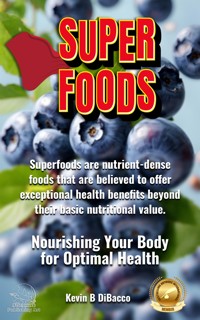
"Superfoods Guide: The Power of Superfoods: Nourishing Your Body for Optimal Health" by Kevin B DiBacco is an extensive resource that delves into the world of nutrient-dense foods and their potential to transform health. The book begins by defining superfoods and explaining their nutrient density, then categorizes them into groups such as berries, leafy greens, nuts, and exotic superfoods.
DiBacco explores the myriad health benefits of superfoods, including their antioxidant properties, anti-inflammatory effects, and potential to prevent chronic diseases. The guide provides scientific backing for these claims while remaining accessible to the average reader.
The book offers practical advice on incorporating superfoods into daily diets, with specific recommendations for addressing various health concerns such as heart health, brain function, and digestive issues. It covers an impressive array of superfoods, from common fruits and vegetables to lesser-known items like maca root and spirulina.
Throughout the guide, DiBacco emphasizes a balanced approach to nutrition, encouraging readers to view superfoods as part of a holistic healthy lifestyle. The book concludes with a summary of key superfoods and their benefits, empowering readers to make informed choices about their nutrition for optimal health and wellbeing.
Das E-Book können Sie in Legimi-Apps oder einer beliebigen App lesen, die das folgende Format unterstützen:
Veröffentlichungsjahr: 2024
Ähnliche




















SUPERFOODS
GUIDE
The Power of Superfoods:
Nourishing Your Body for Optimal Health
Kevin B DiBacco
Copyright © 2024 by Kevin B. DiBacco All rights reserved.
No part of this book may be reproduced in any form without written permission from the publisher
or author, except as allowed by U.S. copyright law.
DISCLAIMER
No part of this publication may be reproduced in any form or by any means, including printing, scanning, photocopying, or otherwise, without the prior written permission of the copyright holder. The author has tried to present information that is as correct and concrete as possible. The author is not a medical doctor and does not write in any medical capacity. All medical decisions should be made under the guidance and care of your primary physician. The author will not be held liable for any injury or loss that is incurred to the reader through the application of the information here contained in this book. The author emphasizes that the medical field is fast evolving with newer studies being done continuously, therefore the information in this book is only a researched collaboration of accurate information at the time of writing. With the ever-changing nature of the subjects included, the author hopes that the reader will be able to appreciate the content that has been covered in this book. While all attempts have been made to verify each piece of information provided in this publication, the author assumes no responsibility for any error, omission, or contrary interpretation of the subject present in this book. Please note that any help or advice given hereof is not a substitution for licensed medical advice. The reader accepts responsibility in the use of any information and takes advice given in this book at their own risk. If the reader is under medication supervision or has had complications with health-related risks, consult your primary care physician as soon as possible before taking any advice given in this book.
“The information and advice contained in this book are based upon the research and the personal and professional experiences of the author. They are not intended as a substitute for consulting a healthcare professional. The publisher and author are not responsible for any adverse effects or consequences resulting from the use of the suggestions, preparations, or procedures discussed in this book. All matters pertaining to your physical health should be supervised by a healthcare professional.”
SUPERFOODS
GUIDE
The Power of Superfoods:
Nourishing Your Body for Optimal Health
What Are Superfoods?
The Nutrient Density of Superfoods
Common Categories of Superfoods
The Health Benefits of Superfoods
The Science Behind Superfoods
Incorporating Superfoods into Your Diet
Water is our Body's Lifeblood
You Really Are What You Eat
You Say Tomato – I Say Superfood
6 Superfoods For Age-Defying Beauty!
Barley: An Ancient Super Food Rediscovered
Blueberry As a Superfood According to Skin Care Experts
Color Your Way to Daily Health
Flush the Fat with Smart Food Choices
Getting Your Nutrition from Real Food is a Good Habit for Life
Hay Diet Treats Chemical Condition of the Body
Healthy Diet Essentials
Jump for Joy and Juice
Macrobiotic Diet Helps Balance Your Diet and Your Life
Nutrition The Super Foods That Keep You Healthy
Nutritional Hope for Schizophrenic Patients
Organic Foods Equal Improved Health
Prevention is Worth a Pound of Cure
Raw Foods Diet is Beneficial to Your Health
Stick to Your Calorie Budget With Holiday 'Superfoods'
Super Foods for Super Health
Super Foods for Super Weight Loss
Super Solutions for Crohn's Patients
Super Strategies for Stamping Out Acne
Superfoods for a Smooth Transition into Menopause
Superfoods for a Spiffy Circulatory System
Superfoods for a Super Long Life
Superfoods for a Super Pregnancy
Superfoods for a Superior Thyroid
Superfoods for Conquering the Pain of Arthritis
Superfoods for Erectile Dysfunction
Superfoods for Fighting the Flu
Superfoods for Getting Over Food Poisoning
Superfoods for Healthy and Natural Conception
Superfoods for Healthy Hair
Superfoods for healthy prostate
Superfoods for Hives Relief
Superfoods for Relief from Chronic Fatigue
Superfoods for Sinusitis Relief
Superfoods for Super Bones
Superfoods for Super Sex
Superfoods for Super Skin
Superfoods for your Brain
Superfoods that Battle the Herpes Virus
Superfoods that Fight Cancer
Superfoods that Fight Depression
Superfoods that help heartburn
Superfoods that Really Get You Moving
Superfoods that Squash Stress
Superfoods to Alleviate Symptoms of Gout
Superfoods to Combat Cirrhosis of the Liver
Superfoods to Fend off Alzheimer's Disease
Superfoods to Fight Flatulence
Superfoods To Help You Manage Menopause
Superfoods to Help You Manage Your Monthly Menstruation
Superfoods to Rejuvenate Body Mind and Spirit
Superfoods to Stomp out a Cold
Superfoods with your Heart in Mind
The 12 Super Foods That Better Your Health
Why This Book is Your Essential Superfood Guide
In the quest for optimal health and wellness, the term "superfood" has become increasingly popular in recent years. But what exactly are superfoods, and why have they captured the attention of health enthusiasts, nutritionists, and researchers alike? This introduction will delve into the world of superfoods, exploring their definition, benefits, and the science behind their potential to transform our health.
What Are Superfoods?
Superfoods are nutrient-dense foods that are believed to offer exceptional health benefits beyond their basic nutritional value. While there's no official scientific definition, superfoods are generally characterized by their high concentration of vitamins, minerals, antioxidants, healthy fats, and other beneficial compounds. These foods are often plant-based, but some animal products and fungi are also included in this category.
It's important to note that the term "superfood" is primarily a marketing term rather than a scientific classification. However, the foods that fall under this umbrella are indeed nutritional powerhouses that can contribute significantly to a healthy diet.
The Nutrient Density of Superfoods
What sets superfoods apart is their nutrient density. This means they pack a high concentration of beneficial nutrients into relatively small servings. For example, a handful of blueberries contains a wealth of antioxidants, while a small serving of salmon provides a substantial amount of omega-3 fatty acids. This nutrient density allows people to efficiently incorporate essential vitamins, minerals, and other beneficial compounds into their diets without consuming excessive calories.
Common Categories of Superfoods
Superfoods come in various forms and can be categorized based on their primary nutritional offerings:
1. Berries and Fruits: Rich in antioxidants and vitamins (e.g., blueberries, acai, goji berries)
2. Leafy Greens: High in vitamins, minerals, and phytonutrients (e.g., kale, spinach, Swiss chard)
3. Nuts and Seeds: Packed with healthy fats, protein, and minerals (e.g., almonds, chia seeds, flaxseeds)
4. Fatty Fish: Excellent sources of omega-3 fatty acids and high-quality protein (e.g., salmon, sardines, mackerel)
5. Whole Grains: Rich in fiber, B vitamins, and minerals (e.g., quinoa, oats, buckwheat)
6. Legumes: High in plant-based protein and fiber (e.g., lentils, chickpeas, black beans)
7. Cruciferous Vegetables: Contain potent anti-cancer compounds (e.g., broccoli, cauliflower, Brussels sprouts)
8. Herbs and Spices: Concentrated sources of antioxidants and anti-inflammatory compounds (e.g., turmeric, ginger, garlic)
9. Fermented Foods: Rich in probiotics for gut health (e.g., yogurt, kefir, sauerkraut)
10. Exotic Superfoods: Often sourced from traditional diets around the world (e.g., spirulina, maca root, cacao)
The Health Benefits of Superfoods
Incorporating superfoods into your diet can offer a wide range of potential health benefits. While individual superfoods have their unique properties, here are some of the general benefits associated with consuming a variety of these nutrient-dense foods:
1. Antioxidant Protection
Many superfoods are rich in antioxidants, which help protect our cells from damage caused by free radicals. This oxidative stress is linked to various chronic diseases, including cancer, heart disease, and premature aging. Berries, leafy greens, and dark chocolate are particularly high in antioxidants.
2. Reduced Inflammation
Chronic inflammation is at the root of many health issues, from arthritis to heart disease. Many superfoods, such as fatty fish, turmeric, and green tea, have potent anti-inflammatory properties that may help reduce systemic inflammation in the body.
3. Heart Health Support
Numerous superfoods contribute to cardiovascular health. For example, the omega-3 fatty acids in fish like salmon can help lower blood pressure and reduce the risk of heart disease. The fiber in whole grains and legumes can help manage cholesterol levels, while the potassium in avocados supports healthy blood pressure.
4. Improved Digestive Health
Many superfoods are rich in fiber and probiotics, which are crucial for maintaining a healthy digestive system. Fermented foods like yogurt and kimchi provide beneficial bacteria that support gut health, while fiber-rich foods like chia seeds and lentils promote regular bowel movements and feed beneficial gut bacteria.
5. Enhanced Brain Function
Some superfoods are known for their potential to boost cognitive function and protect brain health. For instance, the flavonoids in blueberries have been linked to improved memory and reduced risk of cognitive decline. The omega-3 fatty acids in fatty fish are crucial for brain health and may help reduce the risk of neurodegenerative diseases.
6. Strengthened Immune System
Many superfoods are packed with vitamins and minerals that support immune function. Citrus fruits are high in vitamin C, while Brazil nuts are an excellent source of selenium, both of which play crucial roles in immune health. The antioxidants in many superfoods also contribute to a robust immune system.




