


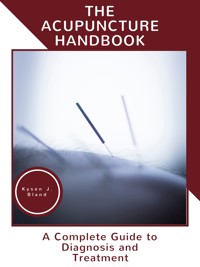
5,99 €
Mehr erfahren.
- Herausgeber: Shuttle Systems Ltd
- Kategorie: Ratgeber
- Sprache: Englisch
"Discover the ancient art of acupuncture and its modern-day applications."
"The Acupuncture Handbook: A Complete Guide to Diagnosis and Treatment" is your ultimate resource to unlock the healing potential of acupuncture. Discover the ancient art of acupuncture and its modern-day applications, and learn how to balance your body's energy to promote overall wellness.
This comprehensive guide covers a wide range of topics, including the history and philosophy of acupuncture, the concept of Qi and meridians, acupuncture techniques and tools, and the science behind acupuncture's effectiveness.
With chapters on pain relief, emotional and mental health, digestive issues, respiratory health, women's and men's health, sleep and insomnia, immune system support, weight management, skin health, addiction and recovery, sports performance, aging and longevity, and many more, this book provides a complete roadmap to achieve optimal health with acupuncture.
This book also includes personal stories from experienced practitioners and patients, frequently asked questions, and tips for finding the right acupuncturist and preparing for your acupuncture session.
Whether you're new to acupuncture or an experienced practitioner, "The Acupuncture Handbook" is an essential guide to unlock the transformative power of acupuncture, and maintain long-term health benefits. Get your copy today and start your journey to a healthier you!
Das E-Book können Sie in Legimi-Apps oder einer beliebigen App lesen, die das folgende Format unterstützen:
Veröffentlichungsjahr: 2023
Ähnliche













Created by Xspurts.com
All rights reserved.
Copyright © 2005 onwards .
By reading this book, you agree to the below Terms and Conditions.
Xspurts.com retains all rights to these products.
No part of this book may be reproduced in any form, by photostat, microfilm, xerography, or any other means, or incorporated into any information retrieval system, electronic or mechanical, without the written permission of Xspurts.com; exceptions are made for brief excerpts used in published reviews.
This publication is designed to provide accurate and authoritative information with regard to the subject matter covered. It is sold with the understanding that the publisher is not engaged in rendering legal, accounting, health, relationship or other professional / personal advice. If legal advice or other expert assistance is required, the services of a competent professional should be sought.
A New Zealand Made Product
Get A Free Book At: go.xspurts.com/free-book-offer
––––––––
Table of Contents
The History and Philosophy of Acupuncture
Ancient roots and cultural significance
The development of acupuncture over time
Understanding Qi and Meridians
The concept of Qi in Traditional Chinese Medicine (TCM)
The meridian system and its role in acupuncture
Acupuncture Techniques and Tools
Different types of acupuncture needles
Moxibustion, cupping, and other complementary techniques
The Science Behind Acupuncture
Current research and understanding of acupuncture's effectiveness
Debunking common acupuncture myths
Acupuncture for Pain Relief
Treating headaches and migraines
Managing chronic pain conditions
Acupuncture for Emotional and Mental Health
Reducing stress and anxiety
Treating depression and mood disorders
Acupuncture for Digestive Issues
Addressing gastrointestinal disorders
Promoting healthy digestion
Acupuncture for Respiratory Health
Treating asthma and allergies
Supporting lung health
Acupuncture for Women's Health
Addressing fertility and menstrual issues
Easing menopause symptoms
Acupuncture for Men's Health
Supporting prostate health
Enhancing sexual health and performance
Acupuncture for Sleep and Insomnia
Understanding the connection between sleep and TCM
Techniques for improving sleep quality
Acupuncture for Immune System Support
Strengthening immunity and overall wellness
Managing autoimmune conditions
Acupuncture for Weight Management
Understanding the role of TCM in weight control
Techniques for promoting healthy weight loss
Acupuncture for Skin Health
Treating common skin issues
Promoting healthy, radiant skin
Acupuncture for Addiction and Recovery
Supporting detoxification and withdrawal
Addressing cravings and relapse prevention
Acupuncture for Athletes and Sports Performance
Enhancing athletic performance
Accelerating injury recovery
Acupuncture for Aging and Longevity
Promoting healthy aging
Addressing age-related health concerns
Choosing the Right Acupuncturist
What to look for in an acupuncture practitioner
Tips for finding the right fit
Preparing for Your Acupuncture Session
What to expect during your first appointment
Tips for maximizing treatment benefits
The Future of Acupuncture and Integrative Medicine
The growing role of acupuncture in healthcare
The future of research and innovation in the field
Frequently Asked Questions About Acupuncture
Common misconceptions and concerns
Answers from experienced practitioners
Personal Stories: Acupuncture Success Stories
Real-life experiences of acupuncture patients
The transformative power of acupuncture treatment
Unraveling the Mysteries of Acupuncture: A User's Guide to the Magic
The Light-hearted Side of Healing
The Acupuncture Encounter with ChatGPT
Acupuncture for Children and Adolescents
Adapting acupuncture treatments for younger patients
Addressing common childhood health issues
Acupuncture for Pregnancy and Postpartum Care
Supporting a healthy pregnancy
Easing postpartum recovery
Acupuncture for Chronic Fatigue and Energy Boost
Understanding the TCM perspective on energy and fatigue
Techniques for revitalizing energy levels
Acupuncture for Eye Health
Addressing common eye conditions
Supporting vision and overall eye health
Acupuncture for Dental and Oral Health
Treating TMJ, tooth pain, and other oral health issues
Promoting overall dental well-being
Acupuncture for Animal Health
Understanding veterinary acupuncture
The benefits of acupuncture for pets
Acupuncture and Cancer Care
Supporting patients through cancer treatment
Addressing side effects and improving quality of life
Acupuncture for Stroke Rehabilitation
Enhancing recovery from stroke and brain injuries
Supporting long-term neurological health
Acupuncture for Hormonal Balance
Understanding the TCM perspective on hormonal health
Techniques for restoring hormonal balance
Combining Acupuncture with Western Medicine
The benefits of an integrative approach to healthcare
Collaborating with other healthcare providers
Acupuncture and the Environment
The ecological impact of acupuncture practices
Sustainable practices in TCM
Acupressure and Self-Care Techniques
Understanding the principles of acupressure
Simple self-care techniques to complement acupuncture treatments
Acupuncture Safety and Potential Side Effects
Recognizing and minimizing risks
What to do if you experience side effects
Building a Personalized Acupuncture Treatment Plan
Assessing your individual health needs
Developing a customized treatment strategy
Continuing Your Acupuncture Journey
Maintaining long-term health benefits
Expanding your knowledge and exploring new treatments
Have Questions / Comments?
Get Another Book Free
The History and Philosophy of Acupuncture
Once upon a time, in the mystical realm of ancient China, a remarkable practice called acupuncture was born. Today, we embark on a whimsical journey through the history and philosophy of acupuncture, where laughter and learning intertwine like the meridians of our bodies. So sit back, relax, and prepare to be enlightened and entertained!
The Origins - Legends and Meridians
Legend has it that acupuncture was discovered by an adventurous Chinese emperor who stumbled upon the power of the mighty needle. As he sat on a porcupine during a stroll in the royal garden (ouch!), he noticed the curative effects of the tiny prickles. Inspired by this encounter, he commissioned his wise court physicians to explore the potential of needles for healing.
With a touch of humor, we can imagine the emperor's reaction when his court physicians suggested inserting needles into his body. "Needles? Are you poking fun at me?" he might have exclaimed, pun intended. Little did he know that this comedic skepticism would lead to one of the most revered healing practices in history.
Yin, Yang, and the Balancing Act
At the heart of acupuncture philosophy lies the concept of Yin and Yang, the eternal dance of opposites. In traditional Chinese medicine, health is believed to flow from the harmonious balance between these two forces. Acupuncture seeks to restore this balance by stimulating specific points along the body's meridian pathways.
Let's infuse some humor into this philosophical exploration! Imagine Yin and Yang as comedic partners, constantly bickering and competing for attention. Yin complains, "I'm feeling too cold!" and Yang retorts, "Well, I'm burning up!" Acupuncture steps in as the wise mediator, helping Yin and Yang find their groove and dance in harmony. Laughter ensues as we realize that balancing the cosmic forces within us can be as amusing as a comedy sketch.
Ancient Needles and Mysterious Energy
In the annals of acupuncture history, various types of needles have been used. From bone needles to gold and silver ones, the art of needle-making evolved over time. These ancient needles were believed to stimulate the body's vital energy, known as Qi (pronounced "chee"), and restore balance to the meridian system.
Adding a dash of humor to this historical exploration, imagine an ancient acupuncturist showcasing their collection of needles with pride. "Behold, the Bone-a-puncture Needle, made from the finest dinosaur bones!" they declare, wielding a long, fossilized needle. Chuckles abound as we marvel at the inventiveness of our ancestors and their unique approach to healing.
Spread of Acupuncture - From East to West
As time passed, acupuncture spread its wings and traveled far beyond the borders of China. Its healing prowess captured the imaginations of people across the globe. From the bustling streets of ancient China to the acupuncture clinics in modern cities, the art has transcended time and space.
Let's inject some humor into this global expansion! Picture a mischievous acupuncturist donning a superhero cape, ready to conquer the world with their needles. "Fear not, citizens! I shall bring balance to the universe, one prick at a time!" they exclaim, striking a pose with their acupuncture needle held high. We can't help but chuckle at the thought of acupuncture as a superhero's secret weapon against imbalance and discomfort.
Modern Acupuncture - Tradition Meets Innovation
In the modern world, acupuncture continues to thrive, embracing innovation while honoring its ancient roots. From electronic stimulation devices to laser acupuncture, technology has joined forces with tradition to enhance the acupuncture experience.
Ancient roots and cultural significance
Once upon a time, in the depths of ancient China, a remarkable practice was born that would leave its mark on history and culture. Today, we embark on a humorous and enlightening journey to explore the ancient roots and cultural significance of acupuncture. So sit back, relax, and prepare to be entertained and educated!
The Mysterious Beginnings
The origins of acupuncture are shrouded in mystery, as ancient texts and legends intertwine. According to one humorous legend, acupuncture was discovered by a group of mischievous monkeys who stumbled upon a field of prickly plants. Curiosity got the best of them, and they playfully poked each other with the sharp thorns. Little did they know, their antics would lead to the discovery of a powerful healing art.
Yin, Yang, and Harmony
At the heart of acupuncture lies the concept of balance and harmony between Yin and Yang, the cosmic forces that shape the universe. Yin represents the cool, dark, and passive aspects, while Yang symbolizes the warm, bright, and active elements. Acupuncture seeks to restore harmony by needling specific points along the body's meridians.
Let's inject some humor into this philosophical exploration! Picture Yin and Yang as an odd couple living in an apartment together. Yin, the nocturnal introvert, prefers dim lighting and soothing music, while Yang, the energetic extrovert, cranks up the brightness and blasts party anthems. Acupuncture acts as the mediating roommate, reminding them that compromise is the key to a harmonious living space.
Cultural Significance - The Emperor's Secret
In ancient China, acupuncture held great cultural significance and was closely guarded by the imperial court. Emperors and their entourages reveled in the benefits of acupuncture, treating it as a well-kept secret. The imperial acupuncturists were sworn to secrecy, with strict penalties for those who divulged the magical art to outsiders.
Adding a touch of humor to this historical context, imagine an acupuncturist donning a cloak and whispering dramatically, "The art of acupuncture, known only to a select few, shall bring balance and vitality to the Emperor's court!" We can't help but chuckle at the image of an acupuncturist guarding their needles like a treasure, ready to unleash their healing powers on the deserving elite.
Acupuncture and Traditional Festivities
In Chinese culture, acupuncture is intricately woven into traditional festivities and celebrations. During the Lunar New Year, acupuncturists offer special treatments to help people start the year with renewed energy and good fortune. It's believed that acupuncture can chase away the mischievous spirits and bring luck and prosperity for the year ahead.
Let's inject some humor into this festive scenario! Picture a mischievous spirit trying to hide from an acupuncturist, thinking they can escape the needles. However, the acupuncturist, armed with their trusty needle, slyly approaches and exclaims, "Aha! You can't escape the power of acupuncture!" Laughter ensues as the spirit realizes that even mischievous beings can benefit from a little balance and positive energy.
Acupuncture Around the World
From its ancient Chinese roots, acupuncture has spread its wings and reached far corners of the globe. It has been embraced by various cultures, each adding their unique flair to the practice. In Japan, for example, acupuncture is accompanied by the soothing sounds of Zen meditation music, creating a serene and tranquil environment.
The development of acupuncture over time
Once upon a time, in the ancient land of China, a practice known as acupuncture emerged. This remarkable technique has evolved over time, blending ancient wisdom with modern understanding. Today, we embark on a humorous and enlightening journey through the development of acupuncture. So sit back, relax, and prepare for an entertaining and informative adventure!
The Ancient Pioneers
In the depths of history, ingenious individuals stumbled upon the art of acupuncture. These early pioneers were known for their insatiable curiosity and adventurous spirit. Legend has it that one day, a brave explorer stumbled upon a porcupine and thought, "What if I could use those quills to heal?"
Imagine the laughter that ensued as this pioneer attempted to convince their friends that poking themselves with porcupine quills was a brilliant idea. Little did they know that they were laying the foundation for a healing practice that would stand the test of time.
The Rise of Meridians
As acupuncture gained popularity, practitioners began to notice patterns and connections between specific points on the body. They discovered pathways, now known as meridians, which served as channels for the flow of energy or Qi. The concept of meridians sparked both curiosity and amusement among early acupuncturists.
Humorously envision acupuncturists embarking on a treasure hunt, armed with their trusty needles, as they followed the winding paths of the meridians. It's as if they were exploring a cosmic highway system, with Qi traffic flowing smoothly when the meridians were balanced and congested during rush hour.
A Royal Affair
Acupuncture caught the attention of royalty, making its way into the imperial courts. Emperors and empresses sought the benefits of this remarkable practice, eager to maintain their vitality and extend their reigns. The imperial acupuncturists found themselves in the privileged position of treating the elite while navigating the complex world of court politics.
Let's inject some humor into this royal affair! Imagine an acupuncturist delicately needling a jittery emperor, trying to find just the right point to calm his nerves. As the emperor's anxiety melts away, he exclaims, "Ah, my loyal acupuncturist, you've saved the day! I shall reward you with an extra ration of rice!" Laughter fills the court as everyone contemplates the power of tiny needles and the whims of royalty.
A Journey Beyond Borders
As time passed, acupuncture transcended cultural boundaries, spreading its influence to neighboring countries. Each culture added its own twist to the practice, blending traditional techniques with local beliefs. The Japanese, for example, integrated their Zen philosophy into acupuncture, creating a serene and harmonious approach.
Humorously picture an acupuncturist traveling the world, encountering various cultures and their unique takes on acupuncture. In Japan, they find themselves surrounded by Zen gardens and serene music, prompting the acupuncturist to exclaim, "Ah, yes, let's find your Zen moment together, one needle at a time!" The harmony of cultures merging with acupuncture becomes a source of joy and laughter.
Modern Marvels
In the modern era, acupuncture continues to thrive and evolve. Advances in technology and scientific research have shed new light on its mechanisms and benefits. Acupuncture clinics pop up in bustling cities and tranquil suburbs alike, catering to a diverse range of patients seeking relief and balance.
Understanding Qi and Meridians
W
The concept of Qi in Traditional Chinese Medicine (TCM)
Welcome to the fascinating realm of Qi in Traditional Chinese Medicine (TCM)! In this informative and humor-laced chapter, we will delve into the concept of Qi and its significance in relation to acupuncture. So grab a cup of tea, relax, and prepare to embark on a whimsical journey!
Imagine a vibrant marketplace in ancient China, bustling with merchants selling their wares. Among them stands a peculiar character named Master Qi, a self-proclaimed connoisseur of invisible energy. With a mischievous smile, he boldly proclaims, "Step right up, ladies and gentlemen, and behold the wonders of Qi!"
As the crowd gathers, a wise acupuncturist named Dr. Harmony steps forward, a twinkle in his eye. "Ah, Master Qi," he says with a chuckle, "Qi is like the magical essence that courses through our bodies, the invisible conductor of the symphony of life."
The crowd bursts into laughter, some skeptics raising their eyebrows. But Dr. Harmony assures them, "Now, now, let's not underestimate the power of Qi. It may be invisible, but it's as real as the air we breathe!"
To bring the concept of Qi to life, Dr. Harmony paints a whimsical picture. "Imagine your body as a bustling city," he says. "Qi flows through your streets, nourishing every nook and cranny like a team of energetic deliverymen on a mission."
Laughter fills the air as the crowd envisions little Qi couriers zipping through the city streets, delivering vital supplies to every corner of their bodies.
"But wait!" Dr. Harmony exclaims. "Qi isn't just an aimless wanderer; it follows specific pathways, much like a GPS guiding a lost traveler." He unveils a chart displaying the meridian system, a network of channels through which Qi travels.
"Now, here's where it gets interesting," Dr. Harmony continues, a playful glimmer in his eyes. "Each meridian has its own personality! It's like a colorful cast of characters in a Qi-themed sitcom."
The crowd erupts in laughter, imagining meridians with distinct traits. The Liver meridian, for instance, is known for its ambitious nature, always striving for success and smooth Qi flow. Meanwhile, the Heart meridian is the hopeless romantic, keeping love and joy flowing through the body.
"But remember," Dr. Harmony says, his voice turning serious, "Qi is not just a playful concept. It holds great significance in maintaining our health and well-being."
He explains how imbalances or blockages in the flow of Qi can lead to disharmony and symptoms of illness. "Think of it as a traffic jam," he quips. "When Qi encounters roadblocks, it can't deliver its vital supplies, and chaos ensues!"
The crowd chuckles, envisioning little Qi couriers stuck in a traffic snarl, packages in hand.
Dr. Harmony then introduces the star of the show—acupuncture. "Acupuncture is like a superhero, swooping in to save the day! By gently inserting tiny needles into specific points along the meridians, acupuncturists can clear blockages, restore the flow of Qi, and bring harmony back to the city."
The crowd lets out an impressed "ooh" as they imagine acupuncturists donning capes, armed with tiny needles to rescue their Qi couriers from traffic chaos.
"But wait, there's more!" Dr. Harmony says with a wink. "Acupuncture doesn't just focus on the symptoms; it treats the whole person. It's like a spa day for your Qi!"
The meridian system and its role in acupuncture
Welcome to the mysterious world of the meridian system and its pivotal role in acupuncture! In this engaging and fact-filled chapter, we will explore the fascinating connection between acupuncture and the meridians, all with a touch of humor to keep you entertained. So sit back, relax, and let's embark on this enlightening journey!
Picture this: a bustling city filled with energetic pathways, each brimming with activity and purpose. These pathways, my dear readers, are none other than the meridians in our body. Just like the streets of a vibrant metropolis, they allow the flow of vital energy, or Qi, to reach every nook and cranny of our being.
Now, imagine the meridians as a team of dedicated postal workers, diligently delivering packages of health and well-being to every part of our system. With their trusty maps, these couriers navigate the intricate web of meridians, ensuring that the Qi flows smoothly and harmoniously throughout.
But hold on, let's inject some humor into this journey. Imagine the meridians as quirky characters with distinct personalities. The Lung meridian, for instance, could be the elegant opera singer, delivering breath and vitality to the entire city. The Stomach meridian, on the other hand, might be the enthusiastic food critic, ensuring that the city's culinary delights are savored by all.
As we chuckle at these whimsical characterizations, it's important to understand the serious role that meridians play in acupuncture. These pathways are not mere figments of imagination; they have been studied and mapped meticulously over centuries of Chinese medical traditions.
In traditional Chinese medicine, it is believed that the meridians act as channels through which Qi and blood flow. They form a complex network connecting various organs, tissues, and even emotions. When the flow of Qi is smooth and unobstructed along these meridians, we experience good health and vitality. However, when blockages or imbalances occur, it can lead to discomfort and illness.
Enter acupuncture, the hero of our tale! Acupuncture, with its tiny, slender needles, can restore the flow of Qi along the meridians, much like clearing traffic congestion in a busy city. By strategically placing needles at specific acupuncture points along the meridians, acupuncturists can unblock the energy flow, restore balance, and promote healing.
Now, let's add a dash of humor to this acupuncture adventure. Imagine the acupuncture points as hidden treasure chests along the meridians, waiting to be discovered. Acupuncturists, armed with their trusty treasure maps (or in this case, acupuncture charts), embark on a quest to locate these precious points and unleash their healing powers.
As the needles are gently inserted into the acupuncture points, our quirky meridian characters spring to life, dancing with joy as the flow of Qi is restored. It's like a grand reunion, with the meridians celebrating their newfound harmony and vitality.
But let's not forget the role of the acupuncturists in this whimsical tale. They are like skilled architects, carefully planning their construction projects to restore balance to the city. With each needle insertion, they bring their expertise and artistry to create a masterpiece of health and well-being.
Now, you might be wondering, are these meridians purely imaginary or do they have a scientific basis? Well, science is catching up with ancient wisdom. Studies have shown that acupuncture points are indeed unique microregions with distinct electrical properties. These points have a higher electrical conductance compared to surrounding areas, validating their significance in acupuncture treatments.
Acupuncture Techniques and Tools
Get ready to dive into the fascinating world of acupuncture techniques and tools, where ancient wisdom meets modern ingenuity! In this enlightening and humor-filled chapter, we will explore the various techniques and tools used in acupuncture, unraveling their secrets one needle at a time.
Imagine yourself as an acupuncturist, armed with a set of slender needles and a mischievous smile. Your mission: to restore balance and harmony to the energetic pathways of the body. But wait, before we jump into the needle-wielding action, let's lay the groundwork and introduce you to the arsenal of techniques and tools at your disposal.
First up, we have the classic technique of manual acupuncture. With a flick of the wrist and a gentle touch, acupuncturists insert fine, sterilized needles into specific points along the body's meridians. But don't worry, it's not as scary as it sounds! These needles are so thin that they could easily be mistaken for strands of hair. It's like playing a game of "needle in a haystack," but with a therapeutic twist.
Now, let's add a dash of humor to the mix. Picture yourself as a master acupuncturist, equipped with a superhero cape and a needle belt filled with an assortment of magical needles. Each needle has a special power—some can relieve pain, others can invigorate energy, and a few can even make you feel as light as a feather. It's like being a needle-wielding wizard, casting spells of healing and well-being.
But wait, there's more! Acupuncture isn't just about needles. Our acupuncture toolkit is filled with an array of intriguing tools designed to enhance the therapeutic experience. One such tool is the moxibustion stick, or as I like to call it, the "magic wand of warmth." Moxibustion involves burning dried mugwort near the acupuncture points to stimulate the flow of Qi and promote healing. It's like giving the body a warm, cozy hug, melting away tension and restoring vitality.
Let's not forget about cupping therapy, a technique that has gained popularity in recent years. Cupping involves placing special cups on the skin, creating a vacuum effect that draws stagnant energy to the surface. It's like a playful suction game, leaving circular marks that make you look like you just had a wrestling match with an octopus. But fear not, these marks are temporary and serve as a reminder of the healing work that took place.
Now, here comes a humorous twist. Imagine an acupuncture session as a high-stakes game of "pin the needle on the acupuncture point." Blindfolded, you spin around and attempt to accurately place the needle on the target point. It's like acupuncture meets darts, with a touch of Zen and a whole lot of laughter. Don't worry, though, real acupuncturists are highly trained professionals who know exactly where to aim those needles for optimal results.
As we delve deeper into the world of acupuncture tools, we encounter the fascinating world of electroacupuncture. This technique takes acupuncture to the next level by introducing a mild electric current into the needles. It's like adding a pinch of electricity to spice things up. This gentle pulsation can stimulate the flow of Qi even further, creating a tingling sensation that leaves you feeling energized and revitalized.
But what about auriculotherapy, you ask? Ah, the art of ear acupuncture, where the ears become a microcosm of the entire body. Imagine your ears as a bustling city, with each acupuncture point representing a different neighborhood. By stimulating specific points on the ears, acupuncturists can affect corresponding areas of the body.
Different types of acupuncture needles
Welcome to the wonderful world of acupuncture needles, where size, shape, and material come together to create a symphony of healing sensations! In this entertaining and informative chapter, we will explore the diverse range of acupuncture needles available, each with its own unique personality. So sit back, relax, and let's embark on a needle-filled adventure!
First on our needle journey is the classic stainless-steel needle, the workhorse of the acupuncture world. These needles are like the dependable friends you can always count on—they get the job done with precision and efficiency. They slide into the skin smoothly, offering a gentle and comfortable experience. It's like having a smooth operator on your team, ensuring a seamless acupuncture session.
But wait, there's more to the needle family! Say hello to the flexible and springy intradermal needles, affectionately known as "the acrobats." These tiny performers are designed to be inserted into the skin and left in place for an extended period. They may bend and twist, but they never lose their balance. It's like having a troupe of acrobats dancing on your skin, stimulating the acupoints with their graceful movements.
Now, let's add a touch of humor to our needle adventure. Imagine a group of needles in a comedy club, each one telling its own hilarious joke. The stainless-steel needle walks onto the stage and says, "Why did the acupuncture needle go to school? To get a higher degree in poking fun!" The audience chuckles, but the intradermal needle steals the show by saying, "I may be small, but I'm a real pin-up! My flexible moves will have you bending over with laughter!" Laughter fills the room as these needle comedians bring joy to the acupuncture stage.
Next up, we have the ultra-thin needles, or as I like to call them, "the whisperers." These needles are so thin that they practically disappear into the skin, like a magician's disappearing act. They are perfect for those who may be wary of needles, as their gentle touch goes virtually unnoticed. It's like having a needle whispering sweet nothings into your skin, creating a subtle and soothing experience.
But let's not forget about the innovative world of Japanese-style acupuncture needles. These needles are designed with a unique handle, making them easy to grip and manipulate. They are like the artists' brushes of the acupuncture world, allowing acupuncturists to create intricate and precise needle techniques. It's as if the needles themselves are saying, "Let's paint a masterpiece of healing together!"
Now, here comes a humorous twist. Imagine a needle fashion show, where each needle struts down the runway, showcasing its style and flair. The stainless-steel needle walks with confidence, sporting a sleek and shiny exterior. The intradermal needle twirls, showing off its flexibility and acrobatic prowess. The ultra-thin needle glides gracefully, almost floating in the air. And the Japanese-style needle makes a grand entrance, adorned with intricate designs and patterns. It's a fashion extravaganza where needles take center stage!
Let's not forget about the gentle giants of the acupuncture needle world—the press needles. These needles are pre-inserted into adhesive pads, ready to be applied to the skin with a simple peel-and-stick action. They provide a continuous and gentle stimulation to the acupoints, like a comforting pat on the back. It's like having tiny helpers that stay by your side, offering support and relief throughout the day.
Moxibustion, cupping, and other complementary techniques
Welcome to the fascinating world of complementary techniques in acupuncture! In this entertaining and informative chapter, we will delve into the realm of moxibustion, cupping, and other delightful practices that enhance the healing power of acupuncture. So sit back, relax, and prepare yourself for a journey filled with warmth, suction, and a touch of humor!
Let's start with moxibustion, a technique that involves the burning of dried mugwort herb near specific acupoints. It's like giving your body a toasty warm hug! The mugwort herb, also known as "moxa," creates a gentle and soothing heat that penetrates deep into the skin, promoting circulation and relaxation. It's as if the mugwort herb is saying, "Let's cozy up and release those blocked energies with a little fire and warmth!"
Now, imagine a moxibustion party, where acupuncturists gather to share their moxa experiences. They sit around a campfire, roasting their moxa sticks and swapping stories. One acupuncturist says, "I had a patient who was feeling a bit chilly, so I offered them a moxibustion session. They were so delighted that they thought I had turned into a human torch!" Laughter fills the air as the acupuncturists enjoy the warmth and camaraderie of their moxibustion gathering.
Moving on to cupping, a technique that involves the placement of special cups on the skin to create a suction effect. It's like having a playful octopus giving your skin a gentle squeeze! The cups create a vacuum-like sensation, drawing the skin and underlying tissues upward. This gentle tug promotes blood circulation, relaxes tense muscles, and leaves behind intriguing circular marks known as "cupping kisses." It's as if the cups are saying, "Let's give you a hug from the inside out and leave a temporary work of art on your skin!"
Now, let's inject a bit of humor into our cupping adventure. Picture a cupping competition, where participants compete to see who can create the most artistic cupping marks. One contestant says, "I call this one the 'galactic swirl'—it looks like a constellation of cupping kisses!" Another contestant presents their creation and exclaims, "Behold, the 'cupping smiley face'—because even your skin deserves a good laugh!" The room is filled with laughter as cupping enthusiasts celebrate the artistry of their suction-powered masterpieces.
But wait, there's more! Acupuncture also encompasses a range of other complementary techniques that add a dash of variety to the treatment experience. One such technique is electroacupuncture, where a gentle electric current is applied to the acupuncture needles. It's like giving your body a little zap of energy! The electric current enhances the stimulation of the acupoints, amplifying the therapeutic effects of acupuncture. It's as if the needles are saying, "Let's turn up the voltage and give your body a gentle wake-up call!"
Now, imagine an electroacupuncture party, where acupuncturists gather to experiment with different electrical currents. They excitedly compare their experiences, sharing anecdotes about their patients' reactions. One acupuncturist says, "I had a patient who was feeling a bit low on energy, so I decided to give them a little 'electro boost.' They were so energized that they started doing a spontaneous electric slide in the treatment room!" Laughter fills the room as the acupuncturists swap stories and share their electrifying experiences.
The Science Behind Acupuncture
Welcome to the intriguing world of acupuncture, where ancient wisdom meets modern science! In this entertaining and informative chapter, we will explore the fascinating science behind acupuncture, shedding light on its mechanisms and benefits. So sit back, relax, and get ready for a journey filled with needles, energy pathways, and a sprinkle of humor!
Acupuncture is based on the concept that our bodies are interconnected systems of energy flow. Imagine it like a bustling city with intricate highways and byways. These energy pathways, called meridians, allow the smooth flow of vital energy, or Qi, throughout the body. Now, don't worry, we won't be asking you to navigate through traffic jams or construct new highways!
Instead, let's dive into the scientific explanations behind acupuncture. When an acupuncturist inserts a fine needle into specific points along the meridians, it's like activating a GPS system that redirects traffic. The needles act as precise triggers, stimulating sensory receptors in the skin and muscles, sending signals to the brain.
Now, here's where the science gets interesting. The brain, upon receiving these signals, releases endorphins, our very own natural painkillers. It's like a pharmacy in your brain! These endorphins not only reduce pain but also promote a sense of well-being and relaxation. It's as if your brain is saying, "Here's a little dose of happiness to ease your discomfort!"
Let's inject some humor into our scientific exploration. Imagine a conversation between the brain and the endorphins. The brain says, "Hey, endorphins, we've got some pain signals coming in. Time to gear up and do some pain relief!" The endorphins respond, "Copy that, brain! Let's bring in the reinforcements and spread some joy while we're at it. Pain, prepare to be evicted!"
But the science of acupuncture doesn't stop there. Recent studies have shown that acupuncture also influences the nervous system and stimulates the release of neurotransmitters. These chemical messengers help regulate various bodily functions, such as blood flow, immune response, and digestion. It's like acupuncture is tapping into your body's communication network and sending out important memos!
Imagine an acupuncture session as a nerve center meeting. The acupuncturist inserts the needles, and the nervous system goes into action. One nerve cell says, "Attention, everyone! We've got some acupuncture activity. Let's coordinate our efforts and ensure smooth sailing for the body." The neurotransmitters chime in, "Roger that! We'll adjust the flow of messages, boost immunity, and make sure digestion is running like clockwork!"
But wait, there's more! Acupuncture doesn't only have localized effects. It also has systemic effects on the body. Research has shown that acupuncture can modulate the release of hormones and neuropeptides, which play a crucial role in regulating bodily functions and promoting healing. It's like acupuncture is whispering sweet nothings to your hormones, encouraging them to find their groove!
Imagine an acupuncture session as a hormone dance party. The needles start swaying to the rhythm, and the hormones join in, grooving to their respective beats. One hormone says, "I'm in charge of regulating sleep. Let's synchronize our moves and bring on the Zzz's!" Another hormone adds, "I'm responsible for reducing inflammation. Let's do the anti-inflammatory shuffle and calm things down!"
Now, let's talk about acupuncture and the brain. Modern imaging techniques, such as functional MRI, have allowed scientists to observe the effects of acupuncture on the brain in real-time. These studies have revealed that acupuncture activates specific brain regions involved in pain processing, stress reduction, and mood regulation.




