



0,99 €
Mehr erfahren.
- Herausgeber: Booksell-Verlag
- Kategorie: Gesellschafts- und Liebesromane
- Sprache: Englisch
In "The Bibliomaniac," Charles Nodier presents a fascinating exploration of the obsessive love for books and the twisted paths it can lead to. Through a blend of humor and melancholy, Nodier employs a whimsical yet poignant literary style, characterized by rich descriptions and an intricate narrative structure that intertwines the lives of eccentric bibliophiles. Set against the backdrop of 19th-century France, a burgeoning literary culture ignites themes of intellectual obsession, madness, and the significance of literature as both a sanctuary and an obsession, provoking deep reflections on the nature of desire and the human experience with the written word. Nodier, a noted 19th-century French writer, was steeped in the Romantic literary movement, which significantly influenced his views on individualism and the complexities of human emotion. His own bibliophilic tendencies and experiences as a librarian in Paris fueled his passion for literature, allowing him to gracefully navigate the fine line between admiration for literary works and the potential for obsession. This background provides a lens through which readers can appreciate the intricate layers of Nodier's narrative, revealing the societal implications of bibliomania. For readers who appreciate the intersection of literature and psychology, "The Bibliomaniac" is an indispensable text that invites contemplation on our own relationships with books. Nodier's unique insights reflect timeless themes that resonate with bibliophiles and casual readers alike, making it both a cautionary tale and a celebration of literary devotion. In this enriched edition, we have carefully created added value for your reading experience: - A succinct Introduction situates the work's timeless appeal and themes. - The Synopsis outlines the central plot, highlighting key developments without spoiling critical twists. - A detailed Historical Context immerses you in the era's events and influences that shaped the writing. - A thorough Analysis dissects symbols, motifs, and character arcs to unearth underlying meanings. - Reflection questions prompt you to engage personally with the work's messages, connecting them to modern life. - Hand‐picked Memorable Quotes shine a spotlight on moments of literary brilliance. - Interactive footnotes clarify unusual references, historical allusions, and archaic phrases for an effortless, more informed read.
Das E-Book können Sie in Legimi-Apps oder einer beliebigen App lesen, die das folgende Format unterstützen:
Veröffentlichungsjahr: 2022
Ähnliche


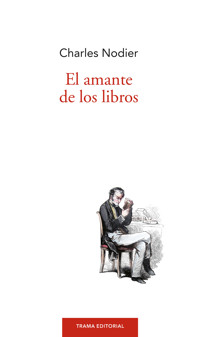

















The Bibliomaniac
Table of Contents
Introduction
A tenderly ironic study of how the love of books can slip from devotion into obsession, The Bibliomaniac lingers over the line where reading nourishes life and collecting begins to consume it, turning libraries into mirrors that both flatter and imprison their owners.
The Bibliomaniac is a short tale by Charles Nodier, a leading figure of French Romanticism and, notably, a librarian in Paris during the early nineteenth century. Known in French as Le Bibliomane, it belongs to the period’s taste for compact, character-driven narratives that blend satire with sentiment. Rather than staging grand adventures, the story dwells in the intimate spaces of studies and bookshops, attentive to the literary culture of its time. Its publication context aligns with the Romantic era’s fascination with singular passions, eccentric types, and the texture of everyday life, rendered with elegance, wit, and a bibliophile’s precision.
At its core, the tale sketches the portrait of a collector whose happiness, anxieties, and social world orbit around rare editions, bindings, and marginalia. Nodier crafts a reading experience that is brisk yet reflective, at once humorous and tinged with melancholy. The narrative voice favors graceful digression and anecdotal observation, inviting readers into a cultivated conversation rather than a plot-driven chase. The mood is intimate and nuanced: affectionate toward the character’s zeal, amused by its excesses, and alert to the quiet costs of a single-minded pursuit. What results is a refined miniature, polished by bookish detail and humane curiosity.
Themes gather around the tension between books as vessels of thought and books as coveted objects. Nodier probes how the metrics of scarcity, condition, and provenance can overshadow the pleasures of reading, raising questions about value, taste, and the ethics of possession. He notes the solitude that can accompany monomania, even when it appears socially acceptable or culturally esteemed. The story also touches the fragility of memory and paper alike, suggesting that preservation is both an act of care and a strategy against time. Without moralizing, it examines how a passion becomes a measure of identity—and what that identity might exclude.
Nodier’s craft amplifies these concerns through a style steeped in erudition yet unpretentious in tone. The prose savors titles, formats, and the incidental lore of bibliographies, transforming cataloger’s vocabulary into narrative color. Irony is gentle, never cruel; the humor arises from precise observation and proportion, not caricature. Structural lightness—scenes unfolding through recollection and conversational aside—keeps the focus on sensibility rather than incident. Readers attuned to the period will recognize a Romantic sympathy for singular characters, but also a classic restraint that keeps the tale poised. Above all, the author’s professional intimacy with books lends the work its authority and warmth.
For contemporary readers, The Bibliomaniac resonates beyond the world of rare volumes. It speaks to any age in which collecting, curating, and displaying cultural goods risks standing in for engagement with their meanings. In a time of digital abundance and algorithmic recommendation, Nodier’s questions about taste, authenticity, and possession feel strikingly current. The story invites reflection on how we form communities of interest and how easily those networks can harden into echo chambers. It offers solace, too, by recognizing passion as a source of joy, provided it remains tethered to the living conversation that books are meant to sustain.
Approached as both satire and love letter, this tale offers compact delight: the pleasures of style, the sparkle of anecdote, and the quiet gravity of a moral fable without a sermon. It rewards readers who enjoy literary miniatures and the atmosphere of salons, libraries, and antiquarian shops. Without straying into cruelty or melodrama, it holds up a mirror to habits many booklovers will recognize with a smile and a wince. To read The Bibliomaniac is to encounter a refined sensibility contemplating its own reflection in a pane of glass and paper—a reminder that collections are most alive when they lead us back to reading.
Synopsis
Charles Nodier’s The Bibliomaniac is a concise narrative centered on a Parisian collector whose life revolves around books as objects of desire. Told by an observant narrator who encounters this figure and gradually learns his habits, the tale follows the rhythms of early nineteenth-century bibliophily. It introduces the milieu of bouquinistes, auction rooms, and private libraries, where rarity eclipses readability and provenance matters more than prose. The narrative sets a measured, anecdotal tone, presenting the collector’s world in a series of scenes that move from curiosity to involvement, tracing how a cultivated enthusiasm can sharpen into a demanding, single-minded pursuit.
The narrator’s first visit to the collector’s home establishes a defining contrast between literary content and material perfection. Shelves display prized Aldines, Elzevirs, and large-paper copies, their value explained through minute distinctions of binding, margins, and misprints. The host speaks in meticulous terms about impressions, watermarks, and vellum, using technical vocabulary to justify preferences and rank achievements. Through calm description, the narrator details a system of taste grounded in scarcity and condition, not in the pleasure of reading. This opening orientation clarifies the story’s premise: the collector’s knowledge is exact and admirable, yet it channels attention toward the physical artifact above all else.
Subsequent episodes depict daily rituals that sustain the collector’s passion. He scans catalogs at dawn, haunts stalls along the Seine, and cultivates relationships with dealers who whisper about sleepers buried in unpromising lots. Nodier’s narrator records the small dramas of misidentified volumes, triumphant discoveries, and near misses when rivals appear. Friendly exchanges conceal competitive undercurrents as connoisseurs circle the same prizes. These scenes expand the social terrain of bibliomania, showing codes of etiquette, guarded information, and the quiet theater of negotiation. The flow of the narrative stays close to these pursuits, letting the collector’s routines articulate the boundaries and priorities of his world.
The story then narrows to a quest for a particular book rumored to survive in only a handful of copies. Hints surface through catalog annotations and a dealer’s private note, and the collector’s thoughts begin to align with this single goal. The narrator observes subtle changes: accounts deferred, appointments skipped, and other acquisitions sold to fund the attempt. Nodier registers these developments without moralizing, listing practical adjustments that follow from heightened desire. The search acquires a methodical shape—cross-checking bibliographies, inspecting bindings for telltale marks, and rehearsing bids—implying that longing, once disciplined by expertise, can reorganize an entire life around one prospective object.




