


170,99 €
Mehr erfahren.
- Herausgeber: John Wiley & Sons
- Kategorie: Fachliteratur
- Sprache: Englisch
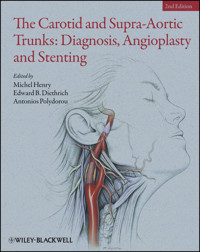
Carotid Angioplasty and Stenting (CAS) is a new approach to treat a carotid stenosis. This new book provides interventional cardiologists, both as beginners or fully experienced, with a reference on all aspects of angioplasty and stenting of the carotid and supra-aortic trunks. Focusing on both the entire range of angioplasty and stenting treatment options for the surgeon treating patients on the operating table, and the range of radiological techniques used for the cardiologist to diagnose carotid artery stenosis (CAS) and associated conditions, this important book describes the best indications, the different techniques, the results, and also the limitations of CAS based on randomized studies and particularly the last published data (CREST study). Suitable for both novice and experienced interventionalists, it also addresses diagnosis of a carotid stenosis and complications from CAS and how to manage them.
Sie lesen das E-Book in den Legimi-Apps auf:
Seitenzahl: 1417
Veröffentlichungsjahr: 2011
Ähnliche


















Table of Contents
Cover
Table of Contents
Title page
Copyright page
List of contributors
Preface
Acknowledgements
Part 1: Epidemiology, Anatomy and Imaging
1 Epidemiology and pathophysiology of carotid artery disease
2 Neuroanatomy
3 Value of computed tomography and magnetic resonance imaging
4 Diagnosis of carotid stenosis by duplex ultrasound
5 Transcranial Doppler
6 Carotid plaque characterization using ultrasound
7 Methods for evaluation of carotid stenosis
8 Role of intravascular ultrasound in carotid angioplasty and stenting
9 Cerebral perfusion imaging
Part 2: Clinical Assessment
10 Neurologic and neuropsychologic evaluation before and after carotid angioplasty and stenting
11 Cardiac assessment in carotid artery disease
Part 3: Carotid Artery Stenosis: Medical Treatment
12 Carotid stenosis: primary prevention and medical treatment
13 Periprocedural management for carotid intervention
Part 4: Carotid Artery Stenosis: Surgical Treatments
14 Carotid surgery: updates, techniques, and results
15 Is carotid surgery still the gold standard in carotid intervention?
16 Referral for carotid endarterectomy and not carotid artery stenosis: high risk revisited
Part 5: Indications for Carotid Angioplasty and Stenting
17 Indications and contraindications for carotid artery stenting in symptomatic patients
18 Indications and contraindications for carotid artery stenting in asymptomatic patients: the case for risk stratification
19 Various society guidelines for carotid artery stenting
20 Management of concomitant coronary and carotid disease
Part 6: Carotid Angioplasty and Stenting: Techniques
21 Equipment needed for carotid angioplasty and stenting: tips and tricks
22 Evolution in carotid stenting with cerebral protection
23 Embolic protection devices: choice
24 Carotid angioplasty under protection: limitations, dark side, how to avoid complications
25 Basic techniques of carotid artery stenting
26 Managing carotid anatomic adversity
27 Choice of the stent: does the type of stent influence the outcome of carotid artery angioplasty and stenting?
28 Carotid angioplasty and stenting: indications for covered stents
29 Complication avoidance and management in cervical carotid revascularization
30 Endovascular recanalization of chronic carotid artery occlusion
31 Interventional treatment of carotid artery dissection: role of endovascular technology
32 Carotid artery stent restenosis
33 In-stent restenosis after carotid artery stenting: incidence and management
Part 7: Carotid Angioplasty and Stenting: Clinical Results
34 Does the learning curve influence the outcome of carotid artery stenting?
35 Critical review of randomized studies and registries
36 How to interpret critical reviews of randomized studies and registries
37 The Carotid Revascularization Endarterectomy versus Stenting Trial (CREST): implications for clinical practice
38 Carotid angioplasty under cerebral protection with the PercuSurge Guardwire™ device
39 Carotid angioplasty and stenting under protection: results with different filters
40 Carotid angioplasty and stenting under protection: results with the Mo.Ma™ device
41 Cerebral protection using flow reversal
42 New distal embolic protection device: FiberNet® three-dimensional filter
43 Patient follow-up after carotid angiography and stenting
Part 8: Intracranial Endovascular Therapy
44 How to develop a stroke program
45 Elective endovascular revascularization of the intracranial cerebral arteries
46 Endovascular therapy for acute stroke
47 Intracranial aneurysm: current and future minimally invasive endovascular treatment methods
48 Intracranial vertebral artery stenting
Part 9: Other Supra-Aortic Occlusive Arterial Diseases: Endovascular Treatment
49 Percutaneous transluminal angioplasty of the subclavian arteries
50 Percutaneous transluminal angioplasty and stenting of extracranial vertebral artery stenosis
51 Inflammatory arteritis in supra-aortic vessels: endovascular treatment
52 Extracranial carotid aneurysms: interventional treatment
53 Balloon angioplasty and stent placement in the common carotid artery
Part 10: Future of Carotid Stenting
54 Future of carotid stenting
Index
This edition first published 2011 © 2011 by Blackwell Publishing Ltd
Blackwell Publishing was acquired by John Wiley & Sons in February 2007. Blackwell’s publishing program has been merged with Wiley’s global Scientific, Technical and Medical business to form Wiley-Blackwell.
Registered office: John Wiley & Sons, Ltd, The Atrium, Southern Gate, Chichester, West Sussex, PO19 8SQ, UK
Editorial offices: 9600 Garsington Road, Oxford, OX4 2DQ, UK
The Atrium, Southern Gate, Chichester, West Sussex, PO19 8SQ, UK
111 River Street, Hoboken, NJ 07030-5774, USA
For details of our global editorial offices, for customer services and for information about how to apply for permission to reuse the copyright material in this book please see our website at www.wiley.com/wiley-blackwell
The right of the author to be identified as the author of this work has been asserted in accordance with the UK Copyright, Designs and Patents Act 1988.
All rights reserved. No part of this publication may be reproduced, stored in a retrieval system, or transmitted, in any form or by any means, electronic, mechanical, photocopying, recording or otherwise, except as permitted by the UK Copyright, Designs and Patents Act 1988, without the prior permission of the publisher.
Designations used by companies to distinguish their products are often claimed as trademarks. All brand names and product names used in this book are trade names, service marks, trademarks or registered trademarks of their respective owners. The publisher is not associated with any product or vendor mentioned in this book. This publication is designed to provide accurate and authoritative information in regard to the subject matter covered. It is sold on the understanding that the publisher is not engaged in rendering professional services. If professional advice or other expert assistance is required, the services of a competent professional should be sought.
The contents of this work are intended to further general scientific research, understanding, and discussion only and are not intended and should not be relied upon as recommending or promoting a specific method, diagnosis, or treatment by physicians for any particular patient. The publisher and the author make no representations or warranties with respect to the accuracy or completeness of the contents of this work and specifically disclaim all warranties, including without limitation any implied warranties of fitness for a particular purpose. In view of ongoing research, equipment modifications, changes in governmental regulations, and the constant flow of information relating to the use of medicines, equipment, and devices, the reader is urged to review and evaluate the information provided in the package insert or instructions for each medicine, equipment, or device for, among other things, any changes in the instructions or indication of usage and for added warnings and precautions. Readers should consult with a specialist where appropriate. The fact that an organization or Website is referred to in this work as a citation and/or a potential source of further information does not mean that the author or the publisher endorses the information the organization or Website may provide or recommendations it may make. Further, readers should be aware that Internet Websites listed in this work may have changed or disappeared between when this work was written and when it is read. No warranty may be created or extended by any promotional statements for this work. Neither the publisher nor the author shall be liable for any damages arising herefrom.
Library of Congress Cataloging-in-Publication Data
The carotid and supra-aortic trunks : diagnosis, angioplasty and stenting / edited by Michel Henry and Edward B. Diethrich and Antonios Polydorou. – 2nd ed.
p. ; cm.
Includes bibliographical references and index.
ISBN 978-1-4051-9854-7 (hardcover : alk. paper) 1. Carotid artery–Stenosis–Surgery. 2. Angioplasty. 3. Stents (Surgery) I. Henry, Michel, MD. II. Diethrich, Edward B., 1935– III. Polydorou, Antonios.
[DNLM: 1. Carotid Stenosis–surgery. 2. Angioplasty. 3. Carotid Stenosis–diagnosis. 4. Stents. WL 355]
RD598.6.C365 2011
617.4′13–dc22
2010036363
A catalogue record for this book is available from the British Library.
This book is published in the following electronic formats: ePDF 9781444329810; Wiley Online Library 9781444329803; ePub 9781444329827
List of contributors
Mullasari Ajit MD DM DNBDirector – CardiologyInstitute of Cardio-Vascular DiseasesThe Madras Medical MissionMogappairChennaiIndia
Amira Benjelloun MDProfessor of Vascular SurgeryClinique Coeur et VaisseauxRabat SaleMorocco
Nikolaos Bessias MDDepartment of Vascular SurgeryRed Cross HospitalAthensGreece
Emilio Calabrese MDCardiovascular Surgeon and Interventional RadiologistNational Center for Limb SalvageMonza PoliclinicMilanItalyandGeneva Foundation for Medical Education and ResearchGenevaSwitzerland
Fausto Castriota MDGVM Care and ResearchInterventional Cardio-Angiology UnitVilla Maria Cecilia HospitalCotignolaItaly
Tyrone J. Collins MDDepartment of CardiologyOchsner Medical CenterNew Orleans, LAUSA
Alberto Cremonesi MDGVM Care and ResearchInterventional Cardio-Angiology UnitVilla Maria Cecilia HospitalCotignolaItaly
Frank J. Criado MD FACS FSVMVascular Surgery and Endovascular Intervention Union Memorial Hospital-MedStar Health Baltimore, MDUSA
James T. DeVries MDDivision of CardiologyDartmouth-Hitchcock Medical CenterLebanon
Edward B. Diethrich MDArizona Heart Institute & HospitalPhoenix, AZUSA
Corina Dima-Cozma MD PhDLecturer in Internal MedicineDepartment of Internal MedicineCardiovascular Rehabilitation ClinicRehabilitation Hospital“Gr. T. Popa” University of Medicine and PharmacyIaiRomania
Fadi El-Merhi MDDepartment of Diagnostic RadiologyAmerican University of Beirut Medical CenterBeirutLebanon
Luca FaveroMDCardiology DepartmentMirano Public HospitalMiranoItaly
Jennifer Franke MDCardioVascular Center FrankfurtFrankfurtGermany
Corinne GautierMDDepartment of CardiologyUniversity of LilleLilleFrance
George GeroulakosMD ECFMG FRCS PhDClinical Senior Lecturer in Vascular SurgeryCharing Cross HospitalImperial CollegeLondonUK
Niki GeorgiouRNVascular Screening and Diagnostic CentreNicosiaCyprus
Shane GieowarsinghMB MRCPUniversity Hospitals of LeicesterLeicesterUK
Balashankar Gomathi MD DNB DMConsultant CardiologistDepartment of CardiologyInstitute of Cardio-Vascular DiseasesThe Madras Medical MissionMogappairChennaiIndia
Lakshmi GopalakrishnanMD DNBSouthern Railway HospitalInstitute for Cardiac Treatment and ResearchPeramburChennaiIndia
Arthur “Chip” Grant MDDepartment of CardiologyOchsner Medical CenterNew Orleans, LAUSA
William A. Gray MDDirector of Endovascular ServicesCenter for Interventional Vascular Therapy New York-Presbyterian Hospital/Columbia University Medical CenterAssociate Professor of Clinical Medicine Columbia University College of Physicians and SurgeonsNew York, NYUSA
Maura GriffinDMU MSc PhDVascular Noninvasive Diagnostic Centre LondonUK
Marcelo GuimaraesMDInterventional RadiologyMedical University of South CarolinaCharleston, SCUSA
Eve A. GutermanStudentBarnard CollegeColumbia UniversityNew York, NYUSA
Lee R. Guterman PhD MDMedical Director of Stroke ServicesCatholic Health System and Buffalo Neurosurgery GroupBuffalo, NY USA
Eric A. Heller MDPostdoctoral Clinical FellowDivision of CardiologyNew York-Presbyterian Hospital/Columbia University Medical CenterNew York, NYUSA
Isabelle Henry MDInterventional CardiologistPolyclinique Bois-BernardBois-BernardFrance
Michel Henry MDInterventional CardiologistCabinet de CardiologieNancy FranceandChief PatronApollo ClinicGlobal Research Institute for Carotid and Peripheral Vascular DiseasesHyderabadIndia
Enrique Hernandez MDDepartment of Interventional CardiologyLenox Hill HospitalNew York, NYDirector of Interventional CardiologyHospital Episcopal San LucasPonce, PRPuerto RicoUSA
Randall T. Higashida MD FAHAClinical Professor of Radiology, Neurological Surgery, Neurology, & AnesthesiologyChief, Division of Neuro Interventional RadiologyDepartments of Radiology, Neurology, Neurosurgical Surgery, and AnesthesiologyUniversity of California at San FranciscoSan Francisco, CAUSA
Michèle HugelMDCabinet de CardiologieNancyFranceandApollo ClinicGlobal Research Institute for Carotid and Peripheral Vascular DiseasesHyderabadIndia
Luigi IngleseMDInterventional CardiologySan Donato PoliclinicMilanItaly
Khalid Irshad FRCSVascular & Endovascular InstituteWishawUK
Zehra Jaffery MDDepartment of CardiologyOchsner Medical CenterNew Orleans, LAUSA
Wei-Jian Jiang MDDepartment of Neurology and Interventional NeuroradiologyBeijing Tiantan HospitalThe Capital University of Medical SciencesBeijingChina
Stavros K. KakkosMD MSc PhD DIC RVTAssistant Professor Department of Vascular Surgery University of Patras Medical SchoolPatrasGreece
Hsien-Li Kao MDAssociate Professor of CardiologyNational Taiwan University Medical SchoolDirector of Cardiac Cath LabNational Taiwan University HospitalTaipeiTaiwan
Sepideh Kazemi MDInterventional CardiologistHoag Memorial Hospital PresbyterianNewport Beach, CAUSA
Serge Kownator MD FACC FESCCardiovascular CenterThionvilleFrance
Zvonimir Krajcer MDPeripheral Vascular Fellowship Program DirectorDepartment of CardiologySt. Luke’s Episcopal HospitalTexas Heart InstituteProfessor of Medicine at Baylor College of MedicineUniversity of TexasHouston, TXUSA
Zsolt Kulcsar MDNeuroradiologyClinic HirslandenZurichSwitzerland
Efthyvoulos Kyriacou PhDAssociate ProfessorComputer Science and Engineering Department Frederick UniversityNicosiaCyprus
Hugo F. Londero MD FSCAIServicio de Hemodinamia e Intervenciones por CateterismoSanatorio AllendeCordobaArgentina
Sumaira Macdonald FRCP FRCR PhDInterventional RadiologyFreeman HospitalNewcastle upon TyneUK
Barun Majumdar FRCSVascular & Endovascular InstituteWishawUK
Leandro Martinez Riera MDServicio de Hemodinamia e Intervenciones por CateterismoSanatorio AllendeCordobaArgentina
Michel E. Mawad MDProfessor of RadiologyBaylor College of Medicine Houston, TXUSA
P. Megaloikonomos MDCardiology DepartmentGeneral Hospital of Athens “Evangelismos”AthensGreece
Philip M. Meyers MDDepartments of Radiology and Neurological SurgeryColumbia UniversityCollege of Physicians and SurgeonsNew York, NYUSA
Dimitri P. Mikhailidis MD FFPM FRCPath FRCPAcademic HeadDepartment of Clinical Biochemistry (Vascular Disease Prevention Clinics)Royal Free Hospital CampusUniversity College LondonLondonUK
Issam D. Moussa MDDirector, Endovascular ServiceDivision of CardiologyNYPH/Weill Cornell Medical CenterAssociate Professor of MedicineWeill Medical College of Cornell UniversityNew York, NYUSA
Subbarao Myla MD FACC FSCAIMedical DirectorCardiovascular Laboratories & CV ResearchHoag Memorial Hospital PresbyterianNewport Beach, CAUSA
Mouhamadou N’Diaye MDFann HospitalDakarSenegal
Andrew N. Nicolaides MS FRCS FRCSE PhD (Hon)Emeritus Professor of Vascular SurgeryImperial College LondonLondonUK
Dimitrios N. NikasMD PhDCardiology DepartmentMirano Public HospitalMiranoItaly
George Ioan Pandele MD PhDProfessor in Internal MedicineDepartment of Internal Medicine“Gr. T. Popa” University of Medicine and PharmacyIaiRomania
Francisco E. Paoletti MDServicio de Hemodinamia e Intervenciones por CateterismoSanatorio AllendeCordobaArgentina
Kosmas I. Paraskevas MD FASADepartment of Vascular SurgeryRed Cross HospitalAthensGreece
Juan C. ParodiMDVascular SurgeryTrinidad HospitalBuenos AiresArgentina
Giampaolo PasquetoMDCardiology DepartmentMirano Public HospitalMiranoItaly
Rajan A.G. Patel MDDepartment of CardiologyOchsner Medical CenterNew Orleans, LAUSA
John G. Pollock FRCSGlasgow Royal InfirmaryGlasgowUK
Ad. Polydorou MDCardiology DepartmentAir Force HospitalAthensGreece
Antonios Polydorou MDInterventional CardiologistPanteleimon General HospitalAthensGreece
V. Polydorou MD2nd Internal Medicine DepartmentAir Force HospitalAthensGreece
Sriram Rajagopal MD DMSouthern Railway HospitalInstitute for Cardiac Treatment and ResearchPeramburChennaiIndia
Jonathan A. Rapp MDDepartment of Cardiovascular DiseasesOchsner Medical CenterNew Orleans, LAUSA
Allan W. Reid FRCR FRCPDepartment of RadiologyGlasgow Royal InfirmaryGlasgowUK
Donald B. Reid MD FRCSVascular & Endovascular InstituteWishawUK
Bernhard ReimersMDCardiology DepartmentMirano Public HospitalMiranoItaly
Giles H. Roditi FRCR FRCPDepartment of RadiologyGlasgow Royal InfirmaryGlasgowUK
Daniel A. Rüfenacht MDNeuroradiologyClinic HirslandenZurichSwitzerland
Salvatore Saccà MDCardiology DepartmentMirano Public HospitalMiranoItaly
Claudio Schönholz MDInterventional RadiologyMedical University of South CarolinaCharleston, SCUSA
H. Christian Schumacher MDDepartment of NeurologyMontefiore Medical CenterAlbert Einstein College of MedicineNew York, NYUSA
Horst Sievert MDCardioVascular Center FrankfurtFrankfurtGermany
T. Skandalakis MD PhDProfessor, Department of AnatomyAthens University Medical SchoolAthensGreece
Jonathan Smout FRCS MDNorthern Vascular CenterFreeman HospitalNewcastle upon TyneUK
Gerard Stansby FRCS MDNorthern Vascular CenterFreeman HospitalNewcastle upon TyneUK
Dorothea Strozyk MDDepartment of RadiologyColumbia UniversityCollege of Physicians and SurgeonsNew York, NYUSA
Jacques ThéronMDNeuroradiologieCHU Côte de NâcreCaenFrance
Renan UflackerMDInterventional RadiologyMedical University of South CarolinaCharleston, SCUSA
Anil VermaMDDepartment of Cardiovascular DiseasesOchsner Medical CenterNew Orleans, LAUSA
Isabel Wanke MDNeuroradiologyClinic HirslandenZurichSwitzerlandandUniversity HospitalEssenGermany
Stephan G. WetzelMDNeuroradiologyClinic HirslandenZurichSwitzerland
Christopher J. White MDDepartment of Cardiovascular DiseasesOchsner Clinic FoundationNew Orleans, LAUSA
Michael H. Wholey MD MBAClinical Professor, Department of CardiologyUniversity of Texas Health Science Center of San AntonioDepartment of RadiologyChristus Santa Rosa Medical SystemSan Antonio, TXUSA
Hany Zakieldine MDAssistant Professor, Neurology and Neurovascular InterventionsAin-Shams UniversityCairoEgypt
Preface
This comprehensive review of the current status in the diagnosis and interventional treatment of carotid artery and supra-aortic trunk pathologies could not appear at a more propitious time. The vast majority of the content appropriately focuses on the carotid artery bifurcation since, both statistically and emotionally, this location produces the most compelling anatomic and pathologic region of analysis and study. And yet, there is a profound lack of broad treatment consensus. Not since the earliest days, when carotid endarterectomy (CEA) was first proposed as a prophylactic for stroke emanating from atherosclerotic occlusive disease of the carotid artery bifurcation, has the medical community been so polarized over the best management to minimize manifestation of stroke’s dreaded effects.
There have been myriad Level-I evidence trials and far more registries and individual institutional reports that have examined the question of what treatment is best – “gold-standard” CEA or carotid artery stenting (CAS)? Retrospectively, it appears that when the success of CAS is praised – regardless of the study protocol design, the integrity of those conducting the studies, or proven support for CAS in peer-reviewed journals – that the lay press and throw-away medical newspapers spontaneously cry “flawed” study! While this is not surprising, CAS has had far-reaching, lifesaving effects that could not have been forecasted even by its initial enthusiasts.
The failure of CAS to show superiority, let along equivalence, in many of the trials has resulted in profound reimbursement issues, including denial except under very specific circumstances. Worldwide, stent procedures have dwindled, aggressive plans for interventional training programs have been abandoned, and corporate enthusiasm for these devices has waned.
This is understandable and could have been predicted – a déjà vu of the early CEA era itself. At the same time, it is most unfortunate. CAS offers a safe alternative treatment that is effective in treating atherosclerotic disease. Like every technique or procedure evaluated, CAS is not indicated in all patients. Its successful use requires meticulous multiparameter evaluation coupled with rigorous, audited practitioner performance.
I believe Dr. Henry has made major contributions to endovascular surgery, not only by his authorship of this book, but with his own innovation and talent as a surgeon, and in his assembly of and grace in editing this work, which chronicles the experiences of the world’s leading experts in the field. He is to be congratulated for his perseverance and continued demonstration of his versatility as a scholar and surgeon. He possesses the same superb skill set I witnessed during our earliest work in carotid artery stenting in Nancy, France, more than two decades ago.
Edward B. Diethrich, MD
2011
Acknowledgements
I would like to dedicate this book to my wife, Annick; my daughters, Brigitte and Dr Isabelle Henry; my grandchildren, Eva, Nicolas, and Romain; my sister and brother-in-law, Mr and Mrs Jacques Vallet and Hervé.
I would like to thank Mr Noureddine Frid, for his technical collaboration and all the contributors to this book, for their skill and assistance.
I would like to express my deep sadness after the sudden death of my assistant Mrs Michèle Hugel on November 5th 2009. Mrs Hugel worked with me for the past 34 years, showing a permanent dedication to our work. She followed me all over the world, giving time, skill, and understanding to anyone we would heal, sharing her experience with her domestic and foreign peers, never giving up in difficult situations. She was also always encouraging me, suggesting new ways, sometimes contradicting me, and bringing me to take a new look at myself, my methods, or my professional habits. She was always a valuable support and a most reliable partner. She contributed to all my publications, this one included. Her death is to many MDs as well as to me a tremendous loss.
I would like to acknowledge the hard work of Ms Valérie Davot and Kate Newell whose help in coordinating and organizing our contributing authors was invaluable. I would also like to thank Mr Oliver Walter who offered me the opportunity to collaborate with Wiley-Blackwell Publishing.
MH
2
Neuroanatomy
Michael H. Wholey,1 Fadi El-Merhi2
1University of Texas Health Science Center of San Antonio, San Antonio, TX, USA
2American University of Beirut Medical Center, Beirut, Lebanon
Introduction
Knowledge of the major arteries in the head and neck are important for any physician involved in the diagnosis and treatment of vascular neurologic diseases such as atherosclerosis. The neurovascular anatomy is not difficult to master and with new imaging modalities such as computed tomography angiography (CTA) and magnetic resonance angiography (MRA) and improved resolution of standard angiographic systems, visualizing the more complex variants is becoming more common.
The simplest divisions for the neurovascular anatomy include the arteries in the cervical and cranial regions. The cervical region includes the great vessels that arise from the aortic arch as they course through the neck. The cranial circulation is divided into the anterior circulation, including the anterior and middle cerebral arteries and their branches, and the posterior circulation comprising the posterior cerebral and the basilar artery with its cerebellar branches.
Cervical Neurovascular Anatomy
The aortic arch is usually composed of three major branches, including the innominate or brachiocepahlic artery, which then divides into the right common carotid and right subclavian arteries (Figure 2.1). The right vertebral artery arises from the right subclavian artery. The second branch is the left common carotid artery (CCA) and the third is the left subclavian artery, which then provides the left vertebral artery. Bovine arch is a very common variation (20–30% of aortic arches in our series) in which the left common artery arises off the innominate artery (Figure 2.2). Another fairly common variation is the left vertebral artery arising off the aortic arch between the left common carotid and the left subclavian arteries (Figure 2.3). The third variation that we have seen occasionally is an anomalous take-off of the right subclavian artery (Figure 2.4).
Figure 2.1 Standard aortic arch with the take-off of the great vessels. Left anterior oblique projection with the pigtail catheter placed before the take-off of the innominate artery.
Figure 2.2 Angiographic image of bovine arch anatomy in which the left common carotid and innominate artery share the same trunk.
Figure 2.3 Three-dimensional CTA image of the aortic arch with the left vertebral artery arising directly off the aorta.
Figure 2.4 Anomalous take-off of the right subclavian artery off the aortic arch. It courses between the esophagus and the spine, and resumes its course along the right shoulder and arm.
The cervical portion of the carotid arteries includes the CCA and its branches of the internal and external carotids. This bifurcation commonly occurs approximately at the c3 vertebral artery level. The external carotid is divided into major branches consisting of the superior thyroid, lingual, fascial, and internal maxillary arteries (Figure 2.5).
Figure 2.5 Lateral cervical carotid angiogram showing the carotid bifurcation and the major branches of the internal and external carotids.
The carotid lesions in the three different patients shown in Figure 2.6 illustrate the varying appearances of cervical carotid lesions, each carrying a different level of risk for distal embolization. The low Hounsfield units of the soft plaque are suggestive of “vulnerable plaque,” but this has not been proven and more work needs to be performed in this area. In our series of CTA patients who later underwent carotid artery stenting, areas of potential embolic burden showed other features of ulceration, admixture of calcium, and dystrophic plaque burden.1 Further research is needed to classify high carotid lesions.
Figure 2.6 Three patients showing the varying appearances of cervical carotid lesions.(A) Mild calcified plaque guarding the origin of the internal carotid artery (ICA) followed by a high-grade focal soft tissue plaque. (B) Dystrophic high-grade lesion of the proximal ICA composed of a core of soft tissue plaque partially covered by a calcified exterior: calcified plaque obstructing the external carotid artery. (C) Long lesion of the proximal ICA with ulceration and composed primarily of soft tissue plaque. This image reveals the extent of the plaque into the common carotid artery.
The internal carotid continues on into the skull base and then emerges to form the circle of Willis (Figure 2.7). The major segments of the internal carotid artery (ICA) are commonly referred to as the cervical, petrous, cavernous, and supraclinoid. Another more detailed system is as follows:
C1: Cervical segment, identical to the commonly used cervical portion
C2: Petrous segment
C3: Lacerum segment; C2 and C3 comprise the commonly used petrous portion
C4: Cavernous segment, almost identical to the commonly used cavernous portion
C5: Clinoid segment; not identified in some earlier classifications, and lies between the commonly used cavernous portion and cerebral or supraclinoid portion
C6: Ophthalmic or supraclinoid segment
C7: Communicating or terminal segment; C6 and C7 together comprise the commonly used cerebral or supraclinoid portion.
Figure 2.7 Lateral view of the distal internal carotid artery in the petrous cavernous segment: C1, cervical segment; C2, petrous segment; C3, lacerum segment; C4, cavernous segment; C5, clinoid segment.
The posterior circulation of the brain has a major component arising from the vertebral arteries. The two vertebral arteries customarily arise from the subclavian arteries (extraosseous or V1; Figure 2.8). They enter the vertebral column at the C7 vertebral body and course superiorly (foraminal or V2). They exit at approximately C3, forming the extraspinal (V3) and then the intradural (V4) as they merge to form the basilar artery. Before merging, the vertebral artery has a key branch, the posterior inferior cerebellar artery (PICA), which provides flow to the lower brainstem. The basilar artery then continues on and provides the posterior circulation to key vessels, including the anterior inferior cerebellar artery (AICA) and superior cerebellar artery (Figures 2.9 and 2.10).
Figure 2.8 Oblique view of the vertebral arteries.
Figure 2.9 Angiography and CT coronal images of the vertebral artery.
Figure 2.10 Posterior circulation is revealed by angiography with cerebral coronal views.
Cranial Neurovascular Anatomy
The major arteries supplying the brain, paired internal carotid and vertebral arteries, form a unique anastomosis, the “circle of Willis,” named after Dr Thomas Willis who was the first to accurately describe it and its physiologic significance in 1664.2 Even then, he surmised its importance in two clinical circumstances: incidental detection of occlusion of major arteries in asymptomatic cases; and when surgical occlusion of a major vessel in considered.2 (Figures 2.11–2.14).
Figure 2.11 Axial view of the complete Circle of Willis using CTA MPR images. MCA, middle cerebral artery; PCA, posterior cerebral artery; ACom, anterior communicating artery; ACA, anterior cerebral artery; PCom, posterior communicating artery.
Figure 2.12 Three-dimensional CTA image of the circle of Willis. MCA, middle cerebral artery; PCA, posterior cerebral artery; ACom, anterior communicating artery; ACA, anterior cerebral artery; PCom, posterior communicating artery.
Figure 2.13 CTA coronal image of a complete circle of Willis revealing the anterior and middle cerebral arteries with a patent anterior communicating artery.
Figure 2.14 MRA image of the intracranial image revealing the distal right internal carotid artery and the anterior and middle cerebral arteries.
With the advent of carotid stenting and with devices that temporarily occlude flow to the cerebral circulation, there is renewed interest in the circle of Willis. These new carotid embolic protection devices arrest flow in the distal common carotid and external carotid arteries while intervention is performed on the cervical ICA. They have been very helpful in reducing major neurologic events associated with stenting, but there is an intolerance in 5–23% of patients.3–5
The literature has described variations in the components of the circle of Willis. We reviewed the circle of Willis in our series of 212 patients, many of whom went on to receive carotid stents.6 Our results were similar to other published results in which the circle of Willis was found to be complete in only 18–41%.7,8 Other reported variations include hypoplasia of one or both posterior communicating arteries (PCOMs) (34%, which was less than our 47%)7,8 and a hypoplastic/absent A1 segment of the anterior cerebral artery (ACA) (17%, compared to our 11%).7,8 Primitive or fetal posterior cerebral artery (PCA) was found in 14% of our series compared to 15% in other series.9,10
Several publications haveaddressed the relationship between the circle of Willis and its variations and propensity for stroke, particularly in the presence of fetal PCA. In a fetal-type PCA a larger area is dependent on the ICA as leptomeningeal vessels cannot develop between the anterior and posterior circulation.10,11 The tentorium prevents cerebellar vessels from connecting to the PCA territory.11,12 Therefore, patients with a fetal PCA could be more prone to developing vascular insufficiency.10 Whether patients with the fetal PCA anomaly have a higher risk of ischemic stroke in the territory of the PCA is not known.11,12
The PCAs are paired, branching off the top of the basilar artery and curving posterosuperiorly around the midbrain. The PCAs supply parts of the midbrain, subthalamic nucleus, basal nucleus, thalamus, mesial inferior temporal lobe, and occipital and occipitoparietal cortices. In addition, the PCAs, via the posterior communicating arteries, may become important sources of collateral circulation for the middle cerebral artery (MCA) territory.
The ICA provides flow to the anterior cerebral circulation consisting of the ACA and MCA. The ACA supplies most of the medial surface of the cerebral cortex (anterior three-fourths), frontal pole (via cortical branches), and anterior portions of the corpus callosum. Perforating branches (including the recurrent artery of Heubner and medial lenticulostriate arteries) supply the anterior limb of the internal capsule, inferior portions of the head of the caudate, and anterior globus pallidum.
The MCA can be classified into four parts:13
M1: The first part of the MCA is the sphenoidal segment, also known as the horizontal segment. The M1 segment perforates the brain with numerous anterolateral central (lateral lenticulostriate) arteries, which irrigate the basal ganglia.
M2: The insular segment, also known as the Sylvian segment, which may bifurcate or sometimes trifurcate into trunks in this segment, which then extend into branches that terminate towards the cortex.
M3: The opercular segments extend laterally exteriorly from the insula towards the cortex.
M4: These finer terminal or cortical segments irrigate the cortex. They begin exterior to the Sylvian fissure and then extent distally away from the cortex.
The MCA is the largest branch of the internal carotid. It supplies a portion of the frontal lobe and lateral surface of the temporal and parietal lobes, including the primary motor and sensory areas of the face, throat, hand, and arm, and in the dominant hemisphere, the areas for speech (Figure 2.15).
Figure 2.15 (A) Coronal view and (B) lateral view of a cerebral angiogram showing anterior (ACA) and middle cerebral arteries (MCA) and their branches. PCA, posterior cerebral artery.
The venous anatomy for the cerebral circulation mirrors much of its arterial counterpart. There are several centrally located veins that return the flow via the internal jugular vein (Figure 2.16).
Figure 2.16 (A) Coronal view and (B) lateral view of the late-phase angiogram showing the venous anatomy.
Conclusions
It is essential that interventionalists understand the anatomy of the cervical and carotid circulation. It is straightforward and the basic anatomy can be applied for diagnostic and interventional purposes. Interventionalists must become as familiar with CTA and MRA as they are with conventional diagnostic angiography. The role of these new modalities is changing our approach to diagnosing atherosclerotic disease.
References
1. Wholey MH. Role of CTA in predicting complicated CAS cases. Presented at MEET 2008, Cannes, France.
2. Rana PVS. Dr. Thomas Willis and his “circle of Willis” in the brain. Nepal J Neurosci 2005;2:77–79.
3. Whitlow PL, Lylyk P, Londero H, et al. Carotid artery stenting protected with an emboli containment system. Stroke 2002;33:1308–1314.
4. Faries PL, DeRubertis B, Trocciola S, Karwowski J, Kent KC, Chaer RA. Ischemic preconditioning during the use of the PercuSurge occlusion balloon for carotid angioplasty and stenting. Vascular 2008;16:1–9.
5. Hendrikse J, van Raamt AF, van der Graaf Y, Mali WP, van der Grond J. Distribution of cerebral blood flow in the circle of Willis. Radiology 2005;235:184–189.
6. Wholey MH, Wu A, Nowak I, Wu W. CTA and the circle of Willis. Endovasc Today 2009:1–7.
7. Bates M, Parodi J. Proximal balloon catheter occluding system: The Parodi Anti-Emboli System. In: Al-Mubarak N, Roubin GS, Iyer SS, et al., eds. Carotid Artery Stenting: Current Practice and Techniques. Philadelphia: Lippincott Williams & Wilkins, 2004, pp. 201–210.
8. Riggs HE, Rupp C. Variations in form of circle of Willis. Arch Neurol 1963;8:8–14.
9. Krabbe-Hartkamp MM, van der Grond J, de Leeuw FE, et al. Circle of Willis: morphologic variation on three-dimensional time-of-flight MR angiograms. Radiology 1998;207:103–111.
10. Alpers BJ, Berry RG, Paddison RM. Anatomical studies of the circle of Willis in normal brain. AMA Arch Neurol Psychiatry 1959;81:409–418.
11. Chuang YM, Liu CY, Pan PJ, et al. Posterior communicating artery hypoplasia as a risk factor for acute ischemic stroke in the absence of carotid artery occlusion. J Clin Neurosci 2008;15:1376–1381.
12. Cloft H. Intracranial atherosclerosis: a few good images? AJNR Am J Neuroradiol 2005;26:989–990.
13. Krayenbühl H, Yaargil MG, Huber P, Bosse G. Cerebral Angiography. New York: Thieme, 1982, pp. 105–123.
3
Value of computed tomography and magnetic resonance imaging
Allan W. Reid, Giles H. Roditi
Glasgow Royal Infirmary, Glasgow, UK
Introduction
Stroke is the second leading cause of death, accounting for 5.7 million deaths per year worldwide.1 In the diagnosis and prevention of stroke, computed tomography (CT) and magnetic resonance imaging (MRI) play critically important roles.
The development of CT owes much to the success of the British pop group The Beatles! In 1972, (Sir) Godfrey Hounsfield developed the then revolutionary scanner supported jointly by the United Kingdom Department of Health and Social Security and EMI, the music recording company, financially buoyant following the phenomenal success of their recording artists, The Beatles.2 The first clinical CT image produced on the EMI scanner using X-rays was of the brain and its surrounding cerebrospinal fluid (CSF) spaces. The information was gathered axially on fluorescent detectors and displayed in the transverse plane. The initial CT scans had a very large pixel size with wide slice thickness leading to very “chunky” images. Advances in technology over the four decades since, mean that slice thickness and pixel size are now so small that the voxels are isometric. As a result, the image, although still axially acquired, can be reformatted in any plane to the same high resolution.
The pioneering work on MRI was carried out by Peter Mansfield of Nottingham, UK and Paul Lauterbur of New York, USA, and would later win them the Nobel Prize for Physiology or Medicine in 2003. In clinical use since the early 1980s, MRI uses magnetic fields and radiofrequency pulses to image and map the water content of the body and so produce very elegant images of the brain. Because MRI does not rely on a rotating gantry (unlike CT) and has no moving parts, it can directly scan in any plane. Its ability to detect small shifts in tissue water content makes it very sensitive to early damage in stroke disease.
Recent advances in computer-based technology have enabled fast acquisition and processing of large amounts of digital data, which is essential to capturing dynamic information , and as a result both CT and MRI can provide high-quality arteriographic images following peripheral intravenous contrast injection. CT and MR angiography (CTA and MRA) of the supra-aortic great vessels are now mainstay investigations in the planning of treatment for carotid artery disease.
With the advent of CT positron emission tomography (CT-PET), functional imaging has begun to play a role in predicting the stability of progressive vascular disease and the need for and risks of intervention.
This chapter sets out the current clinical state of CT- and MR-based techniques in use to assess and diagnose patients with suspected supra-aortic great vessel disease, and to plan and follow-up endovascular therapy.
Imaging the End Organ
The first imaging investigation undergone by a patient with symptoms suggestive of carotid artery disease is a CT scan of the “end organ,” namely the brain. In stroke, scanning should be carried out immediately on acute presentation to differentiate hemorrhage from ischemia and to exclude other potential causes of the symptoms, namely brain tumors.3,4 The positive diagnosis of an ischemic stroke, and identification of its size and location can help guide further investigation, aid management, and predict outcome.
CT is widely available, rapid, and easy to use in acutely ill patients. A plain unenhanced CT of the brain is a highly sensitive technique for acute hemorrhage (Figure 3.1). However, it is often normal in the first few hours after an ischemic stroke, beginning to delineate after 6 h, which is of course beyond the current licensing window for thrombolysis. After this early period, CT will usually very clearly show the location of an acute ischemic event and distinguish between anterior, middle, and posterior cerebral arterial territories (Figure 3.2). Occasionally the causal vessel, usually the middle cerebral artery (Figure 3.3), can be visualized filled with slightly hyperdense thrombus against the relatively lower density of the brain and surrounding CSF in the cisterns. CT is less able to show small infarcts in the posterior fossa, for which MRI is the preferred imaging method. The accuracy of CT begins to fall a week after the acute event and discrimination between hemorrhage and ischemia is increasingly difficult as blood products begin to resorb.5,6
Figure 3.1 (A) Large intracranial hematoma, with layering of blood products causing a fluid level. There is breakthrough into the subarachnoid space with blood filling the lateral ventricles and extensive midline shift. (B) Small right intracerebral hemorrhage typical of a lenticulostriate hypertensive bleed in the transverse and (C) coronal planes.
Figure 3.2 Large ischemic infarct causing low attenuation on CT throughout the anterior two-thirds of the middle cerebral artery’s territory in the left cerebral hemisphere and compression of the anterior horn of the lateral ventricle.
Figure 3.3 Middle cerebral artery sign in a patient with a clinically extended established stroke. (A) Right middle cerebral artery is hyperdense, indicating contained thrombus (arrows). (B) Established, posteriorly-sited middle cerebral artery territory infarct (arrow), with acute extension of the infarct into the rest of the middle cerebral territory, anteriorly. As a result, there is alteration in the gray–white matter differentiation and local mass effect, compressing the anterior horn of the right lateral ventricle.
In the acute 3–6 h window after onset of symptoms, CT perfusion can be used to accurately delineate ischemic tissue, and importantly the ischemic penumbra where potentially recoverable tissue is located. CT perfusion can be performed on any standard helical CT scanner, immediately following an unenhanced scan. The cerebral blood flow is evaluated dynamically after the injection of iodinated contrast agent. Ischemic regions show reduced flow with delayed time-to-peak and prolonged transit times compared to normal brain. CT perfusion maps can be rapidly produced on appropriate workstations7 to show the extent of the acute stroke before it is detectable on an unenhanced scan (Figure 3.4). In the acute situation, this information is rapidly acquired, produced, and interpreted, and is an accurate technique with good interobserver agreement for both the identification of intravascular thrombus and for the size of the penumbra.8
Figure 3.4 Value of CT perfusion imaging. (A) Unenhanced CT scan showing no change following a clinical acute infarct. There is no hemorrhage. (B) Dynamic arterial enhancement as part of the perfusion study begins to demonstrate an unenhanced, right middle cerebral territory infarct. (C) Cerebral blood flow map and (D) mean transit time map for the same slice, showing a marked reduction in blood flow and time to enhance in the infarcted territory and its surrounding, potentially recoverable, penumbra.
The practicalities of MRI make it less suited to the acute emergency situation and have limited its widespread use. MRI is contraindicated in patients with pacemakers, certain cardiac valve prostheses, cerebral aneurysm clips, cochlear implants, and pregnancy during the first trimester due to the risk of deafness in the unborn child. Similarly, patients who are critically ill or confused may be unable to lie in the magnet safely for the required and significant length of time. In all, up to 20% of acutely ill stroke patients may be unsuitable for MRI.9
For the majority who are able to undergo MRI, gradient-echo sequences will show hemorrhage (Figure 3.5) with similar accuracy to CT in the acute setting.10 Diffusion-weighted MR imaging (DWI) sequences will show ischemia (Figure 3.6) with much greater sensitivity than CT, especially during the first 3 h. DWI is a technique now widely available in which the signal from the brain reflects the capacity of water molecules to diffuse normally. In acute stroke the cytotoxic edema with cellular swelling causes restriction of water movement and increased signal; experimentally this has been shown to occur within 10 min of onset of ischemia. In perfusion-weighted imaging (PWI), which is not as widely available, the cerebral blood flow is evaluated dynamically after the injection of contrast agent; ischemic regions show reduced flow with delayed time-to-peak and prolonged transit times compared to normal brain. The combination of DWI and PWI is a potentially valuable tool in immediate stroke care since it may allow accurate delineation of the infarct core (irreversible damage represented by diffusion abnormality due to cytotoxic edema) and the potentially salvageable ischemic penumbra (the surrounding perfusion deficit around the core). However, the availability of this type of imaging remains limited as it is still currently a research tool. Another form of MRI that is widely available and useful in stroke evaluation is susceptibility-weighted imaging (SWI) where a gradient-echo sequence is used that is sensitive to magnetic field inhomogeneity, such as that produced by hemosiderin. This is particularly sensitive for detecting hemorrhage and is able to pick up cerebral microbleeds that CT does not show, e.g. in amyloid angiopathy. A stroke imaging brain protocol would thus include standard morphologic imaging of the brain, DWI, and SWI. If time is of the essence, then DWI is the most important sequence; it will not show hemorrhage as well as specific SWI sequences, but performed as an echoplanar technique it is sensitive to magnetic field inhomogeneity and can depict significant hemorrhage.
Figure 3.5 Intracranial hemorrhage on gradient-echo MRI, the ferromagnetic blood products causing a dense signal artifact in the right frontoparietal region.
Figure 3.6




