


2,99 €
Mehr erfahren.
- Herausgeber: MarkHollis
- Kategorie: Ratgeber
- Sprache: Englisch
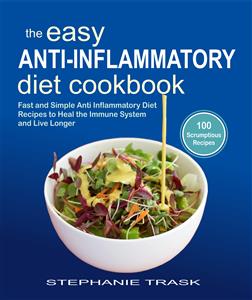
Studies show that most health issues and conditions have a direct or indirect connection to chronic inflammation in more ways than one, and food is a major culprit. The fatigue and pain associated with chronic inflammation and other related issues which include gut health problems and autoimmune disorders can be controlled and reversed with the right dietary choices, regular exercise, avoiding unnecessary stress and getting enough sleep. This book is an action-based package which addresses everything you need to know about the anti-inflammatory diet, the immune system and inflammation, autoimmune disease and immune system dysfunction, inflammation types and symptoms, anti-inflammatory diet tips, foods to eat and those foods to avoid and 100 delicious and easy anti-inflammatory diet recipes. Each anti-inflammatory diet recipe is categorized under groups such as: Breakfast recipes, Lunch recipes, Dinner recipes, Beverages, Salad recipes, Seafood recipes, Side dishes, Snacks and nibbles, and Soup recipes. This cookbook contains delicious, affordable and simple recipes that will help you prevent and reverse autoimmune disorders and other inflammatory symptoms and diseases. Eat your way to a better and healthy life today.
Das E-Book können Sie in Legimi-Apps oder einer beliebigen App lesen, die das folgende Format unterstützen:
Veröffentlichungsjahr: 2018
Ähnliche




















The Easy Anti Inflammatory Diet Cookbook: 100 Fast and Simple Anti Inflammatory Diet Recipes to Heal the Immune System and Live Longer
Stephanie Trask
Published by Stephanie Trask, 2018.
The Easy Anti- Inflammatory Diet Cookbook
100 Fast and Simple Anti-Inflammatory Diet Recipes to Heal the Immune System and Live Longer
Stephanie Trask
Copyright © 2018 Stephanie Trask
All rights reserved. No part of this publication may be reproduced, distributed, or transmitted in any form or by any means, including photocopying, recording, or other electronic or mechanical methods, without the prior written permission of the publisher, except in the case of brief quotations embodied in critical reviews and certain other noncommercial uses permitted by copyright law.
Limit of Liability/Disclaimer of Warranty: While the publisher and author have used their best efforts in preparing this book, they make no representations or warranties with respect to the accuracy or completeness of the contents of this book and specifically disclaim any implied warranties of merchantability or fitness for a particular purpose. No warranty may be created or extended by sales representatives or written sales materials. The advice and strategies contained herein may not be suitable for your situation. You should consult with a professional where appropriate. Neither the publisher nor author shall be liable for any loss of profit or any other commercial damages, including but not limited to special, incidental, consequential, or other damages.
Contents
Introduction
Inflammation and the Immune System
Immune System Dysfunction and Autoimmune Disease
Inflammatory Types
Chronic Inflammatory Symptoms
Diet and Chronic Inflammation
Anti-Inflammatory Diet Tips
Anti-Inflammatory Recipes
Breakfast
Flaxseed Banana and Zucchini Muffins
Healthy Gingerbread Oatmeal
Poached Eggs and Curried Potatoes
One-Sheet Tomatoes, Asparagus with Eggs
Orange Pineapple Smoothie
Chia Turmeric Pudding
Peaches Almond Green Smoothie Bowl
Almond Berry Smoothie Bowl
Spinach Mushroom Frittata
Cheesy Open Face Sandwich with Beet
Avocado Spinach Smoothie
Almond Berry Chia Pudding
Healthy Crepes
Banana Peanut Butter Smoothie
Peach Green Smoothie Bowl
Almond Cranberry Granola Bars
Soy Berry Banana Smoothie
Avocado Berry Smoothie
Delicious Tomato smoothie
Fiber-Rich Kale Smoothie
Lemon Papaya Mango Smoothie
Lunch
Walnuts with Roasted Grapes & Brussels Sprouts
Vegetable Burgers with Quinoa and Beet
Stuffed Peppers with Sweet Potato and Ground Chicken
Snap Pea Turkey Stir-Fry
Turmeric Quinoa Bowls
Quick and Delicious Fried Rice with Pineapple
Parchment Wrapped Lemon Ginger Salmon
Tzaztziki Sauced Chicken Burgers
Ratatouille with Zucchini and Bell Pepper
Dinner
Spaghetti Squash Stuffed with Chickpea and kale
One-Sheet Zucchini and Lime Herb Salmon
Cauli-Rice and Salmon Bowl
Veggie Coconut Curry with Chickpea
Indian Saag Paneer
Potato Curry Soup with Roasted Cauliflower
Spiced lentils with Greens and Roasted Root Veggies
Tomato, Chickpeas with Braised Cauliflower
Chickpeas, Veggies with Turmeric Rice Bowl
Cranberries, Brussels Sprouts with Balsamic Turkey
Fennel, Turmeric Roasted Turkey
Spicy Chickpea Cakes
Avocado Dipping Sauce with Roasted Sweet Potatoes
Beverage
Lime Turmeric Tea
Healthy Hot Chocolate
Delicious Blueberry Smoothie
Delicious Turmeric Latte
Therapeutic Chamomile Tonic with Herbs
Delicious Green Tea Latte
Blueberry antioxidant smoothie
Iced Pineapple Banana Smoothie
Whey Protein Power Smoothie
Salad
Grilled Turkey Wrap with Kale Caesar Salad
Orange Bulgur Sweet Potato Salad
Easy Grilled Eggplant Salad
Quick and Easy Greek Salad
Spinach Tuna Salad
Maple Walnuts, Cheese with Red Cabbage Salad
Beets, Edamame with Green Salad
Bacon with Watercress Berry Salad
Cheesy Pistachios Roasted Beet Salad
Ginger Vinaigrette with Delicious Spinach Salad
Lime, Olive Anchovy Salad with Orange
Colorful Fruit Salad
Cole Slaw
Delicious Chickpea Salad
Seafood
Brussels Sprouts with Garlic Roasted Salmon
Bagna Cauda, Veggies with Salmon
One Pan Garlic Roasted Salmon with Broccoli
Romaine, Potatoes and Roasted Salmon
Healthy Rosemary Baked Tilapia
Cucumber and Tomato Dressed Salmon
Maple Balsamic Salmon with Brussels Sprouts
Broccoli and Quinoa with Orange Salmon
Caramelized Onions and Sardines with Romaine
Greens, Chickpeas with Roasted Salmon
Delicious Grilled Mackerel
Side
Roasted Garlic Hummus
Chive and Cashew Cream Dip
Turmeric Tahini Dip with Ginger
Delicious Roasted Beet Hummus
Chickpeas with Roasted Cauliflower
Snacks and Nibble
Cranberry Peanut Trail mix
Healthy Chocolate Trail Mix
Healthy Pistachio Chocolate Kiwi
Cranberry, Raisins and Peanut Snack Mix
Walnuts and Apricots
Roasted Chickpeas with Turmeric
Soup
Thai Pumpkin Soup
Slow Cooked Chicken Chili
Turmeric Bok Choy Soup with Shrimp
Avocado & White Chicken Chili
Squash Red Lentil Curry Stew
White Bean and Turkey Chili Blanca
Lentil Veggie Soup
Turmeric Carrot Therapeutic Soup with Ginger
Spicy Lentil Soup
Turmeric Garlic Carrot Soup
Sweet Potato with Roasted Red Pepper Soup
Ginger Carrot Soup
Introduction
The immune system is one of the most complex and incredible elements of the human body and it is able to identify alien presence, which includes bacteria and viruses that may be harmful to the body. The immune system is sub-divided into two major parts, such as the innate immune system and the adaptive immune system. You were born with a completely intact innate immunity at birth, which comes with a defensive barricade like stomach acid and mucus. The innate immune system keeps out every outside threat such as cough reflex, fevers and many other antigens.
As you keep growing and developing in life, the adaptive immune system grows, adapts and develops also. Each exposure to an illness or germ is carefully documented by the adaptive immune system and this helps the body put together an automatic defense against such an illness or germ whenever you get exposed to it. An intricate system of cells, chemicals and biological pathways are used to achieve this adaptive immune process.
Inflammation and the Immune System
The inflammatory process is a very normal function of the body. The immune system activates inflammation to control tissue damage or an intruder when a potential threat is recognized. Chemical mediators known as cytokines act as indicator for the enlistment of other immune system parts which speed up the healing process by bringing about inflammation. Different proteins and cells such as white blood cells are stimulated by the immune system to restore damaged tissues and get rid of intruders and potential threats.
The inflammatory process is an integral part of the general healing process, including the healing of wounds and it is also a helpful system for getting rid of intruding microorganisms. Inflammation and the immune system go hand in hand, allowing helpful antibodies to enter into the needed area and stimulate other crucial parts of the immune system's response to speed up the healing process.
The inflammatory process of response is a succession of defense signals and systems that take on anti-inflammatory cells to the damaged area, which sequentially activates other cells that triggerother defensive systems and the like. The swelling and pain associated with inflammation are only an over-magnified response to threat or harm.
Immune System Dysfunction and Autoimmune Disease
The immune system can cause extreme or unnecessary inflammation if it gets compromised or out of control. The immune system has the ability to read distress signals (a protein known as antigen) on the surface of various cells, interpret the signal and effectively launch an attack if the cell is a likely harmful virus or bacteria. When the immune system loses part of its ability to differentiate between healthy and unhealthy cells; it is said to be dysfunctional. When the immune system becomes overactive or defective, it begins to attack healthy cells and tissues which culminate to autoimmune disease. Inflammation is a form of protection in a healthy immune system, but when it becomes defective or overactive, the inflammatory turns on healthy cells and tissues in the body instead of invaders.
Inflammatory Types
Inflammation can be helpful or harmful to the body; consequently, it becomes important to understand the difference between acute and chronic inflammation. Acute inflammation happens inside a few minutes to hours with noticeable symptoms such as pain and swelling. Usually, the pain, swelling and redness that are experienced are a controlled reaction that will leave as healing takes place. This kind of inflammatory response is a sign of healing and healthy restoration of the body.
Alternatively, chronic inflammation is an indication of a more severe underlying condition with much less obvious signs. This inflammation type tends to linger for several days, weeks, and for years if not treated and it is very likely to lead to continuous and severe tissue damage and inflammatory diseases. Chronic inflammation has been connected to rheumatoid arthritis, obesity, heart disease, asthma and other severe medical conditions.
Chronic Inflammatory Symptoms
Although, chronic inflammatory signs can be subtle, there are revealing indications to know if you have chronic inflammation, including:
Mood swings
Gum disease
Excess weight and obesity
Fatigue and constant weakness
Rashes
Joint pain
Digestive problems such as bloating
Brain fog and recurrent headaches
Diet and Chronic Inflammation
Certain food types have been known to cause inflammation and some other foods are known to fight and reduce inflammation. Diet is an important key in the fight against chronic inflammation. If you are suffering from an inflammatory or autoimmune condition, here are some common foods that cause inflammation:
Alcohol
Alcohol is a major cause of several disorders, medical conditions and diseases; and many of these diseases and medical conditions are related to inflammation.
Artificial Ingredients
MSG and aspartame are artificial ingredients that can trigger chronic inflammation.
Casein and Dairy
Lactose allergy or sensitive can be a contributing factor to inflammation. Dairy also contains casein proteins which have a comparable structure to gluten, which can be a threat to gluten-sensitive people and cause inflammation.
Gluten
The immune system of people with celiac disease or that are sensitive to gluten will take gluten protein as a potential threat; an immune response will be launched that will attack the intestines, causing nutrients malabsorption, and if left unchecked can lead to autoimmune disorders.
Refined Carbs
Refined carbs such as cookies, pasta, cakes etc, can contribute to inflammation.
Trans Fats and Saturated Fats
Systemic inflammation can be caused by consuming trans-fats. Tissue inflammation can be caused by the consumption of saturated fats which contributes to sever chronic inflammation and heart disease.
Sugar
Inflammatory pathways in the body can be induced by inflammatory chemical prompts caused by sugar consumption.
Your way of life is equally as important as your dietary choices. Attaining excellent health calls for a suitable anti-inflammatory diet, avoiding unwarranted stress, habitual exercise {30-60minutes, 4 or more times weekly} and getting enough sleep. The anti-inflammatory diet with some basic daily-life changes will help you prevent the risk of severe health problems caused by inflammation. You can enjoy a stress-free and better life with little or no illnesses.
Anti-Inflammatory Diet Tips
Chronic inflammation directly or indirectly contributes to many diseases and severe medical conditions, such as: cancer, Parkinson's disease, Alzheimer's disease, heart disease, rheumatoid arthritis and osteoarthritis. The drastic reduction and elimination of inflammation is possible and one major way it can be achieved is through dietary choices. Eating a diet that is anti-inflammatory will help to fight chronic inflammation, protect the body against a number of diseases, increase metabolism, stabilize blood sugar and sequentially slow the process of aging. Here are few anti-inflammatory diet tips to consider for optimal health:
Eat a fiber rich diet that is rich in phytonutrients found in whole foods, whole grains (like oatmeal and barley) veggies (such as onions, eggplants and okra) and fruits (such as blueberries and bananas). Eat not less than 25g of fiber daily.
Consume 4 servings of crucifers and alliums per week. Crucifers such as Brussels sprouts, mustard greens, cauliflower, cabbage and broccoli; and alliums, including leek, onions, scallions and garlic. Consuming at least 4 servings of crucifers and alliums can help lower cancer susceptibility.
Eat surplus amounts of veggies and fruits. Eat not less than 9 servings of veggies and fruits daily. 1 serving equals 1 cup of a raw leafy veggie or 1/2 cup cooked veggie or fruit. For extra antioxidant properties, add spices and herbs, such as ginger and turmeric to your cooked veggies and fruits.
Eat foods that are rich in Omega-3 fatty acids, such as soy beans, kidney beans, navy beans, walnuts and flax meal. You can also eat cold water fish such as anchovies,sardines, trout, mackerel, herring, oysters and salmon. You can also take high quality omega-3 supplements.
Consume less saturated fat. Saturated fat should be reduced to not more than 10% of your total calories per day. Reduced saturated fat will limit heart disease risk. Red meat should also be limited to once weekly, and should be well marinated with unsweetened fruit juices, tart, spices and herbs to limit toxic compound that forms while cooking.
Use healthy oils while cooking, such as organic expeller-pressed canola oil, extra virgin olive oil, expeller pressed high-oleic versions of safflower oil and sunflower oil.
Consume low fat fish such as cold water fish and low fat fish such as flounder and sole that are filled with healthy fats.
Avoid refined sugars and sweeteners, processed foods and foods high in sodium or containing high-fructose corn syrup. These foods contribute to chronic inflammation.
Consume healthy snacks such as, walnuts, almonds, pistachios, carrots, celery sticks, unsweetened or plain Greek-style yogurt and fruits.
Add spices (like thyme, sage, ginger, rosemary, turmeric, cinnamon and cloves) to your food and sweetened with phytonutrients filled fruits, such as carrots, berries, apricots and apples.
Eliminate trans-fat from your diet, research show that trans-fat contributes to inflammation. Avoid foods that contain partially hydrogenated or hydrogenated oils, such as cookies, crackers, some margarines and veggie shortenings.
The anti-inflammatory diet is a guideline to help you achieve good health, a healthy immune system, overall wellbeing and longevity. With this new found knowledge and the recipes below, you can satisfactorily combat chronic inflammation, inflammatory conditions and autoimmune disorders.
Anti-Inflammatory Recipes
Breakfast
Flaxseed Banana and Zucchini Muffins
Preparation Time: 10 minutes
Cook Time: 25 minutes
Serves: 12 muffin servings
Ingredients
1 tsp baking powder
2 tsps baking soda
1 tsp cinnamon, ground
1/2 tsp sea salt
1 ripe big banana, mashed
1 1/2 cups zucchini, roughly grated
1 (lightly beaten) big egg
3/4 cup whole milk
1 tsp pure vanilla extract
Directions




