


2,99 €
Mehr erfahren.
- Herausgeber: shalombrain
- Kategorie: Ratgeber
- Sprache: Englisch
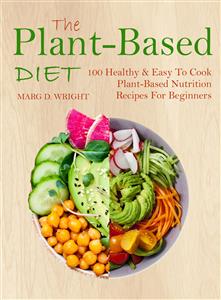
A plant-based diet is a type of diet based on real whole foods derived from plants, including nuts, seeds, fruits, legumes, vegetables and whole grain with little or no animal products. A plant-based diet is a health beneficiary diet that contains alot of natural nutrients that is not usually available in processed animal foods. A plant-based diet assists in reducing high blood sugar, increasing weight loss, preventing type 2 diabetes, inflammatory diseases, several heart related dieseases and adding to the life longetivity of an individual. This Plant-Based Diet CookBook is the complete plant-based diet cookbook for any plant-based diet beginner, vegetarian or veteran vegan with the desire for new, easy to cook and delicious plant based recipes to enjoy. For easier understanding and seamless use, this Plant-Based Diet CookBook has been sub-categorized into different chapters such as: breakfast recipes, salad & dressing, main dish, side dish, soup and smoothie recipes.
Das E-Book können Sie in Legimi-Apps oder einer beliebigen App lesen, die das folgende Format unterstützen:
Veröffentlichungsjahr: 2018
Ähnliche


















The Plant-Based Diet CookBook
––––––––
100 Healthy & Easy To Cook Plant-Based Nutrition Recipes For Beginners
––––––––
MARG D. WRIGHT
Copyright © 2018 Marg D. Wright
All rights reserved, no part of this publication may be reproduced, distributed, or transmitted in any form or by any means, including photocopying, recording, or other electronic or mechanical methods, without the prior written permission of the publisher, except in the case of brief quotations embodied in critical reviews and certain other noncommercial uses permitted by copyright law.
Limit of Liability/Disclaimer of Warranty
While the publisher and author have used their best efforts in preparing this book, they make no representations or warranties with respect to the accuracy or completeness of the contents of this book and specifically disclaim any implied warranties of merchantability or fitness for a particular purpose. No warranty may be created or extended by sales representatives or written sales materials. The advice and strategies contained herein may not be suitable for your situation. You should consult with a professional where appropriate. Neither the publisher nor author shall be liable for any loss of profit or any other commercial damages, including but not limited to special, incidental, consequential, or other damages.
TABLE OF CONTENTS
INTRODUCTION
Vegan VS Plant-Based Diet
Difference Between Vegan And Plant-Based Diet
HOW TO GET STARTED
Benefits Of Plant-Based Diet
FOOD GUIDE
What To Eat Regularly
What To Eat Occasionally
What Not To Eat
BREAKFAST RECIPES
Apple Muffins & Chai Spice
Oil-Free Potatoes Roast
Burrito & Tofu Scramble
Overnight Chia Seeds & Oatmeal
Vegan Huevos Casserole With Ranchero Sauce
Sun-Dried Tomato, Broccoli & Leek Quiche
Banana Bread with Maple Glaze
Oats & Almond Extract
Blueberry, Coconut & Lime Bars
Cornmeal & Milk Waffles
Nuts, Berries & Oatmeal
Sweet Potato & Paprika Hash Browns
Pumpkin & Banana Pancakes
Homemade Almond Milk
Oats & Lentil Porridge
Tofu & Mushrooms Scramble
Mushroom & Tortillas Tacos
Cornmeal & Chilies Casserole
Banana & Zucchini Pancakes
Carrot Pancakes
Oat & Quinoa Cereal
Zucchini & Chickpeas Cakes
Smashed Potatoes & Parsley Pancakes
MAIN DISH
Lettuce Wraps & Exotic Tempeh
Thai, Curry & Coconut Tofu
Creamy Polenta Ratatouille
Crunchy Tempeh Crumbles
Basil & Marinara Sauce
Spinach & Pasta Puttanesca
Stuffed Peppers & Cashews Toppings
Black Beans & Tacos
Beet & Black Bean Burger
Broccoli, Leek & Sun-Dried Tomato Quiche
Potato & Black Bean Quesadilla
Pineapple Salsa & Poblano Chilies
Chickpeas, Potatoes & Chana Masala
Sloppy Joes Sandwich
Eggplant, Mushrooms & Peppers
Thai Curried Swiss Chard & Potatoes
Potatoes With Chili & Corn Salsa
Quinoa Salad With Vinegar dressing
Mushroom & Vegetables Tacos
SALAD & DRESSING
Kidney & Cannellini Bean Salad
Vegetable & Tofu Feta Salad
Blackberry & Watermelon Caprese Salad
Broccoli & Beans Salad
Oil-Free Vinaigrette
Barley Bean & Cauliflower Rice Salad
Chickpeas & Rice Salad
Exotic Rice Salad
Macaroni Salad
Honey Mustard Dressing
Ranch & Lime Dressing
Apple & Romaine Salad
Apple Beet & Arugula Salad
Watermelon Salad with Tofu Feta
Romaine & Hummus Caesar Salad
Panzanella Salad
Farro & Swiss Chard Salad
Exotic Salad With Lime Cilantro Dressing
Cannellini & Tahini Dressing
Corn, Basil & Avocado Salad
Cucumber & Lentil Salad
Green Goddess Dressing
Green Beans & Roasted Potato Salad
Roasted Mushrooms & Cauliflower Salad
Roasted Yam, Mushrooms & Onion Salad
Quinoa Salad & Peanut Dressing
Kale & Orange Juice Salad
Spinach & Quinoa Salad
Quinoa & Mango Dressing Salad
Roasted Potato & Dill Salad
Brussels Sprouts & Kale Salad
Cucumber, Tomato & Apple Cider Salad
DRINKS & SMOOTHIES
Kale, Chai & Flax Seeds Smoothie
Pumpkin Pie & Banana Smoothie
Mint & Cocoa Smoothie
Blackberry & Chocolate Smoothie
Heart Pomegranate & Berries Smoothie
Healthy Turmeric & Milk Smoothie
Hibiscus & Stevia Tea
Homemade Soy & Cornstarch Yogurt
Vegetable Juice
Berry & Almond Milk Smoothie
SIDE DISHES
Roasted Cauliflower, Curry & Peas
Roasted Baby Turnips & Vinaigrette
Smashed Cauliflower & Gravy
Vegan Cornbread & Flaxseeds
Sautéed Greens & Tamari
Roasted Kabocha Squash & Vinegar
Sweet Potato & Berry Casserole
Glazed Radishes
SOUP & STEW
Carrot, Tomato & Vegetables Soup
Farro & Vegetable Soup
Curried Coconut Lentil Yam Soup
Creamy Cauliflower Soup
Tomatoes & Gazpacho Soup
Kale & Lentil Soup
Vegetable Soup with Ravioli
Beefless Mushrooms Stew
INTRODUCTION
During a recent study of over 450,000 adults, it was discovered that those who observed a plant-based diet, that had a 70% content of plants, had a 20% reduced risk of dying from a stroke or heart disease which was far more than those whose diets majored on dairy and meat. Statistics from a Harvard research that evaluated over 120,000 individuals for the duration of 30 years shows that those who consumed more red meat usually died at a younger age during the duration of the research but that exchanging one daily consumption of beef for nuts could reduce the risk by as much as 19% of dying at an early age.
Observing a plant-based diet is not just some random dietary changes you make or undergo, it is a health beneficial diets that goes beyond eating plant-based foods to assisting in reducing blood sugar, increasing weight loss, preventing type 2 diabetes, inflammatory diseases, several heart related diseases and possibly adding to the life longevity of an individual.
One of the main reasons why a plant-based diet is this beneficiary is because a plant-based diet contains a lot of natural nutrients not found in processed animal foods, which can boost the blood lipid levels. It has been observed that making the switch from a typical American diet (which consist of a lot of meat, processed foods and junks) to a plant-based diet (including less meat) was connected with a 10-15% decrease in total and LDL “bad” cholesterol. Going by the results of 27 different studies in the American Journal of Cardiology, changing to a vegan diet (with no meat, egg or dairy) led to an even more drastic change.
Whether you are a veteran vegan, dedicated vegetarian or a beginner just starting out with a plant-based diet, this book is all you need to be full inducted into plant-based diet and, or continue your veganism adventure with new, easy to cook and delicious plant-based recipes to enjoy.
Join me on this voyage into the world of plant-based dieting.
Marg D. Wright
Vegan VS Plant-Based Diet
A plant-based diet is simply a diet based on foods gotten from plants, including nuts, seeds, fruits, legumes, vegetables and whole grains but with little or no animal products.
While a vegan diet is based on foods that contains no animal sourced foods at all and is strictly plant derived.
Due to the similar elimination of animal derived food in both a vegan diet and plant-based diet, it’s easy to see why people might consider vegan dieting to be the same as plant-based dieting.
Difference Between Vegan And Plant-Based Diet
Veganism is a lifestyle of choice, a philosophy deeply committed to animal rights. Being a vegan is a choice that includes diets, ethics and politics. Vegans go beyond just eliminating animal products from their meals, but from all parts of their lives.
Most vegans desist from using any products derived from animals, such as; fur, silk, wool or leather; honey, beeswax which are gotten from insects including toiletries that may be produced from or tested on animals.
A plant-based dieter on the other hand, refers to an individual who for various reasons decide to eliminate or reduce to a minimal, his or her consumption of animal products to be replaced by whole, plant derived foods.
A plant-based dieter might still opt to use or wear animal produced products such as leather, fur, silk and the rest.
By definition a plant-based diet might be considered as a vegan diet but an individual who follows a plant-based diet is not in specifically a vegan.
HOW TO GET STARTED
Adopting a plant-based diet might look intimidating at first, the thought of letting go of meat, poultry and regular American dishes that you have become accustomed to might be scary but it's not. It's not easy but it also is not that difficult. It's all about understanding yourself, the process and exercising patience.
Below, I will outline a few tips that will be useful in starting out with a plant-based diet.
1. Give Yourself A Reason: There are a lot of different reasons as to why people follow a plant-based diet; some might be health related, others because they don't agree with the treatments of animals, others just as a dietary change, some in order to lose weight and a few others just the thrill of trying out new things. It is very important to discover this reason(s) as this will be your driving force when the road gets bumpy and slow. It's this reason you would have to constantly remind yourself of and keep you on your toes to achieving your goal.
2. Be Patient With Yourself: The desire to completely crossover to a full plant-based diet might be high and overwhelming but you have to give room for when a craving for the old diets come calling. Transitioning completely might not be easy and realistic for everyone so you don’t have to beat yourself over and feel bad if you sub corn to your old eating habit, relax, embrace and enjoy the process.
If a complete plant-based diet does not initially work for you, you can start out by just eliminating a piece of meat and replacing it with a plant-based food, do this for a period of time and within a short duration of time, you would have completely transformed into a full-fledged plant-based dieter.
3. Increase The Intake Of Fruits And Vegetables: One of the easiest ways you can make the transition into plant-based dieting is to develop a taste and desire for plant-based item, and the only way by which these can be accomplished is to increase the consumption of fruits and vegetables. By the time you start taking more of these food items, you would naturally be inclined to like them, and then having a meal with no meat or dairy will become less of a challenge.
4. Create A Healthy Plant-Based Environment: It's pretty simple, we are influenced and attracted by what we see. This is the time to take away any non-plant-based food items that could be of temptation out of the immediate environment. Clear out the refrigerator and restock it with plant-based foods, reduce the visits to the nearby
eatery to avoid the temptations of junks and fast unhealthy foods. Create a positive plant-based environment that you can thrive in.
5. Build A Support Network: One way by which you can make this transition seamless, is if you have immediate family and friends supporting you on the journey.
Discuss with your family and friends about your dietary change and help them to understand the benefits and why you opted for. You could go online, and search for support groups or communities of people who are also into plant-based dieting, and things will become surprisingly easier.
Benefits Of Plant-Based Diet
Due to the high rate of nutritional elements present in plant-based diet, the diet offers many health-related advantages that almost everybody can benefit from.
1. Reduce Blood Pressure: Potassium is one of the essential nutrients that helps to reduce blood pressure. Plant based foods like nuts, seeds, legumes, whole grains, fruits and vegetables contain a high amount of vitamin B6 and potassium as opposed to most meat and animal products that have little to no content of potassium. So naturally, people living on a plant-based diet have a reduced blood pressure owing to the high intake of potassium-enriched foods.
2. Lower Cholesterol: Plant based foods contains no cholesterol, unlike eggs, fish, meat and poultry which all have a high level of cholesterol content. So, when you swap your intake of cholesterol filled foods (animal products) for a no cholesterol foods (plant-based) your cholesterol level is automatically reduced.
3. Better Blood Sugar: The most efficient way of fighting high blood sugar is increasing the intake of fiber; as fiber helps to reduce the absorption of sugar into the blood streams and balance out the level of cortisol in the body. Animal products, despite the myth has be found to actually raise blood sugar levels in people.
4. Lower Risks Of Cancer: Colon and breast cancer has being linked with animal products as their root cause. Besides avoiding alcohol and smoking, a low fat, whole foods plant-based diet is the most efficient means to increase the chances of preventing cancer.
5. Reduce Heart Diseases: Due to the low blood pressure and cholesterol benefits a plant-based diets provide, diabetes and most heart disease such as hypertension which leads to cardiac arrest as reduced.
6. Weight Loss: When you take in whole foods, plant-based diets that are low in fat and processed sugars you are going to lose a lot of weight without going hungry or feeling deprived. Loss of weight naturally occurs when you eat more of fiber, minerals and vitamins. Most people lose up to five pounds of weight within the first two weeks of a plant-based diet.
FOOD GUIDE
To enjoy the maximum health benefits that a plant-based diet offers, foods that are non-plant-based must be totally eliminated with the exception of a selected few that may be consumed occasionally, if necessary.
Below are the categories of foods you can eat freely, occasionally and the ones you have to do away with completely.
What To Eat Regularly
Non-starchy Vegetables such as zucchini, eggplant, broccoli, tomatoes and leafy greens etc...
Starchy vegetables such as quinoa, legumes, potatoes, whole corn, root vegetables etc...
Fruits: all types of whole fruits
Whole Grain such as oats, brown rice, 100% whole wheat etc...
Beverages such as water, green tea, unsweetened plant milks, decaffeinated tea and coffee
Spices all types of spices
Chia seeds, ground flax seed, whole, cooked grains and pastas
What To Eat Occasionally
Nuts such as almond, cashews, peanuts and walnuts
Sesame, pumpkin, coconut, avocados and sunflower
Dried fruit and added sugars and sweeteners
Maple syrup, natural sugars, fruit juice concentrate
Caffeinated tea and coffee
Refined soy protein and wheat protein
Tofu, seitan, soy protein isolate
What Not To Eat
Meat such as fish, poultry, seafood, red meat, processed meat
Dairy such as milk, cream, cheese, yogurt and buttermilk
Added fats such as eggs, butter, margarine, coconut oils and liquid oils
Refined flours, added sugar foods
Cakes, cookies, pastries, candy bars and snack/energy bars
Soda, energy drinks, sports drinks, tea drinks, blended coffee and sweetened drinks




