


5,49 €
Mehr erfahren.
- Herausgeber: Shuttle Systems Ltd
- Kategorie: Lebensstil
- Sprache: Englisch
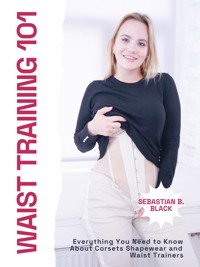
"Transform your body and enhance your life with the power of waist training."
Discover the secrets of waist training and transform your body with this comprehensive guide. "Waist Training 101: Everything You Need to Know About Corsets, Shapewear, and Waist Trainers" is the ultimate resource for anyone looking to improve their posture, reduce back pain, achieve an hourglass figure, and boost their confidence.
Dive deep into the world of waist training, starting with its history and the various types of waist trainers available. Learn how to correctly measure your waist, choose the perfect waist trainer, and understand the risks and benefits associated with this practice.
Master the art of waist training with detailed instructions on how to get started, exercises to complement your waist training routine, and guidance on incorporating waist training into your fitness regime. Enhance your waist training results by learning about the role of diet, nutrition, and self-care in achieving your desired body shape.
Find the answers to your burning questions, such as whether you can sleep in a waist trainer, how waist training affects pregnancy, and the relationship between waist training and weight loss. Troubleshoot common problems and avoid mistakes to maximize your waist training results.
Be inspired by real-life success stories and learn how to maintain your waist training results for a healthy and happy life. With this comprehensive guide, you'll be well-equipped to embark on your waist training journey and transform your body and life.
Unlock the hidden secret of waist training and join countless others who have successfully reshaped their bodies and improved their lives. "Waist Training 101: Everything You Need to Know About Corsets, Shapewear, and Waist Trainers" will be your go-to guide for understanding the intricacies of waist training, from choosing the right shapewear to mastering proper technique.
Get ready to learn how waist training can improve your posture, strengthen your core muscles, and give you a better understanding of your body. Explore the future of waist training and the role it plays in promoting body positivity and self-love, as well as emerging trends and innovations in the field.
Whether you're new to waist training or a seasoned pro, this book offers valuable insights, practical advice, and the motivation you need to make waist training an integral part of your lifestyle. Embrace the transformative power of waist training and experience the benefits for yourself with "Waist Training 101: Everything You Need to Know About Corsets, Shapewear, and Waist Trainers."
Order your copy today and start your waist training journey towards a more confident, healthier, and happier you!
Das E-Book können Sie in Legimi-Apps oder einer beliebigen App lesen, die das folgende Format unterstützen:
Veröffentlichungsjahr: 2023
Ähnliche



















Created by BornIncredible.com
All rights reserved.
Copyright © 2005 onwards .
By reading this book, you agree to the below Terms and Conditions.
BornIncredible.com retains all rights to these products.
No part of this book may be reproduced in any form, by photostat, microfilm, xerography, or any other means, or incorporated into any information retrieval system, electronic or mechanical, without the written permission of BornIncredible.com; exceptions are made for brief excerpts used in published reviews.
This publication is designed to provide accurate and authoritative information with regard to the subject matter covered. It is sold with the understanding that the publisher is not engaged in rendering legal, accounting, health, relationship or other professional / personal advice. If legal advice or other expert assistance is required, the services of a competent professional should be sought.
A New Zealand Made Product
Get A Free Book At: BornIncredible.com/free-book-offer/
Table Of Contents
Introduction
What is waist training?
What is waist training?
What are the benefits of waist training?
Improved posture
Reduced back pain
Better breath control
Faster metabolism
Better digestion
Stronger core muscles
How to correctly measure your waist to get the prefect waist trainer fit.
What are the risks of waist training?
How to get started with waist training
Understanding Your Body
Understanding Your Body Shape
Understanding Your Waist and Abdominal Muscles
Understanding How Waist Training Affects Your Body
Getting Started with Waist Training
Preparing Your Body for Waist Training
Breaking in Your Waist Trainer
Understanding How Long to Wear Your Waist Trainer
Exercises to Complement Your Waist Training
Understanding How Exercise Can Help Your Waist Training Results
Incorporating Waist Training into Your Fitness Routine
Waist Training Exercises
Side Bends
Planks
Russian Twists
Bicycle Crunches
Side Planks
Jumping Jacks
Mountain Climbers
Burpees
Leg Raises
Squat Jumps
Single-Leg Deadlifts
Cross-Body Mountain Climbers
Side Plank Hip Dips
Bicycle Kicks
Skater Jumps
Russian Deadlifts
Superman
Woodchoppers
Bird Dog
Side Lunges
Diet and Nutrition for Waist Training
Understanding How Your Diet Affects Your Waist Training Results
Foods to Eat and Avoid for Optimal Waist Training Results
Creating a Healthy and Sustainable Meal Plan for Waist Training
Waist Trainers Are A Hidden Secret...
Waist Training for Special Occasions
How to Wear Your Waist Trainer for Special Events
How to Choose the Right Outfit to Complement Your Waist Training Results
Tips for Looking and Feeling Your Best in Your Waist Trainer
What are the different types of waist trainers?
What is Shapewear?
The history of the corset
What are the best waist trainers?
1. Corsets
2. Waist Cinchers
3. Waist Belts
4. Girdles
5. Body Shapers
How to care for your waist trainer
Tips for success with waist training
Waist Training and Pregnancy
The Risks and Benefits of Waist Training During Pregnancy
How to Wear a Waist Trainer Safely During Pregnancy
Tips for Postpartum Waist Training
Waist Training and Weight Loss
Understanding the Relationship Between Waist Training and Weight Loss
How to Incorporate Waist Training into Your Weight Loss Journey
Tips for Maintaining Your Weight Loss Results with Waist Training
How do you properly use a waist trainer?
How can waist training help you achieve your desired body shape?
1. Waist training is a great way to help achieve your desired body shape.
2. It can help you to achieve a slimmer waistline.
3. It can help to improve your posture.
4. It can help to increase your confidence.
5. It can help you to better your curves.
Tips for proper waist training technique:
What are the risks and side effects of waist training?
How can you maximize your results with waist training?
What are some mistakes people make when waist training?
How do you troubleshoot common problems with waist training?
How a waist trainer can improve posture
Understanding the Importance of Good Posture by Waist Training
Exercises to Improve Your Posture for Waist Training
Planks
Shoulder Blade Squeezes
Cat-Cow Stretch
Wall Angels
Pelvic Tilt
Bridge
Scapular Retraction
Chest Stretch
Neck Stretches
Seated Leg Lifts
Wall Sit
Reverse Plank
Lunges
Standing Forward Bend
Cat-Cow with Leg Lift
Deadlifts
Kneeling Hip Flexor Stretch
Seated Twist
Standing Hip Extension
Squats
Back Extensions
Incorporating Good Posture into Your Daily Routine for Waist Training
How a waist trainer can improve back pain
You can achieve better hourglass figure
Waist Training and Body Image
Understanding the Relationship Between Waist Training and Body Image
How to Maintain a Positive Body Image While Waist Training
Tips for Building Confidence Through Waist Training
Waist Training and Self-Care
How to Incorporate Waist Training into Your Self-Care Routine
Understanding How Waist Training Can Improve Your Mental Health
Tips for Practicing Self-Care While Waist Training
Can You Sleep In A Waist Trainer?
1. Wearing a waist trainer to bed is a growing trend
2. People believe sleeping in a waist trainer will help them lose weight quicker
3. There are some risks associated with sleeping in a waist trainer
4. Sleeping in a waist trainer can make you feel hotter
5. Waist trainers at night can be uncomfortable and can cause skin irritation
6. You may also experience disturbed sleep and nightmares
7. If you decide to sleep in a waist trainer, be sure to get a good quality one
Conclusion
Maintaining Your Waist Training Results
How to Maintain Your Waist Training Results Over Time
Tips for Incorporating Waist Training into Your Long-Term Lifestyle
The Importance of a Healthy Mindset for Waist Training Success
The Future of Waist Training
Emerging Trends and Innovations in Waist Training
The Role of Waist Training in Body Positivity and Self-Love
How to Continue Your Waist Training Journey for a Healthy and Happy Life.
Jane’s Story:
Anna’s Story:
Sophie’s Story:
Olivia’s Story:
Emily’s Story:
Samantha's Story:
Lily's Story:
Sarah's Story:
Emily's Story:
Natalie's Story:
Sophia's Story:
Rachel's Story:
Ella's Story:
Emily Story:
Frequently Asked Questions.
Why am I not seeing results in my waist trainer?
What are the side effects of wearing a waist trainer?
Does your waist stay small after waist training?
Does waist training permanently change your waist?
Should I wear clothes under my waist trainer?
What not to do while waist training?
Should a waist trainer be tight?
Does waist training actually work?
How long do you have to wear a waist trainer to see results?
Does waist training flatten your stomach?
How long does it take to train your waist?
What are the cons of waist training?
Can I really shrink my waist by just doing waist exercises?
Where does the fat go when corset training?
Is it good to sleep in waist trainer?
What does a waist trainer do to your stomach?
How to lose belly fat in 2 weeks?
How do I get rid of my lower belly fat?
What's the best way to lose belly fat?
How can I shape my waist fast?
What is the most effective way to waist train?
What's the difference between a corset and waist trainer?
Can I lose 4 inches off my waist in a month?
How long does it take to lose 2 inches off your waist?
How to lose 3 inches off waist?
What happens if you gain weight while waist training?
Do you eat less with a corset?
Why do waist trainers make me look bulky?
Can you sit with a waist trainer on?
How tight should a waist trainer be?
What are the pros and cons of waist training?
When should you use a waist trainer?
What are the 5 foods that burn belly fat?
What is the fastest exercise to lose belly fat?
How can I lose 5 inches off my waist?
What causes hanging belly fat?
What causes lower belly pooch?
How do I get the best waist training results?
What are the tips for putting on a waist trainer?
Can I sleep with waist trainer?
How should a beginner waist train?
Will my body ever take the shape of my waist trainer?
Does waist training lift your breast?
What are the benefits of wearing a waist trainer?
What should you eat while wearing a waist trainer?
Why does my stomach hurt after waist training?
Does waist trainer give you curves?
Can a waist trainer help with bloating?
How do you cinch your waist?
How long does it take to shrink your waist?
Do the Kardashians wear waist trainers?
What exercises make your waist appear smaller?
How do I get rid of my belly pooch?
Should you wear a bra with a waist trainer?
How do I protect my skin from waist trainer?
Why does my waist trainer folds when I sit?
How do I know if my waist trainer is working?
How long does it take to see results from a waist trainer?
Do waist trainers push fat to hips?
Why do female bodybuilders wear waist trainers?
Do waist trainers flatten your stomach?
Should you sleep in waist trainer?
Will wearing a waist trainer slim my waist?
Does waist training tighten skin?
How can I slim my waist?
How do you get rid of love handles?
What are the side effects of waist trainer?
How should you lay down with waist trainer?
How many inches can you lose in a week with a waist trainer?
What does a corset do?
What was the reason of wearing corset?
What is the meaning of corsets?
Do corsets help posture?
Does a corset flatten your stomach?
Is it OK to wear corset all day?
What are the negative effects of corsets?
At what age did girls start wearing corsets?
Why did girls stop wearing corsets?
Why do corsets have a bad reputation?
Do corsets show under clothes?
Are corsets meant to be worn over clothes?
How many hours should I wear a corset?
How tight should a corset be?
Can you sleep with a corset on?
Can you lose weight in 3 months with a corset?
Can a corset change your body type?
Do you still wear a bra with a corset?
Do corsets really shrink your waist?
Do you need a bra with a corset?
What happens to your insides when you wear a corset?
Do corsets give you cleavage?
Which shapewear is best?
Does shapewear flatten stomach?
Should you buy shapewear in your size or smaller?
Does shapewear actually work?
How do I choose a body shaper size?
Does shapewear prevent sagging?
Where does the fat go when you wear shapewear?
How can I hide my lower belly pooch?
What are the pros and cons of shapewear?
How do you go to the bathroom with shapewear?
What shapewear makes you look the skinniest?
Why do some shapewear make you look bigger?
What is the disadvantage of wearing shapewear?
What are the cons of wearing shapewear?
Is it OK to wear shapewear everyday?
Should you buy shapewear a size larger?
Do you wear a bra with a body shaper?
What is Level 2 shapewear?
What is the difference between shapewear and compression?
How should I dress with loose belly skin?
Is a waist trainer or shapewear better?
Is shapewear the same as Spanx?
How can I look thinner without shapewear?
How do you use the pee hole in Spanx?
Is shapewear with pee hold better?
Why corsets are better than bras?
What happens if you stop wearing a corset?
What is a male corset called?
Should I let my 14 year old wear a corset?
Should I let my 13 year old wear a corset?
Were male corsets a thing?
Are corsets sexualised?
How many hours a day should you wear shapewear?
Does shapewear permanently change your shape?
Does shapewear make your bum look bigger?
Why is my lower belly pooch so big?
Does shapewear help with lower belly fat?
Save On a New WaistTrainer.
Have Questions / Comments?
Get Another Book Free
Introduction
If you're not familiar with the term "waist training," it simply refers to the practice of cinching your waist with a Corset-like garment to achieve an hourglass figure. While some people may do this for purely aesthetic reasons, others may do it for health reasons, such as to improve their posture or relieve back pain. There is debate surrounding the efficacy of waist training, but many people swear by it and report seeing results.
The corsets worn for waist training are typically made of a combination of materials, including steel boning, lace, and cotton. They are worn tightly around the waist and fastened with laces or hooks, and are worn for several hours a day, gradually increasing the amount of time worn each day. The goal is to train the waist to take on a smaller shape and reduce the size of the waist over time.
There are many different ways to go about waist training, but the most important thing is to find a method that works for you and to be consistent with it. Some people wear their waist trainers for a few hours a day, while others wear them all day long. It really depends on your goals and your comfort level. If you're just starting out, it's generally recommended to ease into it and not to wear your trainer for more than a few hours at a time.
There are different types of corsets available for waist training, each with their own benefits and drawbacks. Underbust corsets, for example, are worn underneath clothing and provide support to the lower back, which can be beneficial for people with back pain. Overbust corsets, on the other hand, cover the entire torso and can provide support for the breasts.
The corsets used for waist training typically come in different levels of stiffness, with some being made with steel boning for maximum compression and others being made with plastic boning for a more comfortable fit. It is important to choose a corset that is the right fit for you and to start with a corset that is not too tight. As you become more comfortable wearing the corset and your waist becomes more accustomed to the compression, you can gradually tighten it.
It is important to note that waist training should be done under the guidance of a professional corsetiere or a medical professional. They can help you choose the right corset, give you advice on how to properly wear and care for it, and monitor your progress.
If you're considering waist training, there are a few things you should keep in mind.
We will go over these in the next few chapters.
What is waist training?
The Victorian era saw a surge in the popularity of corsets and other constricting functional fashion items designed to alter the shape of the wearer’s body. While these items fell out of fashion in the early 1900s, they have experienced a resurgence in popularity in recent years. Dubbed “waist training,” this practice involves wearing a corset-like garment for extended periods of time in order to gradually reduce the size of the waist.
One of the main benefits of waist training is that it can help you achieve a more hourglass figure. The hourglass figure is characterized by a smaller waist and larger hips and bust, and is considered to be one of the most attractive body shapes. By wearing a corset that compresses the waistline, you can create the illusion of a smaller waist and a more pronounced hourglass shape.
There are a number of different waist training methods, but all involve wearing a corset-like garment for extended periods of time. This can be done with a specialized waist training corset, or with a more general garment such as a tight-lacing corset or girdle. Waist training can be a lengthy process, and results will vary from person to person. Some people may see a noticeable difference in the size of their waist after just a few weeks, while others may need to waist train for months or even years to achieve their desired results.
What is waist training?
Waist training is a process of gradually reducing your natural waist size by wearing a corset. The corset is a garment that is worn around the torso and is usually made out of a heavy material like leather or denim. It is very important to choose a corset that fits properly, as an ill-fitting corset can cause health problems.
When you first start waist training, you will likely notice a difference in the way your clothes fit. Your waist will appear to be smaller, and you may notice that you have to wear looser clothing around your hips and thighs. This is because the corset is pulling in your waist and creating a slimmer silhouette. As you continue to waist train, you will see your natural waist size gradually decrease.
Waist training is not a quick fix, and it takes dedication and commitment to see results. It is important to be patient and consistent with your waist training regimen. Wearing a corset for a few hours a day, every day, will help you see the best results. You can gradually increase the amount of time you wear your corset as you become more comfortable with it.
While waist training can be an effective way to achieve a smaller waistline, it is important to remember that it is not a substitute for a healthy diet and regular exercise. In fact, a healthy diet and regular exercise are essential for maintaining a healthy waistline and overall health.
––––––––
If you are considering waist training, it is important to do your research and consult with a physician to ensure that it is safe for you. Waist training is not for everyone, and it is important to understand the risks involved before starting.
What are the benefits of waist training?
When you hear the term “waist training,” you may think of corsets and other devices that were used in the past to give women an exaggeratedly small waist. But waist training does not have to be about unrealistic standards of beauty. It can simply be a way to target and tone the muscles in your midsection.
There are many benefits to waist training, including:
1. improved posture
2. reduced back pain
3. better breath control
4. faster metabolism
5. better digestion
6. stronger core muscles
Improved posture
We often have poor posture due to the way we sit at desks, hunch over our computers, or look at our phones. This can lead to a number of problems, including back pain, neck pain, and headaches. Waist training can help improve your posture by pulling your shoulders back and your torso upright. This can also help to reduce back pain.
Reduced back pain
Back pain is a very common problem, and it can be caused by a variety of factors, including poor posture, muscle tension, and herniated discs. Waist training can help to reduce back pain by supporting the spine and correcting posture.
Better breath control
The way we breathe has a big impact on our overall health. When we breathe shallowly, we don’t take in enough oxygen and this can lead to fatigue, anxiety, and a number of other problems. Waist training can help improve your breath control by forcing you to take deeper breaths. This can help to improve your overall energy levels and reduce stress.
Faster metabolism
A faster metabolism means that your body is able to burn calories more quickly. This can help you to lose weight, or at least prevent weight gain. Waist training can help to speed up your metabolism by increasing muscle activity in your midsection.
Better digestion
Poor digestion can lead to a number of problems, including bloating, gas, and constipation. Waist training can help to improve digestion by massaging the internal organs and promoting peristalsis.
Stronger core muscles
The core muscles are the muscles in the abdomen and lower back. These muscles are important for a variety of activities, including posture, balance, and lifting. Waist training can help to strengthen the core muscles, which can in turn lead to better posture and improved performance in activities such as lifting and sports.
How to correctly measure your waist to get the prefect waist trainer fit.
Measuring your waist correctly is crucial for getting the perfect fit for your waist trainer. The first step in measuring your waist is to determine where your natural waistline is. Your natural waistline is the narrowest part of your torso, typically located just above your belly button. To find your natural waistline, bend to one side and feel for the crease or indentation. This is where your natural waistline is located.
Once you have located your natural waistline, the next step is to measure your waist. To do this, you will need a flexible measuring tape. Wrap the measuring tape around your waist at the natural waistline, making sure it is level and not too tight or too loose. Take the measurement in inches and note it down.
It's important to make sure that you are wearing the appropriate clothing when measuring your waist. Wearing tight clothing can give an inaccurate measurement, while wearing loose clothing can cause the measuring tape to ride up or down, resulting in an incorrect measurement. It's best to wear form-fitting clothing or to measure your waist while wearing only your undergarments.
When purchasing a waist trainer, it's important to check the sizing chart provided by the manufacturer. Different brands and styles may have different sizing measurements, so it's important to compare your measurement to the sizing chart to ensure that you are getting the correct size.
In addition to measuring your waist, it's also important to consider the length of the waist trainer. Waist trainers come in different lengths, from shorter styles that sit at the waist to longer styles that extend down to the hips. Consider the type of clothing you will be wearing with your waist trainer and choose a length that will not be visible under your clothing.
When trying on a waist trainer, it should be snug but not too tight. You should be able to breathe comfortably and move freely while wearing it. The waist trainer should also sit at your natural waistline and not ride up or down. It's important to make sure that the waist trainer is the right size and length before purchasing it.
It is also important to remember that waist training is not a quick fix or a replacement for proper diet and exercise. It's important to maintain a healthy lifestyle, including regular exercise and a healthy diet, in order to achieve your desired results. Waist training can be a helpful tool in achieving your fitness goals, but it should be used in conjunction with a healthy lifestyle.
In conclusion, measuring your waist correctly is crucial for getting the perfect fit for your waist trainer. Make sure to determine your natural waistline and use a flexible measuring tape to measure your waist in inches. Compare your measurement to the sizing chart provided by the manufacturer and choose a length that will not be visible under your clothing. Remember that waist training should be used in conjunction with a healthy lifestyle, including regular exercise and a healthy diet, to achieve your desired results.
What are the risks of waist training?
While waist training can give you the shapely midsection that you’ve always wanted, it’s important to be aware of the risks involved before you start. Waist training has the potential to cause a number of health problems, including:
Organ damage: When you wear a corset or other tight-fitting garment around your waist, it puts pressure on your internal organs. Over time, this can cause them to shift out of place or even become damaged.
Breathing difficulties: Wearing a corset or other constrictive clothing can make it difficult to take deep breaths. This can lead to a condition called hyperventilation, which can cause dizziness, lightheadedness, and even fainting.
Muscle pain: Wearing a corset can also cause pain in your muscles and joints. This is because the corset pulls your muscles and bones in unnatural ways, which can cause strain and pain.
Digestive problems: Wearing a corset can also cause digestive problems. This is because the constriction can put pressure on your stomach and intestines, which can lead to heartburn, indigestion, and constipation.
While waist training can give you a slimmer waistline, it’s important to be aware of the risks before you start. If you’re considering waist training, be sure to talk to your doctor first to make sure it’s safe for you.
How to get started with waist training
Waist training is the process of wearing a corset or other constrictive garment to gradually reduce the size of your waist. Many people who waist train also follow a healthy diet and exercise regime to help them achieve their desired results.
If you're interested in waist training, there are a few things you need to know before you get started. Here are four tips to help you get started with waist training:
1. Find the right corset or garment for you. Not all waist training garments are created equal. It's important to find one that is comfortable and fits well. There are many different types and styles of corsets and other waist training garments available, so do your research to find the one that's right for you.
2. Start slowly. Don't try to rush the process. Waist training takes time and patience. Gradually increase the amount of time you wear your garment each day. Start with an hour or two and work your way up to longer periods of time.
3. Be consistent. Once you start waist training, it's important to be consistent with it. Wearing your garment regularly will help you see results.
4. Don't give up. Like with any goal, there will be ups and downs. Don't get discouraged if you don't see results right away. Keep at it and you will eventually achieve your desired waistline.
Understanding Your Body
Waist training is a practice that has become increasingly popular in recent years. This practice involves the use of corsets or waist trainers to gradually shape the waistline to create a more hourglass figure. While waist training can be an effective way to achieve a smaller waistline, it is important to understand the mechanics of the body to ensure that this practice is done safely and effectively.
The first thing to understand when it comes to waist training is how the body responds to pressure. When pressure is applied to the body, it can cause the tissues to conform to the shape of the pressure. This is the principle behind waist training, as the corset or waist trainer applies pressure to the waistline, causing the tissues to conform to a smaller size.
However, it is important to note that the body is not designed to be constantly compressed in this way. This is why it is important to use waist trainers or corsets in moderation and with caution. Excessive use of these devices can cause damage to the internal organs and muscles, and can even lead to breathing problems and other health issues.
Another important aspect of waist training is understanding the anatomy of the waistline. The waistline is made up of several muscles and organs, including the diaphragm, which is the muscle responsible for breathing. When a waist trainer is worn, it can put pressure on the diaphragm, making it harder to breathe.
It is also important to note that the waistline is home to several important organs, including the liver, stomach, and intestines. These organs are responsible for digestion, absorption, and processing of food. When the waistline is compressed for long periods of time, it can cause these organs to become compressed as well, leading to digestive issues and other health problems.
In addition to understanding the anatomy of the waistline, it is important to understand the proper way to use a waist trainer or corset. The first step is to find a trainer that fits properly. It should not be too tight, as this can cause discomfort and damage to the body. It should also not be too loose, as this will not provide the desired results.
When using a waist trainer or corset, it is important to start slow and gradually increase the amount of time it is worn. This allows the body to adjust to the pressure and reduces the risk of injury. It is also important to take breaks and remove the trainer periodically to allow the body to breathe and rest.
Another important aspect of waist training is incorporating exercise and a healthy diet into the routine. Waist training should not be used as a substitute for exercise or a healthy diet, but rather as a complement to these practices. Exercise can help to strengthen the muscles of the waistline, while a healthy diet can provide the nutrients needed to support the body during waist training.
It is also important to listen to the body when waist training. If the trainer or corset is causing discomfort or pain, it should be removed immediately. It is also important to be aware of any changes in the body, such as shortness of breath, dizziness, or digestive issues, and to seek medical attention if necessary.
In conclusion, waist training can be an effective way to achieve a smaller waistline and a more hourglass figure. However, it is important to understand the mechanics of the body and to use waist trainers and corsets in moderation and with caution. By understanding the anatomy of the waistline, using proper technique, and incorporating exercise and a healthy diet into the routine, waist training can be a safe and effective way to achieve the desired results.
Understanding Your Body Shape
1. The body shape is an important aspect of understanding your body when it comes to waist training. The body shape is determined by genetics and is generally categorized into five main types: apple, pear, hourglass, rectangle, and inverted triangle. Each body shape has its own unique characteristics and poses different challenges when it comes to waist training.
Apple-shaped bodies are characterized by a larger upper body and slimmer lower body. They tend to carry weight around the midsection, and the waistline is not as defined. Waist training for apple-shaped bodies can be challenging, as it can be difficult to create a smaller waistline without creating a bulge above and below the trainer. To achieve the desired results, it is important to focus on exercises that target the waistline, such as oblique twists, and to use a waist trainer that is designed to accommodate the larger upper body.
Pear-shaped bodies, on the other hand, have a smaller upper body and a larger lower body. They tend to carry weight in the hips, thighs, and buttocks, and the waistline is usually well-defined. Waist training for pear-shaped bodies can be effective in creating a smaller waistline and a more hourglass figure. However, it is important to use a waist trainer that is designed to accommodate the larger lower body and to focus on exercises that target the waistline, such as side bends and planks.
Hourglass-shaped bodies have a well-defined waistline and a balanced upper and lower body. Waist training for hourglass-shaped bodies can be effective in creating a smaller waistline and enhancing the curves. However, it is important to avoid overtraining the waistline, as this can lead to an unbalanced appearance. It is also important to focus on exercises that target the upper and lower body, such as push-ups and squats, to maintain the balance.
Rectangle-shaped bodies have a straighter figure with a less-defined waistline. Waist training for rectangle-shaped bodies can be effective in creating a more defined waistline and enhancing the curves. It is important to focus on exercises that target the waistline, such as crunches and twists, and to use a waist trainer that is designed to provide support to the waistline.
Inverted triangle-shaped bodies have a larger upper body and a smaller lower body. Waist training for inverted triangle-shaped bodies can be effective in creating a more balanced appearance and enhancing the curves of the lower body. It is important to focus on exercises that target the lower body, such as lunges and squats, and to use a waist trainer that is designed to accommodate the larger upper body.
When it comes to waist training, it is important to understand that every body shape is unique and poses different challenges. It is important to focus on creating a balanced appearance and to avoid overtraining the waistline. It is also important to use a waist trainer that is designed to accommodate your body shape and to incorporate exercise and a healthy diet into the routine to achieve the best results.
2. In addition to understanding your body shape, it is important to understand your body type when it comes to waist training. The body type is determined by the amount of body fat and muscle mass, and is generally categorized into three main types: ectomorph, mesomorph, and endomorph.
Ectomorphs have a lean body type with a low amount of body fat and muscle mass. Waist training for ectomorphs can be effective in creating a smaller waistline and enhancing the curves. However, it is important to focus on building muscle mass in the upper and lower body to create a balanced appearance.
Mesomorphs have a muscular body type with a moderate amount of body fat and muscle mass. Waist training for mesomorphs can be effective in creating a smaller waistline and enhancing the curves. It is important to focus
Understanding Your Waist and Abdominal Muscles
When it comes to waist training, understanding your waist and abdominal muscles is crucial for achieving the desired results and preventing injury. The waistline is made up of several muscles, including the external obliques, internal obliques, and transverse abdominis. These muscles work together to support the spine, control movement, and provide stability to the core.
The external obliques are the most visible muscles of the waistline and are responsible for rotating the trunk and bending the torso sideways. The internal obliques are located underneath the external obliques and work in conjunction with them to rotate and bend the torso. The transverse abdominis is located underneath the other muscles and is responsible for stabilizing the spine and maintaining proper posture.
When it comes to waist training, it is important to understand how these muscles work and how they are affected by the use of a waist trainer. A waist trainer can be effective in creating a smaller waistline and enhancing the curves, but it should be used in conjunction with exercises that target the waist and abdominal muscles.
One effective exercise for targeting the waist and abdominal muscles is the side plank. To perform a side plank, start by lying on your side with your elbow underneath your shoulder and your legs extended. Lift your hips off the ground and hold for 30 seconds to 1 minute. Repeat on the other side.
Another effective exercise is the bicycle crunch. To perform a bicycle crunch, start by lying on your back with your knees bent and your hands behind your head. Lift your shoulders off the ground and bring your right elbow towards your left knee while extending your right leg. Repeat on the other side.
In addition to these exercises, it is important to incorporate exercises that target the upper and lower body, such as push-ups and squats, to maintain balance and prevent injury.
It is also important to understand the proper way to use a waist trainer. When using a waist trainer, it should be worn for short periods of time and gradually increased over time. It should not be too tight, as this can cause discomfort and damage to the body. It should also not be too loose, as this will not provide the desired results.
When using a waist trainer, it is important to take breaks and remove the trainer periodically to allow the body to breathe and rest. It is also important to listen to the body and to remove the trainer immediately if it is causing discomfort or pain.
In addition to using a waist trainer and incorporating exercise into the routine, it is important to maintain a healthy diet to support the body during waist training. A diet rich in protein, fruits, and vegetables can provide the nutrients needed to support the muscles and tissues during waist training.
In conclusion, understanding your waist and abdominal muscles is crucial for achieving the desired results and preventing injury when it comes to waist training. Incorporating exercises that target the waist and abdominal muscles, as well as exercises that target the upper and lower body, can help to maintain balance and prevent injury. Using a waist trainer in moderation and with caution, as well as maintaining a healthy diet, can support the body during waist training and help to achieve the desired results.
Understanding How Waist Training Affects Your Body
Waist training is a popular practice that involves the use of corsets or waist trainers to gradually shape the waistline to create a more hourglass figure. While waist training can be an effective way to achieve a smaller waistline, it is important to understand how it affects the body to ensure that it is done safely and effectively.
One of the primary ways in which waist training affects the body is by compressing the waistline. When a waist trainer or corset is worn, it applies pressure to the waistline, causing the tissues to conform to a smaller size. This can create the appearance of a smaller waistline and enhance the curves of the body.
However, it is important to note that the body is not designed to be constantly compressed in this way. When the waistline is compressed for long periods of time, it can cause damage to the internal organs and muscles. It can also lead to breathing problems, digestive issues, and other health problems.
One of the organs that can be affected by waist training is the lungs. When the waistline is compressed, it can make it harder to take deep breaths and can lead to shortness of breath. This can be especially problematic during exercise, as it can limit the amount of oxygen that is available to the body.
Another organ that can be affected by waist training is the liver. The liver is responsible for processing toxins and other waste products from the body. When the waistline is compressed, it can put pressure on the liver and make it more difficult for it to function properly. This can lead to digestive issues, such as constipation and bloating.
In addition to affecting the organs, waist training can also affect the muscles of the waistline. When a waist trainer or corset is worn, it can cause the muscles of the waistline to become weaker over time. This can lead to poor posture and back pain.
Another way in which waist training affects the body is by altering the natural shape of the waistline. While waist training can create the appearance of a smaller waistline, it does not necessarily create a permanent change in the shape of the body. When the waist trainer or corset is removed, the waistline will return to its natural shape.
It is also important to note that waist training should not be used as a substitute for exercise or a healthy diet. While waist training can be an effective way to achieve a smaller waistline, it should be used in conjunction with these practices to maintain overall health and wellness.
In conclusion, waist training can be an effective way to achieve a smaller waistline and enhance the curves of the body. However, it is important to understand how it affects the body and to use waist trainers and corsets in moderation and with caution. By understanding the potential risks and incorporating exercise and a healthy diet into the routine, waist training can be a safe and effective way to achieve the desired results.




