


Erhalten Sie Zugang zu diesem und mehr als 300000 Büchern ab EUR 5,99 monatlich.
- Herausgeber: Luath Press
- Kategorie: Geisteswissenschaft
- Sprache: Englisch
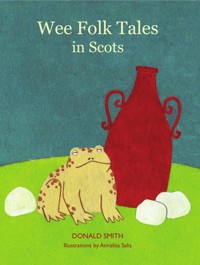
These stories are about the wee folk of Scotland, told afresh for everyone including, today's wee people. Collected here are stories from all over Scotland. Many were first published in the nineteenth and twentieth century, but all have been influenced by being told and retold, shaped and reshaped as they pass from storyteller to storyteller. Whether you're introducing a wee bairn to these stories for the first time or you're not-so-wee and reading them to yourself, you'll find plenty to love in these charming Scots folk tales.
Sie lesen das E-Book in den Legimi-Apps auf:
Seitenzahl: 117
Veröffentlichungsjahr: 2020
Das E-Book (TTS) können Sie hören im Abo „Legimi Premium” in Legimi-Apps auf:
Ähnliche











DONALD SMITH is a storyteller, novelist and playwright and founding Director of the Scottish Storytelling Centre. He was also a founder of the National Theatre of Scotland, for which he campaigned over a decade. Smith’s non-fiction includes four books, co-authored with Stuart McHardy, in the Luath Press ‘Journeys and Evocations’ series, Freedom and Faith on the Independence debate, and Pilgrim Guide to Scotland which recovers the nation’s sacred geography. Donald Smith has written a series of novels, most recently Flora McIvor. He is currently Director of Traditional Arts and Culture Scotland.
ANNALISA SALIS, originally from Sardinia, has been based in Scotland for the last ten years. She has been drawing and painting since she can remember, developing her artistic practice along the years. Expressing a sense of place is at the core of her current work, including the series of illustrations for Wee Folk Tales and Storie di terra, a playful visual ceilidh of Scottish fairy tales and Sardinian contos.
First published 2018
ISBN: 978-1-910745-62-5
The author’s right to be identified as author of this book
under the Copyright, Designs an Patents Act 1988 has been asserted.
The paper used in this book is recyclable. It is made
from low chlorine pulps produced in a low energy,
low emission manner from renewable forests.
Printed and bound by Bell & Bain Ltd, Glasgow
Typeset in 12 point Sabon by Main Point Books, Edinburgh
Text © Donald Smith 2018
Illustrations © Annalisa Salis 2018
For Robbie and Isla
Contents
Introduction
The Wal at the Warld’s End
Jack an Jock
The Wee Bannock
Rashiecoat
Monday, Tuesday
Whuppity Stourie
The Selkie Bride
The Taen Awa
Broonie o the Glen
The Red Etin
The Black Bull
The White Doo
Johnnie an the Mermaid
Bride an Angus
The Twa Wee Merrie Men
Mallie an the Peats
Herd Laddie
People o Peace
Glossary of Scots Words and Phrases
Acknowledgements
Introduction
THESE STORIES ARE about the wee folk of Scotland. I am telling them afresh for everyone including today’s wee people. Please though, do not at any price use the ‘f’ word. The wee folk cannot abide the term ‘fairies’ and those little ones are ill to cross. Once they ruled over our land as gods, and flaunted their powers in a time of heroes and sheroes. Moreover they inhabited places where our earliest ancestors dwelled, and maybe still dwell.
Always say ‘the wee folk’, ‘the little people’, or, even more soothing, ‘the gentle kind’ and ‘the people of peace’. Remember that they can be very helpful or take offence, as these stories show.
Also, you will discover that the so-called little people come in many shapes and sizes. They may be broonies, selkies, mermaids, elves, gods or giants! We should not stereotype those who come ‘from the other side’ any more than our own kind. The stories keep us right on issues of equality and diversity, amongst much else.
Such creatures belong to the fertile underworld of our imaginations. They connect us to the earth in a pact of wonder. People who are not told these stories are shaping up to be deprived. I should know, for at one time I was amongst their number.
The three women who teach us most about these stories, and show us how they should be told, have all passed on, but their voices still live. The first is Nurse Jenny of Hoddom whose folktale artistry was recounted by Charles Kirkpatrick Sharpe in the 19th century, and recorded by Robert Chambers in his Popular Rhymes and Traditions of Scotland for future generations. The second is Hannah Aitken in the 20th century whose book A Forgotten Heritage: Original Folktales of Lowland Scotland first won me to the magic of these stories. Thirdly, Norah Montgomerie, also in the 20th century, working with her husband William, deserves huge credit for recirculating classic versions of these stories, albeit not in their native Scots.
For more than three decades I have been privileged to listen to traditional storytellers from all over Scotland telling their own versions of these stories, constantly showing that the tales spring from a rich and still enlivening source. I can hear among others the voices of Willie McPhee, Betsy Whyte, Sheila Stewart, Duncan Williamson, Seoras Macpherson, Jess Smith, Tom Muir, Lawrence Tulloch, Stanley Robertson, Ewan McVicar, Senga Munro, David Campbell and a next generation of younger storytellers all casting their spell. Now you have to keep the tales alive as well, by telling them in your own way.
Why Scots? you may ask. Well, read on. If you cannot figure that out for yourself there is no point me trying to explain. There are also Gaelic versions of many of these tales and they are equally to be celebrated and commended. But for me Scots is the strand of our ‘three-tongued’ Scotland that unites heart, hand and head.
Many thanks to the audiences who have affirmed the telling of these stories, and to Catriona Lucas and her colleagues at Education Scotland who finally pushed me into writing as I would tell them aloud, in Scots. Many thanks also to Annalisa Salis for her perfectly pitched illustrations and for making connections with stories from her native Sardinia. Please enjoy the wee folk tales and share them in the ways that are natural to you. For as the stories show, whatever thwarts that which is natural cannot give pleasure.
Donald Smith
March 2018
The Wal at the Warld’s End
THERE WIS a bonnie lassie aince an her faither wis the King. But her mither wis deid an her faither had anither wife who wis noo the Queen. An they had anither dochter. Sae the twa lassies were hauf-sisters.
Noo the first lassie wis aye cheerie as the day wis lang, smiling an crackin an helpin aabody she fell in wi. But the second lassie wis a moanin minnie, glumphin an girnin at aathing. She ne’er pit her haun oot tae help onybody, fur efter aa wis she no the Princess?
Her mither the Queen couldna abide the King’s ain dochter. She thocht her ower bonnie when seen aside her ain greetin faced bairn. Sae she grippit the lass an says, ‘Awa wi this flask tae the wal at the warld’s end. Your faither’s nae weill an he needs water frae thon well an nae ither.’
Sae aff the lassie gangs an by-an-by she comes tae a yett an a wee pony tetherit tae it. Sae she claps the wee pony, an it blinks an ee an says:
‘Free me, free me,
my bonnie lass,
For I hae been tied
seiven years an a day.’
‘Of course I’ll free you,’ says the lass, an she loosed the rope.
‘Noo climb up oan my back, an I’ll tak you tae the daurk wood.’
Sae up the lassie lowps an aff they gang thegither, clip clop, clippity clop, up the road an ower a muir o thorns an brambles till they cam tae a waa an ahint it the daurk wood whaur the pony bowed its heid.
The lassie climbs doun noo an sterts intae the wood. Oan an oan she gangs till she finds a clearin an in it a a rickle o stanes an in it the wal.
Aye but it’s daurk an deep an dank. Hoo kin she fill her flask?
She’s peerin doun an spies three mossy stanes whan in the blink o an ee the stanes jumpit. They were three wee bauldy heids an they said aathegither:
‘Wash us, wash us
My bonny lass
An rub us dry
Wi your linen pinny.’
‘Aye, of course, I’ll wash you,’ says the lassie, an she raxed doun tae wipe them clean an buff up their wee heids wi her apron.
The wee men were three brithers, keepers o the wal, an they raxed up for the lassie’s flask an filled it tae the tap wi clear, sparklin water frae the deeps.
‘Wish, brither, whit dae ye wish?’
‘I wish if the lassie were bonnie afore she’ll be three times bonnier noo.’
‘Wish, brither, whit dae ye wish?’
‘I wish ilka time the lassie sheds her hair tae the richt a puckle gowd will faa oot, an when she sheds tae the left a puckle siller.’
‘Wish, brither, whit dae ye wish?’
‘I wish ilka time the lassie opens her mooth tae speak, rubies an pearls an diamants will tummle oot.’
An the lassie says thank-you an fareweill, an awa she gangs wi her flask through the wood tae the waa, an up she lowps oan the wee pony an aff they gang clip clop, clippitty clop, ower the muir o thorns an brambles. An she leaves the wee pony at the yett an gangs hame tae gie her faither the water frae the wal at the warld’s end.
An wis the Queen her stepmither pleased to see her? No a bit o it. So the besom gangs tae her ain dochter, an grippit her an yanks her oot o her bed.
‘Up you get, ye gomeril. See whit your sister’s brocht fur her faither. An ilka time she opens her gob jewels tummle oot. An ilka time she kaims her hair tae the richt it sheds gowd an ilka time tae the left siller. Tak this flask an shift yersel tae the wal at the warld’s end, an dinnae be comin back here till ye can better that ill favoured get o a lassie.’
Sae aff the lassie gangs an by-an-by she comes tae a yett an a wee pony wis tetherit tae it.
An the wee pony blinks an ee an says:
‘Free me, free me,
my bonnie lass,
For I hae been tied
seiven years an a day.’
‘Wha dae ye think I am?’ says the lass, ‘I’m the Princess no a stable loun. Onyroads, Ah dinnae ken onything aboot knots.’
An awa she flouncit up the road an ower the muir of thorns an brambles till she wis scartit an torn tae bits like a tattie-bogle.
Sae at the last, greetin an girnin, she cams tae a waa an ahint it wis the daurk wood.
The lassie sterts intae the wood. Oan an oan she gangs till she finds a clearin an in it a a rickle o stanes an in it the wal.
Aye but it’s daurk an deep an dank. Hoo kin she fill her flask?
She’s peerin doun an spies three mossy stanes whan in the blink o an ee the stanes jumpit. They were three wee bauldy heids an they said aa thegither:
‘Wash us, wash us
My bonny lass
An rub us dry
Wi your linen pinny.’
‘Who dae ye think I am?’ says the lassie, ‘I’m the Princess. Its no my joab tae wash yer mankie wee heids. See here, fill my flask fou o clear water an be quick aboot it.’ An she raxed doun her flask. An the wee brithers, who were keepers o the wal, pit in a three draps o slimy water.
‘Wish, brither, whit dae ye wish?’
‘I wish if the lassie were horrible afore she’ll be three times mair horrible noo.’
‘Wish, brither, whit dae ye wish?’
‘I wish ilka time the lassie sheds her hair tae the richt a puckle fleas will faa oot, an when she sheds tae the left a puckle nits.’
‘Wish, brither, whit dae ye wish?’
‘I wish ilka time the lassie opens her mooth tae speak, toads an puddocks will lowp oot.’
An the lassie curses the wee men, an awa she gangs wi her flask through the wood tae the waa, an ower the muir o thorns an brambles, greetin an girnin till she wins hame.
Sae wis the Queen her stepmither pleased to see her? No a bit o it. No wi her three slimy draps o water.
Noo all I kin say is that if the King’s dochter wis blithe an bonnie afore she wis ten times happier noo. An the Queen’s dochter wis ten times mair o a misery guts, an she made aabody she met miserable, no least her ain mither.
An that’s my tale of the wal at the warl’s end. May ye aye drink frae its clear, sparkling water, an be contentit aa yer days.
Jack an Jock
AINCE THERE WIS a laddie caad Jack. An yin day he says tae his mither, ‘Mither, I’m awa tae find ma fortune.’
‘Weill,’ says his mither, ‘awa doun wi ye first tae the burn an tak the sieve tae fetch some water. Wi muckle water I’ll mak a muckle bannock tae gang wi ye, an wi mickle water I’ll mak a wee bannock.’
Sae Jack taks the sieve an gangs doun tae the burn. Noo a wee birdie wis sittin in a tree abune the well an it whustles tae Jack:
‘Clog it wi moss
An clag it wi clay
Sae ye’ll cairry
The water away.’
But Jack jist lauchs at the wee bird. ‘Dinna be daft, birdie, I wisnae born yesterday,’ says Jack. But the water rin thru his sieve an he ainly got a few draps hame. An his mither bakit him a wee smidgin o a bannock.
Sae aff Jack gangs tae win his fortune an he wisnae faur doun the road whan the wee birdie catches up wi him. ‘Gie us a piece o yer bannock, an I’ll gie you feathers frae ma wing tae mak yersel some bagpipes.’
‘Dinna be daft, birdie, I wisnae born yesterday,’ says Jack, ‘it’s your faut I’ve this wee bannock an there’s nae a crumb for you tae gobble.’
Sae aff the birdie flew an Jack gane faur an farther gane till he cam tae the King’s hoose an speired fur wark. ‘Aye weill,’ says the King,’ an whit kin o wark kin ye dae, Jack?’
‘Oh,’ says Jack, ‘I kin wash dishes, tak oot the ashes, an mind the coos.’
‘Can ye mind hares?’ says the King.
‘Dinna ken,’ mumbles Jack, ‘but Ah’ll gie it a try.’




