


5,99 €
Mehr erfahren.
- Herausgeber: Shuttle Systems Ltd
- Kategorie: Ratgeber
- Sprache: Englisch
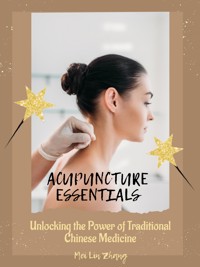
"Acupuncture is not just about healing the body; it's about restoring balance in life."
Discover the ancient wisdom and healing power of acupuncture with "Acupuncture Essentials: Unlocking the Power of Traditional Chinese Medicine." This comprehensive guide offers an in-depth exploration of the principles and techniques behind one of the world's oldest healing practices.
In "Acupuncture Essentials," you'll learn:
The history and origins of acupuncture and its role in traditional Chinese medicine
The theories and concepts behind acupuncture, including qi, meridians, and acupoints
How acupuncture can effectively treat various ailments and conditions, from chronic pain to stress relief • A detailed examination of acupuncture techniques, such as needling, moxibustion, and cupping
How to choose a qualified acupuncturist and what to expect during your treatment
The integration of acupuncture with other holistic treatments, like herbal medicine and meditation
The benefits of acupuncture for overall well-being, including mental, emotional, and physical health
Practical tips for self-care and incorporating acupuncture principles into your daily routine
Personal stories of healing and transformation from real acupuncture patients • And so much more!
Das E-Book können Sie in Legimi-Apps oder einer beliebigen App lesen, die das folgende Format unterstützen:
Veröffentlichungsjahr: 2023
Ähnliche





Created by BornIncredible.com
All rights reserved.
Copyright © 2005 onwards .
By reading this book, you agree to the below Terms and Conditions.
BornIncredible.com retains all rights to these products.
No part of this book may be reproduced in any form, by photostat, microfilm, xerography, or any other means, or incorporated into any information retrieval system, electronic or mechanical, without the written permission of BornIncredible.com; exceptions are made for brief excerpts used in published reviews.
This publication is designed to provide accurate and authoritative information with regard to the subject matter covered. It is sold with the understanding that the publisher is not engaged in rendering legal, accounting, health, relationship or other professional / personal advice. If legal advice or other expert assistance is required, the services of a competent professional should be sought.
A New Zealand Made Product
Get A Free Book At: BornIncredible.com/free-book-offer/
Table of Contents
The History and Philosophy of Acupuncture
Ancient roots and cultural significance
The development of acupuncture over time
Understanding Qi and Meridians
The concept of Qi in Traditional Chinese Medicine (TCM)
The meridian system and its role in acupuncture
Acupuncture Techniques and Tools
Different types of acupuncture needles
Moxibustion, cupping, and other complementary techniques
The Science Behind Acupuncture
Current research and understanding of acupuncture's effectiveness
Debunking common acupuncture myths
Acupuncture for Pain Relief
Treating headaches and migraines
Managing chronic pain conditions
Acupuncture for Emotional and Mental Health
Reducing stress and anxiety
Treating depression and mood disorders
Acupuncture for Digestive Issues
Addressing gastrointestinal disorders
Promoting healthy digestion
Acupuncture for Respiratory Health
Treating asthma and allergies
Supporting lung health
Acupuncture for Women's Health
Addressing fertility and menstrual issues
Easing menopause symptoms
Acupuncture for Men's Health
Supporting prostate health
Enhancing sexual health and performance
Acupuncture for Sleep and Insomnia
Understanding the connection between sleep and TCM
Techniques for improving sleep quality
Acupuncture for Immune System Support
Strengthening immunity and overall wellness
Managing autoimmune conditions
Acupuncture for Weight Management
Understanding the role of TCM in weight control
Techniques for promoting healthy weight loss
Acupuncture for Skin Health
Treating common skin issues
Promoting healthy, radiant skin
Acupuncture for Addiction and Recovery
Supporting detoxification and withdrawal
Addressing cravings and relapse prevention
Acupuncture for Athletes and Sports Performance
Enhancing athletic performance
Accelerating injury recovery
Acupuncture for Aging and Longevity
Promoting healthy aging
Addressing age-related health concerns
Choosing the Right Acupuncturist
What to look for in an acupuncture practitioner
Tips for finding the right fit
Preparing for Your Acupuncture Session
What to expect during your first appointment
Tips for maximizing treatment benefits
The Future of Acupuncture and Integrative Medicine
The growing role of acupuncture in healthcare
The future of research and innovation in the field
Frequently Asked Questions About Acupuncture
Common misconceptions and concerns
Answers from experienced practitioners
Personal Stories: Acupuncture Success Stories
Real-life experiences of acupuncture patients
The transformative power of acupuncture treatment
Acupuncture for Children and Adolescents
Adapting acupuncture treatments for younger patients
Addressing common childhood health issues
Acupuncture for Pregnancy and Postpartum Care
Supporting a healthy pregnancy
Easing postpartum recovery
Acupuncture for Chronic Fatigue and Energy Boost
Understanding the TCM perspective on energy and fatigue
Techniques for revitalizing energy levels
Acupuncture for Eye Health
Addressing common eye conditions
Supporting vision and overall eye health
Acupuncture for Dental and Oral Health
Treating TMJ, tooth pain, and other oral health issues
Promoting overall dental well-being
Acupuncture for Animal Health
Understanding veterinary acupuncture
The benefits of acupuncture for pets
Acupuncture and Cancer Care
Supporting patients through cancer treatment
Addressing side effects and improving quality of life
Acupuncture for Stroke Rehabilitation
Enhancing recovery from stroke and brain injuries
Supporting long-term neurological health
Acupuncture for Hormonal Balance
Understanding the TCM perspective on hormonal health
Techniques for restoring hormonal balance
Combining Acupuncture with Western Medicine
The benefits of an integrative approach to healthcare
Collaborating with other healthcare providers
Acupuncture and the Environment
The ecological impact of acupuncture practices
Sustainable practices in TCM
Acupressure and Self-Care Techniques
Understanding the principles of acupressure
Simple self-care techniques to complement acupuncture treatments
Acupuncture Safety and Potential Side Effects
Recognizing and minimizing risks
What to do if you experience side effects
Building a Personalized Acupuncture Treatment Plan
Assessing your individual health needs
Developing a customized treatment strategy
Continuing Your Acupuncture Journey
Maintaining long-term health benefits
Expanding your knowledge and exploring new treatments
Have Questions / Comments?
Get Another Book Free
The History and Philosophy of Acupuncture
Acupuncture is a medical treatment that involves the insertion of thin needles into specific points on the body. It is a key component of traditional Chinese medicine (TCM) and has been practiced for thousands of years. The practice of acupuncture has evolved over time, with different schools of thought and techniques emerging throughout its history. Below we will explore the history and philosophy of acupuncture, from its origins to modern-day practice.
The Origins of Acupuncture
The earliest known mention of acupuncture can be traced back to the Yellow Emperor's Classic of Internal Medicine, a text that dates back to around 100 BCE. This text, along with the Nan Jing (Classic of Difficulties), is considered to be one of the foundational texts of TCM. According to these texts, acupuncture is based on the concept of Qi, a vital energy that flows through the body along pathways called meridians.
The earliest acupuncture needles were made from stone, and it is believed that they were used for therapeutic purposes as far back as the Neolithic era. The use of metal needles for acupuncture dates back to the Han dynasty (206 BCE – 220 CE). During this time, acupuncture began to gain wider acceptance as a medical treatment, with specialized schools of acupuncture emerging in China.
The Philosophy of Acupuncture
At the heart of TCM and acupuncture is the concept of Yin and Yang. This philosophy holds that the universe is made up of opposing forces, such as light and dark, hot and cold, and male and female. In the body, Yin and Yang are believed to represent complementary and interdependent aspects of the body's functions. According to TCM, illness and disease arise when there is an imbalance of Yin and Yang within the body.
In addition to Yin and Yang, TCM recognizes the Five Elements, which are Wood, Fire, Earth, Metal, and Water. Each element is associated with a different organ in the body and a corresponding emotion. For example, the Wood element is associated with the liver and the emotion of anger. The Metal element is associated with the lungs and the emotion of grief.
These concepts inform the practice of acupuncture, as practitioners seek to restore balance to the body's energies by inserting needles at specific points along the meridians. The needles are believed to stimulate the flow of Qi and promote healing within the body.
The Development of Acupuncture
Acupuncture continued to evolve over time, with different schools of thought emerging and new techniques being developed. One important figure in the development of acupuncture was Zhang Zhongjing, who lived during the Han dynasty. Zhongjing is credited with developing the theory of the meridians, which are the pathways along which Qi flows through the body. He also developed the use of moxibustion, a technique that involves burning a specific herb (mugwort) to warm the body and stimulate the flow of Qi.
Another key figure in the development of acupuncture was Hua Tuo, who lived during the Three Kingdoms period (220 – 280 CE). Hua Tuo is credited with developing a number of acupuncture techniques, including the use of anesthesia during surgery. He also developed exercises and movements that are still used in TCM today, such as the Five Animal Frolics, which are a series of exercises based on the movements of different animals.
During the Tang dynasty (618 – 907 CE), acupuncture gained widespread popularity, with specialized schools of acupuncture emerging throughout China. Acupuncture continued to be an important part of Chinese medicine, and the techniques and theories associated with it were passed down through generations of practitioners.
Acupuncture in the Modern Era
In the 20th century, acupuncture began to gain wider acceptance outside of China. In 1950, the Chinese government established the Traditional Chinese Medicine Research Institute to promote the study and development of
Ancient roots and cultural significance
Acupuncture is a medical treatment that has its roots in ancient China. For thousands of years, acupuncture has been used as a form of medical therapy in traditional Chinese medicine (TCM) and has become an important part of the cultural heritage of China. Below we will explore the ancient roots of acupuncture and its cultural significance in China.
Ancient Roots of Acupuncture
The origins of acupuncture can be traced back to the Neolithic era, with the use of stone needles for therapeutic purposes. However, it was during the Han dynasty (206 BCE – 220 CE) that acupuncture began to gain wider acceptance as a medical treatment. During this time, metal needles were developed and acupuncture schools emerged throughout China.
The Yellow Emperor's Classic of Internal Medicine, a text that dates back to around 100 BCE, is considered to be one of the foundational texts of TCM. This text, along with the Nan Jing (Classic of Difficulties), describes the principles and techniques of acupuncture. According to these texts, acupuncture is based on the concept of Qi, a vital energy that flows through the body along pathways called meridians.
Over time, different schools of acupuncture emerged, each with its own theories and techniques. One important figure in the development of acupuncture was Zhang Zhongjing, who lived during the Han dynasty. Zhongjing is credited with developing the theory of the meridians, which are the pathways along which Qi flows through the body. He also developed the use of moxibustion, a technique that involves burning a specific herb (mugwort) to warm the body and stimulate the flow of Qi.
Another key figure in the development of acupuncture was Hua Tuo, who lived during the Three Kingdoms period (220 – 280 CE). Hua Tuo is credited with developing a number of acupuncture techniques, including the use of anesthesia during surgery. He also developed exercises and movements that are still used in TCM today, such as the Five Animal Frolics, which are a series of exercises based on the movements of different animals.
Cultural Significance of Acupuncture in China
Acupuncture has become an important part of the cultural heritage of China. It is considered to be one of the pillars of TCM and is widely practiced throughout the country. In fact, acupuncture is so deeply ingrained in Chinese culture that it is often used as a symbol of Chinese medicine.
The cultural significance of acupuncture can be seen in its use in traditional Chinese festivals and celebrations. For example, during the Mid-Autumn Festival, it is traditional to eat mooncakes and receive acupuncture treatments to promote good health and well-being. Acupuncture is also often used during the Chinese New Year celebrations to promote good fortune and prosperity.
Acupuncture has also become an important part of China's global cultural exports. In recent years, there has been a growing interest in TCM and acupuncture in the West, with many people seeking out acupuncture treatments as a form of complementary medicine. This has led to the establishment of acupuncture clinics and schools throughout the world.
The Benefits of Acupuncture
Acupuncture has been shown to be effective in treating a wide range of conditions, from chronic pain to anxiety and depression. The World Health Organization (WHO) has recognized acupuncture as a valid form of medical therapy, and it is increasingly being used as a complementary treatment alongside Western medicine.
Acupuncture works by stimulating the body's natural healing processes. The insertion of needles at specific points along the meridians is believed to stimulate the flow of Qi and promote healing within the body. In addition to acupuncture, TCM also includes other forms of therapy, such as herbal medicine, massage, and dietary therapy.
The development of acupuncture over time
Acupuncture is a medical therapy that has been used in traditional Chinese medicine (TCM) for thousands of years. Over time, the practice of acupuncture has evolved, with different schools of thought and techniques emerging throughout its history. Below we will explore the development of acupuncture over time, from its early beginnings to modern-day practice.
Early Beginnings of Acupuncture
The earliest known mention of acupuncture can be traced back to the Yellow Emperor's Classic of Internal Medicine, a text that dates back to around 100 BCE. This text, along with the Nan Jing (Classic of Difficulties), is considered to be one of the foundational texts of TCM. According to these texts, acupuncture is based on the concept of Qi, a vital energy that flows through the body along pathways called meridians.
The earliest acupuncture needles were made from stone, and it is believed that they were used for therapeutic purposes as far back as the Neolithic era. The use of metal needles for acupuncture dates back to the Han dynasty (206 BCE – 220 CE). During this time, acupuncture began to gain wider acceptance as a medical treatment, with specialized schools of acupuncture emerging in China.
Development of Acupuncture Techniques
As acupuncture gained popularity, different schools of thought and techniques emerged. One important figure in the development of acupuncture was Zhang Zhongjing, who lived during the Han dynasty. Zhongjing is credited with developing the theory of the meridians, which are the pathways along which Qi flows through the body. He also developed the use of moxibustion, a technique that involves burning a specific herb (mugwort) to warm the body and stimulate the flow of Qi.
Another key figure in the development of acupuncture was Hua Tuo, who lived during the Three Kingdoms period (220 – 280 CE). Hua Tuo is credited with developing a number of acupuncture techniques, including the use of anesthesia during surgery. He also developed exercises and movements that are still used in TCM today, such as the Five Animal Frolics, which are a series of exercises based on the movements of different animals.
During the Tang dynasty (618 – 907 CE), acupuncture gained widespread popularity, with specialized schools of acupuncture emerging throughout China. Acupuncture continued to be an important part of Chinese medicine, and the techniques and theories associated with it were passed down through generations of practitioners.
Introduction to the West
Acupuncture began to gain wider acceptance outside of China in the 20th century. In 1950, the Chinese government established the Traditional Chinese Medicine Research Institute to promote the study and development of TCM, including acupuncture. This led to a renewed interest in acupuncture in the West, with many people seeking out acupuncture treatments as a form of complementary medicine.
The introduction of acupuncture to the West also led to new developments in acupuncture techniques. In the 1970s, French physician Dr. Paul Nogier developed a technique called auriculotherapy, which involves the stimulation of specific points on the ear. This technique has become widely used in Western acupuncture practice.
Modern-Day Practice of Acupuncture
Today, acupuncture is widely practiced throughout the world and is recognized as a valid form of medical therapy by organizations such as the World Health Organization (WHO). Acupuncture is increasingly being used as a complementary treatment alongside Western medicine.
Modern-day acupuncture practice has also seen the development of new techniques and technologies. One such development is electroacupuncture, which involves the use of small electrical currents to stimulate the acupuncture points. This technique has been shown to be effective in treating a wide range of conditions, including chronic pain, depression, and anxiety.
Understanding Qi and Meridians
In traditional Chinese medicine (TCM), the concept of Qi and meridians are central to the practice of acupuncture. Qi is considered to be a vital energy that flows through the body, and meridians are the pathways along which Qi flows. Below we will explore the concepts of Qi and meridians, and their importance in the practice of acupuncture.
What is Qi?
Qi is a concept that is difficult to translate into English. It is often described as vital energy, life force, or breath, and it is believed to be present in all living things. In TCM, Qi is considered to be the basis of life and health, and its proper flow and balance are essential to overall well-being.
According to TCM, Qi is produced by the organs in the body and flows through channels called meridians. There are twelve main meridians in the body, each associated with a different organ system. These meridians are divided into Yin and Yang meridians, which are considered to be complementary and interdependent aspects of the body's functions.
In addition to the twelve main meridians, there are also eight extra meridians, which are believed to play a role in maintaining the body's overall balance and health.
What are Meridians?
Meridians are the pathways through which Qi flows in the body. There are twelve main meridians in the body, each associated with a different organ system. Each meridian has a specific path through the body, and the points where the meridians surface are called acupuncture points.
In TCM, each meridian is associated with a different organ system and a corresponding emotion. For example, the Liver meridian is associated with the emotion of anger, while the Lung meridian is associated with the emotion of grief. An imbalance in the flow of Qi through a meridian can lead to physical or emotional symptoms.
The concept of meridians is a key component of acupuncture, as acupuncture points are located along the meridians. Acupuncture involves the insertion of thin needles into these acupuncture points to stimulate the flow of Qi and promote healing within the body.
The Five Elements and Meridians
1. In addition to the concept of Qi and meridians, TCM also recognizes the Five Elements: Wood, Fire, Earth, Metal, and Water. Each element is associated with a different organ system and emotion. For example, the Wood element is associated with the Liver and the emotion of anger, while the Metal element is associated with the Lungs and the emotion of grief.
Each element is also associated with a specific meridian. For example, the Wood element is associated with the Liver meridian, while the Metal element is associated with the Lung meridian. The Five Elements theory is used in TCM to help diagnose and treat illnesses by identifying imbalances in the body's energies.
Acupuncture and Meridians
Acupuncture is a medical therapy that involves the insertion of thin needles into specific acupuncture points along the meridians. The needles are believed to stimulate the flow of Qi and promote healing within the body.
Each acupuncture point is located along a specific meridian, and the choice of acupuncture points is based on the diagnosis of the individual's condition. Acupuncture points can be selected based on the symptoms of the condition, the meridians involved, and the Five Elements theory.
Acupuncture can be used to treat a wide range of conditions, including chronic pain, anxiety, and depression. It is often used as a complementary therapy alongside Western medicine.
The concept of Qi in Traditional Chinese Medicine (TCM)
The concept of Qi is central to Traditional Chinese Medicine (TCM) and is an important component of acupuncture. Qi is considered to be a vital energy that flows through the body and is believed to be the basis of life and health. Below we will explore the concept of Qi and its role in TCM and acupuncture.
What is Qi?
Qi is a concept that is difficult to translate into English. It is often described as vital energy, life force, or breath, and it is believed to be present in all living things. In TCM, Qi is considered to be the basis of life and health, and its proper flow and balance are essential to overall well-being.
According to TCM, Qi is produced by the organs in the body and flows through channels called meridians. There are twelve main meridians in the body, each associated with a different organ system. These meridians are divided into Yin and Yang meridians, which are considered to be complementary and interdependent aspects of the body's functions.
In addition to the twelve main meridians, there are also eight extra meridians, which are believed to play a role in maintaining the body's overall balance and health.
The Role of Qi in TCM
In TCM, the flow of Qi through the body is believed to be essential to overall health and well-being. When Qi is flowing smoothly, the body is considered to be in a state of balance and harmony. However, if the flow of Qi is disrupted or blocked, it can lead to physical or emotional symptoms.
According to TCM, the organs in the body are responsible for producing and regulating the flow of Qi. Each organ is associated with a different aspect of Qi, and an imbalance in the flow of Qi through an organ can lead to specific symptoms or conditions.
For example, the Liver is responsible for the smooth flow of Qi throughout the body. If the flow of Qi through the Liver is disrupted, it can lead to symptoms such as irritability, mood swings, and menstrual irregularities in women.
The Role of Qi in Acupuncture
Acupuncture is a medical therapy that involves the insertion of thin needles into specific acupuncture points along the meridians. The needles are believed to stimulate the flow of Qi and promote healing within the body.
Each acupuncture point is located along a specific meridian, and the choice of acupuncture points is based on the diagnosis of the individual's condition. Acupuncture points can be selected based on the symptoms of the condition, the meridians involved, and the Five Elements theory.
Acupuncture can be used to treat a wide range of conditions, including chronic pain, anxiety, and depression. It is often used as a complementary therapy alongside Western medicine.
Acupuncture and Qi
The role of Qi in acupuncture is central to the practice of this therapy. Acupuncture is believed to stimulate the flow of Qi and promote healing within the body. The insertion of needles into specific acupuncture points along the meridians is believed to help restore the flow of Qi and promote balance and harmony within the body.
In addition to acupuncture, other TCM therapies such as herbal medicine, massage, and dietary therapy are also used to promote the flow of Qi and maintain balance and harmony within the body.
The meridian system and its role in acupuncture
In acupuncture, the meridian system is an essential component of the practice. Meridians are believed to be channels or pathways that run throughout the body and are the conduits through which Qi, the vital energy of the body, flows. Below we will explore the meridian system and its role in acupuncture.
What are Meridians?
Meridians are the channels or pathways that run throughout the body, and it is believed that they carry the vital energy or Qi. There are twelve main meridians in the body, each associated with a different organ system. These meridians are divided into Yin and Yang meridians, which are considered to be complementary and interdependent aspects of the body's functions.
The meridians are further divided into specific points or acupuncture points, where the Qi can be accessed by the insertion of thin needles into the skin. Acupuncture points are located along the meridians, and it is believed that the insertion of needles into these points can stimulate the flow of Qi and promote healing within the body.
The Role of Meridians in Acupuncture
In acupuncture, the meridian system is an essential component of the practice. Each acupuncture point is located along a specific meridian, and the choice of acupuncture points is based on the diagnosis of the individual's condition. Acupuncture points can be selected based on the symptoms of the condition, the meridians involved, and the Five Elements theory.
Acupuncture is believed to stimulate the flow of Qi and promote healing within the body. The insertion of needles into specific acupuncture points along the meridians is believed to help restore the flow of Qi and promote balance and harmony within the body. By restoring the flow of Qi, acupuncture can help to alleviate physical and emotional symptoms and promote overall well-being.
The Concept of Qi in Relation to Meridians
In TCM, the concept of Qi is closely related to the meridian system. Qi is believed to flow through the meridians, and the proper flow and balance of Qi are essential to overall health and well-being. An imbalance in the flow of Qi through a meridian can lead to physical or emotional symptoms.
Acupuncture is believed to help restore the flow of Qi through the meridians and promote balance and harmony within the body. By inserting needles into specific acupuncture points, the flow of Qi can be stimulated, and the body's natural healing processes can be activated.
The Five Elements and Meridians
1. In addition to the meridian system, TCM also recognizes the Five Elements: Wood, Fire, Earth, Metal, and Water. Each element is associated with a different organ system and emotion. For example, the Wood element is associated with the Liver and the emotion of anger, while the Metal element is associated with the Lungs and the emotion of grief.
Each element is also associated with a specific meridian. For example, the Wood element is associated with the Liver meridian, while the Metal element is associated with the Lung meridian. The Five Elements theory is used in TCM to help diagnose and treat illnesses by identifying imbalances in the body's energies.
Acupuncture Techniques and Tools
Acupuncture is a traditional Chinese medicine technique that involves the insertion of thin needles into specific points on the body to stimulate the flow of Qi, or vital energy. Acupuncture is a widely recognized and accepted form of alternative therapy that is used to treat a wide range of physical and emotional conditions. Below we will explore the various acupuncture techniques and tools used in this ancient practice.
Acupuncture Needles
The most common tool used in acupuncture is the acupuncture needle. Acupuncture needles are thin, sterile, and flexible. They are usually made of stainless steel and range in length from one to several inches. The needles are designed to be inserted into specific acupuncture points on the body to stimulate the flow of Qi.
Acupuncture needles are inserted into the skin at a depth that varies depending on the condition being treated and the location of the acupuncture point. The needles are typically left in place for between 15 and 30 minutes, and they may be stimulated manually or with an electrical current to enhance the flow of Qi.
Cupping
Cupping is another acupuncture technique that involves the use of special cups that create a vacuum on the skin. The cups are usually made of glass, bamboo, or plastic and are placed on the skin in specific locations. The vacuum created by the cups pulls the skin and underlying tissue upward, which is believed to stimulate the flow of Qi and promote healing.
Cupping is often used to treat conditions such as pain, respiratory problems, and digestive disorders. The treatment can leave circular marks on the skin, which typically disappear within a few days.
Moxibustion
Moxibustion is an acupuncture technique that involves the burning of a small amount of dried mugwort, or moxa, on or near the acupuncture points. The heat generated by the burning moxa is believed to stimulate the flow of Qi and promote healing.
Moxibustion can be performed in several different ways, including direct moxibustion, where a small amount of moxa is placed directly on the skin, and indirect moxibustion, where the moxa is placed on a slice of ginger, garlic, or salt and held above the skin.
Electro-Acupuncture
Electro-acupuncture is a technique that involves the use of a small electrical current applied to the acupuncture needles. The current is used to stimulate the flow of Qi and promote healing. Electro-acupuncture is often used to treat pain, neurological disorders, and musculoskeletal conditions.
Electro-acupuncture is typically performed using a special machine that generates a low-frequency electrical current. The current is applied to the acupuncture needles using clips attached to the machine.
Acupressure
Acupressure is a technique that involves the application of pressure to specific acupuncture points on the body using the fingers, hands, or special acupressure tools. The pressure is believed to stimulate the flow of Qi and promote healing.
Acupressure can be performed in several different ways, including Shiatsu, which involves the use of finger pressure on specific points along the meridians, and Tuina, which involves the use of kneading, rolling, and pressing techniques to stimulate the flow of Qi.
Different types of acupuncture needles
Acupuncture is a traditional Chinese medicine technique that involves the insertion of thin needles into specific points on the body to stimulate the flow of Qi, or vital energy. Acupuncture needles come in various types and sizes, and each type is designed for a specific purpose. Below we will explore the different types of acupuncture needles used in this ancient practice.
Disposable Needles
Disposable acupuncture needles are the most commonly used needles in acupuncture today. These needles are made of stainless steel and are sterile and disposable. Disposable needles are used to prevent the spread of infection and reduce the risk of cross-contamination between patients.
Disposable needles come in various sizes, ranging from 0.12 mm to 0.30 mm in diameter and 13 mm to 75 mm in length. The size of the needle used is determined by the location of the acupuncture point and the individual needs of the patient.
Non-Disposable Needles
Non-disposable acupuncture needles are made of stainless steel and are reusable. These needles are sterilized between uses to prevent the spread of infection. Non-disposable needles come in various sizes and lengths, and they are typically used in traditional acupuncture practices.
Non-disposable needles can be made of different materials, including silver, gold, and copper. These materials are believed to have different therapeutic effects on the body, and the choice of needle material is based on the individual needs of the patient.
Auricular Needles
Auricular acupuncture is a type of acupuncture that involves the insertion of needles into specific points on the ear. Auricular needles are smaller than regular acupuncture needles and are designed to be inserted into the ear without causing discomfort.
Auricular needles come in various sizes, ranging from 0.14 mm to 0.20 mm in diameter and 1 mm to 1.5 mm in length. These needles are used to treat a variety of conditions, including addiction, pain, and stress.
Intradermal Needles
Intradermal needles, also known as intradermal acupuncture, are small needles that are inserted into the skin and left in place for several days. These needles are often used to treat musculoskeletal conditions, pain, and stress.
Intradermal needles are typically made of stainless steel and come in various sizes, ranging from 0.12 mm to 0.30 mm in diameter and 2 mm to 5 mm in length. The needles are inserted into the skin at an angle and left in place for several days to stimulate the flow of Qi and promote healing.
Press Needles
Press needles, also known as ear seeds, are small needles that are placed on specific acupuncture points and held in place with adhesive tape. These needles are typically used in auricular acupuncture and are designed to be worn for several days.
Press needles come in various sizes, ranging from 0.10 mm to 0.20 mm in diameter and 1 mm to 2 mm in length. The needles are inserted into the skin and held in place with adhesive tape, which is designed to be worn for several days to stimulate the flow of Qi and promote healing.
Moxibustion, cupping, and other complementary techniques
Acupuncture is a traditional Chinese medicine technique that involves the insertion of thin needles into specific points on the body to stimulate the flow of Qi, or vital energy. In addition to acupuncture, there are several other complementary techniques used in traditional Chinese medicine, including moxibustion, cupping, and gua sha. Below we will explore these complementary techniques and their role in traditional Chinese medicine.
Moxibustion
Moxibustion is a traditional Chinese medicine technique that involves the burning of a small amount of dried mugwort, or moxa, on or near the acupuncture points. The heat generated by the burning moxa is believed to stimulate the flow of Qi and promote healing.
Moxibustion can be performed in several different ways, including direct moxibustion, where a small amount of moxa is placed directly on the skin, and indirect moxibustion, where the moxa is placed on a slice of ginger, garlic, or salt and held above the skin. Moxibustion is often used to treat conditions such as pain, digestive disorders, and respiratory problems.
Cupping
Cupping is a traditional Chinese medicine technique that involves the use of special cups that create a vacuum on the skin. The cups are usually made of glass, bamboo, or plastic and are placed on the skin in specific locations. The vacuum created by the cups pulls the skin and underlying tissue upward, which is believed to stimulate the flow of Qi and promote healing.
Cupping is often used to treat conditions such as pain, respiratory problems, and digestive disorders. The treatment can leave circular marks on the skin, which typically disappear within a few days.
Gua Sha
Gua sha is a traditional Chinese medicine technique that involves the use of a smooth-edged instrument to scrape the skin in a specific pattern. The scraping is believed to stimulate the flow of Qi and promote healing.
Gua sha is often used to treat conditions such as pain, respiratory problems, and digestive disorders. The treatment can leave temporary red or purple marks on the skin, which typically disappear within a few days.
Acupressure
Acupressure is a traditional Chinese medicine technique that involves the application of pressure to specific acupuncture points on the body using the fingers, hands, or special acupressure tools. The pressure is believed to stimulate the flow of Qi and promote healing.
Acupressure can be performed in several different ways, including Shiatsu, which involves the use of finger pressure on specific points along the meridians, and Tuina, which involves the use of kneading, rolling, and pressing techniques to stimulate the flow of Qi.
Herbal Medicine




