


36,99 €
Mehr erfahren.
- Herausgeber: John Wiley & Sons
- Kategorie: Fachliteratur
- Sprache: Englisch
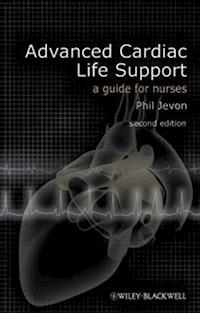
Advanced Cardiac Life Support
In the event of an adult cardiac arrest, it is essential to be able to respond rapidly, providing safe and effective care. This new and updated edition of Advanced Cardiac Life Support provides the theoretical background to resuscitation as well as explaining the essential resuscitation skills required to manage an adult cardiac arrest- from the time it occurs until subsequent transfer to the ICU.
The emphasis is on the prevention of cardiac arrest with detailed information on the management of peri-arrest arrhythmias and acute coronary syndromes. Advanced Cardiac Life Support also discusses ethical and legal issues, record keeping, dealing with bereavement, audit, equipment and training- providing an essential quick reference tool for nurses and health care professionals.
- An evidence-based approach to emergency care based on the latest Resuscitation guidelines
- A succinct yet comprehensive guide to the management of cardiac arrest
- Written by an experienced resuscitation training offer who is also a qualified nurse and former CCU Charge Nurse
Sie lesen das E-Book in den Legimi-Apps auf:
Seitenzahl: 353
Veröffentlichungsjahr: 2013
Ähnliche














Contents
Acknowledgements
Chapter 1 Resuscitation Service: An Overview
Introduction
Learning outcomes
Concept of the chain of survival
Cardiopulmonary Resuscitation: Standards for Clinical Practice and Training
Role of the Resuscitation Council (UK)
Principles of safer handling during CPR
Chapter summary
References
Chapter 2 Resuscitation Equipment
Introduction
Learning outcomes
Recommended minimum equipment for the management of an adult cardiac arrest
Routine checking of resuscitation equipment
Checking resuscitation equipment following use
Chapter summary
References
Chapter 3 Recognition and Treatment of the Critically Ill Patient
Introduction
Learning outcomes
Prevention of in-hospital cardiopulmonary arrest
Clinical signs of critical illness
Early warning scores and calling criteria
Role of outreach and medical emergency teams
Assessment and emergency treatment of the critically ill patient
Chapter summary
References
Chapter 4 Principles of Cardiac Monitoring and ECG Recognition
Introduction
Learning outcomes
The conduction system of the heart
The ECG and its relation to cardiac contraction
Methods of cardiac monitoring
Systematic approach to ECG interpretation
Cardiac arrhythmias associated with cardiac arrest
Chapter summary
References
Chapter 5 Bystander Basic Life Support
Introduction
Learning outcomes
Potential hazards when attempting BLS
Principles of chest compressions
Treatment for foreign body airway obstruction
References
Chapter 6 Airway Management and Ventilation
Introduction
Learning outcomes
Causes of airway obstruction
Recognition of airway obstruction
Simple techniques to open and clear the airway
Use of oropharyngeal and nasopharyngeal airways
Insertion of the laryngeal mask airway (LMA)
Insertion of the combitube
Procedure for application of cricoid pressure
Principles of tracheal intubation
Methods for ventilation
Chapter summary
References
Chapter 7 Defibrillation and Electrical Cardioversion
Introduction
Learning objectives
Ventricular fibrillation
Physiology of d efibrillation
Factors affecting successful defibrillation
Safety issues and defibrillation
Procedure for manual defibrillation
Procedure for automated external defibrillation
Synchronised electrical cardioversion
New technological advances in defibrillation
Chapter summary
References
Chapter 8 Advanced Life Support
Introduction
Learning objectives
Background to the Resuscitation Council (UK) ALS algorithm
Overview of the ALS algorithm
Chest compressions
Precordial thump
Reversible causes
Drug delivery routes
Resuscitation drugs
Use of pre-filled syringes
Principles of external pacing
Advantages of trancutaneous pacing
Procedure for transcutaneous pacing
Percussion pacing
Chapter summary
References
Chapter 9 Resuscitation in Special Situations
Introduction
Learning outcomes
Life-threatening electrolyte abnormalities
Hypothermia
Acute severe asthma
Electrocution
Pregnancy
Poisoning
Trauma
Cardiovascular collapse or cardiac arrest caused by local anaesthetic
Chapter summary
References
Chapter 10 Anaphylaxis
Introduction
Learning outcomes
Definition
Incidence
Pathophysiology
Causes
Clinical features and diagnosis
Treatment of anaphylaxis
Chapter summary
References
Chapter 11 Acute Coronary Syndromes
Introduction
Learning outcomes
Pathogenesis of ACS
Classification of ACS
Diagnosis of ACS
Immediate treatment of ACS
Chapter summary
References
Chapter 12 Management of Peri-Arrest Arrhythmias
Introduction
Learning outcomes
Principles of the use of the peri-arrest algorithms
Adverse clinical signs associated with peri-arrest arrhythmias
Management of bradycardia
Management of a tachycardia
Chapter summary
References
Chapter 13 Post-Resuscitation Care
Introduction
Learning objectives
Goals of post-resuscitation care
Initial assessment priorities
Transfer to definitive care
Measures to limit damage to vital organs
Temperature control and therapeutic hypothermia
Prediction of poor outcome
Chapter summary
References
Chapter 14 Bereavement
Introduction
Learning objectives
Ideal layout for the relatives room
Breaking bad news
Telephone notification of relatives
Practical arrangements following a death
Relatives witnessing resuscitation
Chapter summary
Reference
Chapter 15 Ethical Issues in Resuscitation
Introduction
Learning outcomes
Ethical principles that guide medical practice
Historical background to DNAR decisions
Importance of DNAR decisions
Key messages in Decisions Relating to Cardiopulmonary Resuscitation
Overview of the DNAR decision-making process
Factors underpinning DNAR decisions
Documentation of DNAR decisions
Information for patients and relatives
Chapter summary
References
Chapter 16 Resuscitation Records
Introduction
Learning outcomes
Why maintaining accurate resuscitation records is important
Examples of poor record keeping
Factors underpinning effective record keeping
Importance of auditing resuscitation records
Legal issues associated with record keeping
Chapter summary
References
Chapter 17 Resuscitation Training
Introduction
Learning outcomes
Why resuscitation training is important
Principles of adult learning
Resuscitation training methods
Recommendations for resuscitation training for healthcare staff
Training mannequins/models
Resuscitation Council (UK) courses
Chapter summary
References
Index
This edition first published 2010
© 2002, 2010 Phil Jevon
Blackwell Publishing was acquired by John Wiley & Sons in February 2007.
Blackwell’s publishing programme has been merged with Wiley’s global Scientific, Technical, and Medical business to form Wiley-Blackwell.
First published 2002 by Butterworth-Heinemann
Second edition published 2010 by Wiley-Blackwell
Registered office
John Wiley & Sons Ltd, The Atrium, Southern Gate, Chichester, West Sussex, PO19 8SQ, United Kingdom
Editorial offices
9600 Garsington Road, Oxford OX4 2DQ, United Kingdom
2121 State Avenue, Ames, Iowa 50014-8300, USA
For details of our global editorial offices, for customer services and for information about how to apply for permission to reuse the copyright material in this book please see our website at www.wiley.com/wiley-blackwell.
The right of the author to be identified as the author of this work has been asserted in accordance with the Copyright, Designs and Patents Act 1988.
All rights reserved. No part of this publication may be reproduced, stored in a retrieval system, or transmitted, in any form or by any means, electronic, mechanical, photocopying, recording or otherwise, except as permitted by the UK Copyright, Designs and Patents Act 1988, without the prior permission of the publisher.
Wiley also publishes its books in a variety of electronic formats. Some content that appears in print may not be available in electronic books.
Designations used by companies to distinguish their products are often claimed as trademarks. All brand names and product names used in this book are trade names, service marks, trademarks or registered trademarks of their respective owners. The publisher is not associated with any product or vendor mentioned in this book. This publication is designed to provide accurate and authoritative information in regard to the subject matter covered. It is sold on the under-standing that the publisher is not engaged in rendering professional services. If professional advice or other expert assistance is required, the services of a competent professional should be sought.
Library of Congress Cataloging-in-Publication Data
Jevon, Philip.
Advanced cardiac life support : a guide for nurses / Phil Jevon.
p. ; cm.
Includes bibliographical references and index.
ISBN 978-1-4051-8566-0 (pbk. : alk. paper) 1. Cardiovascular system–Diseases–Nursing. 2. Cardiac intensive care. I. Title. [DNLM: 1. Advanced Cardiac Life Support–methods. 2. Advanced Cardiac Life Support–nursing. 3. Nursing Care–methods. WG 205 J58a 2010]
RC674.J48 2010
616.1’0231–dc22
2009013262
A catalogue record for this book is available from the British Library.
1 2010
Acknowledgements
I am grateful to the following:
Dr Jagtar Singh Pooni, Consultant Anaesthetist and Intensivist, The Royal Wolverhampton NHS Trust, for kindly agreeing to be the consulting editor for the book.
Dr Shameer Gopal, Consultant Anaesthetist and Intensivist, The Royal Wolverhampton NHS Trust, for his help with the therapeutic hypothermia guidelines in Chapter 13.
Dr Jagtar Singh Pooni for updating Chapter 6, Airway Management and Ventilation, and Chapter 13, Post-Resuscitation Care.
Rebecca McBride, Senior Sister CCU, Manor Hospital, Walsall, for writing Chapter 11, Acute Coronary Syndromes.
Elaine Walton, Resuscitation Officer, Manor Hospital Walsall, for updating Chapter 15, Ethical Issues in Resuscitation.
Shareen Juwle and Steve Webb for their help with the photographs.
Magenta Lampson and her colleagues at Wiley-Blackwell for their help with the production and publication process.
Chapter 1
Resuscitation Service: An Overview
Introduction
Every hospital has a duty of care to ensure that an effective and safe resuscitation service is provided for its patients. The satisfactory performance of the resuscitation service has wide-ranging implications in terms of resuscitation equipment, resuscitation training, standards of care, clinical governance, risk management and clinical audit (Jevon, 2002; Royal College of Anaesthetists et al., 2008). Standards for resuscitation and resuscitation training have been published (Royal College of Anaesthetists et al., 2008).
The aim of this chapter is to provide an overview to the resuscitation service in the hospital setting.
Learning outcomes
At the end of the chapter the reader will be able to:
Discuss the concept of the chain of survival
Summarise
Cardiopulmonary Resuscitation: Standards for Clinical Practice and Training
Discuss the key recommendations in the joint statement
Discuss the principles of safer handling during cardiopulmonary resuscitation (CPR)
Concept of the chain of survival
Survival from cardiac arrest relies on a sequence of time-sensitive interventions (Nolan et al., 2006). The concept of the original chain of survival emphasises that each time-sensitive intervention must be optimised in order to maximise the chance of survival: a chain is only as strong as its weakest link (Cummins et al., 1991).
Fig. 1.1 Chain of survival. Reproduced with permission from Laerdal Medical Ltd, Orpington, Kent, UK.
The chain of survival was revised in 2005 (Figure 1.1) to stress the importance of recognising critical illness and/or angina and preventing cardiac arrest (both in and out of hospital) and post-resuscitation care (Nolan, 2005):
Early recognition and call for help to prevent cardiac arrest
: this link stresses the importance of recognising patients at risk of cardiac arrest, calling for help and providing effective treatment to hopefully prevent cardiac arrest; up to 80% of patients sustaining an in-hospital cardiac arrest have displayed signs of deterioration prior to collapse (Nolan
et al.
, 2006); most patients sustaining an out-of-hospital cardiac arrest also display warning symptoms for a significant duration before the event (Muller
et al.
, 2006)
Early CPR to buy time and early defibrillation to restart the heart
: the two central links in the chain stress the importance of linking CPR and defibrillation as essential components of early resuscitation in an attempt to restore life
Post-resuscitation care to restore quality of life
: the priority is to preserve cerebral and myocardial function, to restore quality of life and indicates the potential benefit that may be provided by therapeutic hypothermia
(Nolan et al., 2006)
Cardiopulmonary Resuscitation: Standards for Clinical Practice and Training
Cardiopulmonary Resuscitation: Standards for Clinical Practice and Training (Royal College of Anaesthetists et al., 2008) is a joint statement from the Royal College of Anaesthetists, Royal College of Physicians of London, Intensive Care Society and Resuscitation Council (UK). It has been endorsed by a number of national bodies, including the Royal College of Nursing and builds on previous reports and guidelines including those from the Royal College of Physicians and Resuscitation Council (UK) (Royal College of Anaesthetists et al., 2008).
The joint statement makes a number of recommendations relating to:
The resuscitation committee
The resuscitation officer
Resuscitation training
Prevention of cardiopulmonary arrest
The resuscitation team
Resuscitation in children, pregnancy and trauma
Resuscitation equipment
Decisions relating to CPR
Patient transfer and post-resuscitation care
Audit and reporting standards
Research
Key recommendations in the joint statement
Resuscitation committee
Each hospital should have a resuscitation committee that meets on a regular basis and is responsible for implementing operational policies relating to resuscitation practice and training. The chairperson should be a senior clinician who is actively involved in resuscitation. Membership of the committee should include:
A physician
A senior resuscitation officer
An anaesthetist/intensivist
A senior manager
Representatives from appropriate departments, for example, accident and emergency (A&E), paediatrics, based on local needs
Responsibilities of the resuscitation committee include:
Advising on the composition and role of the resuscitation team
Ensuring that resuscitation equipment and resuscitation drugs are available
Ensuring the adequate provision of resuscitation training
Ensuring that Resuscitation Council (UK) guidelines and standards for resuscitation are followed
Updating resuscitation and anaphylaxis policies
Recording and reporting clinical incidents related to resuscitation
Auditing resuscitation attempts and do not attempt resuscitation (DNAR) orders
Resuscitation officer
Each hospital should have a resuscitation officer responsible for resuscitation training, ideally one for every 750 clinical staff. The resuscitation officer should possess a current Resuscitation Council (UK) advanced life support (ALS) certificate and should ideally be a Resuscitation Council (UK) ALS instructor. Adequate training facilities, training equipment and secretarial support should be provided. Responsibilities of the resuscitation officer include:
Implementing Resuscitation Council (UK) guidelines and standards in resuscitation
Providing adequate resuscitation training for relevant hospital personnel
Ensuring there are systems in place for checking and maintaining resuscitation equipment
Auditing resuscitation attempts using the current Utstein template
Attending resuscitation attempts and providing feedback to team members
Coordinating participation in resuscitation-related trials
Keeping abreast of current resuscitation guidelines
Resuscitation training
Clinical staff should receive regular (at least annual) resuscitation training appropriate to their level and expected clinical responsibilities. It should also be incorporated in the induction programme for new staff. The training should include the recognition and effective treatment of critical illness and providing effective treatment to prevent cardiopulmonary arrest. Some staff, e.g. members of the cardiac arrest team, will require appropriate advanced resuscitation training, e.g. Resuscitation Council (UK) Advanced Life Support (ALS) Course (see Chapter 17).
Extended nursing roles in resuscitation should be encouraged – for example, airway adjuncts, intravenous cannulation and administration of specific emergency drugs, electrocardiogram (ECG) interpretation and defibrillation.
The resuscitation officer is responsible for organising and coordinating the training; a cascade system of training may be needed to meet training demands, particularly in basic life support. Help should be sought from other medical and nursing specialities to provide specific training, such as in neonatal resuscitation.
See Chapter 17 for more detailed information on resuscitation training.
Prevention of cardiopulmonary arrest
Systems should be in place to identify patients who are critically ill and therefore at risk of cardiopulmonary arrest (Royal College of Anaesthetists et al., 2008). Every hospital should have an early warning scoring system in place to identify these patients; adverse clinical indicators or scores should elicit a response to alert expert help, e.g. critical care outreach service, medical emergency team (National Institute for Health and Clinical Excellence (NICE), 2007).
Each healthcare organisation should have a patient’s observation chart that facilitates the regular measurement and recording of early warning scores; there should be a clear and specific policy that requires a clinical response to ‘calling criteria’ or early warning systems (‘track and trigger’), including the specific responsibilities of senior medical and nursing staff (Royal College of Anaesthetists et al., 2008). For further information see Chapter 3.
The resuscitation team
Every hospital should have a resuscitation team. Ideally, this should include a minimum of two doctors who are trained in advanced life support. The resuscitation committee should advise on the composition of the cardiac arrest team, but overall the team should be able to perform:
Airway management (including tracheal intubation)
Intravenous cannulation (including central venous access)
Defibrillation (advisory and manual) and electrical cardioversion
Drug administration
Advanced techniques, e.g. external cardiac pacing and pericardiocentesis
Appropriate skills for effective post-resuscitation care
The resuscitation team should have a team leader (usually a doctor), whose responsibilities include:
Directing and coordinating the resuscitation attempt
Ensuring the safety of the patient and the team
Terminating the resuscitation attempt when indicated
Communicating with the patient’s relatives and other healthcare professionals
Documenting the resuscitation attempt (including audit forms)
The resuscitation team should be alerted within 30 seconds of dialing 2222 (recommended telephone number for contacting switchboard following an in-hospital cardiac arrest) (National Safety Patient Agency (NSPA), 2004). The system should be tested on a daily basis.
Resuscitation in children, pregnancy and trauma
Children: ideally, there should be a separate paediatric resuscitation team, with the team leader having expertise and training in paediatric resuscitation. All staff who are involved with paediatric resuscitation should be encouraged to attend national paediatric courses, e.g. European Paediatric Advanced Life Support (PALS), Advanced Paediatric Life Support (APLS) and Newborn Life Support (NLS).
Pregnancy: an obstetrician and a neonatologist should be involved at an early stage; minimising vascular compression by the gravid uterus and early advanced airway intervention are paramount, together with early consideration for peri-mortem Caesarean section (see Chapter 9).
Trauma: hospitals that admit patients with major injuries should have a multi-disciplinary trauma team; in particular, advanced airway management skills may be required.
Resuscitation equipment
The resuscitation committee is responsible for advising on resuscitation equipment, which will largely depend on local requirements and facilities. Ideally, it should be standardised throughout the hospital. Resuscitation equipment is discussed in detail in Chapter 2.
Decisions relating to cardiopulmonary resuscitation
Every hospital should have a ‘Do not attempt resuscitation’ policy, which should be based on national guidelines (British Medical Association et al., 2007). For further information see Chapter 15.
Patient transfer and post-resuscitation care
Complete recovery from a cardiac arrest is rarely immediate, and the return of spontaneous circulation is just the start, not the end, of the resuscitation attempt; the immediate post-resuscitation period is characterised by high dependency and clinical instability (Jevon, 2002). The patient will probably need to be transferred to a coronary care unit or critical care unit.
Prior to transfer, the patient should be stabilised as far as possible, although this should not delay definitive treatment. Where appropriate, relevant equipment, drugs and monitoring devices should be available. Relatives will need to be informed of the transfer. Policies should be in place relating to transfers within and between hospitals (Jevon, 2002). Patient transfer and post-resuscitation care are discussed in detail in Chapter 13.
Audit and reporting standards
To help ensure a high quality resuscitation service, each hospital should audit:
Resuscitation attempt (using the Utstein template), including outcomes
The availability and use of resuscitation equipment
The availability of emergency drugs
Do not attempt resuscitation orders
Critical incidents which cause, or occur during, cardiopulmonary arrests
Health and safety issues, including cleaning and decontamination of resuscitation training mannequins (following each training session)
Hospital management should be informed of any problems that arise; the local clinical governance lead should support the resuscitation committee to rectify any deficiencies in the service.
Research
Heathcare practitioners interested in undertaking resuscitation-related research, should be encouraged to do so. They should be advised to seek the advice and support of the local research ethics committee.
Role of the Resuscitation Council (UK)
The Resuscitation Council (UK) was formed in August 1981 by a group of medical practitioners from a variety of specialities who shared an interest in, and concern for, the subject of resuscitation.
Objectives
The aim of the Resuscitation Council (UK) is to facilitate education of both lay and healthcare professionals in the most effective methods of resuscitation appropriate to their needs by:
Encouraging research into methods of resuscitation
Studying resuscitation teaching techniques
Establishing appropriate guidelines for resuscitation procedures
Promoting the teaching of resuscitation as established in the guidelines
Establishing and maintaining standards for resuscitation
Fostering good working relations between all organisations involved in resuscitation and producing and publishing training aids and other literature concerned with the organisation of resuscitation and its teaching
Courses
In order to teach theoretical and practical resuscitation skills to healthcare professionals, the Resuscitation Council (UK) has developed a variety of advanced courses. Including advanced life support courses in adult, paediatric and newborn resuscitation, which are run at centres throughout the UK.
Further details and information on all the Resuscitation Council (UK) courses are available on its website, www.resus.org.uk.
Guidelines
The Resuscitation Council (UK) has established working parties to review protocols for basic, advanced, paediatric and newborn resuscitation. These are available in the guidelines section on www.resus.org.uk.
Research
The Resuscitation Council (UK)’s Research Committee has available funding to assist new resuscitation initiatives. For further information access www.resus.org.uk.
Project teams
The Resuscitation Council (UK) project teams are set up as required to produce new guidelines and reports on relevant resuscitation topics and these are published periodically by the Council (see http://www.resus.org.uk/SiteIndx.htm).
Principles of safer handling during CPR
Approximately 80% of cardiac arrests in hospital are neither sudden nor unpredictable. In these situations the possible need to undertake CPR should therefore before be identified and a risk assessment, in relation to handling, carried out following local protocols.
The Resuscitation Council (UK), in their publication Guidance for Safer Handling during Resuscitation in Hospitals (Resuscitation Council (UK), 2001), has issued guidelines concerning safer handling during CPR. A brief overview of these guidelines will now be provided.
Cardiac arrest on the floor
If the patient has collapsed on the floor, perform CPR on the floor. If the area has restricted access, consider sliding the patient across the floor using sliding sheets. Use mobile screens if required
Ventilation: kneel behind the patient’s head ensuring the knees are shoulder-width apart, rest back to sit on the heels and lean forwards from the hips towards the patient’s face
Tracheal intubation: kneel behind the patient’s head ensuring the knees are shoulder-width apart, rest back to sit on the heels and lean forwards from the hips over the patient’s face. Resting the elbows on the floor may provide the practitioner with greater stability
Chest compressions: kneel at the side of the patient, level with his chest and adopt a high kneeling position with the knees shoulder-width apart; position the shoulders directly over the patient’s sternum and, keeping the arms straight, compress the chest ensuring the force for compressions results from flexing the hips
Following CPR: transfer the patient from the floor using a hoist (preferable); if a hoist is unavailable or impractical, a manual lift will need to be considered (this is a high-risk procedure and should only be considered as a last resort)
Cardiac arrest on a bed, trolley or couch
Remove any environmental hazards, ensure the bed brakes are on and lower cotsides if they are up
Moving the patient into a supine position: if a sliding sheet is already under the patient use that; if not quickly insert one, if possible, under the patient’s hips/buttocks by rolling him on to his side and then slide him down the bed
Ventilation and intubation: move the bed away from the wall and remove the backrest to allow access; stand at the top of the bed facing the patient with the feet in a walk/stand position and avoid prolonged static postures
Chest compressions: ensure the bed is at a height which places the patient between the knee and mid-thigh of the practitioner performing chest compressions; stand at the side of the bed with the feet shoulder-width apart, position the shoulders directly over the patient’s sternum and, keeping the arms straight, compress the chest ensuring the force for compressions results from flexing the hips; chest compressions can also be performed by kneeling with both knees on the bed
CPR on a fixed-height bed, couch or trolley: if necessary stand on steps or a firm stool, with a non-slip surface and wide enough to permit the practitioner’s feet to be shoulder-width apart; do not kneel on a couch or trolley
Cardiac arrest in a chair
Lowering the patient to the floor: with two colleagues, preferably using a slide sheet, slide the patient on to the floor; one should be supporting the patient’s head during the procedure
Cardiac arrest in the toilet
Ensure the toilet door is kept open and access maintained
Lowering the patient to the floor: with two colleagues, slide the patient on to the floor; one should be supporting the patient’s head during the procedure
Cardiac arrest in the bath
Perform risk assessment following local protocols
Pull the plug out
Ensure the bath floor is quickly dried prior to evacuation
Follow local evacuation procedure
Chapter summary
Hospitals must provide an effective resuscitation service and must ensure all appropriate staff are adequately trained and regularly updated to a level compatible with their expected degree of competence (Jevon, 2002). Adhering to the standards in Cardiopulmonary Resuscitation: Standards for Clinical Practice and Training (Royal College of Anaesthetists et al., 2008), which have been highlighted in this chapter, will help ensure a high-quality and safe resuscitation service.
References
British Medical Association, Resuscitation Council (UK), Royal College of Nursing (2007) Decisions relating to cardiopulmonary resuscitation. A joint statement from the British Medical Association, the Resuscitation Council (UK) and the Royal College of Nursing. BMA, London: updated November 2007.
Cummins R, Ornato J, Thies W, Pepe P (1991) Improving survival from sudden cardiac arrest: the ‘chain of survival’ concept. A statement for health professionals from the Advanced Cardiac Life Support Subcommittee and the Emergency Cardiac Care Committee, American Heart Association. Circulation83:1832–47.
Jevon P (2002) Advanced Cardiac Life Support: a Practical Guide. Butterworth Heinemann, Oxford.
Muller D, Agrawal R, Arntz H (2006) How sudden is sudden cardiac death? Circulation114:1146–50.
National Safety Patient Agency (NSPA) (2004) Crash callhttp://www.npsa.nhs.uk/patientsafety/alerts-and-directives/alerts/crash-call/ Accessed 14 July 2008.
National Institute for Health and Clinical Excellence (NICE) (2007) Acutely Ill Patients In Hospital: Recognition of and Response to Acute Illness in Adults in Hospital. NICE, London.
Nolan J (2005) European Resuscitation Council Guidelines for Resuscitation 2005. Section 1: Introduction. Resuscitation67(Suppl. 1): S3–6.
Nolan J, Soar J, Eikeland H (2006) Image in resuscitation: the chain of survival. Resuscitation71:270–1.
Royal College of Anaesthetists, Royal College of Physicians of London, Intensive Care Society, Resuscitation Council (UK) (2008) Cardiopulmonary Resuscitation: Standards for Clinical Practice and Training. A Joint Statement from The Royal College of Anaesthetists, The Royal College of Physicians of London, The Intensive Care Society, The Resuscitation Council (UK). The Royal College of Anaesthetists, London.
Chapter 2
Resuscitation Equipment
Introduction
A speedy response is essential in the event of a cardiac arrest. Procedures should be in place to ensure that all the essential resuscitation equipment is immediately available, accessible and in good working order. A carefully set out and fully stocked cardiac arrest trolley is paramount.
The local resuscitation committee should advise on what resuscitation equipment should be available, taking into account anticipated workload, availability of resuscitation equipment in nearby departments and specialised local requirements (Resuscitation Council (UK), 2008). A list of recommended resuscitation equipment for use in adults is available the Resuscitation Council (UK) website: http://www.resus.org.uk/pages/eqipIHAR.htm.
The aim of this chapter is to discuss the provision of resuscitation equipment.
Learning outcomes
At the end of this chapter the reader will be able to:
List the recommended minimum equipment for the management of an adult cardiac arrest
Discuss the routine checking of resuscitation equipment
Discuss the checking of resuscitation equipment following use
Recommended minimum equipment for the management of an adult cardiac arrest
The Resuscitation Council (UK) (2004) recommends the following minimum equipment for the management of an adult cardiac arrest.
Airway equipment
Pocket mask with oxygen port (should be widely available in all clinical areas)
Self-inflating resuscitation bag with oxygen reservoir and tubing (ideally, the resuscitation bag should be single use – if not, it should be equipped with a suitable filter)
Clear face masks, sizes 3, 4 and 5
Oropharyngeal airways, sizes 2, 3 and 4
Nasopharyngeal airways, sizes 6 and 7
Portable suction equipment
Yankauer suckers
Tracheal suction catheters, sizes 12 and 14
Laryngeal mask airways (LMAs) (sizes 4 and 5), or ProSeal LMAs (sizes 4 and 5), or Combitube (small)
Magill forceps
Tracheal tubes – oral, cuffed, sizes 6, 7 and 8
Gum elastic bougie or equivalent device
Lubricating jelly
Laryngoscope handles (×2) and blades (standard and long blade)
Spare batteries for laryngoscope and spare bulbs (if applicable)
Fixation for tracheal tube (e.g. ribbon gauze/tape)
Scissors
Selection of syringes
Oxygen mask with reservoir (non-rebreathing) bag
Oxygen cylinder
Cylinder key
Circulation equipment
Defibrillator (shock advisory module and or external pacing facility to be decided by local policy)
Electrocardiogram (ECG) electrodes
Defibrillation gel pads or self-adhesive defibrillator pads (preferred)
Selection of intravenous cannulae
Selection of syringes and needles
Cannula fixing dressings and tapes
Seldinger central venous catheter kit
Intravenous infusion sets
0.9% sodium chloride – 1000 ml × 2
Arterial blood gas syringes
Tourniquet
Drugs
Immediately available prefilled syringes
Adrenaline 1 mg (1:10 000) × 4
Atropine 3 mg × 1
Amiodarone 300 mg × 1
Other readily available drugs
Intravenous injections:
Adenosine 6 mg × 10
Adrenaline 1 mg (1:10 000) × 4
Adrenaline 1 mg (1:1,000) × 2
Amiodarone 300 mg × 1
Calcium chloride 10 ml of 100 mg per ml × 1
Chlorphenamine 10 mg × 2
Furosemide 50 mg × 2
Glucose 10% 500 ml × 1
Hydrocortisone 100 mg × 2
Lignocaine 100 mg × 1
Magnesium sulphate 50% solution 2 g (4 ml) × 1
Midazolam 10 mg × 1
Naloxone 400 μg × 5
Normal saline 10 ml ampoules
Potassium chloride for injection
Sodium bicarbonate 8.4% solution 50 ml × 1
Other medications/equipment:
Salbutamol (5 mg × 2) and ipratropium bromide (500 μg × 2) nebules
Nebuliser device and mask
Glyceryl trinitrate spray
Aspirin 300 mg
Additional items
Clock
Gloves/goggles/aprons
Audit forms
Sharps container and clinical waste bag
Large scissors
Alcohol wipes
Blood sample bottles
A sliding sheet or similar device should be available for safer handling
The resuscitation equipment should be stored on a standard cardiac arrest trolley (Figure 2.1). It should be spacious, sturdy, easily accessible and mobile. The layout of every cardiac arrest trolley in a hospital should ideally be standardised (Resuscitation Council (UK), 2009); this will help to minimise confusion. A defibrillator should also be immediately available. Where appropriate, e.g. general wards, it should have an automatic or advisory facility. Defibrillators with external pacing should be strategically located, e.g. accident and emergency (A&E), intensive therapy unit (ITU), coronary care unit (CCU).
Fig. 2.1 A standard cardiac arrest trolley.
Although piped or wall oxygen and suction should always be used when available, portable suction devices and oxygen should still be at hand either on or adjacent to the cardiac arrest trolley. Other items that the cardiac arrest team should have immediate access include a stethoscope, ECG machine, blood pressure measuring device, pulse oximeter, blood gas syringes and a device for verifying correct tracheal tube placement, e.g. oesophageal detector device (Resuscitation Council (UK), 2009).
Routine checking of resuscitation equipment
Resuscitation equipment should be routinely checked, ideally on a daily basis, by each ward or department with responsibility for the resuscitation trolley (Resuscitation Council (UK), 2009).
A system for daily documented checks of the equipment inventory should be in place. Some cardiac arrest trolleys can be ‘sealed’ with a numbered seal after being checked. Once the contents have been checked, the trolley can then be sealed and the seal number documented by the person who has checked the trolley. The advantage of this system is that an unbroken seal, together with the same seal number last recorded, signifies the trolley has not been opened since it was last checked and sealed. The equipment inventory should therefore be complete. A broken seal or an unrecorded seal number suggests the inventory may not be complete, hence a complete check is then required. The seal can easily be broken if the trolley needs to be opened.
Expiry dates should be checked, e.g. drugs, fluids, ECG electrodes, defibrillation pads. Laryngoscopes, including batteries and bulbs, should also be checked to ensure good working order. The self-inflating bag should be checked to ensure that there are no leaks and that the rim of the face mask is adequately inflated.
The defibrillator should be checked following the manufacturer’s recommendations. This may involve charging up and discharging a shock into the defibrillator. Some defibrillators, e.g. automatic external defibrillators, perform self-checks on a daily basis. In addition, some defibrillators will need to remain plugged into the mains to ensure that the battery is fully charged in the event of use. It is recommended that advice is sought from a member of the Electro Biomedical Engineers (EBME) department or from the manufacturer’s representative regarding how to undertake this.
Manufacturers usually recommend that ECG electrodes should be stored in their original packaging until immediately prior to use. However the policy at some hospitals is to leave them attached to the defibrillator leads. They should therefore be checked to ensure that the gel is moist, not dry. If they are dry they should be replaced.
All mechanical equipment, e.g. defibrillator, suction machine, should be inspected and serviced on a regular basis by the EBME department following the manufacturer’s recommendations.
Checking resuscitation equipment following use
Checking of resuscitation equipment following use should be a specifically delegated responsibility. As well as the routine checks identified above, any disposable equipment used should be replaced and reusable equipment, e.g. self-inflating bag, cleaned following local infection control procedures and manufacturer’s recommendations. Any difficulties with equipment encountered during resuscitation should be documented and reported to relevant personnel.
Chapter summary
This chapter has detailed what resuscitation equipment should be immediately available in the event of a cardiac arrest. Suggestions have been made regarding the storage, checking and maintenance of this equipment.
References
Resuscitation Council (UK) (2004) Recommended Minimum Equipment for In-Hospital Adult Resuscitation.http://www.resus.org.uk/pages/eqipIHAR.htm. Accessed 14 July 2008.
Resuscitation Council UK (2009) http://www.resus.org.uk/pages/eqipIHAR.htm. Accessed 23 April 2009.
Royal College of Anaesthetists, Royal College of Physicians of London, Intensive Care Society & Resuscitation Council (UK) (2008) Cardiopulmonary Resuscitation: standards for clinical practice and training A Joint Statement from The Royal College of Anaesthetists, The Royal College of Physicians of London, The Intensive Care Society, The Resuscitation Council (UK). The Royal College of Anaesthetists, London.
Chapter 3
Recognition and Treatment of the Critically III Patient
Introduction
Less than 20% of patients who have a cardiopulmonary arrest in hospital are discharged home (Nolan et al., 2005). Critically ill patients have a high risk of cardiopulmonary arrest. Prompt recognition and early effective treatment of these patients may prevent further deterioration and maximise the chances of recovery (Gwinnutt, 2006). This proactive approach may negate the need for admission to the intensive care unit (ICU) and could reduce mortality and morbidity for those admitted at the appropriate time (McQuillan et al., 1998; McGloin et al., 1999; Young et al., 2003).
The aim of this chapter is to understand the recognition and treatment of the critically ill patient.
Learning outcomes
At the end of this chapter the reader will be able to:
Discuss the importance of prevention of in-hospital cardiopulmonary arrest
List the clinical signs of critical illness
Discuss the role of outreach and medical emergency teams
Describe the assessment and emergency treatment of the critically ill patient
Prevention of in-hospital cardiopulmonary arrest
Survival to discharge from in-hospital cardiopulmonary arrest
In the UK, only 17% of patients who have an in-hospital cardiopulmonary arrest survive to discharge (Nolan et al., 2005). Most of these survivors will have received prompt and effective defibrillation for a monitored and witnessed ventricular fibrillation arrest, caused by primary myocardial ischaemia (Resuscitation Council (UK), 2006b). Survival to discharge in these patients is very good, even as high as 42% (Gwinutt et al., 2000).
Unfortunately, most in-hospital cardiopulmonary arrests are caused by either asystole or pulseless electrical activity (PEA), both non-shockable rhythms associated with a very poor outcome (Nolan et al., 2005). These arrests are not usually sudden or unpredictable: cardiopulmonary arrest usually presents as a final step in a sequence of progressive deterioration of the presenting illness, involving hypoxia and hypotension (Resuscitation Council (UK), 2006b). These patients rarely survive to discharge; the only approach that is likely to be successful is prevention of the cardiopulmonary arrest (Gwinnutt, 2006). For this prevention strategy to be successful, recognition and effective treatment of patients at risk of cardiopulmonary arrest is paramount. This may prevent some cardiac arrests, deaths and unanticipated ICU admissions (Nolan et al., 2005). The ACADEMIA study demonstrated that antecedents were present in 79% of cardiopulmonary arrests, 55% of deaths and 54% of unanticipated ICU admissions (Kause et al., 2004).
Sub-optimal critical care
Studies have shown that the care of critically ill inpatients in the UK is frequently sub-optimal (McQuillan et al., 1998; McGloin et al., 1999). Junior staff frequently fail to recognise and appreciate the severity of illness and when therapeutic interventions are implemented these have often been delayed or are inappropriate. The management of deteriorating inpatients is a significant problem, particularly at night and at weekends, when responsibilities for these patients usually falls to the acute take team whose main focus is on a rising tide of new admissions (Baudouin & Evans, 2002).
In a confidential inquiry into quality of care before admission to the ICU, two external reviewers assessed the quality of care in 100 consecutive admissions to ICU (McQuillan et al., 1998):
20 patients were deemed to have been well managed and 54 to have received sub-optimal management, with disagreement about the remainder
Case mix and severity were similar between the groups, but ICU mortality was worse in those who both reviewers agreed received sub-optimal care (48% compared with 25% in the well managed group)
Admission to the ICU was considered late in 37 patients in the sub-optimal group. Overall, a minimum of 4.5% and a maximum of 41% of admissions were considered potentially avoidable
Sub-optimal care contributed to morbidity or mortality in most instances
The main causes of sub-optimal care were failure of organisation, lack of knowledge, failure to appreciate clinical urgency, lack of supervision and failure to seek advice
Even more disturbingly, studies of events leading to ‘unexpected’ in-hospital cardiac arrest indicate that many patients have clearly recorded evidence of marked physiological deterioration prior to the event, without appropriate action being taken (Franklin & Mathew, 1994; Schein et al., 1990).
Deficiencies in critical care frequently involve simple aspects of care, e.g. failure to recognise and effectively treat abnormalities of the patient’s airway, breathing and circulation, incorrect use of oxygen therapy, failure to monitor the patient, failure to ask for help from senior colleagues, ineffective communication, lack of teamwork and failure to use treatment limitation plans (McQuillan et al., 1998; Hodgetts et al., 2002).
The ward nurse is uniquely based to recognise that the patient is starting to deteriorate and to alert the appropriate help (Adam & Osborne, 2005). However, response times by ward staff are unacceptably variable (Rich, 1999).
Strategies to prevent in-hospital cardiac arrest
Nolan et al. (2005) suggest that the following strategies may help to prevent avoidable in-hospital cardiopulmonary arrests:
Provide care for patients who are critically ill or at risk of clinical deterioration in appropriate areas, with the level of care provided matched to the level of patient sickness
Critically ill patients need regular observations: match the frequency and type of observations to the severity of illness or the likelihood of clinical deterioration and cardiopulmonary arrest. Often only simple vital sign observations (pulse, blood pressure, respiratory rate) are needed
Use an early warning score (EWS) system to identify patients who are critically ill and/or at risk of clinical deterioration and cardiopulmonary arrest
Use a patient charting system that enables the regular measurement and recording of EWSs
Have a clear and specific policy that requires a clinical response to EWS systems. This should include advice on the further clinical management of the patient and the specific responsibilities of medical and nursing staff
The hospital should have a clearly identified response to critical illness. This may include a designated outreach service or resuscitation team (e.g. medical emergency team (MET)) capable of responding to acute clinical crises identified by clinical triggers or other indicators. This service must be available 24 hours per day
Train all clinical staff in the recognition, monitoring and management of the critically ill patient. Include advice on clinical management while awaiting the arrival of more experienced staff
Identify patients for whom cardiopulmonary arrest is an anticipated terminal event and in whom CPR is inappropriate, and patients who do not wish to be treated with CPR. Hospitals should have a do not attempt resuscitation (DNAR) policy, based on national guidance, which is understood by all clinical staff
Ensure accurate audit of cardiac arrest, ‘false arrest’, unexpected deaths and unanticipated ICU admissions using common datasets. Audit also the antecedents and clinical response to these events
Clinical signs of critical illness
The clinical signs of critical illness and deterioration are usually similar regardless of the underlying cause, because they reflect compromise of the respiratory, cardiovascular and neurological functions (Nolan et al., 2005). These clinical signs are commonly:
Tachypnoea
Tachycardia
Hypotension
Altered conscious level (e.g. lethargy, confusion, restlessness or falling level of consciousness)
(Resuscitation Council (UK), 2006b)
Tachypnoea, a particularly important indicator of an at-risk patient (Goldhill et al., 1999), is the most common abnormality found in critical illness (Goldhill & McNarry, 2004). Fieselmann et al. (1993) found that a raised respiratory rate (>27/minute) occurred in 54% of patients in the 72 hours preceding cardiac arrest, most of which occurred at 72 hours prior to the event.
The identification of abnormal clinical signs (together with the patient’s history, examination and appropriate investigations) is central to objectively identifying patients who are at risk of deterioration (Buist et al., 1999). However, these clinical signs of deterioration are often subtle and can go unnoticed. It is therefore essential that tools, which reflect best evidence, are developed and available to aid the practitioner to identify signs of deterioration. Ultimately this may prevent adverse events and improve patient outcomes.
Early warning scores and calling criteria
Many hospitals now use early warning scores (EWSs) or calling criteria systems to help in the early detection of critical illness (Goldhill et al., 1999; Hodgetts et al., 2002; Subbe et al., 2003; Buist et al., 2004). Their sensitivity, specificity and reliability to predict clinical outcomes have yet to be convincingly proven (Cutherbertson, 2003; Parr, 2004). However, there is a sound rationale for using these systems to identify sick patients early (Nolan et al., 2005).
Although there is no data demonstrating the best system, the EWS approach may be preferable because it tracks changes in physiology and warns of impending physiological collapse, while the calling criteria approach is only triggered if an extreme physiological value is recorded (Nolan et al., 2005).
Early warning scores
Comprehensive Critical Care




