


5,99 €
Mehr erfahren.
- Herausgeber: Shuttle Systems Ltd
- Kategorie: Fachliteratur
- Sprache: Englisch
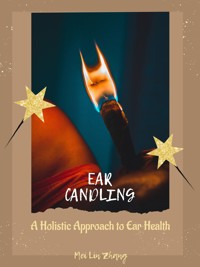
"Ear candling is the key to unlocking natural ear health."
Discover the ancient wisdom and healing power of ear candling with "Ear Candling: A Holistic Approach to Ear Health." This comprehensive guide is designed for anyone looking to improve their ear health and overall well-being through the gentle, non-invasive practice of ear candling.
Dive into the fascinating history of ear candling, exploring its roots in various cultures and its journey from ancient practice to modern-day therapy. Understand the science behind this holistic technique, and learn how ear candling can help alleviate common ear issues like wax build-up, congestion, and even tinnitus.
This book offers step-by-step instructions, allowing you to safely and effectively perform ear candling at home. Gain insight into the different types of candles available, and learn the importance of choosing high-quality, natural materials for the best results.
As you progress through the chapters, you'll uncover invaluable tips and tricks for maximizing the benefits of ear candling. Learn how to combine this ancient practice with complementary therapies like aromatherapy, massage, and meditation to create a holistic ear care routine that promotes overall well-being.
In "Ear Candling: A Holistic Approach to Ear Health," you'll find:
• An introduction to the ancient practice of ear candling
• The science and benefits of ear candling
• How to safely perform ear candling at home
• Selecting the right materials and candles for the best results
• Combining ear candling with complementary therapies
• And much more!
Unlock the secrets of holistic ear care and embrace a natural approach to ear health with "Ear Candling: A Holistic Approach to Ear Health." Whether you're a seasoned practitioner or a curious beginner, this comprehensive guide will provide you with the knowledge and tools you need to transform your ear care routine and improve your overall well-being.
Das E-Book können Sie in Legimi-Apps oder einer beliebigen App lesen, die das folgende Format unterstützen:
Veröffentlichungsjahr: 2023
Ähnliche










Created by Xspurts.com
All rights reserved.
Copyright © 2005 onwards .
By reading this book, you agree to the below Terms and Conditions.
Xspurts.com retains all rights to these products.
No part of this book may be reproduced in any form, by photostat, microfilm, xerography, or any other means, or incorporated into any information retrieval system, electronic or mechanical, without the written permission of Xspurts.com; exceptions are made for brief excerpts used in published reviews.
This publication is designed to provide accurate and authoritative information with regard to the subject matter covered, however this book has been made for entertainment purposes only. It is sold with the understanding that the publisher is not engaged in rendering legal, accounting, health, relationship or other professional / personal advice. If legal advice or other expert assistance is required, the services of a competent professional should be sought.
A New Zealand Made Product
Get A Free Book At: xspurts.com/posts/free-book-offer
––––––––
Table of Contents
The Origins and History of Ear Candling
Ancient practices and cultures
Modern ear candling resurgence
Understanding Ear Anatomy
Outer, middle, and inner ear
Earwax and its purpose
The Science Behind Ear Candling
Theories and controversies
Debunking common misconceptions
Types of Ear Candles
Materials and designs
Scented versus unscented
Preparing for an Ear Candling Session
Choosing a comfortable space
Gathering necessary supplies
The Ear Candling Procedure
Step-by-step instructions
Tips for a successful session
Safety Precautions and Best Practices
Proper candle handling
Preventing burns and injuries
Ear Candling for Children
Age-appropriate considerations
Gentle techniques for young ears
Common Ear Conditions and Ear Candling
Ear infections
Tinnitus and vertigo
Sinusitis
Combining Ear Candling with Other Holistic Therapies
Aromatherapy
Reflexology
Massage
Frequently Asked Questions about Ear Candling
Addressing concerns and misconceptions
Expert insights and advice
The Ear Candling Controversy
Understanding the skepticism
Evaluating scientific studies
DIY Ear Candling: Making Your Own Ear Candles
Materials and tools
Step-by-step guide
Ear Candling Certification and Training
Finding a reputable program
Benefits of professional training
Ear Candling Regulations and Legal Considerations
Understanding local laws
Ensuring safe practice
Professional Ear Candling Services
Finding a qualified practitioner
What to expect during a session
The Client's Perspective: Ear Candling Experiences
Personal stories and testimonials
Addressing common fears
The Skeptic's Guide to Ear Candling
Evaluating the pros and cons
Making informed decisions
Alternative Ear Care Solutions
Earwax removal methods
Natural remedies for ear health
The Future of Ear Candling
Emerging research and developments
The role of ear candling in holistic health
Resources for Further Exploration
Books, websites, and organizations
Connecting with the ear candling community
Have Questions / Comments?
Get Another Book Free
The Origins and History of Ear Candling
Ear candling is an alternative therapy that involves placing a hollow candle in the ear canal and lighting it on fire. While this practice has gained popularity in recent years, its origins can be traced back centuries ago to various cultures around the world. The history of ear candling is fascinating, as it intertwines with traditional healing methods and beliefs. Below we will delve into the origins and historical development of ear candling, exploring its cultural significance and therapeutic applications.
The practice of ear candling has its roots in ancient civilizations such as the Egyptian, Chinese, and Indian cultures. It is believed that the Egyptians were among the first to use this technique for medicinal purposes. They saw the ear as a gateway to the soul and believed that ear candling could cleanse not only the physical body but also the spiritual being. Similarly, the Chinese and Indian cultures viewed the ear as a microcosm of the entire body, where each body part is connected to a specific point in the ear. By stimulating these points, they believed that various health issues could be treated and balance could be restored.
Ear candling also has a long history in Native American traditions. The Hopi tribe, in particular, developed a unique form of ear candling known as "Thermo-Auricular Therapy." The Hopi people considered the ear as a sacred organ through which divine messages could be received. They used ear candling to purify and harmonize their spiritual and physical bodies. The technique was passed down through generations and was used to treat a wide range of ailments, including earaches, sinus congestion, and spiritual blockages.
The modern form of ear candling that we know today emerged in the early 20th century. It was reintroduced to the Western world by a German naturopath named Joseph B. Hopfer in the 1960s. Hopfer observed the practice during his travels in Mexico and decided to bring it back to Germany. He modified the traditional technique by using a fabric-wrapped cone dipped in beeswax instead of a hollow reed or clay cone. This modification made the process safer and more convenient.
Ear candling gained popularity in Europe and the United States during the 1980s and 1990s. It became a part of the alternative health movement, appealing to individuals seeking natural remedies and holistic therapies. However, the scientific community remained skeptical about its effectiveness and safety. Numerous studies were conducted to evaluate the claims made by proponents of ear candling. The general consensus among medical professionals and researchers was that ear candling had no proven medical benefits and could pose serious risks, including burns, ear canal obstructions, and perforations of the eardrum.
Despite the controversy surrounding its efficacy, ear candling continues to be practiced by many individuals as a form of relaxation and self-care. It is often used in conjunction with other complementary therapies such as aromatherapy and massage. Advocates of ear candling claim that it can relieve earwax buildup, improve hearing, alleviate sinus pressure, and promote a sense of well-being. However, it is essential to approach this practice with caution and consult a healthcare professional before attempting it.
Ancient practices and cultures
Human history is replete with fascinating practices and cultural traditions that have been passed down through generations. These ancient practices provide valuable insights into the beliefs, customs, and healing methods of our ancestors. Ear candling, a technique that involves placing a hollow candle in the ear canal and lighting it on fire, is one such practice that can be traced back to various ancient cultures. Below we will delve into the connection between ancient practices and cultures and the intriguing world of ear candling.
The roots of ear candling can be found in civilizations that flourished thousands of years ago. One of the earliest known cultures to use this technique was ancient Egypt. The Egyptians believed that the ear was not just a physical organ, but also a gateway to the soul. They held a deep reverence for the ear and its connection to spiritual well-being. It was believed that by performing ear candling, one could cleanse not only the physical body but also the spiritual being. This practice was seen as a way to purify and harmonize the individual, fostering balance and healing.
In addition to the Egyptians, the Chinese and Indian cultures also recognized the significance of the ear in relation to overall health. Traditional Chinese medicine views the body as an interconnected system, where specific points in the ear correspond to various organs and body parts. By stimulating these points, practitioners aimed to restore balance and treat ailments. Similarly, Ayurveda, the ancient Indian system of medicine, attributes great importance to the ear as a microcosm of the entire body. Ear candling was used in these cultures to address a wide range of health issues, from earaches and sinus congestion to emotional imbalances and spiritual blockages.
The Native American Hopi tribe developed a unique form of ear candling known as "Thermo-Auricular Therapy." For the Hopi people, the ear held deep spiritual significance, and they considered it a sacred organ. They believed that divine messages could be received through the ear and that it played a crucial role in maintaining physical and spiritual well-being. Thermo-Auricular Therapy involved the use of ear candles made from natural materials such as beeswax and cotton. This practice was passed down through generations and was employed to treat various conditions, including earaches, sinus congestion, and spiritual disharmony.
While ear candling has ancient roots, the modern form of this practice emerged in the early 20th century. It was reintroduced to the Western world by a German naturopath named Joseph B. Hopfer in the 1960s. Hopfer encountered ear candling during his travels in Mexico and was captivated by its potential therapeutic benefits. He modified the traditional technique by using a fabric-wrapped cone dipped in beeswax instead of a hollow reed or clay cone. This modification made the process safer and more convenient, thus paving the way for its popularity in subsequent years.
In recent decades, ear candling has gained attention as a part of the alternative health movement. People seeking natural remedies and holistic therapies have embraced this practice for its perceived benefits. However, the scientific community has remained skeptical about its effectiveness and safety. Numerous studies have been conducted to evaluate the claims made by proponents of ear candling. The consensus among medical professionals and researchers is that ear candling has no proven medical benefits and may pose risks such as burns, ear canal obstructions, and eardrum perforations.
Despite the controversy, ear candling continues to be practiced by many individuals as a form of relaxation and self-care. It is often used in conjunction with other complementary therapies, such as aromatherapy and massage. Advocates of ear candling claim that it can relieve earwax buildup, improve hearing, alleviate sinus pressure, and promote a
Modern ear candling resurgence
In recent years, there has been a resurgence of interest in alternative therapies and holistic approaches to health and well-being. One practice that has captured the attention of many is ear candling. Despite its controversial status in the medical community, ear candling has gained popularity as a relaxation and self-care technique. Below we will explore the modern resurgence of ear candling, its potential benefits, and the reasons behind its appeal to a growing number of individuals.
Ear candling, also known as thermal-auricular therapy, involves placing a specially designed hollow candle into the ear canal and lighting it on fire. The heat produced by the burning candle is believed to create a gentle suction that can remove excess earwax, alleviate sinus congestion, and promote relaxation. While the origins of ear candling can be traced back to ancient civilizations, its modern resurgence can be attributed to several factors.
One reason for the renewed interest in ear candling is the desire for natural and non-invasive healing methods. In a world dominated by pharmaceuticals and invasive medical procedures, individuals are seeking alternative approaches to address their health concerns. Ear candling offers a seemingly gentle and soothing solution, appealing to those who prefer a holistic and self-directed approach to their well-being.
Furthermore, the modern resurgence of ear candling can be linked to the growing awareness of self-care practices. In today's fast-paced and stressful world, people are looking for ways to unwind, relax, and take care of themselves. Ear candling provides an opportunity for individuals to engage in a ritualistic and calming experience, creating a sense of tranquility and promoting self-nurturing.
Another factor contributing to the popularity of ear candling is the rise of the wellness industry. Wellness has become a significant trend, with people prioritizing their physical, mental, and emotional health. Ear candling fits within this framework, offering a potential avenue for individuals to enhance their overall well-being. The relaxation and stress-relief aspects of ear candling align with the goals of the wellness movement.
Social media and the internet have also played a significant role in the resurgence of ear candling. With the widespread availability of information and personal testimonials, people have become more aware of alternative therapies and their potential benefits. Online communities and platforms have allowed individuals to share their experiences with ear candling, leading to increased curiosity and a willingness to explore this practice.
Despite its growing popularity, it is important to note that ear candling remains a controversial practice. The medical community generally holds a skeptical view of its efficacy and safety. Numerous studies have been conducted to evaluate the claims made by proponents of ear candling, and the consensus among medical professionals is that there is no scientific evidence to support its effectiveness. Moreover, there are significant risks associated with ear candling, including burns, ear canal obstructions, and damage to the eardrum.
It is crucial for individuals interested in ear candling to approach it with caution and seek guidance from healthcare professionals. Consulting with an ear, nose, and throat specialist or a qualified practitioner experienced in ear candling can help determine the appropriateness of this practice for specific individuals and address any potential concerns.
Understanding Ear Anatomy
Understanding Ear Anatomy: Unveiling the Intricacies of the Auditory System
The human ear is a remarkable organ responsible for our sense of hearing and maintaining balance. Its intricate anatomy consists of various structures that work together to capture sound waves, transform them into electrical signals, and transmit them to the brain for interpretation. Understanding the anatomy of the ear is crucial for comprehending the potential impacts of practices such as ear candling. Below we will explore the fascinating world of ear anatomy and its relation to the controversial practice of ear candling.
The ear can be divided into three main sections: the outer ear, the middle ear, and the inner ear. Each section performs specific functions and contains unique structures that contribute to the overall auditory experience.
The outer ear is the visible part of the ear that we commonly refer to as the earlobe and the external ear canal. Its primary function is to collect sound waves and direct them towards the eardrum. The shape and contours of the outer ear, including the fleshy earlobe, help to funnel sound into the ear canal, enhancing our ability to perceive and localize sounds.
The ear canal is a narrow passage that extends from the outer ear to the eardrum. It is lined with tiny hairs and wax-producing glands that help trap foreign particles and protect the delicate structures deeper within the ear. The ear canal also plays a role in amplifying certain frequencies of sound, contributing to our ability to discern different pitches.
Moving inward, we encounter the middle ear, which lies behind the eardrum. This section consists of the eardrum itself and a series of interconnected bones known as the ossicles: the malleus (hammer), incus (anvil), and stapes (stirrup). When sound waves strike the eardrum, it vibrates, setting the ossicles into motion. The amplification provided by these bones allows for the transmission of sound from the outer ear to the inner ear.
The Eustachian tube is another essential component of the middle ear. It connects the middle ear to the back of the throat and serves to equalize pressure between the middle ear and the outside environment. This tube opens briefly during activities such as swallowing or yawning, allowing air to flow in or out and maintaining optimal pressure conditions within the middle ear.
The inner ear, nestled deep within the temporal bone, is the most complex and crucial part of the auditory system. It consists of the cochlea, vestibular apparatus, and the auditory nerve. The cochlea is responsible for converting sound vibrations into electrical signals that can be interpreted by the brain. It contains thousands of tiny hair cells that are sensitive to different frequencies of sound. These hair cells move in response to the vibrations and trigger the release of neurotransmitters, which are then picked up by the auditory nerve.
The vestibular apparatus, situated adjacent to the cochlea, is responsible for maintaining balance and spatial orientation. It contains three semicircular canals filled with fluid and tiny hair cells. When we move our heads, the fluid within the canals shifts, stimulating the hair cells and sending signals to the brain to help us maintain balance.
Now, how does ear candling relate to the intricate anatomy of the ear? Ear candling involves inserting a hollow candle into the ear canal and lighting it on fire. Proponents of this practice claim that the heat and suction created by the burning candle can draw out excess earwax and alleviate various conditions. However, it is important to note that there is no scientific evidence to support these claims.
In fact, the practice of ear candling poses potential risks to the delicate structures of the ear. The heat from the burning candle can cause burns to the sensitive skin of the ear canal and eardrum. Moreover, the suction effect created by the
Outer, middle, and inner ear
Outer, Middle, and Inner Ear: Unveiling the Intricacies of the Auditory System
The human ear is an extraordinary organ responsible for our sense of hearing and maintaining balance. Its complex structure consists of three main sections: the outer ear, the middle ear, and the inner ear. Each section plays a unique role in capturing and processing sound waves, and understanding their intricacies is essential for comprehending the potential impact of practices such as ear candling. Below we will delve into the fascinating world of the outer, middle, and inner ear and explore their relationship to the controversial practice of ear candling.
Let's begin with the outer ear, the visible part of the ear that we commonly refer to as the earlobe and the external ear canal. Its primary function is to collect sound waves and direct them towards the eardrum. The outer ear's unique shape and contours, including the fleshy earlobe, help to funnel sound into the ear canal, enhancing our ability to perceive and localize sounds.
Moving inward, we encounter the middle ear, a small, air-filled chamber situated behind the eardrum. The middle ear consists of the eardrum itself and a series of interconnected bones known as the ossicles: the malleus (hammer), incus (anvil), and stapes (stirrup). When sound waves strike the eardrum, it vibrates, setting the ossicles into motion. The amplification provided by these bones allows for the transmission of sound from the outer ear to the inner ear.
The middle ear is also connected to the back of the throat by a narrow tube called the Eustachian tube. This tube plays a vital role in equalizing pressure between the middle ear and the outside environment. It opens briefly during activities such as swallowing or yawning, allowing air to flow in or out and maintaining optimal pressure conditions within the middle ear.
Now, let's explore the inner ear, the most intricate and crucial part of the auditory system. Housed deep within the temporal bone, the inner ear consists of two main components: the cochlea and the vestibular apparatus. The cochlea is responsible for converting sound vibrations into electrical signals that can be interpreted by the brain. Shaped like a spiral, the cochlea contains thousands of tiny hair cells that are sensitive to different frequencies of sound. These hair cells move in response to the vibrations and trigger the release of neurotransmitters, which are then picked up by the auditory nerve and transmitted to the brain for processing.
Adjacent to the cochlea lies the vestibular apparatus, which is responsible for maintaining balance and spatial orientation. It comprises three semicircular canals filled with fluid and tiny hair cells. When we move our heads, the fluid within the canals shifts, stimulating the hair cells and sending signals to the brain to help us maintain balance.
Now, how does ear candling relate to the complex anatomy of the ear? Ear candling involves inserting a hollow candle into the ear canal and lighting it on fire. Proponents of this practice claim that the heat and suction created by the burning candle can draw out excess earwax and alleviate various conditions. However, it is crucial to note that there is no scientific evidence to support these claims.
In reality, ear candling poses potential risks to the delicate structures of the ear. The heat from the burning candle can cause burns to the sensitive skin of the ear canal and eardrum. Moreover, the suction effect created by the candle can lead to the introduction of candle wax or other debris into the ear canal, increasing the risk of ear canal obstructions and damage to the eardrum.
Given the intricate nature of the auditory system and the potential risks associated with ear candling, it is essential to approach this practice with caution. Seeking
Earwax and its purpose
Earwax, medically known as cerumen, is a substance that is often the subject of disdain and misunderstanding. Many people consider it an unsightly and bothersome substance that needs to be removed. However, earwax plays a crucial role in maintaining the health and function of our ears. Below we will explore the intriguing world of earwax, its purpose, and its relation to the controversial practice of ear candling.
Earwax is a waxy substance produced by the glands in the outer portion of the ear canal. It is composed of a combination of secretions from the ceruminous glands and dead skin cells. Although it may seem unappealing, earwax serves several important functions in the ear.
First and foremost, earwax acts as a protective barrier for the delicate structures of the ear. It helps to lubricate the ear canal, preventing it from becoming dry and itchy. Additionally, earwax forms a waterproof layer that repels water, preventing moisture from reaching the sensitive skin of the ear canal. This protective function is particularly important when swimming or bathing, as it helps to safeguard the ears against infection.
Another vital role of earwax is its cleaning function. As new earwax is produced, it gradually moves from the inner part of the ear canal towards the outer ear. During this migration, it carries with it any dust, debris, or dead skin cells that may have accumulated in the ear canal. This natural self-cleaning mechanism helps to keep the ear canal clear and free from blockages.
Moreover, earwax possesses antimicrobial properties that help fight off infection-causing bacteria and fungi. The secretions from the ceruminous glands contain various substances, such as lysozyme and fatty acids, which have antimicrobial effects. These components create an environment within the ear canal that is inhospitable to harmful microorganisms, reducing the risk of ear infections.
Now, how does ear candling relate to the presence of earwax? Ear candling is a controversial practice that involves placing a hollow candle in the ear canal and lighting it on fire. Proponents of this practice claim that it can remove excess earwax, among other potential benefits. However, it is crucial to note that there is no scientific evidence to support these claims, and ear candling poses several risks to ear health.
Attempting to remove earwax through methods like ear candling can disrupt the natural self-cleaning process of the ear. It can push the wax deeper into the ear canal, potentially leading to blockages and impactions. Moreover, the heat from the burning candle can cause burns to the sensitive skin of the ear canal and eardrum. In some cases, the suction effect created by ear candling can lead to injury to the ear canal or eardrum.
Given the importance of earwax in protecting and maintaining the health of our ears, it is essential to adopt safe and effective methods for its management. If earwax buildup becomes a concern, it is recommended to seek guidance from a healthcare professional. They can assess the situation and provide appropriate solutions, such as using over-the-counter earwax removal drops or performing professional earwax removal procedures.




