


199,99 €
Mehr erfahren.
- Herausgeber: John Wiley & Sons
- Kategorie: Fachliteratur
- Serie: Polymer Science and Plastics Engineering
- Sprache: Englisch
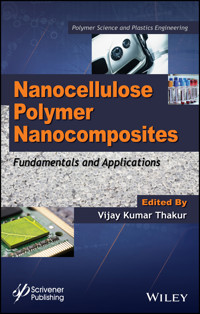
Biorenewable polymers based nanomaterials are rapidly emerging as one of the most fascinating materials for multifunctional applications. Among biorenewable polymers, cellulose based nanomaterials are of great importance due to their inherent advantages such as environmental friendliness, biodegradability, biocompatibility, easy processing and cost effectiveness, to name a few. They may be produced from biological systems such as plants or be chemically synthesised from biological materials. This book summarizes the recent remarkable achievements witnessed in green technology of cellulose based nanomaterials in different fields ranging from biomedical to automotive. This book also discusses the extensive research developments for next generation nanocellulose-based polymer nanocomposites. The book contains seventeen chapters and each chapter addresses some specific issues related to nanocellulose and also demonstrates the real potentialities of these nanomaterials in different domains. The key features of the book are: * Synthesis and chemistry of nanocellulose from different biorenewable resources * Different characterization of nanocellulosic materials and their respective polymer nanocomposites * Physico-chemical, thermal and mechanical investigation of nanocellulose based polymer nanocomposites * Provides elementary information and rich understanding of the present state-of- art of nanocellulose-based materials * Explores the full range of applications of different nanocellulose-based materials.
Sie lesen das E-Book in den Legimi-Apps auf:
Seitenzahl: 1056
Veröffentlichungsjahr: 2014
Ähnliche














Contents
Cover
Half Title page
Title page
Copyright page
Dedication
Preface
Part 1: Synthesis and Characterization of Nanocellulose-Based Polymer Nanocomposites
Chapter 1: Nanocellulose-Based Polymer Nanocomposites: An Introduction
1.1 Introduction
1.2 Nanocellulose: Source, Structure, Synthesis and Applications
1.3 Conclusions
References
Chapter 2: Bacterial Cellulose-Based Nanocomposites: Roadmap for Innovative Materials
2.1 Introduction
2.2 Bacterial Cellulose Production, Properties and Applications
2.3 Bacterial Cellulose-Based Polymer Nanocomposites
2.4 Bacterial Cellulose-Based Hybrid Nanocomposite Materials
2.5 Acknowledgements
References
Chapter 3: Polyurethanes Reinforced with Cellulose
3.1 Introduction
3.2 Conventional Polyurethanes Reinforced with Nanocellulose Fibers
3.3 Waterborne Polyurethanes Reinforced with Nanocellulose Fibers
3.4 Biobased Polyurethanes Reinforced with Nanocellulose Fibers
3.5 Conclusions and Final Remarks
References
Chapter 4: Bacterial Cellulose and Its Use in Renewable Composites
4.1 Introduction
4.2 Cellulose Properties and Production
4.3 Tailor-Designing Bacterial Cellulose
4.4 Bacterial Cellulose Composites
4.5 Biodegradability
4.6 Conclusions
References
Chapter 5: Nanocellulose-Reinforced Polymer Matrix Composites Fabricated by In-Situ Polymerization Technique
5.1 Introduction
5.2 Cellulose as Filler in Polymer Matrix Composites
5.3 Cellulose Nanocomposites
5.4 In-Situ Polymerized Cellulose Nanocomposites
5.5 Novel Materials with Wide Application Potential
5.6 Effect of In-Situ Polymerization on Biodegradation Behavior of Cellulose Nanocomposites
5.7 Future of Cellulose Nanocomposites
References
Chapter 6: Multifunctional Ternary Polymeric Nanocomposites Based on Cellulosic Nanoreinforcements
6.1 Introduction
6.2 Cellulosic Reinforcements (CR)
6.3 Interaction of CNR with Different Nanoreinforcements
6.4 Ternary Polymeric Systems Based on CNR
6.5 Conclusions
Acknowledgments
References
Chapter 7: Effect of Fiber Length on Thermal and Mechanical Properties of Polypropylene Nanobiocomposites Reinforced with Kenaf Fiber and Nanoclay
7.1 Introduction
7.2 Experimental
7.3 Results and Discussion
7.4 Conclusion
References
Chapter 8: Cellulose-Based Liquid Crystalline Composite Systems
8.1 Introduction
8.2 Liquid Crystalline Phases of Cellulose and Its Derivatives
8.3 Conclusions
Acknowledgements
References
Chapter 9: Recent Advances in Nanocomposites Based on Biodegradable Polymers and Nanocellulose
9.1 Introduction
9.2 Cellulose Bionanocomposites Incorporation of Cellulose Nanofibers into Biodegradable Polymers: General Effect on the Properties
9.3 Future Perspectives and Concluding Remarks
References
Part II: Processing and Applications Nanocellulose-Based Polymer Nanocomposites
Chapter 10: Cellulose Nano/Microfibers-Reinforced Polymer Composites: Processing Aspects
10.1 Introduction
10.2 The Role of Isolation Methods on Composite Properties
10.3 Pretreatment of Fibers and Its Role in Composite Performance
10.4 Different Processing Methodologies in Cellulose Nanocomposites and Their Effect on Final Properties
10.5 Conclusion
References
Chapter 11: Nanocellulose-Based Polymer Nanocomposite: Isolation, Characterization and Applications
11.1 Introduction
11.2 Cellulose and Nanocellulose
11.3 Isolation of Nanocellulose
11.4 Characterization of Nanocellulose
11.5 Drying of Nanocellulose
11.6 Modifications of Nanocellulose
11.7 Nanocellulose-Based Polymer Nanocomposites
11.8 Conclusion
Acknowledgement
References
Chapter 12: Electrospinning of Cellulose: Process and Applications
12.1 Cellulosic Fibers
12.2 Crystalline Structure of Electrospun Cellulose
12.3 Applications of Cellulose
12.4 Electrospinning
12.5 Electrospinning of Cellulose
12.6 Solvents for Electrospinning of Cellulose
12.7 Cellulose Composite Fibers
12.8 Conclusions
Abbreviations
Symbols
Reference
Chapter 13: Effect of Kenaf Cellulose Whiskers on Cellulose Acetate Butyrate Nanocomposites Properties
13.1 Introduction
13.2 Experimental
13.3 Characterization
13.4 Result and Discussion
13.5 Conclusions
Acknowledgements
References
Chapter 14: Processes in Cellulose Derivative Structures
14.1 Introduction
14.2 Conclusions
References
Chapter 15: Cellulose Nanocrystals: Nanostrength for Industrial and Biomedical Applications
15.1 Introduction
15.2 Cellulose and Its Sources
15.3 Nanocellulose
15.4 Cellulose Nanocrystals
15.5 Aqueous Suspension and Drying of CNCs
15.6 Functionalization of CNCs
15.7 Processing of CNCs for Biocomposites
15.8 Applications of CNCs-Reinforced Biocomposites
15.9 Biomedical Applications
15.10 Conclusion
Acknowledgements
References
Chapter 16: Medical Applications of Cellulose and Its Derivatives: Present and Future
16.1 Historical Overview
16.2 Use of Cellulose for Treatment of Renal Failure
16.3 Types of Membranes
16.4 Use of Cellulose for Wound Dressing
16.5 Cotton as Wound Dressing Material
16.6 Biosynthesis, Structure and Properties of MC
16.7 MC as a Wound Healing System
16.8 Microbial Cellulose/Ag Nanocomposite
16.9 Nanocomposites of Microbial Cellulose and Chitosan
16.10 Commercialization of Microbial Cellulose
16.11 Use of Cellulose as Implant Material
16.12 Dental Applications
16.13 Conclusions
Abbreviations
Symbols
Reference
Chapter 17: Bacterial Cellulose and Its Multifunctional Composites: Synthesis and Properties
17.1 Introduction
17.2 Magnetic Composites
17.3 Composites with Catalytic Activity
17.4 Electrically Conducting Composites
17.5 Composites as Fuel Cell Components, Electrodes and Membrane
17.6 Optically Transparent and Mechanically Flexible Composites
17.7 Summary and Outlook
References
Index
Nanocellulose Polymer Nanocomposites
Scrivener Publishing 100 Cummings Center, Suite 541J Beverly, MA 01915-6106
Polymer Science and Plastics Engineering
The series combines the two interdisciplinary fields of polymer science and plastics engineering to publish state of the art advances in the science and engineering of polymers and plastics. The book series publishes both short and standard length monographs, textbooks, edited volumes, handbooks, practical guides, and reference works related to all aspects of polymer science and plastics engineering including, but not limited to, renewable and synthetic polymer chemistry and physics, compositions (e.g. blends, composites, additives), processing, characterization, testing, design (materials and equipment), and applications. The books will serve a variety of industries such as automotive, food packaging, medical, and plastics as well as academia.
Proposals or enquiries should be sent to the series editor Dr. Srikanth Pilla at: [email protected]
Publishers at Scrivener Martin Scrivener([email protected]) Phillip Carmical ([email protected])
Copyright © 2015 by Scrivener Publishing LLC. All rights reserved.
Co-published by John Wiley & Sons, Inc. Hoboken, New Jersey, and Scrivener Publishing LLC, Salem, Massachusetts. Published simultaneously in Canada.
No part of this publication may be reproduced, stored in a retrieval system, or transmitted in any form or by any means, electronic, mechanical, photocopying, recording, scanning, or otherwise, except as permitted under Section 107 or 108 of the 1976 United States Copyright Act, without either the prior written permission of the Publisher, or authorization through payment of the appropriate per-copy fee to the Copyright Clearance Center, Inc., 222 Rosewood Drive, Danvers, MA 01923, (978) 750-8400, fax (978) 750-4470, or on the web at www.copyright.com. Requests to the Publisher for permission should be addressed to the Permissions Department, John Wiley & Sons, Inc., 111 River Street, Hoboken, NJ 07030, (201) 748-6011, fax (201) 748-6008, or online at http://www.wiley.com/go/permission.
Limit of Liability/Disclaimer of Warranty: While the publisher and author have used their best efforts in preparing this book, they make no representations or warranties with respect to the accuracy or completeness of the contents of this book and specifically disclaim any implied warranties of merchantability or fitness for a particular purpose. No warranty may be created or extended by sales representatives or written sales materials. The advice and strategies contained herein may not be suitable for your situation. You should consult with a professional where appropriate. Neither the publisher nor author shall be liable for any loss of profit or any other commercial damages, including but not limited to special, incidental, consequential, or other damages.
For general information on our other products and services or for technical support, please contact our Customer Care Department within the United States at (800) 762-2974, outside the United States at (317) 572-3993 or fax (317) 572-4002.
Wiley also publishes its books in a variety of electronic formats. Some content that appears in print may not be available in electronic formats. For more information about Wiley products, visit our web site at www.wiley.com.
For more information about Scrivener products please visit www.scrivenerpublishing.com.
Library of Congress Cataloging-in-Publication Data:
ISBN 978-1-118-87190-4
To my parents and teachers who helped me become what I am today
Vijay Kumar Thakur
Preface
The increasing environmental awareness has resulted in a renewed interest in polymer nanocomposites that are procured from biorenewable polymers such as nanocellulose. These polymer nanocomposites offer higher thermal and mechanical properties, transport barrier, thermal resistivity and flame retardance in comparison with the conventional biocomposites. Nanocomposite describes a two-phase material where one of the phases has at least one dimension in nanometre range (1–100 nm). They differ from conventional composites by the exceptionally high surface to volume ratio of the reinforcing phase and/or its exceptionally high aspect ratio. The reinforcing material can be made up of particles (e.g. minerals), sheets (e.g. exfoliated clay stacks) or fibers (e.g. carbon nanotubes, electrospun fibers or cellulose nanofibers). Large reinforcement surface area means that a relatively small amount of nanoscale reinforcement can have an observable effect on the macroscale properties of the composites. The ability to control the material features at the nanoscale and evaluation of their influence on the micro and macroscopic properties provides a new aspect to the development of nanocomposite systems. There has been enormous interest in the commercialization of nanocomposites for a variety of applications, and a number of these applications are already found in the market. Nanocomposites are currently used in a number of fields and new applications are continuously sought after.
In line with the development of nanotechnology and recent concern about environmental issues, more attention is being paid to utilizing bio-based nano-materials. In this regard, nanocellulose has gained much more interest because of the promising characteristics such as biodegradable nature, renewability and lower price. Nanocellulose-based materials are showing significant interest as potential nanofillers for nanocomposites due to their nanoscale dimension (very high surface area-to-volume ratio), high aspect ratio and impressive mechanical properties (or nano-strength) imparting to desired nanocomposites. Advantages in the use of nanosize cellulosic materials are related not only to these properties, in fact, its dimensions, in the nanometer scale, open a wide range of possible properties to be discovered. Nanosize cellulosic materials can be isolated from a variety of cellulosic resources, including plants, animals (tunicates), bacteria, algae, and in principle could be extracted from almost any cellulosic material by using different procedures. Remarkable achievements have been witnessed in green technology of cellulose nanomaterials in the field of materials science including the development of bio-nanocomposites. The growing interest in green product and unsurpassed physical and chemical properties of nanocellulose has resulted in increased academic and industrial interests towards development of cellulose nanocomposites. However, there are still some issues to be overcome and main challenges in the field are related to an efficient separation of nanosize cellulosic materials from the natural resources. The non-compatible nature of nanocellulose with most of the polymers is also a crucial issue for its application in nanocomposites. In addition, the drying process of nanocellulose for application in polymer composite is another challenge. Last but not least is that we need to find a process for obtaining higher yields in nanocellulose isolation. All these challenges and drawbacks have become the strong driving forces for discovering more efficient processes and technologies to produce nanocelluloses for application in nanocomposites, and for inventing new applications as well.
This book is aimed to provide a detailed knowledge on the issues mentioned above. It also provides a comprehensive overview on the synthesis and applications of nanocellulose-based nanocomposites materials. This book discusses extensive developments for the next generation research in the field of nanocellulose-based nanocomposites. The book contains seventeen chapters and each chapter addresses some specific issues related to nanocellulose and also demonstrates the real potentialities of these materials in different domains.
The principal credit of this goes to the authors of the chapters for summarizing the science and technology in the exciting area of nanocellulose. I would also like to thank Martin Scrivener of Scrivener Publishing along with Dr. Srikanth Pilla (Series Editor) for their invaluable help in the organisation of the editing process.
Finally, I would like to thank my parents and wife Manju for their continuous encouragement and support.
Vijay Kumar Thakur, Ph.D.Washington State University, U.S.A.August 30, 2014
Part 1
SYNTHESIS AND CHARACTERIZATION OF NANOCELLULOSE-BASED POLYMER NANOCOMPOSITES
Chapter 1
Nanocellulose-Based Polymer Nanocomposites: An Introduction
Manju Kumari Thakur*,1, Vijay Kumar Thakur2 and Raghavan Prasanth3
1Division of Chemistry, Govt. Degree College Sarkaghat, Himachal Pradesh University, Summer Hill, Shimla, India
2School of Mechanical and Materials Engineering, Washington State University, Washington, U.S.A.
3Department of Mechanical Engineering and Materials Science, Rice University, Houston, Texas, USA.
*Corresponding author: [email protected]
Abstract
Rising environmental awareness and the high demand for alternatives to non-renewable petroleum resources has led to extensive research focused on the concept of biomass-based biorenewable materials. Natural cellulosic polymers are such materials of prime choice for different applications due to their inherent advantages which include the fact that they are easily available, environmentally-friendly and have lower health risks; and also that they are economical, biodegradable, easily processed, have acceptable specific properties and have excellent insulating/noise absorption properties to name a few. These cellulosic materials in nano form, i.e., as nanocellulose, are rapidly emerging as one of the most promising future materials with outstanding physical, chemical, mechanical and thermal properties for multifunctional applications in different fields. Keeping in mind the promising characteristics of nanocellulosic materials, the present chapter gives an overview of the recent progress in the structure and applications of nanocellulose procured from different resources.
Keywords: Nanocellulose, natural fibers, structure, processing, applications
1.1 Introduction
Polymer-based materials derived from both natural and petrochemical resources are currently being extensively used in a wide range of products and in numerous applications [1-3]. These polymers have superseded the use of other materials such as metals, glasses and ceramics in a number of fields [4-6]. Compared to their natural counterparts, synthetic polymers have been widely used in a vast number of applications such as films, flexible plastic bags, composites and rigid containers to name a few [7-9]. Properties such as light weight, strength, chemical inertness and inexpensive production make them a favorable candidate for most present day applications [10-12]. However some of their other properties also cause considerable environmental problems, with their high molecular weight, chemical stability and relatively low surface area-to-volume ratio making them resistant to degradation by microbial attack, and causing them to persist in the environment long after disposal [5, 13, 14]. In addition, these polymers are produced by oil-based technology, which raises a number of pertinent issues related to increasing oil prices and dwindling resources, so the impetus to replace these polymers with renewable materials is increasing [15-17]. In order to conserve resources and avoid adding increased carbon emissions, materials must be developed that consume less energy and use raw materials that are derived from renewable resources [18].
Indeed, rising environmental awareness around the world has resulted in a renewed interest in materials procured from biorenewable resources [19, 20]. One of the common practices to prepare new environmentally-friendly materials is the incorporation of a least one component that is derived from renewable resources [21, 22]. Green materials have attracted great attention and interest in the development of biodegradable or natural polymer-derived green composites, while minimizing the generation of pollution [23]. Natural polymers, or biopolymers, are polymers that are produced from renewable resources [24, 25]. They may be produced by biological systems such as plants or animals, or be chemically synthesized from biological materials [26]. It is also desirable to make use of natural materials which do not, for example, compete with the food chain [27, 28]. A biodegradable polymer can be defined as a material in which degradation results from the action of microorganisms such as bacteria, fungi and algae [29, 30]. Therefore the use of biopolymers to replace synthetic polymers is attractive due to their obvious environmental advantages of being sustainable, renewable and biodegradable, being broken down into carbon dioxide and water when exposed to microbial flora [16, 31, 32]. In this advancement, the development of high-performance polymer biocomposite materials made from natural resources has been increasing worldwide due to environmental and sustainability issues [9, 27, 33]. The use of renewable materials such as natural cellulose (most abundant biopolymer) is becoming impellent because of the great demand for alternatives to non-renewable petroleum materials and good reinforcing material due to its availability, low cost, low density, nontoxicity, low abrasiveness, biocompatibility and biodegradability [28, 34, 35]. Biocomposites consisting of the polymer matrix and natural cellulose fibers are environmentally-friendly materials which can replace glass fiber-reinforced polymer composites, and are currently used in a wide range of fields such as the automotive and construction industries, electronic components, sports and leisure, etc. [36, 37].
Recently, the research on biobased nanocomposites which are reinforced with both natural fibers and nanofillers is actively proceeding in order to offer higher thermal and mechanical properties, transport barrier, thermal resistivity and flame retardance in comparison with the conventional biocomposites [20, 38]. Nanocomposite describes a two-phase material where one of the phases has at least one dimension in nanometer range (1–100 nm) [39]. They differ from conventional composites by the exceptionally high surface-to-volume ratio of the reinforcing phase and/or its exceptionally high aspect ratio. The reinforcing material can be made up of particles (e.g., minerals), sheets (e.g., exfoliated clay stacks) or fibers (e.g., carbon nanotubes, electrospun fibers or cellulose nanofibers) [40]. Large reinforcement surface area means that a relatively small amount of nanoscale reinforcement can have an observable effect on the macroscale properties of the composites. The ability to control the material features at the nanoscale and evaluation of their influence on the micro- and macroscopic properties provides a new aspect to the development of nanocomposite systems. There has been enormous interest in the commercialization of nanocomposites for a variety of applications, and a number of these applications are already found in the market [41]. Nanocomposites are currently used in a number of fields and new applications are continuously sought after.
In line with the development of nanotechnology and recent concern about environmental issues, more attention has been paid to the utilization of biobased nano-materials. In this regard, nanocellulose has gained much more interest because of its promising characteristics such as biodegradable nature, renewability and lower price [19]. Nanocellulose-based materials are gaining significant interest as potential nano-fillers for nanocomposites due to their nanoscale dimension (very high surface area-to-volume ratio), high aspect ratio and impressive mechanical properties (or nanostrength), which are imparted to the desired nanocomposites [42]. The advantages for the use of nanosize cellulosic materials are not only related to these properties; in fact, its dimensions, in the nanometer scale, open a wide range of possible properties yet to be discovered. Nanosize cellulosic materials can be isolated from a variety of cellulosic resources, including plants, animals (tunicates), bacteria and algae, and in principle could be extracted from almost any cellulosic material by using different procedures. Remarkable achievements have been witnessed in the green technology of cellulose nanomaterials in the field of materials science, including the development of bio-nanocomposites. The growing interest in green product and unsurpassed physical and chemical properties of nanocellulose have resulted in increased academic and industrial interest towards the development of cellulose nanocomposites. However, there are still some issues to be overcome and the main challenges in the field are related to an efficient separation of nanosize cellulosic materials from the natural resources [43]. The incompatible nature of nanocellulose with most polymers is also a crucial issue for its application in nanocomposites. In addition, the drying process of nanocellulose for application in polymer composite is another challenge. The last but not least point is related to finding a process for obtaining a higher yield in nanocellulose isolation. All these challenges and drawbacks have become the strong driving force for discovering more efficient processes and technologies to produce nanocelluloses for application in nanocomposites, and for inventing new applications as well [15]. Chapters 2–9 of this book discuss in detail the synthesis and characterization of different types of nanocellulose-based polymer composites, while Chapters 10–17 discuss in detail the processing and multifunctional applications of cellulose-based polymer nanocomposites.
1.2 Nanocellulose: Source, Structure, Synthesis and Applications
Human society has used natural cellulose-based materials for thousands of years, both knowingly and unknowingly [44]. All the industries around the world are looking for materials that can be easily procured from renewable and sustainable resources. However, although cellulose-based materials offer a number of advantages, for advanced applications some of the imperative properties such as functionality, uniformity and durability are not achieved using traditional cellulosic materials. Fortunately, the use of cellulose in nanoform can solve these issues. By suitable extraction of cellulose from different biorenewable resources at the nanoscale, next generation of multifunctional polymer nanocomposites can be obtained by employing a new cellulose-based “building block” known as nanocellulose. Nanocellulose offers a number of advantages such as high aspect ratio, low density (1.6 g cm−3), and a reactive surface of –OH side groups compared to the parental cellulose, and these functional groups also facilitate the attachment of desired functional groups onto these nanocellulose surface to achieve different surface properties. Nanocellulose can be obtained in different forms depending upon the source material and the intended applications. Chapters 2–9 of this book discuss in detail the different types of nanocellulosic materials. Natural cellulosic fibers are one of the most promising resources for the synthesis of nanocellulose. Natural cellulosic fibers can be divided into different types (Figure 1.1) [45].
Figure 1.1 Classification of cellulosic fibers.
Reprinted with permission from [45]. Copyright 2010 Wiley.
Figure 1.2 Schematic structure for carbon atoms in an anhydroglucose unit of cellulose.
Cellulose is one of the most abundant natural polymers on earth and provides strength/stability to the plant cell walls [45]. The properties and economics of fiber production for various applications are influenced by the amount of cellulose in a fiber. In natural cellulosic fibers, stiff semicrystalline cellulose microfibrils have been found to be embedded in a pliable amorphous matrix (Figure 1.3) [45].
Figure 1.3 Plant plasma membrane and cell wall structure: a) Cell wall containing cellulose microfibrils, hemicellulose, pectin, lignin and soluble proteins; b) Cellulose synthase enzymes are in the form of rosette complexes, which float in the plasma membrane; c) Lignification occurs in the S1, S2 and S3 layers of the cell wall.
Reprinted with permission from [45, 52]. Copyright 2010 Wiley and 2008 Nature.
Nanocellulose can be obtained through different processes [47]. The length of these nanocellulosic materials depends upon the resource from which they are obtained [52]. For example, in the nanocellulose obtained from tunicates and green algae, crystallites have lengths in the range of a few micrometers, while those obtained from wood and cotton have lengths of the order of a few hundred nanometers. These nanocellulose are referred to by different names such as microcrystalline cellulose (MCC), nanocrystalline cellulose (NCCs), nanowhiskers, bacterial cellulose, etc., depending upon their specific characteristics and synthesis procedures [48]. Chapters 2 and 5 of this book are solely focused on the bacterial cellulose-based polymer nanocomposites. Bacterial cellulose (BC) is generally biosynthesized by numerous bacteria as a 3D network of nano- and micro-fibrils. It has received greater attention during the last few years because of its unique features such as crystallinity, high purity, water-holding capacity, tensile strength and Young’s modulus, which can be successfully exploited in the development of innovative nanostructured composite materials. Different synthesis and characterization aspects of the bacterial cellulose are discussed in Chapters 2 and 4. Chapter 3 discusses the synthesis and chemistry of cellulose whiskers, nanofibrillated cellulose and the synthesis of nanocomposites using polyurethane as the polymer matrix. Chapter 4 comprehensively discusses the structure, properties and methods of characterization along with the growth conditions for bacterial cellulose. Different modification strategies to alter the properties of bacterial cellulose for certain specific applications are also discussed in this chapter. These modification strategies include both physical and chemical modifications. Chapter 6 focuses on the synthesis of multifunctional ternary polymer nanocomposites using cellulosic nano-reinforcement with an emphasis on nanocrystalline cellulose (NCC), microfibrillated cellulose nanofibers (MFC) and bacterial cellulose (BC). Chapter 8 of the book comprehensively discusses the nanocellulose-based liquid crystalline composite systems in detail. The main emphasis of this chapter is on nanocrystalline cellulose, micro crystalline cellulose, composites, films and electrospun fibers. Chapter 11 describes in detail the isolation of nanocellulose from numerous sources and its utilization for fabrication methods, its characterization, drying processes and modification. The chapter also discusses the application of nanoscale cellulosic materials in polymer nanocomposites. Chapter 13 is focused on the cellulose whiskers procured from kenaf fibers. Different thermal and dynamic mechanical properties of the nanocomposites are also discussed in this chapter. Chapter 4 focuses on the processes in cellulose derivative structures. The main steps that are generally involved in the preparation of cellulose nanocrystals and microfibrillated celluloses are shown in reference [49].
Figure 1.4 shows the transmission electron micrographs (TEM) of microcrystalline cellulose obtained from dilute suspensions of cotton, sugar beet pulp, and tunicin (the cellulose extracted from tunicate) whiskers [48].
Figure 1.4 Transmission electron micrograph from a dilute suspension of hydrolyzed (a) cotton, (b) sugar beet pulp and (c) tunicin.
Reprinted with permission from [48]. Copyright 2005 American Chemical Society.
Microcrystalline cellulose has been found to be insoluble in common solvents generally used in the preparation of nanocomposites. The MCC has been found to form colloidal suspensions when suspended in water (Figure 1.5). Different parameters of MCC such as dimensions of the dispersed particles, surface charge and their size polydispersity control the stability of these suspensions [48].
Figure 1.5 Photograph of an aqueous suspension of tunicin whiskers observed between cross nicols, showing the formation of birefringent domains.
Reprinted with permission from [48]. Copyright 2005 American Chemical Society.
Nanocrystalline cellulose (NCCs) are general referred to as rigid rod-like crystals having a diameter in the range of 10–20 nm and lengths of a few hundred nanometers [47]. Figure 1.6 depicts the location and extraction of nanocrystalline cellulose [50]
Figure 1.6 Location and extraction of nanocrystalline cellulose.
Reprinted with permission from [50]. Copyright 2012 John Wiley.
Figure 1.7 shows the TEM images of some of the nanocrystalline cellulose obtained using sulfuric acid hydrolysis. Nanocellulose contains an abundance of hydroxyl groups susceptible to various chemical reactions. The nanocellulosic materials such as nanofibers are also processed to produce the micro/nanocrystal using several pretreatments. Some of the common treatments include the removal of the amorphous regions at the interface of microcrystalline domains in these fibers by acid treatment [46]. For a number of applications nanocellulose is modified using different techniques. Some of the commonly used techniques include carboxylation, esterification, silylation, cationization, and polymer grafting [47, 53].
Figure 1.7 TEM micrographs of nanocrystals obtained by sulfuric acid hydrolysis of (a) cotton (b) avicel and (c–e) tunicate cellulose. The insets of (a) and (b) provide higher resolution images of some characteristic particles.
Reprinted with permission from [47, 53]. Copyright 2010 John Wiley and 2008 American Chemical Society.
A summary of the different chemical modification techniques used to alter the surface characteristics of nanocellulose can be found in reference [47].
There has been Intense ongoing research to avoid the complex surface functionalization techniques. One of the new techniques is to combine the synthesis and functionalization of nanocellulose in a single step (see reference [47]).
Nanocellulose and its derivatives can be processed into different forms. Bacterial celulose is one such important type of nanocellulose. It has been processed into nanofibers for different applications. Figure 1.8 shows the different applications of cellulose acetate nanofibers [51]. Chapters 2 and 4 discuss the different perspectives of bacterial cellulose-based materials and their different applications. In these chapters the authors discuss in detail a vast collection of BC nanocomposites prepared using different polymer matrices such as natural polymers and thermoplastic matrices. In addition to this, the effect of inorganic nanophases are also addressed to demonstrate the real potentialities of bacterial cellulose in the polymer nanocomposites. Chapter 2 also discusses in detail the bacterial cellulose-based hybrid nanocomposite materials. Chapter 3 summarizes the new trends in the use of nanocellulose (nanowhiskers and nanofibrillated cellulose) as reinforcement of different types of polyurethane systems.
Figure 1.8 Schematic representation of electrospinning cellulose acetate nanofibers (at the center) and myriad biotechnological applications.
Reprinted with permission from [51]. Copyright 2013 Elsevier.
Chapter 4 discusses in detail the bacterial cellulose-reinforced renewable polymer-matrix-based composites. The techniques used to prepare the nanocomposites include impregnating bacterial cellulose, solution blending and casting, electrospinning and melt blending, in-situ composites, along with several other methods. Chapter 5 focuses solely on the preparation of nanocomposites using the in-situ synthesis technique. It also summarizes the applications of the in-situ synthesized nanocomposites in bone defect repair and bone tissue engineering, electrically active paper, nanostructured porous materials for drug delivery or as bioactive compounds, surface coating applications, and biobased green nanocomposites. The effect of in-situ polymerization on the biodegradation behavior of cellulose nanocomposites is also discussed in this chapter. Chapter 6 reviews selected approaches for the modulation of the final properties of a polymeric nanocomposite containing cellulosic nano-reinforcement combined with a second filler of different chemical nature. Different properties of the synthesized nanocomposites are analyzed and reported in this chapter, taking into account the required functionality of the device in the appropriate final application. The effect of the incorporation of other fillers on the properties of nanocellulose-based nanocomposites is also discussed in detail. Chapter 9 reviews the recent advances in nanocomposites based on biodegradable polymers and nanocellulose. Different kinds of biodegradable polymers were used as the matrix material in the preparation of cellulose-based nanocomposites. The different ways to obtain nanocellulose from several sources (micro-crystalline cellulose, natural fibers and agro-wastes) have been reviewed in this chapter along with the recent advances in biodegradable polymers/cellulose nanocomposites for packaging applications. Chapter 10 describes the fundamental problems faced in the development of cellulose nanocomposite and the methods adopted to overcome them. Chapter 12 is solely focused on the electrospinning of cellulose. It discusses in detail the fundamental processing aspect and utilization of different solvents for electrospinning of cellulose, along with the preparation of cellulose composites. Chapter 15 of the book comprehensively discusses cellulose nanocrystals and their biomedical applications. In this chapter, the extraction and characterization of cellulose nanocrystals are discussed along with their functionalization as well as industrial and biological applications. Chapter 16 also focuses on the biomedical applications of cellulose and its derivatives. The last chapter focuses on recent advances in the multifunctional nanocomposites based on nanocellulose. In this chapter different types of nanocomposites ranging from magnetic to electrically-conductive nanocomposites are discuses, with a particular emphasis on the structure and chemistry.
1.3 Conclusions
Among various biobased nanomaterials, nanocellulose is one of the most economical and environmentally-friendly biorenewable materials that can be easily procured from different resources. Different kinds of eco-friendly polymer nanocomposite materials with outstanding thermal, morphological and mechanical properties can be obtained using nanocellulose as potential reinforcement. The versatile applications of nanocellulose ranges from biomedical to high-performance structural nanocomposites. One of the biggest challenges in the use of nanocellulose is its large-scale production. To extensively use the nanocellulose for multifunctional applications, active research participations from the academic and industrial sectors is highly desired to overcome some of the shortcomings associated with nanocellulose.
References
1. C. K. Abdullah, M. Jawaid, H. P. S. A. Khalil, A. Zaidon, and A. Hadiyane, Oil palm trunk polymer composite: Morphology, water absorption, and thickness swelling behaviours. Bioresources 7, 2948–2959 (2012).
2. V. K. Thakur, J. Yan, M.-F. Lin, C. Zhi, D. Golberg, Y. Bando, R. Sim, and P. S. Lee, Novel polymer nanocomposites from bioinspired green aqueous functionalization of BNNTs. Polym. Chem. 3, 962 (2012).
3. V. K. Thakur, and A. S. Singha, Physicochemical and mechanical behavior of cellulosic pine needle-based biocomposites. Int. J. Polym. Anal. Charact. 16, 390–398 (2011).
4. V. K. Thakur, D. Vennerberg, S. A. Madbouly, and M. R. Kessler, Bio-inspired green surface functionalization of PMMA for multifunctional capacitors. RSC Adv. 4, 6677–6684 (2014).
5. V. K. Thakur, A. S. Singha, and B. N. Misra, Graft copolymerization of methyl methacrylate onto cellulosic biofibers. J. Appl. Polym. Sci. 122, 532–544 (2011).
6. V. K. Thakur, and A. S. Singha, Rapid synthesis, characterization, and physicochemical analysis of biopolymer-based graft copolymers. Int. J. Polym. Anal. Charact. 16, 153–164 (2011).
7. D. Cho, H. S. Lee, and S. O. Han, Effect of fiber surface modification on the interfacial and mechanical properties of kenaf fiber-reinforced thermoplastic and thermosetting polymer composites. Compos. Interfaces 16, 711–729 (2009).
8. A. Filimon, E. Avram, and S. Ioan, Structure-rheology relationship in complex quaternized polysulfones/solvent/nonsolvent systems. Polym. Bull. 70, 1835–1851 (2013).
9. V. K. Thakur, A. S. Singha, and M. K. Thakur, Fabrication and physico-chemical properties of high-performance pine needles/green polymer composites. Int. J. Polym. Mater. 62, 226–230 (2013).
10. S.-L. Nica, C. Hulubei, I. Stoica, G. E. Ioanid, and S. Ioan, Surface properties and blood compatibility of some aliphatic/aromatic polyimide blends. Polym. Eng. Sci. 53, 263–272 (2013).
11. K. M. Dean, S. A. Bateman, and R. Simons, A comparative study of UV active silane-grafted and ion-exchanged organo-clay for application in photocurable urethane acrylate nano- and micro-composites. Polymer 48, 2231–2240 (2007).
12. V. K. Thakur, A. S. Singha, I. Kaur, R. P. Nagarajarao, and Y. Liping, Studies on analysis and characterization of phenolic composites fabricated from lignocellulosic fibres. Polym. Polym. Compos. 19, 505–511 (2011).
13. K. M. Dean, M. D. Do, E. Petinakis, and L. Yu, Key interactions in biodegradable thermoplastic starch/poly (vinyl alcohol)/montmorillonite micro- and nanocomposites. Compos. Sci. Technol. 68, 1453–1462 (2008).
14. D. R. Ruka, G. P. Simon, and K. M. Dean, Altering the growth conditions of Gluconacetobacter xylinus to maximize the yield of bacterial cellulose. Carbohydr. Polym. 89, 613–622 (2012).
15. D. R. Ruka, G. P. Simon, and K. M. Dean, In situ modifications to bacterial cellulose with the water insoluble polymer poly-3-hydroxybutyrate. Carbohydr. Polym. 92, 1717–1723 (2013).
16. V. K. Thakur, A. S. Singha, and M. K. Thakur, Green composites from natural fibers: Mechanical and chemical aging properties. Int. J. Polym. Anal. Charact. 17, 401–407 (2012).
17. V. K. Thakur, A. S. Singha, and M. K. Thakur, Modification of natural biomass by graft copolymerization. Int. J. Polym. Anal. Charact. 17, 547–555 (2012).
18. V. K. Thakur, A. S. Singha, and M. K. Thakur, Surface modification of natural polymers to impart low water absorbency. Int. J. Polym. Anal. Charact. 17, 133–143 (2012).
19. D. F. Xie, V. P. Martino, P. Sangwan, C. Way, G. A. Cash, E. Pollet, K. M. Dean, P. J. Halley, and L. Averous, Elaboration and properties of plasticised chitosan-based exfoliated nano-biocomposites. Polymer 54, 3654–3662 (2013).
20. M. I. Aranguren, N. E. Marcovich, W. Salgueiro, and A. Somoza, Effect of the nano-cellulose content on the properties of reinforced polyurethanes. A study using mechanical tests and positron anihilation spectroscopy. Polym. Test. 32, 115–122 (2013).
21. V. R. da Silva, M. A. Mosiewicki, M. I. Yoshida, M. C. da Silva, P. M. Stefani, and N. E. Marcovich, Polyurethane foams based on modified tung oil and reinforced with rice husk ash II: Mechanical characterization. Polym. Test. 32, 665–672 (2013).
22. V. K. Thakur, A. S. Singha, and M. K. Thakur, Graft copolymerization of methyl acrylate onto cellulosic biofibers: Synthesis, characterization and applications. J. Polym. Environ. 20, 164–174 (2011).
23. V. K. Thakur, A. S. Singha, and M. K. Thakur, Biopolymers based green composites: Mechanical, thermal and physico-chemical characterization. J. Polym. Environ. 20, 412–421 (2011).
24. U. M. Casado, R. M. Quintanilla, M. I. Aranguren, and N. E. Marcovich, Composite films based on shape memory polyurethanes and nanostructured polyaniline or cellulose-polyaniline particles. Synth. Met. 162, 1654–1664 (2012).
25. V. K. Thakur, A. S. Singha, and M. K. Thakur, Rapid synthesis of MM A grafted pine needles using microwave radiation. Polym.-Plast. Technol. Eng. 51, 1598–1604 (2012).
26. V. K. Thakur, M. K. Thakur, and R. K. Gupta, Graft copolymers from cellulose: Synthesis, characterization and evaluation. Carbohydr. Polym. 97, 18–25 (2013).
27. V. K. Thakur, A. S. Singha, and M. K. Thakur, Natural cellulosic polymers as potential reinforcement in composites: Physicochemical and mechanical studies. Adv. Polym. Technol. 32, E427–E435 (2013).
28. V. K. Thakur, A. S. Singha, and M. K. Thakur, Synthesis of natural cellulose-based graft copolymers using methyl methacrylate as an efficient monomer. Adv. Polym. Technol. 32, E741–E748 (2013).
29. V. K. Thakur, M. K. Thakur, and R. K. Gupta, Synthesis of lignocellulosic polymer with improved chemical resistance through free radical polymerization. Int. J. Biol. Macromol. 61, 121–126 (2013).
30. V. K. Thakur, M. K. Thakur, and R. K. Gupta, Graft copolymers from natural polymers using free radical polymerization. Int. J. Polym. Anal. Charact. 18, 495–503 (2013).
31. M. Pereda, G. Amica, and N. E. Marcovich, Development and characterization of edible chitosan/olive oil emulsion films. Carbohydr. Polym. 87, 1318–1325 (2012).
32. V. K. Thakur, M. K. Thakur, and A. S. Singha, Free radical-induced graft copolymerization onto natural fibers. Int. J. Polym. Anal. Charact. 18, 430–438 (2013).
33. V. K. Thakur, A. S. Singha, and M. K. Thakur, Ecofriendly biocomposites from natural fibers: Mechanical and weathering study. Int. J. Polym. Anal. Charact. 18, 64–72 (2013).
34. M. A. Pinto, V. B. Chalivendra, Y. K. Kim, and A. F. Lewis, Effect of surface treatment and Z-axis reinforcement on the interlaminar fracture of jute/epoxy laminated composites. Eng. Tract. Mech. 114, 104–114 (2013).
35. V. K. Thakur, A. S. Singha, and M. K. Thakur, Pressure induced synthesis of EA grafted saccaharum cilliare fibers. Int. J. Polym. Mater. Polym. Biomater. 63, 17–22 (2014).
36. V. K. Thakur, M. K. Thakur, and R. K. Gupta, Rapid synthesis of graft copolymers from natural cellulose fibers. Carbohydr. Polym. 98, 820–828 (2013).
37. V. K. Thakur, M. K. Thakur, and R. K. Gupta, Development of functionalized cellulosic biopolymers by graft copolymerization. Int. J. Biol. Macromol. 62, 44–51 (2013).
38. V. K. Thakur, M. K. Thakur, and R. K. Gupta, Graft copolymers of natural fibers for green composites. Carbohydr. Polym. 104, 87–93 (2014).
39. M. L. Auad, V. S. Contos, S. Nutt, M. I. Aranguren, and N. E. Marcovich, Characterization of nanocellulose-reinforced shape memory polyurethanes. Polym. Int. 57, 651–659 (2008).
40. M. L. Auad, M. A. Mosiewicki, T. Richardson, M. I. Aranguren, and N. E. Marcovich, Nanocomposites made from cellulose nanocrystals and tailored segmented polyurethanes. J. Appl. Polym. Sci. 115, 1215–1225 (2010).
41. M. Pereda, G. Arnica, I. Racz, and N. E. Marcovich, Structure and properties of nanocomposite films based on sodium caseinate and nanocellulose fibers. J. Food Eng. 103, 76–83 (2011).
42. M. L. Auad, T. Richardson, W. J. Orts, E. S. Medeiros, L, H. C. Mattoso, M. A. Mosiewicki, N. E. Marcovich, and M. I. Aranguren, Polyaniline-modified cellulose nanofibrils as reinforcement of a smart polyurethane. Polym. Int. 60, 743–750 (2011).
43. K. M. Dean, E. Petinakis, L. Goodall, T. Miller, L. Yu, and N. Wright, Nanostabilization of thermally processed high amylose hydroxylpropylated starch films. Carbohydr. Polym. 86, 652–658 (2011).
44. R. J. Moon, A. Martini, J. Nairn, J. Simonsen, and J. Youngblood, Cellulose nanomaterials review: Structure, properties and nanocomposites. Chem. Soc. Rev. 40, 3941–3994 (2011).
45. J. K. Pandey, S. H. Ahn, C. S. Lee, A. K. Mohanty, and M. Misra, Recent advances in the application of natural fiber based composites. Macromol. Mater. Eng. 295, 975–989 (2010).
46. X. Cao, Y. Habibi, W. L. Esteves Magalhaes, O. J. Rojas, and L. A. Lucia, Cellulose nanocrystals-based nanocomposites: Fruits of a novel biomass research and teaching platform. Curr. Sci. 100, 1172–1176 (2011).
47. B. L. Peng, N. Dhar, H. L. Liu, and K. C. Tam, Chemistry and applications of nanocrystalline cellulose and its derivatives: A nanotechnology perspective. Can. J. Chem. Eng. 89, 1191–1206 (2011).
48. M. Samir, F. Alloin, and A. Dufresne, Review of recent research into cellulosic whiskers, their properties and their application in nanocomposite field. Biomacromolecules 6, 612–626 (2005).
49. N. Lavoine, I. Desloges, A. Dufresne, and J. Bras, Microfibrillated cellulose - its barrier properties and applications in cellulosic materials: A review. Carbohydr. Polym. 90, 735–764 (2012).
50. J. K. Pandey, A. N. Nakagaito, and H. Takagi, Fabrication and applications of cellulose nanoparticle-based polymer composites. Polym. Eng. Sci. 53, 1–8 (2013).
51. R. Konwarh, N. Karak, and M. Misra, Electrospun cellulose acetate nanofibers: The present status and gamut of biotechn ological applications. Biotechnol. Adv. 31, 421–437 (2013).
52. M. B. Sticklen, Plant genetic engineering for biofuel production: Towards affordable cellulosic ethanol. Nat. Rev. Genet. 9, 433–443 (2008)
53. S. Elazzouzi-Hafraoui, Y. Nishiyama, J-L Putaux, L. Heux, F. Dubreuil, and Cyrille Rochas, The shape and size distribution of crystalline nanoparticles prepared by acid hydrolysis of native cellulose. Biomacromolecules, 9, 57–65, 2008.
Chapter 2
Bacterial Cellulose-Based Nanocomposites: Roadmap for Innovative Materials
Ana R. P. Figueiredo, Carla Vilela, Carlos Pascoal Neto, Armando J. D. Silvestre and Carmen S. R. Freire*
Department of Chemistry, CICECO, University of Aveiro, Aveiro, Portugal
*Corresponding author: [email protected]
Abstract
In the last decades there has been an increasing awareness in the search for biobased alternatives as sources of novel nanocomposites for application in several fields such as packaging, biomedical products and devices, as well as in high-technology domains. Nanocellulose forms like bacterial cellulose (BC), biosynthesized by several bacteria as a 3D network of nano- and micro-fibrils, have gained particular attention in this context because of their unique features, namely high purity, water-holding capacity, crystallinity, tensile strength and Young’s modulus, that can be successfully exploited in the development of innovative nanostructured composite materials. In this chapter, a comprehensive overview on the production, processing, properties and applications of bacterial cellulose-based nanocomposites is compiled and discussed. A vast collection of BC nanocomposites such as those with other natural polymers, thermoplastic matrices and inorganic nanophases will be addressed, aiming to demonstrate the real potentialities of BC in this domain.
Keywords: Bacterial cellulose, nanocomposites, polymer composites, hybrid materials, inorganic nanoparticles
2.1 Introduction
Cellulose is the most abundant biological macromolecule on Earth, with about 1.5 × 10¹² tons produced each year and a high economic importance in the pulp and paper as well as textile industries [1-3]. Most cellulose is obtained from plants, where it represents the main structural element of cell walls; but it is also produced by a family of sea animals called tunicates, several species of algae and some aerobic nonpathogenic bacteria, as well as through enzymatic and chemical methods [1]. Regardless of its origin, cellulose is a linear homopolymer of β-D-glucopyranose units linked by β-(1→4) glycosidic bonds, varying essentially on purity, degree of polymerization and crystallinity index [4]. Bacterial cellulose (BC) was first reported by Adrien Brown in 1886. While studying acetic fermentations, he noticed the formation of a white gelatinous pellicle on the surface of a liquid medium, which had the capability to grow to a thickness of 25 mm and proved to be very strong and tough. Brown also verified that this membrane was generated by a bacterium, initially named , but later classified as and currently termed Further research studies showed that this material had the same chemical composition as the cellulose produced by plants, and until today bacterial cellulose remains as the most pure existing natural form of cellulose [5, 6].
Lesen Sie weiter in der vollständigen Ausgabe!
Lesen Sie weiter in der vollständigen Ausgabe!
Lesen Sie weiter in der vollständigen Ausgabe!
Lesen Sie weiter in der vollständigen Ausgabe!
Lesen Sie weiter in der vollständigen Ausgabe!
Lesen Sie weiter in der vollständigen Ausgabe!
Lesen Sie weiter in der vollständigen Ausgabe!
Lesen Sie weiter in der vollständigen Ausgabe!
Lesen Sie weiter in der vollständigen Ausgabe!
Lesen Sie weiter in der vollständigen Ausgabe!
Lesen Sie weiter in der vollständigen Ausgabe!
Lesen Sie weiter in der vollständigen Ausgabe!
Lesen Sie weiter in der vollständigen Ausgabe!
Lesen Sie weiter in der vollständigen Ausgabe!
Lesen Sie weiter in der vollständigen Ausgabe!
Lesen Sie weiter in der vollständigen Ausgabe!
Lesen Sie weiter in der vollständigen Ausgabe!
Lesen Sie weiter in der vollständigen Ausgabe!




