


5,99 €
Mehr erfahren.
- Herausgeber: Shuttle Systems Ltd
- Kategorie: Fachliteratur
- Sprache: Englisch
"Eat mindfully, live vibrantly."
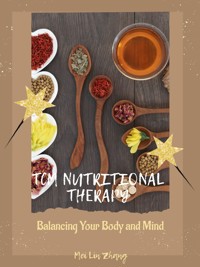
Embark on a journey to holistic healing and wellness with "TCM Nutritional Therapy: Balancing Your Body and Mind." This comprehensive guide combines the ancient wisdom of Traditional Chinese Medicine (TCM) with modern nutritional science to help you achieve optimal health and vitality.
Discover the secrets of TCM nutrition, as we delve into the principles of Yin and Yang, the Five Elements, and the importance of balance for overall health. Learn how to identify your body's unique constitution and customize your diet to support your body's needs, while restoring harmony and balance.
"TCM Nutritional Therapy" offers a wealth of information, including:
• The history and principles of Traditional Chinese Medicine
• Understanding Yin and Yang in food and cooking
• The Five Elements and their relationship to nutrition
• Assessing your body constitution and individual nutritional needs
• Foods to embrace and avoid for optimal health
• Incorporating TCM nutrition into your daily meals and lifestyle
• Delicious, healing recipes inspired by TCM principles
Whether you're new to TCM or looking to deepen your understanding of this ancient healing system, "TCM Nutritional Therapy: Balancing Your Body and Mind" is an invaluable resource for transforming your health and well-being. Harness the power of TCM nutrition and embark on a journey to a more balanced, healthier, and happier life.
Das E-Book können Sie in Legimi-Apps oder einer beliebigen App lesen, die das folgende Format unterstützen:
Veröffentlichungsjahr: 2023
Ähnliche











Created by Xspurts.com
All rights reserved.
Copyright © 2005 onwards .
By reading this book, you agree to the below Terms and Conditions.
Xspurts.com retains all rights to these products.
No part of this book may be reproduced in any form, by photostat, microfilm, xerography, or any other means, or incorporated into any information retrieval system, electronic or mechanical, without the written permission of Xspurts.com; exceptions are made for brief excerpts used in published reviews.
This publication is designed to provide accurate and authoritative information with regard to the subject matter covered. It is sold with the understanding that the publisher is not engaged in rendering legal, accounting, health, relationship or other professional / personal advice. If legal advice or other expert assistance is required, the services of a competent professional should be sought.
A New Zealand Made Product
Get A Free Book At: xspurts.com/posts/free-book-offer
––––––––
Table of Contents
Traditional Chinese Medicine (TCM) Nutrition: An Introduction
The principles of TCM nutrition
How TCM nutrition differs from Western nutrition
The Five Elements and Their Corresponding Tastes
Wood: Sour
Fire: Bitter
Earth: Sweet
Metal: Pungent
Water: Salty
Yin and Yang in TCM Nutrition
The concept of Yin and Yang
Balancing Yin and Yang through diet
The Energetic Properties of Foods
Hot, warm, neutral, cool, and cold foods
The impact of food properties on the body
The Importance of the Spleen and Stomach in TCM Nutrition
The role of the Spleen and Stomach in digestion
Supporting Spleen and Stomach function through diet
Dietary Guidelines for a Balanced TCM Diet
Portion sizes and meal frequency
Combining foods for balance
TCM Nutrition for Specific Body Constitutions
Identifying your body constitution
Tailoring your diet to your constitution
TCM Nutrition for Seasonal Health
Eating according to the seasons
Seasonal foods and their benefits
Food Therapy for Common Health Conditions
TCM nutrition for digestive issues
TCM nutrition for immune support
Herbal Remedies in TCM Nutrition
Common TCM herbs and their benefits
Incorporating herbs into your diet
TCM Nutritional Approaches to Weight Management
The TCM perspective on weight loss
TCM dietary strategies for weight management
TCM Nutrition for Emotional Well-Being
The connection between diet and emotions
Foods that support emotional balance
TCM Nutrition for Energy and Vitality
Foods that boost Qi
Dietary tips for sustained energy
TCM Nutrition for Women's Health
TCM dietary recommendations for menstrual health
TCM nutrition for fertility and pregnancy
TCM Nutrition for Men's Health
TCM dietary recommendations for male vitality
TCM nutrition for prostate health
TCM Nutrition for Healthy Aging
TCM dietary recommendations for longevity
Foods that nourish the Kidneys and support aging gracefully
TCM Nutrition for Children and Adolescents
TCM dietary recommendations for growth and development
Foods that support focus and cognitive function
Cooking Techniques in TCM Nutrition
The impact of cooking methods on food properties
Choosing the right cooking techniques for balance
Planning Balanced TCM Meals
Creating a balanced meal plan
TCM meal planning tips and ideas
TCM Nutrition Recipes
Breakfast recipes
Lunch recipes
Dinner recipes
Snack and dessert recipes
Integrating TCM Nutrition into Daily Life
Tips for implementing TCM nutrition principles
Cultivating mindfulness around food and eating
TCM Nutrition for Detoxification and Cleansing
The role of detoxification in TCM
Foods and herbs that support detoxification
TCM Nutrition for Healthy Skin
The connection between diet and skin health
Foods that nourish and protect the skin
TCM Nutrition for Strong Bones and Joints
The role of diet in maintaining bone and joint health
Foods that support bone and joint strength
TCM Nutrition for Heart Health
The importance of heart health in TCM
Foods that support cardiovascular health
TCM Nutrition for Better Sleep
The connection between diet and sleep quality
Foods that promote restful sleep
TCM Nutrition for Stress Management
The impact of stress on health in TCM
Foods that help alleviate stress
TCM Nutrition for Immune System Support
The importance of a strong immune system in TCM
Foods that boost immunity
TCM Nutrition for Brain Health and Cognitive Function
The connection between diet and brain health
Foods that support cognitive function
Food Allergies and Sensitivities in TCM Nutrition
The TCM perspective on food allergies and sensitivities
Adapting TCM nutrition principles for those with food restrictions
TCM Nutrition and Food Safety
The importance of food safety in TCM
Safe food handling and storage practices
Mindful Eating and TCM Nutrition
The role of mindfulness in TCM nutrition
Practicing mindful eating for better digestion and overall health
TCM Nutrition and Exercise
The connection between diet and physical activity in TCM
Foods that support exercise and recovery
The Role of TCM Nutrition in Integrative Healthcare
The benefits of combining TCM nutrition with Western medicine
Working with healthcare professionals to optimize your TCM nutrition plan
TCM Nutrition for a Sustainable and Ethical Lifestyle
The importance of sustainability and ethics in TCM nutrition
Choosing eco-friendly and ethically sourced foods
The Future of TCM Nutrition
The evolution of TCM nutrition in modern society
Emerging research and trends in TCM nutrition
Have Questions / Comments?
Get Another Book Free
Traditional Chinese Medicine (TCM) Nutrition: An Introduction
Traditional Chinese Medicine (TCM) is a system of medicine that has been practiced in China for thousands of years. It is based on the concept of Qi, which is the vital energy that flows through the body. According to TCM, Qi must flow smoothly and harmoniously for a person to be healthy. When Qi is blocked or unbalanced, it can lead to illness.
Nutrition is an important aspect of TCM. In TCM, food is not just a source of nutrients, but also a source of Qi. Different foods have different properties and can affect the body in different ways. By choosing the right foods, a person can balance their Qi and maintain good health.
TCM classifies foods into categories based on their properties. These categories include yin, yang, cold, hot, dry, damp, and neutral. Yin foods are cooling and moistening, while yang foods are warming and drying. Cold foods cool the body, while hot foods warm it up. Dry foods are dehydrating, while damp foods are moisturizing. Neutral foods have a balanced effect on the body.
According to TCM, a person's diet should be balanced and include foods from all categories. The proportion of each category of food should vary depending on a person's constitution, age, and health condition. For example, a person who tends to feel hot should eat more yin and cold foods, while a person who tends to feel cold should eat more yang and hot foods.
TCM also emphasizes the importance of eating seasonally and locally. In TCM, foods that are in season and grown locally are believed to be more nourishing and beneficial for the body. For example, in the summer, cooling foods such as watermelon and cucumber are recommended, while in the winter, warming foods such as ginger and cinnamon are recommended.
In addition to the properties of food, TCM also considers the energetic effects of cooking methods. Different cooking methods can affect the properties of food and its effect on the body. For example, stir-frying is a yang cooking method that can make yin foods more warming and drying. Boiling is a yin cooking method that can make yang foods more cooling and moistening.
TCM also considers the importance of eating mindfully and in a relaxed state. According to TCM, eating in a rushed or stressed state can affect digestion and the body's ability to absorb nutrients. TCM recommends eating in a calm and relaxed state and taking time to chew food thoroughly.
TCM also recommends specific foods and herbs for different health conditions. For example, ginger is commonly used in TCM to treat digestive issues and to warm the body. Goji berries are used to nourish the blood and improve vision. Turmeric is used to reduce inflammation and support liver health.
TCM also considers the concept of food energetics, which refers to the effect that foods have on the body beyond their nutritional content. For example, bitter foods such as dandelion greens are believed to stimulate digestion and cleanse the liver. Sweet foods such as honey are believed to nourish the spleen and calm the mind. Sour foods such as vinegar are believed to stimulate the appetite and promote digestion.
The principles of TCM nutrition
Traditional Chinese Medicine (TCM) is an ancient system of medicine that has been practiced in China for over two thousand years. TCM is based on the principle of balance, which is achieved through the harmonization of Qi, the vital energy that flows through the body. TCM nutrition is a key component of this system and is based on the principles of yin and yang, the five elements, and the Eight Principles.
Yin and Yang
In TCM, everything in the universe is classified as either yin or yang. Yin is associated with cold, dampness, and darkness, while yang is associated with warmth, dryness, and light. In the human body, yin and yang refer to the opposite yet complementary qualities that exist within us. The balance between yin and yang is essential for good health. TCM nutrition aims to maintain this balance through the selection of foods that are either yin or yang in nature.
For example, yang foods are warming and include foods such as ginger, garlic, and onions. These foods are beneficial for people who tend to feel cold or have a weak digestive system. Yin foods, on the other hand, are cooling and include foods such as watermelon, cucumber, and tofu. These foods are beneficial for people who tend to feel hot or have an excess of yang in their body.
The Five Elements
The Five Elements are wood, fire, earth, metal, and water. In TCM, each of these elements is associated with specific organs, emotions, and tastes. TCM nutrition aims to balance the Five Elements through the selection of foods that correspond to each element.
For example, wood is associated with the liver and gallbladder and is associated with the taste of sour. Foods that are beneficial for the liver and gallbladder include sour fruits such as lemons and limes, as well as green leafy vegetables such as kale and spinach.
Fire is associated with the heart and small intestine and is associated with the taste of bitter. Foods that are beneficial for the heart and small intestine include bitter vegetables such as dandelion greens and arugula, as well as bitter fruits such as grapefruit and cranberries.
Earth is associated with the spleen and stomach and is associated with the taste of sweet. Foods that are beneficial for the spleen and stomach include sweet vegetables such as sweet potatoes and carrots, as well as sweet fruits such as apples and pears.
Metal is associated with the lungs and large intestine and is associated with the taste of pungent. Foods that are beneficial for the lungs and large intestine include pungent vegetables such as onions and garlic, as well as pungent herbs such as ginger and turmeric.
Water is associated with the kidneys and bladder and is associated with the taste of salty. Foods that are beneficial for the kidneys and bladder include salty vegetables such as seaweed and celery, as well as salty meats such as fish and shellfish.
The Eight Principles
The Eight Principles are a diagnostic system used in TCM to assess a person's health. The Eight Principles include yin and yang, hot and cold, interior and exterior, and excess and deficiency. TCM nutrition aims to balance the Eight Principles through the selection of foods that correspond to each principle.
For example, a person with an excess of heat in their body may benefit from foods that are cooling and moistening, such as watermelon and cucumber. A person with a deficiency of Qi may benefit from foods that are warming and tonifying, such as ginger and ginseng.
Cooking Methods
In addition to the properties of food, TCM nutrition also considers the energetic effects of cooking methods. Different cooking methods can affect the properties of food and its effect on the body. TCM recommends cooking methods that are appropriate for a person's constitution
How TCM nutrition differs from Western nutrition
Traditional Chinese Medicine (TCM) nutrition and Western nutrition are two very different approaches to food and health. While Western nutrition focuses on the nutrient content of food, TCM nutrition emphasizes the energetic properties of food and their effects on the body. Below we will explore the key differences between TCM nutrition and Western nutrition.
Energetic Properties of Food
One of the main differences between TCM nutrition and Western nutrition is the emphasis on the energetic properties of food. In TCM, food is not just a source of nutrients but also a source of Qi, the vital energy that flows through the body. Different foods have different properties, such as yin or yang, and can affect the body in different ways.
For example, in TCM, foods that are yin in nature, such as watermelon and cucumber, are believed to have a cooling effect on the body. In contrast, foods that are yang in nature, such as ginger and garlic, are believed to have a warming effect on the body. Western nutrition, on the other hand, does not consider the energetic properties of food and instead focuses on the nutrient content, such as protein, carbohydrates, and vitamins.
Individualized Approach
Another key difference between TCM nutrition and Western nutrition is the individualized approach. In TCM, the diet is tailored to the individual based on their constitution, age, and health condition. For example, a person who tends to feel cold may be advised to eat more warming foods, while a person who tends to feel hot may be advised to eat more cooling foods.
In contrast, Western nutrition tends to take a more general approach, with recommendations based on population-wide guidelines. While these guidelines can be helpful for the general population, they may not be appropriate for everyone. TCM nutrition recognizes that each person is unique and requires an individualized approach to achieve optimal health.
Seasonal Eating
TCM nutrition also emphasizes the importance of seasonal eating. In TCM, foods that are in season and grown locally are believed to be more nourishing and beneficial for the body. For example, in the summer, cooling foods such as watermelon and cucumber are recommended, while in the winter, warming foods such as ginger and cinnamon are recommended.
Western nutrition, on the other hand, tends to focus on the availability of food year-round and often overlooks the importance of seasonal eating. This can result in a diet that is not in harmony with the changing seasons and may not provide the optimal nutrients for each season.
Food as Medicine
In TCM, food is considered a form of medicine. Specific foods and herbs are recommended for different health conditions, and the diet is tailored to the individual's health needs. For example, ginger is commonly used in TCM to treat digestive issues and to warm the body. Goji berries are used to nourish the blood and improve vision. Turmeric is used to reduce inflammation and support liver health.
In Western nutrition, while there is recognition of the role of nutrition in disease prevention and management, there is less emphasis on using food as medicine. Instead, medications and supplements are often used to treat specific health conditions.
Cooking Methods
TCM nutrition also considers the energetic effects of cooking methods. Different cooking methods can affect the properties of food and its effect on the body. TCM recommends cooking methods that are appropriate for a person's constitution. For example, stir-frying is a yang cooking method that can make yin foods more warming and drying. Boiling is a yin cooking method that can make yang foods more cooling and moistening.
In Western nutrition, cooking methods are often based on taste preference and convenience rather than their energetic effects on the body.
The Five Elements and Their Corresponding Tastes
Traditional Chinese Medicine (TCM) has a unique approach to nutrition that is based on the principles of Yin and Yang, the Five Elements, and the Eight Principles. In TCM, the Five Elements - wood, fire, earth, metal, and water - are believed to represent the fundamental building blocks of the universe, and each element corresponds to specific organs, emotions, and tastes. Below we will explore the Five Elements and their corresponding tastes in TCM nutrition.
Wood Element - Sour Taste
The wood element is associated with the liver and gallbladder and is associated with the sour taste. Sour foods are believed to promote the flow of Qi, the vital energy that flows through the body. Sour foods are also believed to help the liver and gallbladder function properly.
Examples of sour foods include lemons, limes, grapefruit, sour apples, and pickles. Sour flavors can also be found in foods such as sauerkraut, vinegar, and fermented foods.
Fire Element - Bitter Taste
The fire element is associated with the heart and small intestine and is associated with the bitter taste. Bitter foods are believed to stimulate digestion and help the body detoxify. Bitter foods are also believed to calm the mind and promote heart health.
Examples of bitter foods include dark leafy greens such as kale, collard greens, and dandelion greens. Other examples include bitter melon, grapefruit, and bitter herbs such as chamomile, dandelion, and goldenseal.
Earth Element - Sweet Taste
The earth element is associated with the spleen and stomach and is associated with the sweet taste. Sweet foods are believed to nourish the body and provide energy. Sweet foods are also believed to support the digestive system and help the body absorb nutrients.
Examples of sweet foods include sweet potatoes, carrots, winter squash, yams, and beets. Fruits such as apples, pears, dates, and raisins are also considered sweet.
Metal Element - Pungent Taste
The metal element is associated with the lungs and large intestine and is associated with the pungent taste. Pungent foods are believed to promote circulation and help the body eliminate toxins. Pungent foods are also believed to stimulate the appetite and promote digestion.
Examples of pungent foods include onions, garlic, ginger, horseradish, and peppers. Pungent herbs such as cumin, fennel, and coriander are also considered pungent.
Water Element - Salty Taste
The water element is associated with the kidneys and bladder and is associated with the salty taste. Salty foods are believed to promote hydration and help the body retain water. Salty foods are also believed to support the kidneys and help regulate blood pressure.
Examples of salty foods include seaweed, miso, soy sauce, and pickled vegetables. Processed and packaged foods, such as chips and crackers, are also considered salty.
In TCM nutrition, it is important to consume foods from all Five Elements in order to maintain balance and promote good health. By incorporating a variety of flavors into our diet, we can support our organs and promote the smooth flow of Qi. It is important to note that while TCM nutrition emphasizes the energetic properties of food, it is still important to consume a balanced and nutritious diet that meets our individual needs.
Wood: Sour
The Wood element is one of the Five Elements in Traditional Chinese Medicine (TCM) that corresponds to the liver and gallbladder. In TCM, the Wood element is also associated with the sour taste, which is believed to promote the flow of Qi, the vital energy that flows through the body. Below we will explore the role of the Wood element and the sour taste in TCM nutrition.
The Wood Element
In TCM, the Wood element is associated with growth, flexibility, and change. The liver and gallbladder are considered the organs of the Wood element, and they play a vital role in regulating the flow of Qi and blood in the body. The liver is responsible for detoxifying the blood, storing and releasing blood sugar, and regulating the flow of Qi, while the gallbladder stores and secretes bile, which aids in digestion.
When the Wood element is in balance, a person feels a sense of vitality and growth. However, when the Wood element is out of balance, a person may experience feelings of frustration, anger, or depression. TCM nutrition can play an important role in maintaining the balance of the Wood element.
The Sour Taste
In TCM, the sour taste is associated with the Wood element and is believed to have a contracting and consolidating effect on the body. The sour taste is believed to promote the flow of Qi and blood and to help the liver and gallbladder function properly.
Sour foods are also believed to help balance the body's pH level and to support the immune system. The sour taste is also believed to have an astringent effect, which can help to tighten and tone tissues in the body.
Examples of Sour Foods
In TCM nutrition, sour foods are believed to have a cooling effect on the body and are recommended for people with an excess of heat or a deficiency of Yin. Examples of sour foods include:
Citrus fruits such as lemons, limes, and oranges
Berries such as raspberries, strawberries, and cranberries
Fermented foods such as sauerkraut, kimchi, and pickles
Vinegar and other sour condiments
Tamarind, a sour fruit commonly used in Southeast Asian cooking
Incorporating Sour Foods into the Diet
Incorporating sour foods into the diet can be an effective way to support the Wood element and promote good health. One way to incorporate sour foods into the diet is to add fresh lemon or lime juice to water or tea. Another way is to add a small amount of vinegar or lemon juice to salad dressings or marinades.
Fermented foods such as sauerkraut and kimchi can also be a good source of sour flavor. These foods are made by fermenting vegetables with salt and can be eaten as a side dish or added to sandwiches or wraps.
It is important to note that while sour foods are beneficial in moderation, consuming too many sour foods can be harmful to the body. In excess, sour foods can cause digestive upset, promote the growth of harmful bacteria, and damage tooth enamel. It is important to consume sour foods as part of a balanced diet and to consult with a qualified TCM practitioner before making any significant changes to the diet.
Fire: Bitter
In Traditional Chinese Medicine (TCM), the Fire element is associated with the heart and small intestine, and the bitter taste is associated with this element. In TCM, the Fire element represents passion, joy, and creativity, and the bitter taste is believed to promote digestion and detoxification. Below we will explore the role of the Fire element and the bitter taste in TCM nutrition.
The Fire Element
The Fire element is associated with the heart and small intestine in TCM. The heart is considered the ruler of the body and is responsible for circulating blood and regulating emotions. The small intestine is responsible for absorbing nutrients and separating the pure from the impure.
When the Fire element is in balance, a person feels a sense of joy and creativity. However, when the Fire element is out of balance, a person may experience feelings of anxiety, restlessness, or depression. TCM nutrition can play an important role in maintaining the balance of the Fire element.
The Bitter Taste
In TCM, the bitter taste is associated with the Fire element and is believed to promote digestion and detoxification. Bitter foods are believed to stimulate the production of digestive enzymes and bile, which aids in the digestion of fats. Bitter foods are also believed to have a purifying effect on the body, helping to remove toxins and promote healthy skin.
In addition, the bitter taste is believed to have a cooling effect on the body, which can help to reduce inflammation and calm the mind. The bitter taste is also believed to promote heart health, improving circulation and reducing the risk of heart disease.
Examples of Bitter Foods
In TCM nutrition, bitter foods are believed to have a drying effect on the body and are recommended for people with an excess of dampness or a deficiency of Yang. Examples of bitter foods include:
Dark leafy greens such as kale, collard greens, and spinach
Bitter melon, a fruit commonly used in Asian cooking
Citrus peels such as orange, lemon, and grapefruit zest
Cacao, the raw ingredient used to make chocolate
Bitter herbs such as dandelion, gentian, and milk thistle
Incorporating Bitter Foods into the Diet
Incorporating bitter foods into the diet can be an effective way to support the Fire element and promote good health. One way to incorporate bitter foods into the diet is to add dark leafy greens to salads or smoothies. Another way is to drink bitter herbal teas such as dandelion or chamomile tea.
Bitter foods can also be used as a seasoning in cooking. Adding citrus zest to marinades or using bitter herbs such as thyme or rosemary in recipes can add a delicious bitter flavor to dishes.
It is important to note that while bitter foods are beneficial in moderation, consuming too many bitter foods can be harmful to the body. In excess, bitter foods can cause digestive upset and may interfere with the absorption of nutrients. It is important to consume bitter foods as part of a balanced diet and to consult with a qualified TCM practitioner before making any significant changes to the diet.
Earth: Sweet
In Traditional Chinese Medicine (TCM), the Earth element is associated with the spleen and stomach, and the sweet taste is associated with this element. In TCM, the Earth element represents stability, grounding, and nourishment, and the sweet taste is believed to provide energy and support digestion. Below we will explore the role of the Earth element and the sweet taste in TCM nutrition.
The Earth Element
The Earth element is associated with the spleen and stomach in TCM. The spleen is responsible for transforming food into energy and regulating the blood. The stomach is responsible for breaking down food and extracting nutrients.
When the Earth element is in balance, a person feels a sense of stability and nourishment. However, when the Earth element is out of balance, a person may experience feelings of worry, anxiety, or fatigue. TCM nutrition can play an important role in maintaining the balance of the Earth element.
The Sweet Taste
In TCM, the sweet taste is associated with the Earth element and is believed to provide energy and support digestion. Sweet foods are believed to nourish the body and provide the energy needed for daily activities. Sweet foods are also believed to support the digestive system and help the body absorb nutrients.
In addition, the sweet taste is believed to have a moistening effect on the body, which can help to lubricate the tissues and promote healthy skin. The sweet taste is also believed to have a calming effect on the mind, reducing anxiety and promoting relaxation.
Examples of Sweet Foods
In TCM nutrition, sweet foods are believed to have a warming effect on the body and are recommended for people with an excess of cold or a deficiency of Qi. Examples of sweet foods include:
Sweet potatoes, carrots, and winter squash
Fruits such as apples, pears, dates, and raisins
Whole grains such as rice, oats, and barley
Legumes such as lentils, chickpeas, and kidney beans
Sweet herbs such as licorice root and cinnamon
Incorporating Sweet Foods into the Diet
Incorporating sweet foods into the diet can be an effective way to support the Earth element and promote good health. One way to incorporate sweet foods into the diet is to eat a variety of fruits and vegetables, which provide natural sweetness and are also rich in vitamins and minerals.
Another way is to choose complex carbohydrates such as whole grains, which provide sustained energy and also contain fiber to support digestion. Adding sweet herbs such as cinnamon or licorice root to teas or recipes can also provide a delicious sweet flavor.
It is important to note that while sweet foods are beneficial in moderation, consuming too many sweet foods can be harmful to the body. In excess, sweet foods can cause blood sugar imbalances and contribute to weight gain. It is important to consume sweet foods as part of a balanced diet and to consult with a qualified TCM practitioner before making any significant changes to the diet.
Metal: Pungent
In Traditional Chinese Medicine (TCM), the Metal element is associated with the lungs and large intestine, and the pungent taste is associated with this element. In TCM, the Metal element represents clarity, precision, and refinement, and the pungent taste is believed to promote the flow of Qi and aid in the elimination of toxins. Below we will explore the role of the Metal element and the pungent taste in TCM nutrition.
The Metal Element
The Metal element is associated with the lungs and large intestine in TCM. The lungs are responsible for breathing and regulating the flow of Qi, while the large intestine is responsible for eliminating waste and toxins from the body.
When the Metal element is in balance, a person feels a sense of clarity and precision. However, when the Metal element is out of balance, a person may experience feelings of grief, sadness, or detachment. TCM nutrition can play an important role in maintaining the balance of the Metal element.
The Pungent Taste
In TCM, the pungent taste is associated with the Metal element and is believed to promote the flow of Qi and aid in the elimination of toxins. Pungent foods are believed to stimulate the senses and promote circulation in the body. Pungent foods are also believed to have a warming effect on the body, which can help to reduce congestion and promote healthy respiration.
In addition, the pungent taste is believed to have a drying effect on the body, which can help to reduce excess mucus and phlegm. The pungent taste is also believed to promote mental clarity and alertness, improving focus and concentration.
Examples of Pungent Foods
In TCM nutrition, pungent foods are believed to have a warming effect on the body and are recommended for people with an excess of cold or a deficiency of Qi. Examples of pungent foods include:
Garlic, onions, and ginger
Hot peppers such as cayenne, jalapeno, and habanero
Spices such as cumin, coriander, and turmeric
Radishes, mustard greens, and horseradish
Seeds such as fennel, caraway, and anise
Incorporating Pungent Foods into the Diet
Incorporating pungent foods into the diet can be an effective way to support the Metal element and promote good health. One way to incorporate pungent foods into the diet is to add garlic, onions, or ginger to recipes for flavor and health benefits. Another way is to add hot peppers or spices to dishes for a delicious and warming flavor.
Pungent foods can also be used in herbal remedies or teas to promote respiratory health and mental clarity. For example, ginger tea can be made by steeping fresh ginger in hot water for several minutes.
It is important to note that while pungent foods are beneficial in moderation, consuming too many pungent foods can be harmful to the body. In excess, pungent foods can cause digestive upset and may aggravate certain conditions such as acid reflux or ulcers. It is important to consume pungent foods as part of a balanced diet and to consult with a qualified TCM practitioner before making any significant changes to the diet.
Water: Salty
In Traditional Chinese Medicine (TCM), the Water element is associated with the kidneys and bladder, and the salty taste is associated with this element. In TCM, the Water element represents fluidity, adaptability, and resilience, and the salty taste is believed to promote the balance of fluids and electrolytes in the body. Below we will explore the role of the Water element and the salty taste in TCM nutrition.
The Water Element
The Water element is associated with the kidneys and bladder in TCM. The kidneys are responsible for filtering waste and regulating the balance of fluids and electrolytes in the body. The bladder is responsible for storing and eliminating urine.
When the Water element is in balance, a person feels a sense of fluidity and adaptability. However, when the Water element is out of balance, a person may experience feelings of fear, insecurity, or lack of trust. TCM nutrition can play an important role in maintaining the balance of the Water element.
The Salty Taste
In TCM, the salty taste is associated with the Water element and is believed to promote the balance of fluids and electrolytes in the body. Salty foods are believed to promote hydration and help the body maintain the proper balance of sodium and potassium.
In addition, the salty taste is believed to have a grounding effect on the body, which can help to reduce anxiety and promote relaxation. The salty taste is also believed to support the health of the kidneys and promote healthy digestion.
Examples of Salty Foods
In TCM nutrition, salty foods are believed to have a cooling effect on the body and are recommended for people with an excess of heat or a deficiency of Yin. Examples of salty foods include:
Sea vegetables such as seaweed, kelp, and nori
Fish and shellfish such as salmon, shrimp, and oysters
Salted nuts or seeds such as almonds or sunflower seeds
Fermented foods such as miso, soy sauce, or pickles
Salt, in moderation
Incorporating Salty Foods into the Diet
Incorporating salty foods into the diet can be an effective way to support the Water element and promote good health. One way to incorporate salty foods into the diet is to add sea vegetables to soups or salads for a delicious and nutritious flavor.
Another way is to include fish or shellfish in meals for a source of healthy fats and protein. Salted nuts or seeds can also be used as a snack or added to recipes for flavor and health benefits.
It is important to note that while salty foods are beneficial in moderation, consuming too many salty foods can be harmful to the body. In excess, salty foods can contribute to high blood pressure and may aggravate certain conditions such as kidney disease or heart disease. It is important to consume salty foods as part of a balanced diet and to consult with a qualified TCM practitioner before making any significant changes to the diet.




