


4,99 €
Mehr erfahren.
- Herausgeber: Samuel Shepherd
- Kategorie: Geisteswissenschaft
- Sprache: Englisch
📖
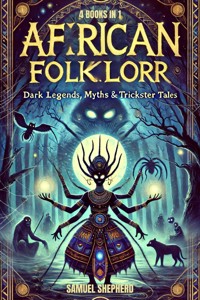
AFRICAN FOLKLORE: DARK LEGENDS, MYTHS & TRICKSTER TALES
🌍✨
A Journey Into Africa’s Most Mysterious, Magical & Haunting Stories!
🔥🕯️👣
Step into a world where spirits walk among us, tricksters rule with their cunning, ancestors whisper through the wind, and dark magic leaves kingdoms in ruin.
African Folklore: Dark Legends, Myths & Trickster Tales is an unforgettable collection that unearths the rich, mysterious, and thrilling oral traditions of Africa—stories that have been passed down through generations, surviving the test of time! 🏺📜
📚
4 Books in One Legendary Collection!
🔮
Book 1 - Spirits of the Savannah: Myths and Legends of Africa’s Sacred Lands
Journey into a world where gods shape the land, spirits guard sacred rivers, and supernatural beings test the fate of humankind. From powerful deities to ghostly ancestors, these legends reveal the mystical forces that influence life and death. Will you honor the spirits or risk their wrath? 🌙👁️🌿
🕷️
Book 2 - The Trickster’s Tale: Clever Heroes and Cunning Animals in African Folklore
Not all victories belong to the strongest! Sometimes, wit and deception are the greatest weapons of all. Meet Anansi the Spider, the clever Hare, and the devious Jackal—legendary tricksters who use their intelligence to outsmart their enemies, fool the powerful, and change destiny itself. Who will win, and who will fall for their tricks? 🃏🐒🌀
🗣️
Book 3 - Echoes of the Ancestors: Oral Traditions and Storytelling in African Culture
Before history was written, it was spoken. Discover the role of griots, village elders, and storytellers who kept history alive through words, music, and ritual. Learn how these sacred stories continue to shape African identity, guiding communities through wisdom, humor, and warnings from those who came before. 🎶🔥🗿
👑
Book 4 - Cursed Kings and Forbidden Magic: Dark Tales from African Folklore
Power comes at a price, and those who challenge fate often pay in blood. Witness the downfall of rulers who sought forbidden knowledge, the vengeance of spirits who were betrayed, and the terror of magic unleashed beyond control. These chilling legends reveal the darkest corners of African folklore, where curses last generations, and the dead do not rest. ☠️🏰🕯️
⚡
Why You’ll Love This Collection:
✅
Authentic & Timeless: These are the stories that have been passed down for centuries, capturing Africa’s diverse and profound storytelling traditions.
✅
Mystical & Haunting: Experience supernatural encounters, divine punishments, and powerful tricksters who defy expectations.
✅
Wisdom & Warning: Each tale is more than a story—it’s a lesson, a mystery, a legacy waiting to be uncovered.
✅
For Fans of Mythology & Dark Fantasy: If you love ancient myths, eerie legends, and gripping folklore, this collection will captivate you from the first page!
🌍✨
Let the spirits guide you, the tricksters amuse you, and the ancestors remind you of truths long forgotten. ✨🌙
🔗
GET YOUR COPY TODAY & DISCOVER THE MAGIC & DARKNESS OF AFRICAN FOLKLORE! 📖🔥
Das E-Book können Sie in Legimi-Apps oder einer beliebigen App lesen, die das folgende Format unterstützen:
Veröffentlichungsjahr: 2025
Ähnliche







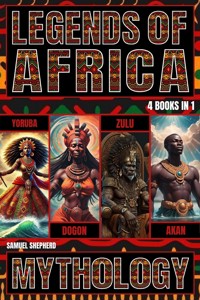



AFRICAN FOLKLORE
DARK LEGENDS, MYTHS & TRICKSTER TALES
4 BOOKS IN 1
BOOK 1
SPIRITS OF THE SAVANNAH: MYTHS AND LEGENDS OF AFRICA’S SACRED LANDS
BOOK 2
THE TRICKSTER’S TALE: CLEVER HEROES AND CUNNING ANIMALS IN AFRICAN FOLKLORE
BOOK 3
ECHOES OF THE ANCESTORS: ORAL TRADITIONS AND STORYTELLING IN AFRICAN CULTURE
BOOK 4
CURSED KINGS AND FORBIDDEN MAGIC: DARK TALES FROM AFRICAN FOLKLORE
SAMUEL SHEPHERD
Copyright © 2025 by Samuel Shepherd
All rights reserved. No part of this book may be reproduced or transmitted in any form or by any means, electronic or mechanical, including photocopying, recording, or by any information storage and retrieval system, without permission in writing from the publisher.
Published by Samuel Shepherd
Library of Congress Cataloging-in-Publication Data
ISBN 978-1-83938-917-7
Cover design by Rizzo
Disclaimer
The contents of this book are based on extensive research and the best available historical sources. However, the author and publisher make no claims, promises, or guarantees about the accuracy, completeness, or adequacy of the information contained herein. The information in this book is provided on an "as is" basis, and the author and publisher disclaim any and all liability for any errors, omissions, or inaccuracies in the information or for any actions taken in reliance on such information.
The opinions and views expressed in this book are those of the author and do not necessarily reflect the official policy or position of any organization or individual mentioned in this book. Any reference to specific people, places, or events is intended only to provide historical context and is not intended to defame or malign any group, individual, or entity.
The information in this book is intended for educational and entertainment purposes only. It is not intended to be a substitute for professional advice or judgment. Readers are encouraged to conduct their own research and to seek professional advice where appropriate.
Every effort has been made to obtain necessary permissions and acknowledgments for all images and other copyrighted material used in this book. Any errors or omissions in this regard are unintentional, and the author and publisher will correct them in future editions.
BOOK 1 - SPIRITS OF THE SAVANNAH: MYTHS AND LEGENDS OF AFRICA’S SACRED LANDS
Introduction
Chapter 1: Whispers of the Baobab: The Sacred Tree of Life
Chapter 2: The River of Souls: Water Spirits and Ancestral Guardians
Chapter 3: The Sky Kings: Sun, Moon, and Star Deities of Africa
Chapter 4: Guardians of the Wild: Animal Spirits and Their Powers
Chapter 5: The Spirit Dancers: Rituals to Commune with the Ancestors
Chapter 6: The Cursed Village: Legends of Ghosts and Restless Souls
Chapter 7: The Mountain of the Gods: Sacred Peaks and Their Mysteries
Chapter 8: Night Whispers: Djinns, Shadows, and Otherworldly Beings
Chapter 9: The Gate Between Worlds: Shamans and Spirit Walkers
Chapter 10: The Eternal Journey: Myths of the Afterlife and Rebirth
BOOK 2 - THE TRICKSTER’S TALE: CLEVER HEROES AND CUNNING ANIMALS IN AFRICAN FOLKLORE
Chapter 1: Anansi’s Web: The Legendary Spider’s Greatest Tricks
Chapter 2: The Hare and the Hyena: A Battle of Wits
Chapter 3: The Talking Skull: A Lesson in Greed and Wisdom
Chapter 4: The Tortoise’s Deception: How the Slowest Became the Smartest
Chapter 5: The Jackal’s Secret Path: Outsmarting the Hunter
Chapter 6: The Clever Girl and the Greedy Chief: A Human Trickster’s Tale
Chapter 7: Crocodile’s Cunning: The Price of Betrayal
Chapter 8: The Hyena Who Tried to Steal the Moon
Chapter 9: The Monkey’s Magic Drum: Tricks, Lies, and Consequences
Chapter 10: When the Trickster Falls: How the Cunning Are Outwitted
BOOK 3 - ECHOES OF THE ANCESTORS: ORAL TRADITIONS AND STORYTELLING IN AFRICAN CULTURE
Chapter 1: The Griot’s Song: Keepers of History and Wisdom
Chapter 2: Fireside Tales: The Role of Storytelling in African Villages
Chapter 3: Drums That Speak: How Music Tells Stories
Chapter 4: The Power of Proverbs: Wisdom Passed Through Generations
Chapter 5: Legends of Lineage: Ancestors and Their Everlasting Presence
Chapter 6: From Mother to Child: Storytelling as a Tool for Teaching
Chapter 7: The Spirit of the Mask: Symbols, Rituals, and Oral Traditions
Chapter 8: The Traveling Storyteller: Spreading Tales Across the Land
Chapter 9: Forbidden Stories: Myths That Must Not Be Told
Chapter 10: Echoes in the Wind: How Oral Traditions Survive in the Modern World
BOOK 4 - CURSED KINGS AND FORBIDDEN MAGIC: DARK TALES FROM AFRICAN FOLKLORE
Chapter 1: The Doomed Kingdom: A Ruler’s Pact with Dark Forces
Chapter 2: The Witch Queen’s Revenge: A Curse That Lasted Generations
Chapter 3: The Forest That Speaks: Spirits That Lure the Lost
Chapter 4: The Blood Moon Prophecy: When the Sky Foretells Doom
Chapter 5: The Serpent King’s Betrayal: Punishment from the Ancestors
Chapter 6: The Village Without Shadows: A Tale of Forbidden Sorcery
Chapter 7: The Whispering Doll: A Curse Passed Through Generations
Chapter 8: The Demon in the Mask: A Forbidden Ritual’s Consequence
Chapter 9: The Chained Soul: A King Who Could Not Die
Chapter 10: The Night the Dead Walked: When the Spirits Took Their Revenge
Conclusion
Introduction
Africa is a land of ancient voices, where stories travel on the wind, whispered through the leaves of sacred trees, echoed in the rhythm of the drums, and passed from generation to generation under the glow of the fire. Before history was written, it was spoken. Before myths were recorded in books, they were carried in the minds of elders, shaping the way people understood the world around them. The spirits of the land, the clever tricksters, the ancestors who watch over the living, and the rulers who defied fate—all live on in the rich tapestry of African folklore.
This collection, African Folklore: Dark Legends, Myths & Trickster Tales, explores the supernatural, the mysterious, and the untamed forces that have influenced belief systems and cultural traditions across the continent. Each book in the series delves into a different realm of storytelling, revealing the wisdom, humor, and cautionary lessons woven into Africa’s vast and complex oral traditions.
In Book 1: Spirits of the Savannah, we step into a world where the boundaries between the living and the dead are thin, where gods walk the earth, and where spirits protect—or curse—those who cross them. These myths and legends offer insight into the sacred connection between people and nature, the forces that govern the skies, rivers, and forests, and the spirits that shape fate itself.
Book 2: The Trickster’s Tale introduces the cunning, the mischievous, and the unpredictable. Tricksters have always been among the most beloved figures in African folklore—whether it is Anansi the Spider spinning his web of deception, the clever hare outwitting stronger foes, or a cunning human using wit to survive. These stories remind us that intelligence often triumphs over brute strength and that even the smallest creature can outsmart a king.
In Book 3: Echoes of the Ancestors, we explore the power of storytelling as a sacred tradition, a bridge between past and present. This book sheds light on how oral traditions preserve history, reinforce cultural values, and shape identity. The griots, the keepers of memory, and the village elders who pass down knowledge ensure that no wisdom is ever truly lost, as long as there are ears willing to listen.
Finally, Book 4: Cursed Kings and Forbidden Magic takes us into the darkest corners of folklore—tales of rulers who defied the gods, sorcerers who sought knowledge beyond their grasp, and kingdoms that fell to supernatural wrath. These legends carry warnings about the dangers of unchecked ambition, the price of betrayal, and the forces that lurk beyond human understanding.
Together, these stories reveal the depth of Africa’s mythological and cultural landscape, offering a glimpse into beliefs that have shaped societies for thousands of years. They are more than just folklore—they are lessons, memories, and testaments to the power of words.
Whether you are drawn to the mysticism of spirits, the humor of trickster tales, the wisdom of ancestral voices, or the chilling fate of those who challenge forces greater than themselves, these pages will transport you into a world where the past is never truly gone, where legends still walk among us, and where every story carries a truth waiting to be uncovered.
BOOK 1
SPIRITS OF THE SAVANNAH
MYTHS AND LEGENDS OF AFRICA’S SACRED LANDS
SAMUEL SHEPHERD
Chapter 1: Whispers of the Baobab: The Sacred Tree of Life
The baobab tree stands as a silent witness to the passing of centuries, its massive trunk and sprawling branches forming a silhouette that has inspired myths, legends, and deep reverence across Africa. In many cultures, the baobab is not just a tree but a living entity, a bridge between the human and the spiritual world. Its roots are believed to reach into the realm of the ancestors, while its branches stretch toward the gods, making it a sacred symbol of life, wisdom, and the unseen forces that shape existence. For generations, African communities have gathered beneath its shade, whispering prayers, seeking guidance, and passing down stories that reinforce its divine status.
Among the Mandinka people of West Africa, the baobab is thought to be the first tree created by the gods, placed upon the earth to offer sustenance and knowledge to humanity. Some legends claim that in its earliest days, the tree grew so tall and proud that it threatened the sky, angering the gods who then uprooted it and planted it upside down. This myth explains the tree’s unusual appearance, with thick, gnarled branches resembling roots stretching toward the heavens. In the eyes of many, this inversion is not a punishment but a reminder of humility, teaching that no matter how mighty something appears, it must remain grounded in respect and wisdom.
The baobab’s role extends far beyond mythology, as it serves as a source of life in the arid regions where it thrives. Its hollow trunks have been used as shelters, granaries, and even burial chambers, believed to be sacred places where the spirits of ancestors linger. Some say that whispers can be heard within the hollow of ancient baobabs, voices of the departed murmuring their stories to those who listen. Shamans and elders often choose these sacred trees as sites for rituals, calling upon the spirits for protection, healing, and insight into the mysteries of the universe.
Throughout Africa, different tribes have their own interpretations of the baobab’s powers. Among the San people of the Kalahari, it is believed that the tree possesses the ability to trap spirits within its trunk, holding them until they are ready to be reborn. Travelers and warriors have been known to leave offerings at the base of the tree, hoping to receive blessings for safe passage or victory in battle. Some believe that disturbing a baobab brings misfortune, and those who dare to cut it down invite a lifetime of suffering. Many communities consider the trees to be guardians of wisdom, with elders gathering beneath their wide canopies to impart knowledge to younger generations, ensuring that history and traditions endure.
The baobab’s resilience in harsh environments has further strengthened its spiritual significance. Able to survive extreme droughts, it stores water within its trunk, providing sustenance when rivers run dry and crops wither under the scorching sun. Its fruit, often called the “Tree of Life’s gift,” is rich in nutrients, consumed not only for nourishment but also for medicinal purposes. Healers and traditional doctors use the pulp, bark, and leaves to treat various ailments, from fevers and digestive issues to skin infections and wounds. Many believe that the tree’s ability to heal the body mirrors its spiritual role in healing the soul, acting as a conduit between the living and the divine.
In some regions, the baobab is closely associated with birth and renewal. Expectant mothers drink teas brewed from its leaves, believing that doing so will grant their children strength and wisdom. Certain tribes conduct initiation ceremonies beneath its branches, marking the transition from childhood to adulthood in the presence of the ancient tree’s protective spirit. Storytellers weave tales of lovers who found solace beneath its shade, warriors who received visions in its presence, and elders who returned to the tree in their final moments, seeking one last whisper from the ancestors before passing into the next world.
The supernatural aura surrounding the baobab extends even into the night, when the wind rustles through its leaves, creating sounds that many interpret as voices of the unseen. Hunters and night travelers report seeing flickering lights near the trunks of ancient baobabs, believed to be spirits communing beneath the shelter of the sacred tree. Some elders tell of guardian spirits that reside within particularly old baobabs, emerging only under the full moon to guide lost souls or warn of impending danger. These stories reinforce the belief that the baobab is not merely a tree but a living entity with a consciousness, watching over those who respect its sacred presence.
As the modern world encroaches upon traditional ways of life, the baobab continues to stand firm, embodying the endurance of African spiritual beliefs. Villages still gather beneath its branches for storytelling, elders still seek its wisdom, and travelers still pause in its shadow to pay their respects. While cities rise and forests shrink, the baobab remains a steadfast link to the past, a guardian of history, and a vessel for the whispers of ancestors who refuse to be forgotten.
Chapter 2: The River of Souls: Water Spirits and Ancestral Guardians
Water has long been regarded as a sacred element in African spiritual traditions, a conduit between the physical and the unseen worlds. Rivers, in particular, hold deep significance, often believed to be the dwelling places of powerful spirits and ancestral beings. Flowing ceaselessly through the land, they are seen as channels of wisdom, carrying the voices of the past and offering glimpses into the unknown. Many tribes across the continent tell stories of the river as a living entity, one that sees all, hears all, and remembers everything that has ever passed within its waters. To approach a river is to step into the presence of the spirits, and to disrespect its sanctity is to risk their wrath.
Among the Yoruba people of West Africa, Oshun, the goddess of the river, is revered as a force of beauty, fertility, and divine feminine power. Her waters are said to cleanse the soul, heal the body, and grant prosperity to those who honor her. Pilgrims journey to her sacred rivers, offering honey, flowers, and coins in exchange for her blessings. The rippling currents are believed to carry her voice, speaking in whispers to those who listen with open hearts. Fishermen and travelers seeking safe passage pray to Oshun before embarking on their journeys, knowing that the river, like the goddess herself, can be both nurturing and unforgiving.
In other traditions, rivers are closely tied to ancestral spirits, serving as the boundary between the world of the living and the realm of the dead. The Zulu believe that their ancestors reside beneath the water, watching over their descendants and guiding them through dreams and omens. When seeking counsel from the spirits, elders perform rituals at the riverbanks, calling upon the ancestors to reveal their wisdom. Some say that on quiet nights, the spirits rise from the depths, their reflections appearing upon the surface of the water as they listen to the voices of their descendants. Those who disturb the river without proper reverence risk drawing the anger of these spirits, leading to misfortune, illness, or unexplained disappearances.
Throughout Central and East Africa, the idea of water spirits taking physical form is widespread. The Luo people of Kenya and Tanzania speak of the Namorutunga, spectral beings that emerge from the rivers under the cover of darkness. They are believed to be the souls of those who met untimely deaths, wandering between worlds, seeking redemption or vengeance. Some appear as shadows along the banks, others take the form of shimmering figures standing knee-deep in the currents. Travelers who come across them are advised to avert their gaze, for looking directly at them is said to invite madness or an untimely fate. In many communities, those who drown in the river are believed to have been claimed by these spirits, their souls joining the countless others who now dwell beneath the surface.




