


Erhalten Sie Zugang zu diesem und mehr als 300000 Büchern ab EUR 5,99 monatlich.
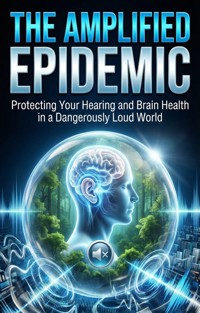
We live in the loudest era in human history. From the persistent hum of traffic and open-plan offices to the constant blast of podcasts and music directly into our ear canals, our auditory systems are under relentless siege. While we meticulously track our steps, monitor our diets, and prioritize our sleep, we largely ignore the health of our ears until the damage is irreversible. But the consequences of this neglect go far beyond turning up the volume on the television. Emerging science reveals a terrifying link between untreated hearing loss, social isolation, and a dramatically increased risk of cognitive decline and dementia. This urgent health guide explores the hidden crisis of noise-induced hearing loss and what you can do to stop it. The author breaks down the delicate mechanics of the inner ear, explaining exactly how constant exposure to modern decibel levels destroys irreplaceable sensory cells. More importantly, the book offers a practical blueprint for auditory preservation. You will learn how to safely use earbuds, navigate noisy public spaces without damage, and incorporate "auditory fasting" into your daily routine to give your nervous system a much-needed break. Stop taking your hearing for granted. Understand the profound connection between your ears and your brain, and discover the actionable steps you can take today to protect your auditory health for a lifetime of vibrant, connected living.
Sie lesen das E-Book in den Legimi-Apps auf:
Seitenzahl: 228
Veröffentlichungsjahr: 2026
Das E-Book (TTS) können Sie hören im Abo „Legimi Premium” in Legimi-Apps auf:
Ähnliche


















Table of Contents
Chapter 1: The Soundscape of Modern Life
The Rise of Noise Pollution
Sources of Everyday Noise
The Impact of Noise on Health
Understanding the Auditory System
The Connection Between Hearing and Brain Health
Towards a Healthier Sound Environment
Chapter 2: Understanding Hearing Loss
Types of Hearing Loss
Common Causes of Hearing Loss
Early Signs of Hearing Issues
Impact of Untreated Hearing Loss
Testing and Diagnosis
Chapter 3: The Anatomy of Sound
The Structure of the Ear
The Process of Hearing
The Role of Hair Cells
The Brain and Auditory Processing
Impact of Sound on Well-being
Chapter 4: The Impact of Noise Pollution
Understanding Noise Pollution
Health Effects of Noise Pollution
Impact on Cognitive Function
Noise Pollution in Daily Life
Strategies for Protecting Hearing Health
Chapter 5: Tinnitus – The Ringing that Won't Stop
Understanding Tinnitus
The Link Between Noise Exposure and Tinnitus
Recognizing the Symptoms of Tinnitus
Management Strategies for Tinnitus
Seeking Professional Help
Chapter 6: The Link Between Hearing and Cognitive Health
Understanding Cognitive Health
The Impact of Hearing Loss on the Brain
The Role of Auditory Stimulation
Strategies to Protect Your Hearing and Memory
Chapter 7: Sensory Health in a Noisy World
Understanding Sensory Health
The Interconnectedness of Hearing and Other Senses
The Effects of Noise Pollution on Sensory Health
Protecting Your Hearing to Maintain Sensory Balance
The Holistic Approach to Sensory Health
Sensory Health and Cognitive Function
Chapter 8: Everyday Habits for Ear Health
Understanding Loud Noises
Healthy Listening Habits
Protective Gear for Noisy Environments
Creating a Quiet Environment
The Importance of Auditory Fasting
Regular Hearing Check-Ups
Chapter 9: Safe Earbud and Headphone Use
Understanding Volume Levels
Choosing the Right Earbuds and Headphones
Safe Listening Habits
Incorporating Auditory Fasting
Educating Others
Chapter 10: Auditory Fasting – Giving Your Ears a Break
Understanding Auditory Fasting
The Science Behind Auditory Fasting
Practical Tips for Auditory Fasting
Combining Auditory Fasting with Healthy Habits
Chapter 11: Recognizing the Signs of Hearing Loss
Understanding Hearing Loss
Psychological and Social Implications
Self-Assessment of Hearing
When to Seek Professional Help
Chapter 12: Seeking Help – When and How to Get Treatment
Understanding Hearing Loss
Finding a Qualified Audiologist
The Audiological Assessment
Hearing Aid Options
Ongoing Care and Maintenance
Chapter 13: Community Support and Resources
Understanding Community Support
Local Organizations and Advocacy Groups
Digital Communities and Online Resources
Seeking Professional Help and Guidance
Engaging with Family and Friends
Chapter 14: Technology and Hearing Aids
Understanding Hearing Aids
Assistive Listening Devices
The Impact of Technology on Hearing Health
Finding the Right Hearing Solution
Maintenance and Care of Hearing Aids
Chapter 15: Advocating for Better Policies
Understanding Noise Pollution
The Role of Community Advocacy
Influencing Policy Changes
Strategies for a Quieter Future
Supporting Ongoing Research
Chapter 16: Taking Control of Your Auditory Health
Understanding the Importance of Auditory Health
Recognizing the Sounds That Harm
Protective Measures You Can Implement
Incorporating 'Auditory Fasting'
The Role of Healthy Lifestyle Choices
Adopting a Lifelong Commitment to Preservation
Finding Harmony: Your Path to Healthier Hearing
Chapter 1: The Soundscape of Modern Life
In our fast-paced world, noise pollution has become a constant companion. From the hum of city traffic to the background chatter of busy offices, we are enveloped by sounds that can impact our hearing and overall health. This chapter explores the various sources of noise around us, how they affect our environments, and why they matter for our auditory health.
The Rise of Noise Pollution
Noise pollution has reached unprecedented levels in the modern world. With urbanization and technological advancements, the soundscape around us is overloaded with various harmful noises. Understanding the magnitude of this issue is the first step towards protecting our hearing.
Urban environments are the loudest places on Earth.
The rise of urbanization has led to cities becoming some of the loudest places on the planet. With millions of people living in close proximity, the sound generated from daily activities can reach alarming levels. Research indicates that urban areas often experience sound levels exceeding 85 decibels, a threshold recognized by health experts as potentially harmful. This constant barrage of noise affects not only our hearing but also our mental well-being.
In cities, sounds from vehicles, construction equipment, and crowds create a persistent backdrop that can lead to auditory fatigue. The cumulative effect of this exposure is not just an annoyance; it can have serious long-term implications for hearing health. As urban density increases, it’s crucial to understand how this environment impacts our sensory systems and to seek strategies to mitigate its effects.
Traffic noise contributes significantly to our daily exposure.
Among the various sources of noise pollution, traffic stands out as a major contributor. The continuous din of cars, trucks, and motorcycles can be overwhelming, particularly in urban centers. Studies show that individuals living near busy roads are often exposed to sound levels that can elevate stress hormone production and negatively impact sleep quality.
This exposure not only affects our immediate comfort but can lead to more serious health issues, including chronic hearing loss. Prolonged exposure to traffic noise has been linked to an increase in instances of cardiovascular diseases as well. Recognizing traffic noise as a public health issue is imperative for improving not only auditory health but overall community wellness.
Construction, public transport, and industrial activities add to the cacophony.
In addition to traffic, other significant sources of noise pollution include construction sites, public transport systems, and industrial operations. These activities generate a range of disruptive sounds, from the pounding of jackhammers to the screech of trains. Construction activities are particularly relevant in urban landscapes, where they can create noise levels that vary but often exceed 100 decibels.
Public transportation, such as buses and subways, contributes to the sonic landscape as well, with the rumble and chatter becoming a part of daily life. The impact of these sounds on our auditory health can be profound; repeated and sustained exposure can result in irreversible damage to the hearing apparatus, making it essential to implement sound management strategies in our cities.
Noise pollution is not just a nuisance; it's a health hazard.
Understanding that noise pollution extends beyond mere annoyance is crucial. Various studies have identified it as a serious health hazard linked to several physiological and psychological issues. Chronic exposure to elevated noise levels has been correlated with increased anxiety, sleep disturbances, and even cognitive decline.
The World Health Organization has recognized that prolonged exposure to noise can lead to adverse health effects, including hearing loss, cardiovascular issues, and reduced quality of life. By framing noise pollution as a public health concern, individuals and communities can take proactive measures to safeguard their audiological and overall health. Awareness and education about the risks associated with noise pollution can empower us to advocate for quieter environments and develop healthier auditory habits.
Sources of Everyday Noise
Everyday sounds can be more harmful than we realize. This section identifies common sources of noise that surround us, helping readers become more aware of their auditory environment and its potential impact on hearing health.
Smart devices and personal electronics generate continuous sound.
In today's digital world, smart devices such as smartphones, tablets, and laptops contribute significantly to our everyday soundscape. These gadgets often emit persistent notifications, alarms, and music that can easily lead to prolonged exposure to high decibel levels. For instance, when we listen to music or podcasts through earbuds for extended periods, we may unintentionally increase the volume to drown out background noise.
This constant auditory stimulation can hinder our ability to engage in quiet reflection and relaxation. Many people are unaware that this continuous sound exposure can lead to auditory fatigue, a state that makes our ears more sensitive over time. To protect your hearing, consider using noise-cancelling headphones or taking regular breaks from device usage to give your ears a rest. By becoming more conscious of how and when we use our technology, we can mitigate the adverse effects of constant sound exposure.
Office spaces with open plans amplify background chatter.
Open office environments have revolutionized modern workplaces, promoting collaboration and communication. However, these layouts often come with the downside of amplified background chatter, which can be quite damaging to our hearing. The hustle and bustle of conversations, phone calls, and office machinery can create a cacophony that makes it difficult to focus, leading to increased stress levels.
Prolonged exposure to this type of noise can result in auditory strain, as our ears must constantly filter competing sounds. Moreover, studies indicate that excess noise in the workplace can lead to decreased productivity and increased rates of burnout. To combat this issue, organizations can implement sound-absorption materials and create quiet zones, allowing employees to seek necessary auditory reprieve and maintain their hearing health amidst the daily grind.
Social gatherings and events often feature loud music and conversation.
Social events, such as parties, concerts, and gatherings, frequently expose us to high noise levels, as loud music and animated conversations fill the air. While these occasions are meant for enjoyment and connection, they can also pose a serious risk to our hearing health. The World Health Organization states that sounds over 85 decibels can cause hearing damage with prolonged exposure, common in social settings.
When we find ourselves in environments with loud music, it’s crucial to be mindful of our auditory limits. Engaging in conversations can lead us to raise our voices, further contributing to noise exposure. To protect our hearing, we can opt for quieter venues or take breaks in low-noise areas during events. Being aware of our sound surroundings and making conscious choices can enhance our enjoyment while safeguarding our auditory health.
Public transportation can expose us to harmful decibel levels regularly.
Using public transportation, such as buses and trains, exposes us to a range of sounds that can significantly impact our hearing over time. The mechanical noises, along with the chatter of passengers, can reach levels that exceed safe auditory limits. Regular commutes can lead to cumulative noise exposure, contributing to hearing loss and other health issues if not carefully managed.
In these environments, individuals often resort to using earbuds or headphones to enjoy music or podcasts, which can further increase the risk of hearing damage if played at high volumes. To protect yourself while commuting, consider investing in noise-cancelling headphones, which can help reduce the need to increase volume levels. Additionally, being aware of the noise levels around you and taking protective measures can greatly contribute to maintaining your overall auditory health in the long term.
The Impact of Noise on Health
Exposure to excessive noise has far-reaching effects on more than just hearing. This section discusses how prolonged exposure to noise can lead to a range of health issues, emphasizing the need for auditory awareness.
Chronic noise exposure can lead to hearing loss over time.
Chronic exposure to elevated noise levels can significantly damage the delicate structures of the inner ear. The hair cells in the cochlea, responsible for transmitting sound signals to the brain, are particularly vulnerable to loud sounds. Over time, continuous exposure to high-decibel environments can lead to permanent hearing loss, manifesting as difficulty in understanding speech and decreased overall auditory clarity.
Studies have shown that even moderate levels of noise, if sustained over time, can adversely affect auditory health. The risk increases in occupational settings or urban environments where noise pollution is prevalent. Awareness of this gradual decline is crucial; often, individuals do not notice the degradation of their hearing until it becomes more pronounced. Proactive measures, such as using ear protection in loud settings and taking regular auditory health assessments, can help mitigate these risks and preserve hearing function.
It can cause increased stress levels, affecting mental health.
Constant noise exposure doesn't just threaten our hearing; it can also lead to heightened stress levels and anxiety. The body's natural response to noise involves the release of stress hormones such as cortisol, which can disrupt mental health over time. This ongoing stress response might result in a feeling of being overwhelmed or fatigued, making it challenging to concentrate and perform daily tasks effectively.
Furthermore, the psychological impact of noise pollution can lead to mood disturbances and an increased risk of mental health disorders. Understanding the correlation between chronic noise exposure and stress is essential for promoting mental well-being. Implementing strategies such as mindfulness practices, soundproofing personal spaces, and making time for quiet retreats can significantly reduce stress levels, contributing to overall mental health improvement.
Sleep disturbances are often linked to environmental noise.
Environmental noise is a well-documented contributor to sleep disturbances, which can severely impact overall health and well-being. Noisy conditions can interrupt sleep cycles, delaying the onset of sleep and leading to fragmented rest. Individuals living in urban settings often report difficulties falling asleep due to sounds from traffic, construction, or late-night revelries, which further exacerbate sleep deprivation.
Chronic sleep deprivation can lead to significant health issues such as impaired cognitive function, decreased productivity, and increased vulnerability to chronic health conditions. To combat this, creating a serene sleeping environment is vital. This can include using earplugs, employing white noise machines, or installing soundproofing materials to minimize disruptive sounds, ensuring a more restful night’s sleep.
There is a connection between noise pollution and cardiovascular problems.
Noise pollution has emerged as a significant factor influencing cardiovascular health. Prolonged exposure to high noise levels can contribute to increased blood pressure, heart rate, and stress responses, ultimately elevating the risk of heart disease. Research shows that individuals regularly exposed to excessive noise are more likely to experience hypertension and other cardiac conditions.
The physiological mechanisms behind this connection relate to the body's stress responses, which can strain the heart and blood vessels over time. To safeguard heart health, reducing exposure to noise in daily life is crucial. Simple practices, such as choosing quieter routes for commuting and advocating for noise reduction policies in communities, can lead to better cardiovascular outcomes and enhance overall health.
Understanding the Auditory System
To protect our hearing effectively, we must understand how our auditory system works. This section explains the mechanics of hearing, highlighting how noise can damage delicate structures within the ear.
The ear consists of the outer, middle, and inner ear, each playing a vital role.
The human ear is an intricate organ divided into three main sections: the outer, middle, and inner ear. Each of these components plays a distinct and essential role in the hearing process. The outer ear, comprising the pinna and ear canal, acts as the gateway for sound waves. It collects and directs sound towards the middle ear. In the middle ear, the eardrum vibrates in response to sound and transmits these vibrations to three tiny bones known as the ossicles. These bones amplify the sound before it travels into the inner ear.
The inner ear, which houses the cochlea, is crucial for converting these vibrations into electrical signals for the brain. Understanding the function of each part emphasizes the importance of protecting all sections of the ear from potential damage, especially in an environment filled with excessive noise. Chronic exposure to loud sounds can adversely affect the delicate structures, leading to hearing loss and other auditory issues.
The cochlea is crucial for converting sound waves into nerve signals.
Centrally located in the inner ear, the cochlea is a spiral-shaped organ that transforms mechanical vibrations into electrical nerve signals. When sound waves enter the cochlea, they cause fluid within it to move, stimulating hair cells that line the cochlea. These hair cells then convert the fluid movement into electrical impulses that travel along the auditory nerve to the brain, where sound is interpreted.
The functionality of the cochlea is vital for effective hearing; damage to this structure can result in profound hearing impairments. Factors such as prolonged exposure to loud noise can severely impact this conversion process, leading to noisy environments contributing to noise-induced hearing loss. Recognizing the cochlea's role in hearing underlines the urgent need to practice protective strategies against environmental noise.
Sensory hair cells in the cochlea are particularly vulnerable to noise damage.
The cochlea contains sensory hair cells that are instrumental in hearing, but they are remarkably delicate and susceptible to damage from loud noises. When exposed to high decibel levels over time, these hair cells can become overstimulated and eventually die off, resulting in irreversible hearing loss. Unlike other cells in the body, hair cells do not regenerate, which makes their protection paramount.
This vulnerability highlights the need for awareness concerning noise levels in everyday environments. Activities like attending concerts or using headphones at high volumes can lead to significant damage. Thus, understanding the fragility of sensory hair cells is essential as it encourages individuals to adopt healthier auditory habits to safeguard their hearing for the future.
Understanding these components aids in recognizing the impact of noise on hearing.
Comprehending the anatomy and function of the auditory system is crucial for appreciating how external noise can affect hearing. Each component, from the outer ear to the cochlea, has a specific role that, when disrupted by excessive sound, can lead to a cascade of hearing-related issues. Awareness of this structure empowers us to advocate for our auditory health amid increasing noise pollution.
For example, knowing that the cochlea translates sound into nerve signals can encourage practices that minimize exposure to loud environments, promoting long-term hearing health. This understanding can also motivate individuals to prioritize protective measures, such as using noise-cancelling headphones or taking auditory breaks, reinforcing the connection between our ears and overall cognitive function.
The Connection Between Hearing and Brain Health
Emerging research shows a critical link between hearing loss and cognitive decline. This section explores how untreated hearing issues can lead to serious consequences for brain health, urging readers to consider their auditory well-being.
Hearing loss can lead to social isolation and loneliness.
As we navigate our increasingly noisy environments, the impact of hearing loss on social interactions cannot be overstated. When individuals struggle to hear conversations or background sounds, they often withdraw from social situations. This withdrawal can create a vicious cycle; the less social interaction one has, the more isolated they feel, which may lead to a decline in mental health and an increased sense of loneliness.
Social connections are essential for emotional well-being, and when one's ability to engage with others diminishes due to auditory issues, the consequences can be profound. Studies indicate that people with untreated hearing loss are more likely to experience feelings of isolation, resulting in decreased life satisfaction. Understanding this link highlights an urgent need for individuals to monitor their hearing health and seek solutions that promote both auditory and social wellness.
The brain compensates for lost auditory signals, leading to cognitive strain.
The intricate connection between hearing and brain function reveals a significant consequence of hearing loss: cognitive strain. When auditory input is diminished, the brain works harder to process sound. This compensatory mechanism often leads to increased cognitive load, which can ultimately exhaust mental resources. As the brain diverts its attention from other critical tasks to fill in the gaps left by lost hearing, cognitive efficiency may decline.
This situation becomes particularly alarming when considering the long-term effects. Chronic cognitive strain may accelerate neurodegenerative processes, which can affect memory, attention, and overall cognitive abilities. By acknowledging how vital our hearing is for cognitive health, individuals are encouraged to adopt preventative measures and seek timely help for auditory issues, supporting both their ears and minds.
Cognitive decline and dementia are increasingly linked to untreated hearing loss.
The correlation between untreated hearing loss and the risk of cognitive decline, including dementia, is a growing concern within the medical community. Research shows that individuals with significant hearing loss are at a considerably higher risk of developing cognitive impairments and related conditions, including Alzheimer’s disease. The reasons behind this association are multifaceted, encompassing social isolation, disengagement, and the cognitive strain previously mentioned.
Moreover, the impact on neural pathways has become an area of interest. Auditory deprivation may disrupt the brain's ability to process information and maintain healthy neural connections. For anyone experiencing hearing issues, understanding this critical relationship is key to taking proactive measures. Early intervention, such as hearing aids or auditory rehabilitation, can significantly mitigate these risks and promote a healthier cognitive future.
Protecting hearing may help maintain cognitive function into older age.
Given the established links between hearing health and cognitive function, proactive measures to protect one’s hearing can yield significant long-term benefits for brain health. Strategies such as using protective earplugs in noisy environments, managing the volume settings on personal audio devices, and engaging in regular hearing check-ups can make a substantial difference.
Additionally, adopting healthy lifestyle choices—like maintaining a balanced diet, exercising regularly, and engaging in cognitive training activities—can further bolster both hearing and cognitive function. By prioritizing auditory health, individuals can lower their risk of cognitive decline as they age. This dual-focus approach empowers people to cultivate a vibrant, mentally sharp future while enjoying rich social interactions throughout their lives.
Towards a Healthier Sound Environment
Creating a healthier auditory environment is essential for our overall well-being. This section provides practical tips on how to minimize noise exposure and protect our hearing in daily life.
Using noise-canceling headphones can reduce harmful exposure.
Noise-canceling headphones represent a crucial tool in the battle against harmful sound exposure, particularly in environments that are rife with unwanted noise. These headphones work by analyzing ambient sounds and generating sound waves that effectively cancel out the noise. This technology not only enhances listening experience but significantly minimizes the auditory strain caused by excessive background noise, a common issue in today’s fast-paced urban lifestyle.
By using noise-canceling headphones, individuals can reduce their exposure to harmful decibel levels, especially in loud environments such as public transportation, crowded cafes, or dynamic workplaces. This protective measure can mitigate the risk of noise-induced hearing loss and contribute to healthier hearing over time. Additionally, many models include features to adjust the noise cancellation level, allowing users to customize their listening experience according to their needs and surroundings.
Ultimately, incorporating noise-canceling technology into your auditory toolbox can be an effective way to safeguard your hearing health while still enjoying the richness of sound in your daily life.
Implementing 'auditory fasting' into daily routines can help restore hearing health.
'Auditory fasting' is an innovative concept that encourages periods of sound deprivation to help restore and protect hearing health. Just as our bodies require fasting for rest and rejuvenation, our ears benefit from periods of quiet, allowing the auditory system to recover from constant sound bombardment. In a world filled with continuous noise, this practice is essential for maintaining auditory well-being.
To implement auditory fasting, consider designating specific times of the day for silence—whether it’s during a morning ritual, on your commute, or in the evening before bed. During these times, avoid screens, music, and podcasts, allowing your ears a much-needed break from stimulation. This practice not only aids in the preservation of hearing but also promotes mental relaxation and clarity.
As you cultivate this habit, you may notice a heightened sensitivity to sounds, an increased appreciation for quiet moments, and a significant reduction in auditory fatigue. Making auditory fasting a part of your daily routine can be a transformative step towards healthier hearing habits.
Being aware of volume levels when using personal devices is crucial.
Maintaining awareness of volume levels when using personal devices, such as smartphones and tablets, is paramount for protecting hearing health. The convenience of portable audio means that many individuals frequently listen to music or podcasts at high volumes, often exceeding safe decibel thresholds. Chronic exposure to loud sounds can lead to irreversible hearing loss, making it essential to practice volume moderation.
Experts recommend adhering to the 60/60 rule: listen at no more than 60% of the maximum volume for no longer than 60 minutes at a time. Additionally, distinguishing between different environments—louder places may necessitate a higher volume—can help in protecting your ears while still enjoying your favorite sounds.
Moreover, utilizing features such as volume limiters on devices can serve as a safeguard, ensuring you stay within safe auditory limits. By being mindful of your listening habits, you take proactive steps towards safeguarding your hearing health for long-term auditory wellness.
Advocating for quieter public spaces improves community health.
Advocating for quieter public spaces is vital for enhancing community health and well-being. Noise pollution is not only a personal concern but a widespread issue that affects entire communities and contributes to various health problems, including stress, sleep disturbances, and hearing loss. By raising awareness and promoting initiatives aimed at reducing noise in public spaces, individuals can play a pivotal role in creating a healthier auditory environment.
By taking steps to promote quieter environments, we not only protect our own hearing but also contribute to the overall quality of life in our communities. Effectively reducing noise pollution can lead to enhanced social interaction, improved mental health, and a greater sense of well-being for all residents.
Chapter 2: Understanding Hearing Loss
What exactly is hearing loss? In this chapter, we break down the different types of hearing impairments, their causes, and the early signs that you might be experiencing hearing issues. Understanding hearing loss is the first step toward protecting what remains of our auditory health.
Types of Hearing Loss
Hearing loss can manifest in various forms, each with distinct characteristics and implications. Understanding these types helps in recognizing one’s own experiences and seeking timely intervention.
Sensory Neural Hearing Loss
Sensory neural hearing loss occurs when the inner ear or the auditory nerve is damaged, leading to a permanent reduction in hearing ability. This type of hearing loss is often associated with aging, prolonged exposure to loud noises, or illnesses that affect the auditory system. The inner ear contains hair cells that convert sound vibrations into electrical signals, which are sent to the brain through the auditory nerve. Once these hair cells are damaged, they do not regenerate, making sensory neural hearing loss irreversible.
People with this type of hearing loss may experience difficulties in hearing soft sounds or understanding speech, particularly in noisy environments. They may also struggle with distinguishing between similar sounds and may feel fatigued from the effort of listening. Early intervention, including hearing aids or cochlear implants, can significantly improve communication abilities and quality of life for those affected.
Conductive Hearing Loss
Conductive hearing loss is characterized by obstacles in the outer or middle ear that prevent sound from being efficiently transmitted to the inner ear. Common causes include earwax buildup, fluid in the middle ear, perforated eardrums, or malformations of ear structures. Unlike sensory neural hearing loss, conductive hearing loss can often be treated medically or surgically, leading to significant improvements in hearing.
Individuals with conductive hearing loss might notice sounds seeming muffled or distant. Because this type of hearing loss can be reversible, it is crucial to seek medical help if symptoms arise. Regular check-ups can help detect problems early and facilitate timely intervention, which can restore normal hearing. Awareness and prompt attention to symptoms can make a significant difference in patient outcomes.
Mixed Hearing Loss
Mixed hearing loss is a complex condition that combines both conductive and sensory neural hearing loss elements. It can occur when there are simultaneous problems in both the outer/middle ear and the inner ear or auditory nerve. This dual nature often necessitates a multifaceted treatment approach, tailored to address the specific components of the hearing loss.




