


Erhalten Sie Zugang zu diesem und mehr als 300000 Büchern ab EUR 5,99 monatlich.
- Herausgeber: epubli
- Kategorie: Geisteswissenschaft
- Sprache: Englisch
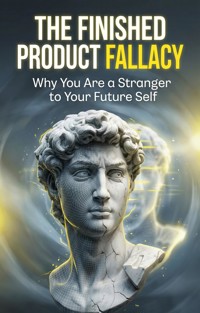
Ask anyone if they have changed significantly in the last ten years, and they will say "yes, absolutely." Ask them if they expect to change significantly in the next ten years, and they will likely shrug and say "probably not much." This is the "End of History Illusion." We walk around with the unshakable conviction that the person we are right now is the finished product—the final, optimized version of our character. This illusion is the root of our worst decisions. We sign thirty-year mortgages, get tattoos, and choose careers based on the preferences of a person who will cease to exist in a decade. "The Finished Product Fallacy" combines behavioral psychology and philosophy to dismantle the myth of the static self. It teaches you how to make decisions for a stranger: your future self. Learn to build flexibility into your life, avoid the trap of over-committing to a rigid identity, and embrace the terrifying but liberating truth that you are not done cooking yet.
Sie lesen das E-Book in den Legimi-Apps auf:
Seitenzahl: 244
Veröffentlichungsjahr: 2026
Das E-Book (TTS) können Sie hören im Abo „Legimi Premium” in Legimi-Apps auf:
Ähnliche

















Table of Contents
Chapter 1: The End of History Illusion
Understanding the End of History Illusion
The Mechanisms Behind Our Misconceptions
Implications for Decision Making
Embracing Change as Inevitable
Strategies to Overcome the Illusion
Chapter 2: Understanding the Finished Product Fallacy
The Nature of Personal Change
The Dangers of the End of History Illusion
The Psychological Mechanisms Behind the Fallacy
Embracing Vulnerability and Uncertainty
Strategies to Navigate the Fallacy
Chapter 3: The Cosmos of Change
Understanding Change
Personal Experiences and Identity Evolution
Societal Influences on Change
Anticipating Future Changes
The Role of Flexibility in Personal Development
Embracing the Future You
Chapter 4: Behavioral Biases in Decision-Making
Understanding Cognitive Biases
The Role of Confirmation Bias
The Impact of Overconfidence Bias
Emotional Decision-Making
Chapter 5: The Future Self—A Stranger in the Mirror
Understanding the Future Self
Cognitive Biases and the Future Self
Building a Connection with Your Future Self
Making Decisions for a Stranger
Embracing Change
Creating a Future Self Action Plan
Chapter 6: Building Flexibility Into Your Life
Understanding Flexibility
Strategies for Cultivating Flexibility
The Role of Self-Awareness
The Importance of Lifelong Learning
Chapter 7: Over-Commitment to Identity
Understanding Identity Commitment
The Consequences of Over-Commitment
Embracing Change and Growth
Making Decisions for Your Future Self
Building a Dynamic Identity
Chapter 8: Embracing Your Evolving Preferences
Understanding the Nature of Change
The Impact of Identity on Decision Making
Learning from Others’ Experiences
Embracing Uncertainty in Preferences
Strategies for Anticipating Future Preferences
Celebrating Your Evolving Preferences
Chapter 9: Learning from Regret
Understanding Regret
The Nature of Regret
Transforming Regret into Insight
Embracing Vulnerability
Avoiding the Regret Trap
Making Future-Driven Decisions
Regret as a Catalyst for Change
Chapter 10: Strategies to Communicate with Your Future Self
Understanding the Disconnect
The Importance of Self-Reflection
Imagine Your Future Self
Making Decisions for a Stranger
Building Flexibility in Your Life
Cultivating a Relationship with Your Future Self
Chapter 11: Visualizing the Future You
Understanding Visualization
Creating Your Future Self Image
Techniques for Effective Visualization
Aligning Present Actions with Future Goals
Chapter 12: The Art of Letting Go
Understanding the Need to Let Go
The Emotional Journey of Letting Go
Practical Steps to Release the Old
Embracing New Identities
The Role of Forgiveness in Letting Go
Celebrating Your Evolution
Chapter 13: Cultivating a Growth-Oriented Mindset
Understanding Growth Mindset
The Role of Challenges in Growth
The Power of Feedback
Cultivating Resilience
Setting Growth-Oriented Goals
Embracing Change and Uncertainty
Chapter 14: Mindfulness and the Present Moment
Understanding Mindfulness
Making Decisions with a Mindful Approach
Appreciating the Journey
Mindfulness Techniques for Daily Life
Chapter 15: Creating a Legacy of Change
Understanding Your Transformative Journey
Crafting a Vision for Your Future Self
Making Decisions for a Stranger: Your Future Self
Inspiring Others Through Your Journey
Leaving a Legacy of Change
Chapter 16: Summary and Reflections
Reflecting on Change
Understanding the Finished Product Fallacy
Strategies for a Flexible Future
Decision Making for Your Future Self
Embracing Your Future: The Path Ahead
Chapter 1: The End of History Illusion
Most people believe they have changed significantly over the past decade. Yet, when asked about their future selves, they often think they will remain largely the same. This phenomenon is known as the End of History Illusion. In this chapter, we'll explore how this confusion shapes our decision-making and why it's crucial to understand that we are not fixed entities, but rather evolving beings.
Understanding the End of History Illusion
The End of History Illusion reflects our tendency to believe that we have reached a stable point in our lives. This section will analyze how this illusion manifests in our everyday thinking and decisions.
People's perceptions of personal change.
Individuals often recognize significant changes in their past selves, attributing these shifts to various life experiences and personal growth. Yet, this self-awareness seems to diminish when contemplating the future. Many people confidently assert that they will remain relatively unchanged a decade from now. This disconnect reveals a fundamental cognitive bias: while we believe our past selves evolved considerably, we discount the potential for future evolution. This perception is crucial; it shapes not only our self-identity but also how we approach life’s major decisions. By failing to anticipate future change, we may restrict our opportunities for growth and adaptability.
This phenomenon can hinder personal development, as individuals may cling to an outdated version of themselves. Embracing the reality that change is inevitable and ongoing can lead to healthier self-perceptions and more informed decision-making. Acknowledging that we will continue to evolve empowers us to make choices aligned with our future selves rather than our present mindset.
The psychological basis of the End of History Illusion.
The End of History Illusion is rooted in several psychological phenomena, including cognitive dissonance and the focus illusion. Cognitive dissonance occurs when our beliefs about ourselves clash with new experiences or information. To resolve this discomfort, we often convince ourselves that our current self is not subject to change. This belief can make us resistant to evidence of our past transformations and hinder our ability to envision future growth.
The focus illusion is another factor at play; it leads individuals to concentrate on immediate concerns and overlook long-term potential. Our current experiences and feelings overshadow our ability to accurately predict future changes in preferences, interests, and values. Understanding these psychological bases allows us to challenge the rigidity of our self-perception and adopt a more flexible approach to identity over time.
Examples of the illusion in action.
The End of History Illusion is evident in various life choices. For instance, people often commit to long-term relationships, jobs, or financial obligations, believing their current preferences will remain static. A common example is signing a long-term lease or mortgage, where individuals lock themselves into commitments based on their present interests, failing to consider how their desires may evolve.
Another striking illustration is career choice; many choose professions based on their current passions without acknowledging that these may shift with new experiences and knowledge. Moreover, this illusion manifests in personal branding, such as social media profiles, where individuals attempt to project a consistent identity. These examples highlight the frequent disconnect between our perceptions of the present and the fluid nature of our future selves.
The impact on life choices and commitments.
The consequences of the End of History Illusion can be profound. Decisions made without recognizing future change can lead to dissatisfaction and regret. For example, committing to a lifelong career based solely on current interests may result in frustration and a desire to pivot later on, which can feel daunting. This misalignment highlights the importance of versatility in our choices.
Additionally, overcommitting to rigid identities, such as "I am a marketing professional," can stifle development and exploration of new passions. Being open to change allows us to navigate our lives more effectively, tailoring our commitments to align with our evolving selves. Ultimately, adopting a mindset that embraces personal evolution can significantly enhance life satisfaction and well-being, paving the way for a more fulfilling future.
The Mechanisms Behind Our Misconceptions
Our brains are wired in ways that mislead us about our future selves. In this section, we will explore cognitive biases that contribute to the End of History Illusion.
The role of cognitive biases in decision making.
Cognitive biases are systematic patterns of deviation from norm or rationality in judgment. They play a crucial role in how we make decisions, often leading us to overestimate our current selves and underestimate how much we will change in the future. One of the most significant affects of cognitive biases is the tendency to view our present perspectives as fixed. This can create a dangerous illusion that we have fully developed our values and preferences, which may mislead us into making long-term commitments based on this flawed self-assessment.
For example, when contemplating a long-term career or relationship, individuals often rely on their immediate feelings and beliefs, ignoring the dynamic nature of human experience. Research shows that by acknowledging these biases, we can start to recognize the fluidity of our identities. This awareness can help us make more informed choices that take into account the possibility of personal growth and transformation over time.
The optimism bias and how it affects our expectations.
The optimism bias is the propensity to believe that we are less likely to experience negative events compared to others. This bias influences how we envision our future selves, leading us to assume that we will be stable and unwavering over time. Individuals often think they won’t face major life changes or obstacles in the future, thus underestimating the volatility of life.
This false sense of security can lead to reckless decisions, such as accruing large debts or making inflexible career choices. When we expect optimal outcomes, we often neglect to prepare for potential setbacks or shifts in our desires and circumstances. By recognizing this bias, we can cultivate a more realistic outlook that allows for flexibility and adaptability in our life planning.
Anchoring and the tendency to fixate on current preferences.
Anchoring bias refers to the cognitive phenomenon where individuals rely too heavily on the first piece of information encountered (the "anchor") when making decisions. In terms of our identities, people often anchor themselves to their current beliefs, experiences, and feelings, believing these will remain unchanged.
This fixation on the present can distort our understanding of who we may become. It might limit our ability to envision future interests and values that are likely to evolve. Instead of recognizing that change is an integral part of personal development, we may inadvertently box ourselves into a narrow view of what we can aspire to be. Challenging this bias encourages a broader perspective that embraces transformation and fosters lifelong learning.
Confirmation bias and its influence on self-perception.
Confirmation bias leads individuals to favor information that confirms their existing beliefs and ignore information that challenges them. This bias can severely limit self-awareness and hinder growth, as it thwarts our ability to objectively evaluate our future selves. Instead of exploring new ideas or experiences, we may unconsciously seek out and prioritize evidence that supports our current identity.
As a result, we often miss crucial opportunities for change and self-improvement. To combat confirmation bias, it is essential to actively seek diverse perspectives and experiences that may not align with our present beliefs. Engaging with alternative viewpoints encourages a more nuanced understanding of ourselves, ultimately fostering adaptability and a willingness to evolve into the best version of our future selves.
Implications for Decision Making
The End of History Illusion significantly influences how we make decisions today. This section discusses the real-life repercussions of considering ourselves as finished products.
Long-term commitments and their risks.
When we view ourselves as static entities, long-term commitments can become perilous. Signing a thirty-year mortgage or committing to a multi-year lease often reflects the notion that we will want the same things ten years down the line. However, this mindset overlooks significant life changes that may alter our needs and desires.
Research indicates that people frequently underestimate their future preferences. What feels right today may feel constraining or irrelevant in the years to come. This risk is compounded in situations like marriage or job contracts, where a naive belief in our unchanging identity can lead us to make decisions that bind us to experiences we may later regret.
It’s vital to build flexibility into our decisions. By embracing the reality that our future selves will be different and may have divergent desires, we can secure our freedom rather than unintentionally restrict it. Approaching long-term commitments with a growth-oriented mindset helps in adapting to the ever-evolving landscape of life.
Career choices based on a static identity.
One of the most significant implications of the End of History Illusion is seen in career decisions. Many individuals choose paths based on the belief that their current interests and skills define their future. This static view can lead to jobs that eventually feel unfulfilling or mismatched, as we grow and evolve in unexpected ways.
Choosing a profession often creates an identity that feels permanent; however, with rapid advancements and shifts in industries, what we love today may not hold true tomorrow. By failing to see our potential for change, we may commit to careers that dictate the terms of our success.
To combat this, it’s crucial to remain open to new experiences and opportunities. Continual learning, exploration, and reassessment of our desires can lead to healthier career trajectories. Embracing the uncertainty of our future selves can fuel career satisfaction rather than stifling it.
Relationships and the belief in a constant personality.
The belief that our personalities are fixed can also be detrimental to our relationships. We often enter partnerships under the assumption that the person we are with now will remain the same over time. This can create a false sense of security, leading us to ignore significant changes that naturally occur within ourselves and our partners.
When we evolve, our relationships need to adapt as well. Acknowledging that both ourselves and our partners are capable of growth can enhance intimacy and understanding. It invites ongoing communication about preferences, values, and desires, allowing relationships to thrive rather than stagnate.
By accepting that identity is fluid, we can approach relationships with more empathy and creativity. This perspective helps us navigate conflicts and fosters deeper connections, ensuring that we support each other’s personal growth instead of clinging to outdated notions of who we should be.
Financial decisions influenced by an illusion of permanence.
The End of History Illusion can significantly skew our financial decision-making. When individuals perceive their financial habits as immutable, it can lead to commitments that are misaligned with their future aspirations. For example, locking into high-interest loans or investing in long-term bonds without considering future shifts can cause distress later.
Believing we are the finished product can make us susceptible to making decisions that reflect present desires rather than anticipated future ones. This misconception leads to financial stress, especially if our circumstances or priorities change unexpectedly.
To mitigate these risks, it's essential to adopt a dynamic approach to personal finance. Regularly reviewing financial goals and being willing to adjust can help ensure that decisions remain relevant as life unfolds. Flexibility and adaptability are crucial, allowing for conscious financial strategies that accommodate the evolution of our identities.
Embracing Change as Inevitable
Recognizing that change is a constant in our lives can help us make better decisions. This section will discuss the importance of embracing our evolving nature.
The power of flexibility in life planning.
Flexibility in life planning is essential for adapting to the inevitable changes that come our way. When we recognize that our values, interests, and circumstances will evolve, we can create plans that allow for adjustment rather than rigid adherence to a static vision. This flexibility empowers us to seize new opportunities as they arise, encouraging us to pivot when necessary rather than becoming trapped in a predetermined path.
Incorporating flexibility into our life plans means setting broad goals instead of defining absolute outcomes. For example, instead of committing to a specific career path, aspiring to develop a versatile skill set can open diverse possibilities. This approach not only reduces anxiety over making irreversible decisions, but also aligns better with our evolving identities, making it more likely that we will find fulfillment in our choices over time.
How to cultivate a mindset open to change.
Cultivating a mindset open to change involves actively challenging our beliefs about stability and permanence. One effective method is to practice mindfulness, which encourages us to stay present and aware of our evolving thoughts and feelings. By recognizing that change is a natural part of life, we can reduce our resistance to it.
Another strategy is to embrace curiosity. When we view change as an opportunity for exploration rather than as a threat, we can shift our perspective. Asking ourselves questions like, "What can I learn from this situation?" or "How can this experience help me grow?" lays the groundwork for adaptability. This mindset fosters resilience, equipping us to face the uncertainties of life with confidence and enthusiasm.
Finding opportunities for personal growth and development.
Personal growth often emerges from our willingness to step out of our comfort zones and embrace new experiences. Recognizing that each change presents an opportunity can be transformative. For instance, engaging in new hobbies, pursuing further education, or traveling can expose us to diverse perspectives and enhance our adaptability.
Seeking feedback from others can also illuminate areas for improvement and growth. Constructive criticism allows us to identify strengths and weaknesses, guiding us towards meaningful development. By actively looking for opportunities to learn and grow, we create a roadmap for our future that is rich in potential and aligned with our evolving selves.
Practicing self-compassion in the face of uncertainty.
Self-compassion is crucial when navigating the unpredictable nature of life. Embracing our imperfections and recognizing that everyone faces uncertainty can foster a more forgiving attitude towards ourselves. Instead of being overly critical about our decisions or the changes we undergo, we can treat ourselves with kindness, understanding that growth often comes through struggle.
Practicing self-compassion allows us to acknowledge our feelings without judgment. This creates a safe space for reflection, making it easier to reassess our goals and aspirations when faced with change. Techniques such as journaling or engaging in positive self-talk can help us develop this compassionate mindset, enabling us to embrace uncertainty as a vital aspect of our journey toward becoming our future selves.
Strategies to Overcome the Illusion
Awareness of the End of History Illusion is the first step to overcoming its influence. In this section, we will explore strategies that you can use to make decisions that account for your future self.
Reflecting on past changes in your life.
One of the most effective strategies to combat the End of History Illusion is to take time for introspection. Reflecting on significant life changes over the past decade can illuminate just how much you have evolved. Think about your beliefs, values, and interests from ten or even just five years ago. What aspects of your life have shifted? How have your priorities changed? By documenting these changes, you can create a clearer picture of your dynamic self.
This process not only reveals the depth of your transformation but also instills a sense of hope for future growth. Acknowledging that you have already changed significantly encourages openness to further evolution. Instead of viewing yourself as a static entity, you start to recognize the capacity for growth and adaptation that lies ahead. This reflection directly empowers your decision-making, reminding you that the choices you make today do not have to be fixed and can evolve with your personal journey.
Engaging in future self-exploration exercises.
Engaging in exercises that allow you to visualize your future self can be an inspiring way to break free from the confines of the End of History Illusion. Consider writing a letter to your future self, detailing your aspirations, hopes, and fears regarding who you want to become. This letter serves as a tangible reminder that your future self is a stranger worthy of attention and consideration.
You can also create a vision board that includes images, quotes, and goals that resonate with your desired future identity. By actively thinking about your future self, you acknowledge that you will change, and that there is a future version of you with different experiences and insights. These exercises not only foster personal growth but also encourage decisions that align with the person you would like to become, rather than the person you believe you currently are.
Setting flexible goals instead of rigid ones.
When it comes to planning and goal-setting, flexibility is key. Rigid goals often tie you to a specific identity, which may not reflect your future self. Instead, adopt a system of flexible goals that can adapt to your evolving preferences and circumstances. For example, instead of setting a goal to achieve a certain job title within a fixed timeline, consider framing your goals around the skills you wish to develop or the experiences you want to gain.
This allows for a more fluid approach to personal development, enabling you to pivot as your interests and aspirations change. Flexible goals create room for exploration, helping you to stay aligned with your evolving identity rather than the static one you fear. As you encounter new opportunities, you can adjust your goals accordingly, ensuring that you are always working toward a future that reflects your true self.
Seeking feedback from others to challenge your perceptions.
Another effective strategy for overcoming the End of History Illusion is to seek feedback from friends, mentors, or peers. Others often have a different perspective on your growth and can help illuminate areas where you might be resistant to seeing change. By asking people you trust about how they perceive your evolution over time, you can gain insights that challenge your self-perception.
Chapter 2: Understanding the Finished Product Fallacy
The idea that we are a 'finished product' is a comforting fallacy. It leads us to make major life decisions under the assumption that our preferences and desires will remain constant. This chapter examines the psychology behind this belief and highlights the dangers associated with perceiving ourselves as static.
The Nature of Personal Change
Understanding why we tend to view ourselves as static entities is crucial. Studies show that people often believe their preferences and personality traits will remain unchanged over time. This section explores the psychological and social factors that contribute to this perception.
1. People underestimate emotional and situational changes.
One of the critical reasons we cling to the notion of a static self is our profound underestimation of how emotional and situational factors influence us over time. Research in psychology indicates that our emotions are not merely fleeting states; they are dynamic forces that can shift based on a variety of contexts. For instance, an individual facing a stressful work environment may prioritize stability and security, while someone experiencing newfound confidence might seek adventure and change.
This variability is compounded by life events such as new relationships, loss, or career changes, all of which can reshape our emotional landscape significantly. Moreover, these shifts often lead to reevaluated priorities and a redefinition of what we truly value. Essentially, while we might project our current preferences into the future, acknowledging the potential for emotional upheaval can prompt us to make decisions that are more adaptable and suitable for an ever-changing self.
2. Life experiences and growth often shift priorities and values.
As we journey through life, our experiences inherently shape and refine our identities, leading to shifts in our priorities and values. Significant moments—whether they are achievements, failures, or personal challenges—contribute to our growth and understanding of our desires. For instance, someone who once prioritized financial success may evolve to value work-life balance after becoming a parent.
This adaptability is essential for successful decision-making as we age. Our past experiences not only provide context for our present choices but also lay the groundwork for reimagining our future selves. By recognizing that our values will inevitably shift, we can embrace a growth-oriented mindset that allows us to make wiser life choices today—choices that remain in dialogue with our evolving self, rather than pinned down by yesterday’s beliefs.
3. Social influences can reshape our identities over time.
Our identities are not formed in isolation; they are constantly co-created through social interactions and cultural contexts. The people we surround ourselves with can significantly affect our self-perception, preferences, and even career choices. For example, joining a community of athletes might inspire someone to adopt a more active lifestyle, transforming their identity from a casual observer to a dedicated participant.
This influence extends beyond close friends and family; the media, peer groups, and societal expectations can all serve to reshape our identities. Our social environment encourages us to adapt, sometimes leading us to adopt beliefs or interests that align more closely with the communities we desire to belong to. By acknowledging the role of social influences, we can better appreciate the fluidity of our identities and prioritize decisions that accommodate future shifts, as we remain open to the growth opportunities these influences present.
4. Cognitive dissonance keeps us attached to past beliefs about ourselves.
Cognitive dissonance refers to the psychological discomfort we experience when our beliefs and actions are in conflict. This phenomenon often keeps us anchored to past beliefs about our identities, preventing us from considering how much we might evolve in the future. For example, if we believe we are 'not a creative person,' we may shy away from artistic endeavors, even if our interests shift.
This internal conflict can impair our decision-making process, as we attempt to reconcile outdated self-perceptions with new opportunities. To overcome cognitive dissonance, we must consciously challenge these fixed beliefs and remind ourselves that change is not only possible but likely. By acknowledging our capacity for growth, we open ourselves to new paths and enable more authentic decisions that reflect not just who we are today, but who we are becoming.
The Dangers of the End of History Illusion
The End of History Illusion suggests that we are currently the final version of ourselves. This belief can lead to poor life decisions. In this section, we look at how this illusion impacts major choices like career paths, relationships, and personal commitments.
1. Overcommitting to a career that may not fit future values.
One of the most significant dangers of the End of History Illusion is the tendency to overcommit to a career path that may not align with our future values. When individuals believe they are the final version of themselves, they often make career choices based on current interests or societal expectations.
This static perception can lead to long-term commitments in jobs that may not be fulfilling or meaningful as they evolve. For example, a student may choose a career in finance because it seems lucrative and prestigious at the moment, ignoring the potential for future passions in fields like social justice or the arts.
By recognizing that change is a natural part of life, students can embrace careers that allow for flexibility and growth. This perspective encourages taking risks and exploring diverse opportunities instead of locking oneself into a box that might feel constricting in a few years.
2. Making irreversible decisions based on current preferences.
The illusion of being a finished product often leads individuals to make irreversible decisions that can have lasting repercussions. For instance, choosing to buy a house or getting a long-lasting tattoo might seem like wise decisions rooted in current preferences.
However, these choices can weigh heavily as personal values shift over time. A young adult may feel that buying a home signifies stability and success without considering that their lifestyle or priorities might change drastically in a decade.
Such irreversible decisions can become sources of regret if they don't reflect the evolving nature of the individual's identity. Therefore, it's crucial to approach major life choices with a mindset that prioritizes adaptability and considers how those choices might be viewed from the perspective of a future self who has morphed through various life experiences.
3. The risk of losing opportunities for growth and change.
The End of History Illusion poses a genuine risk of missing out on opportunities for growth and change. When individuals perceive their current state as the endpoint, they often shy away from experiences that promote personal development.
This mindset can inhibit them from pursuing new interests, friendships, or even career shifts that could expand their horizons. Opportunities come disguised as challenges, requiring individuals to embrace uncertainty and discomfort, which becomes daunting when they cling to a static self-image.
Students should recognize that growth often occurs outside of their comfort zones. By letting go of the notion that they are complete, they open themselves to new experiences that foster learning and transformation. This flexibility can enrich their lives and lead to pathways they never anticipated.
4. How the illusion can influence our financial decisions.
The End of History Illusion also significantly impacts financial decisions, which can have long-term consequences. Many young adults make hasty financial commitments—like student loans or credit card debt—underestimating their future financial needs and goals.
For instance, the belief that student loan payments are manageable for their entire future can lead to straining finances later, especially if career aspirations or personal circumstances shift. Individuals may overlook the fact that their future self might have entirely different monetary priorities.
To navigate this challenge effectively, students must adopt a forward-thinking approach to their finances, incorporating flexibility into their budgeting and investment strategies. By acknowledging the fluid nature of their identities and potential needs, they can make smarter financial decisions that accommodate inevitable changes, ensuring their future self is not burdened by poor choices made in the present.
The Psychological Mechanisms Behind the Fallacy
Cognitive biases play a significant role in how we form our identities. This section breaks down some key psychological concepts that help explain the finished product fallacy, such as the affective forecasting and self-perception theory.
1. Affective forecasting leads us to misjudge our future feelings.
Affective forecasting refers to our ability to predict our future emotional states regarding events and decisions. Unfortunately, research indicates that we often overestimate the intensity and duration of our future feelings. For instance, we might believe that a new job or relationship will bring us unwavering happiness indefinitely. This misjudgment reveals a profound disconnect between our present emotional state and future experiences.




