



Erhalten Sie Zugang zu diesem und mehr als 300000 Büchern ab EUR 5,99 monatlich.
- Herausgeber: epubli
- Kategorie: Geisteswissenschaft
- Sprache: Englisch
Are you constantly exhausted by the emotions of everyone around you? For highly empathetic individuals, the modern world can feel like an emotional minefield. You absorb the stress of your coworkers, the anxiety of your friends, and the collective panic of the daily news cycle. While empathy is often celebrated as a profound virtue, an unchecked ability to feel the pain of others can lead to severe psychological depletion, physical fatigue, and professional burnout. This comprehensive guide provides a tactical framework for sensitive people who want to care deeply without losing themselves in the process. Drawing on the latest research in clinical psychology and neuroscience, this book explores the critical difference between emotional contagion and compassionate boundary-setting. You will discover practical strategies to build an invisible psychological shield, allowing you to remain present and supportive without internalizing the emotional baggage of those around you. Through actionable exercises and real-world case studies, you will learn how to identify your emotional triggers, gracefully decline energy-draining interactions, and replenish your mental reserves. Whether you are a healthcare professional, a dedicated manager, or simply someone who cares too much, this transformative approach will help you reclaim your emotional autonomy. Stop letting the world's weight crush your spirit. By mastering the art of detached compassion, you can transform your empathy from a debilitating vulnerability into your most sustainable and powerful strength.
Sie lesen das E-Book in den Legimi-Apps auf:
Seitenzahl: 231
Veröffentlichungsjahr: 2026
Das E-Book (TTS) können Sie hören im Abo „Legimi Premium” in Legimi-Apps auf:
Ähnliche



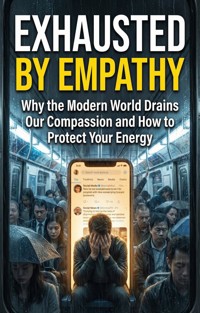
















Table of Contents
Chapter 1: Understanding Empathy and Its Impact
Defining Empathy
The Role of Empathy in Human Interaction
The Dark Side of Empathy
Types of Empathetic Responses
Chapter 2: The Science of Emotional Contagion
Understanding Emotional Contagion
Who Is Most Affected?
The Impact of Emotional Contagion on Mental Health
Strategies to Manage Emotional Contagion
Chapter 3: Setting Boundaries with Empathy
Understanding Boundaries
Practicing Boundary Setting
Enforcing Your Boundaries
Balancing Empathy and Boundaries
Chapter 4: Identifying Your Emotional Triggers
The Importance of Self-Awareness
Common Triggers for Empathetic Individuals
Analyzing Your Emotional Reactions
Strategies to Identify Your Triggers
The Role of Past Experiences
Building a Trigger Management Plan
Chapter 5: Practicing Self-Care for Empaths
Understanding Self-Care as an Empath
Mindfulness Techniques for Empaths
Creative Outlets for Emotional Expression
Building a Supportive Environment
Regular Rituals for Recharging
Chapter 6: The Role of Emotional Intelligence
Understanding Emotional Intelligence
Developing Self-Awareness
Practicing Self-Regulation
Enhancing Social Awareness
Relationship Management Techniques
The Long-Term Benefits of Emotional Intelligence
Chapter 7: Recognizing Signs of Burnout
Understanding Burnout
Physical Signs of Burnout
Emotional Signs of Burnout
Social and Behavioral Signs of Burnout
The Importance of Self-Assessment
Chapter 8: Redirecting Emotional Energy
Understanding Emotional Energy
Channeling Emotions into Action
Setting Healthy Boundaries
The Role of Self-Care in Redirecting Energy
Chapter 9: Cultivating Compassion Without Overwhelm
Understanding Compassion and Overwhelm
Building Emotional Boundaries
Techniques for Self-Care
Practicing Compassionate Detachment
Chapter 10: Communicating Your Needs Effectively
Understanding the Importance of Communication
The Art of Assertiveness
Compassionate Communication Techniques
Setting Boundaries with Clarity
Handling Difficult Conversations
Practicing Self-Reflection and Growth
Chapter 11: Building a Support System
Understanding Support Systems
Identifying Supportive Relationships
Building Your Support Network
Setting Boundaries Within Your Support System
Leveraging Professional Support
Maintaining Balance in Your Support System
Chapter 12: Mindfulness and Grounding Techniques
The Importance of Mindfulness for Empaths
Simple Mindfulness Practices
Grounding Techniques for Instant Relief
Creating a Mindful Environment
Building a Consistent Practice
Mindfulness in Daily Interactions
Chapter 13: Reclaiming Your Emotional Autonomy
Understanding Emotional Autonomy
Establishing Healthy Boundaries
Practicing Self-Reflection
Developing Emotional Resilience
Chapter 14: Navigating Empathy in Professional Settings
Understanding Workplace Emotions
Setting Healthy Boundaries
Leveraging Empathy as a Strength
Techniques for Emotional Self-Care
Chapter 15: Embracing Your Sensitive Self
Understanding Sensitivity as a Strength
The Gift of Empathy
Setting Healthy Boundaries
Mindfulness and Sensitivity
Celebrating Your Unique Qualities
Strategies for Emotional Replenishment
Chapter 16: Moving Forward with Empowered Empathy
Reflecting on Your Journey
Committing to Self-Care Practices
Building Supportive Connections
Continuing Your Education on Emotional Intelligence
Practicing Mindfulness in Daily Life
Embracing Change and Uncertainty
Embracing Your Empathy: A Path to Sustainable Connection
Chapter 1: Understanding Empathy and Its Impact
In this chapter, we will explore the essence of empathy—what it is, how it manifests, and why it can be both a blessing and a burden. By gaining insight into the emotional landscapes we navigate daily, we can better understand our own feelings as well as those of others. You will learn about different types of empathy and how they affect our interactions and well-being.
Defining Empathy
Empathy is often perceived as a straightforward feeling, but its definition is nuanced and multifaceted. In this section, we will clarify what empathy truly means, outlining its qualities and how it distinguishes itself from related concepts such as sympathy and compassion.
Key Point 1: Understanding Empathy's Definition
Empathy is often defined as the ability to understand and share the feelings of another. This fundamental human capacity allows individuals to connect on a profound emotional level. However, it's essential to recognize that empathy goes beyond mere perception; it involves an intention to respond compassionately to others' experiences.
At its core, empathy encompasses not just emotional resonance but also an intellectual grasp of another's emotional state. This duality makes empathy a vital component in fostering connection and understanding in relationships, whether personal or professional. By delving deeper into the nuances of empathy, we can appreciate how it shapes our daily interactions and influences our responses to others in need.
Key Point 2: The Different Types of Empathy: Cognitive, Emotional, and Compassionate
Empathy can be broadly categorized into three distinct types: cognitive, emotional, and compassionate empathy. Cognitive empathy refers to the ability to understand another person's perspective or mental state intellectually. This type of empathy allows individuals to perceive and interpret others' thoughts without necessarily feeling their emotions.
Emotional empathy, on the other hand, involves a visceral emotional experience where one feels what another person is feeling. This can lead to deep emotional connections but may also result in overwhelming feelings if not managed properly. Lastly, compassionate empathy encompasses both cognitive and emotional aspects, driving a person to not only understand and feel but also to take action to help those in distress. Recognizing these types can assist empathetic individuals in navigating their emotional responses more effectively.
Key Point 3: How Empathy Can Enhance Relationships and Connectivity
Empathy serves as a cornerstone for building strong and meaningful relationships. By understanding another's emotions, individuals can foster a sense of trust and intimacy that enhances connectivity. This emotional attunement enables partners, friends, and colleagues to provide support tailored to one another's needs, thereby strengthening their bond.
Furthermore, when individuals exhibit empathy, it often encourages a reciprocal response in others, promoting a culture of understanding and compassion. This positive feedback loop enhances teamwork, collaboration, and even conflict resolution in diverse settings. Ultimately, empathy can transform everyday interactions into rich, fulfilling exchanges that benefit all parties involved.
Key Point 4: Distinction Between Empathy and Sympathy
While empathy and sympathy are often used interchangeably, they represent fundamentally different experiences. Sympathy involves acknowledging another person's feelings but without sharing or deeply understanding those emotions. It often leads to expressions of pity or sorrow but lacks the profound emotional engagement that empathy offers.
This distinction is crucial, especially in professional settings, where the impact of empathetic engagement can enhance communication and support. Empathy invites individuals into a shared emotional space, while sympathy maintains a certain distance. Understanding this difference allows empathetic individuals to approach situations with more awareness, ensuring they provide the right kind of support without becoming overwhelmed themselves.
The Role of Empathy in Human Interaction
This section focuses on the crucial role that empathy plays in daily interactions. The ability to understand others' feelings is vital in personal relationships, workplaces, and community settings, shaping how we connect with one another.
Key Point 1: Empathy as a facilitator of communication
Empathy plays a crucial role in enhancing communication between individuals. It allows us to connect on a deeper emotional level, fostering understanding and compassion. When we actively listen and acknowledge another person's feelings, we create a safe space for open dialogue, reducing misunderstandings and promoting clarity.
This emotional attunement encourages people to express their thoughts and emotions more freely, leading to more meaningful conversations. When both parties feel understood, they are more likely to engage in constructive discussions rather than defensive arguments. Empathy acts as the glue that bonds us, enabling us to share our experiences authentically.
Moreover, empathetic communication can bridge gaps in diverse settings, from friendships to workplace environments. When colleagues and friends practice empathy, they cultivate healthier relationships, making it easier to navigate complex social dynamics. Ultimately, empathy transforms mere exchanges of words into profound connections that enrich our interactions.
Key Point 2: The impact of empathy in conflict resolution
Empathy is a vital tool in conflict resolution, as it allows individuals to see situations from different perspectives. When conflicts arise, it is common for parties to become entrenched in their views. However, by employing empathy, individuals can shift their focus from winning an argument to understanding the underlying emotions and motivations of the other party.
This shift can de-escalate tensions and foster a collaborative atmosphere where solutions can emerge. Empathetic listening encourages individuals to acknowledge each other's grievances, which can lead to compromise and mutual respect. Recognizing the emotional weight behind words promotes healing and paves the way for reconciliation.
Additionally, empathetic conflict resolution cultivates long-lasting relationships as it enhances communication skills and emotional intelligence. By addressing conflicts with compassion, we not only resolve immediate issues but also build the foundation for healthier interactions in the future. This approach ultimately leads to stronger bonds and a more harmonious environment.
Key Point 3: Building trust through empathetic engagement
Trust is a cornerstone of any successful relationship, and empathy is fundamental in fostering that trust. When individuals engage empathetically, they demonstrate genuine concern for one another’s feelings and experiences. This openness encourages vulnerability, allowing for deeper connections based on mutual respect and understanding.
Empathetic engagement requires active listening and validating the other person’s emotions. When individuals feel heard and respected, they are more likely to reciprocate that trust, leading to a virtuous cycle of supportive interactions. Trust built on empathy creates a safe environment where people feel comfortable expressing themselves without fear of judgment.
In professional settings, strong empathetic relationships enhance teamwork and collaboration, resulting in improved outcomes. When team members trust each other, they are more willing to contribute ideas and tackle challenges together, leading to a more cohesive and productive working atmosphere. Ultimately, empathy becomes the bedrock of trust, enriching every relationship it touches.
Key Point 4: Empathy's significance in leadership and management
In leadership and management, empathy stands out as a critical component of effective leadership. Leaders who exhibit empathy are more capable of understanding the needs, motivations, and struggles of their team members. This understanding allows them to create an inclusive environment where employees feel valued and understood.
Empathetic leaders inspire loyalty and engagement, as team members are more likely to invest their efforts in an environment that acknowledges their contributions and well-being. Additionally, empathy helps leaders navigate challenges with compassion, guiding their teams through difficult situations while maintaining morale and trust.
Moreover, empathetic management fosters a culture of open communication, encouraging feedback and collaboration. This creates dynamic teams that are not only productive but also resilient, able to adapt to the changing demands of the workplace. In an ever-evolving landscape, the ability to lead with empathy is what distinguishes successful leaders from the rest.
The Dark Side of Empathy
While empathy is generally viewed positively, it can also have adverse effects when not managed properly. This section examines the potential pitfalls of being highly empathetic, including emotional exhaustion and burnout.
Key point 1: Emotional contagion explained
Emotional contagion is the phenomenon where an individual subconsciously mimics and synchronizes their emotional state with that of another person. This process occurs through non-verbal cues such as facial expressions, tone of voice, and body language. For highly empathetic individuals, emotional contagion can be a double-edged sword. While it fosters deep connections and understanding, it can also lead to emotional exhaustion when one absorbs negative emotions from others.
Neuroscience research indicates that mirror neurons in the brain play a crucial role in this process, allowing us to resonate with the feelings of those around us. Empathetic individuals may find themselves overwhelmed, housing the anxiety of their friends or co-workers, often leading to feelings of unease or distress. Understanding emotional contagion is vital; it empowers empathetic people to recognize when they are absorbing emotions from others, thus paving the way for effective boundary-setting.
Key point 2: Recognizing symptoms of empathy-related stress
Empathy-related stress can manifest in various ways, and recognizing these symptoms is crucial for mental health. Common indicators include physical fatigue, irritability, emotional numbness, and a persistent sense of being overwhelmed. Additionally, highly empathetic individuals might experience anxiety or depression as they carry the emotional weight of others.
Other symptoms can include difficulty concentrating, insomnia, and even physical ailments like headaches or gastrointestinal issues. By identifying these signs early, empathetic individuals can begin to develop strategies for self-care and emotional regulation. Maintaining awareness of one's emotional state enables proactive management of stress, ultimately fostering healthier interpersonal dynamics and a more sustainable approach to empathy.
Key point 3: How unchecked empathy can lead to burnout
Unchecked empathy can quickly progress to burnout, especially for those who continuously prioritize the emotions and needs of others over their own. This relentless emotional investment can lead to a state of compassion fatigue, where individuals feel a diminished capacity to empathize due to chronic exposure to others' distress.
Burnout is often characterized by emotional exhaustion, depersonalization, and a reduced sense of accomplishment. For sensitive individuals, the emotional toll can be particularly debilitating, leading them to withdraw from relationships or activities they once enjoyed. Addressing unchecked empathy requires conscious effort, including setting clear boundaries, engaging in self-care practices, and regularly assessing personal emotional health. By acknowledging and regulating their empathetic responses, individuals can safeguard against the risk of burnout.
Key point 4: Awareness of boundaries in empathetic scenarios
Setting boundaries is essential for maintaining healthy relationships and protecting oneself from emotional exhaustion. In empathetic scenarios, it's important to distinguish between compassion and over-involvement in others' emotional states. Awareness of personal limits allows empathetic individuals to provide support without compromising their own emotional well-being.
Establishing boundaries may involve saying "no" to certain requests for help or recognizing when to step back from emotionally charged conversations. It's crucial to understand that you can be supportive without fully absorbing another’s emotional experience. By creating a psychological buffer, individuals can engage compassionately while preserving their energy, leading to more meaningful and sustainable relationships. This balance is vital for emotional health and resilience.
Types of Empathetic Responses
Not all empathetic responses are created equal. This section categorizes various ways individuals respond empathetically and how these responses can positively or negatively affect mental health.
Key Point 1: The spectrum of empathetic responses
Empathy exists on a continuum ranging from cognitive understanding to emotional resonance. At one end, cognitive empathy allows individuals to comprehend another's feelings without necessarily feeling them; this promotes effective communication and problem-solving. Conversely, emotional empathy invites personal immersion in another's emotions, which can be overwhelming.
This spectrum means that empathetic responses can vary based on context, personal capacity, and situational demands. A manager, for instance, may need to lean more into cognitive empathy during conflict resolution, while a close friend might necessitate deeper emotional engagement. Understanding where you fall on this spectrum can help you navigate interactions more appropriately and maintain your emotional health.
Key Point 2: Compassionate response vs. personal distress
It’s essential to differentiate between compassionate responding and personal distress. Compassion involves an understanding of another’s pain, coupled with a desire to alleviate it without becoming overwhelmed. In contrast, personal distress occurs when one internalizes the emotions of others, leading to an emotional burden that can lead to burnout.
Recognizing this difference is vital for maintaining mental health. Practicing compassionate detachment can allow empathetic individuals to support others while preserving their emotional stability. By focusing on constructive responses to distress without becoming trapped in it, one can foster healthy relationships and manage emotional loads more effectively.
Key Point 3: Importance of self-awareness in empathetic responses
Self-awareness is a cornerstone for managing empathetic responses effectively. By understanding your emotional triggers and recognizing when you start to feel overwhelmed, you can develop strategies to mitigate adverse effects. Self-reflection can reveal patterns in how you respond to others' emotions and help establish boundaries.
This increased awareness allows for a more intentional approach to empathy. Instead of automatically absorbing the emotional state of those around you, you can engage in self-care practices that prioritize your well-being while still being supportive. An attuned sense of self can be a protective mechanism against burnout.
Key Point 4: Cultivating healthy empathetic responses
To foster healthy empathetic responses, intentional practices are essential. Techniques such as mindfulness can help you ground yourself during emotionally charged interactions. Engaging in activities that replenish your energy—like spending time in nature, journaling, or practicing meditation—enables you to offer support without depleting your emotional reserves.
Additionally, setting clear boundaries in your interactions is crucial. This could include being selective about how much emotional energy you share in various relationships or learning to say no to overwhelming responsibilities. By cultivating awareness and practicing these strategies, you can transform your empathy into a sustainable strength rather than a source of fatigue.
Chapter 2: The Science of Emotional Contagion
Have you ever found yourself feeling anxious just by being around someone who is stressed? This chapter dives into the phenomenon of emotional contagion, where feelings can be transferred from one person to another. We will discuss the neuroscience behind this process, shedding light on why sensitive individuals may absorb emotions more readily than others.
Understanding Emotional Contagion
Emotional contagion is the process through which individuals can 'catch' the emotional states of others. This phenomenon occurs subconsciously and can be particularly intense in environments filled with strong feelings. Understanding emotional contagion is vital for empathetic individuals who often find themselves overwhelmed by the emotions of those around them.
Definition of Emotional Contagion
Emotional contagion refers to the phenomenon where individuals unconsciously mimic and adopt the emotional states of those around them. This can occur through a variety of social interactions, whereby feelings like happiness, sadness, anger, or anxiety can be 'caught' from one person to another without any deliberation or awareness. For empathetic individuals, this process is especially pronounced, resulting in an intense emotional experience that can lead to overwhelming feelings.
Understanding emotional contagion is crucial, as it defines how deeply interconnected our emotional well-being is with that of others. While empathy is a cornerstone of human connection, unchecked emotional contagion can lead to emotional fatigue and burnout. By grasping the mechanics of emotional transfer, sensitive people can begin to establish the boundaries necessary to shield themselves from unwanted emotional influences.
How It Works in the Brain
The mechanics of emotional contagion are deeply rooted in our neurological makeup, particularly through the activation of mirror neurons. These specialized brain cells facilitate empathy by allowing us to mirror the emotional states we observe in others. When we witness someone experiencing joy or distress, our brain responds in a similar fashion, leading to a shared emotional experience that can be both enriching and draining.
This mirroring process is automatic and occurs without conscious effort, which is why sensitive individuals may find themselves taking on the emotional burdens of those around them. Recognizing how this neural mechanism operates can empower empathetic people to mitigate its effects, creating strategies that help them remain emotionally balanced while still being supportive to others.
Environmental Triggers
Certain environments can amplify the effects of emotional contagion, particularly those characterized by high stress or tension. Workplaces where deadlines loom and interactions are charged with anxiety serve as prime examples, as is the case in crowded public spaces where collective anxiety rises during crises. In these settings, the energy of others can easily infiltrate an individual’s emotional sphere.
Being astutely aware of environmental triggers is essential for sensitive individuals. Recognizing when they are entering emotionally charged spaces allows them to prepare strategies for maintaining their emotional well-being, such as practicing grounding techniques or consciously establishing personal boundaries before engaging with others.
Role of Nonverbal Cues
Nonverbal communication plays a pivotal role in the process of emotional contagion. The way people express emotions through facial expressions, body language, and tone of voice can have a profound impact on those around them. For example, a furrowed brow or crossed arms can elicit feelings of anxiety or defensiveness, while a warm smile can create a sense of belonging and ease.
Empathetic individuals must be attuned to these cues in order to navigate social situations effectively. By consciously interpreting nonverbal signals, they can better manage their emotional responses and choose to engage or disengage thoughtfully, ultimately allowing them to maintain their energetic balance while still being present for others.
Who Is Most Affected?
Some individuals are more susceptible to emotional contagion, particularly those with high levels of empathy. This section discusses the characteristics and scenarios that make certain individuals more inclined to absorb others' emotions.
Empathetic Individuals
Highly empathetic individuals possess a unique ability to tune into the emotions of others, often making them unwitting conduits for emotional contagion. This heightened sensitivity can be a double-edged sword; while it enhances interpersonal connections, it also exposes these individuals to an overwhelming array of feelings. When around someone who is anxious or upset, they may instantly feel that emotional weight, which can lead to significant stress and fatigue.
Research indicates that empathetic persons often mirror emotions with their physiological and psychological responses. The activation of mirror neurons in the brain plays a crucial role in this process, allowing empathetic individuals to resonate with the emotional states of others. Consequently, without proper boundaries, their own emotional health can deteriorate, leading to an exhausting cycle of emotional absorption. Understanding this vulnerability is vital for those who identify as empathetic, enabling them to adopt healthier emotional boundaries.
Introverts vs. Extroverts
The impact of emotional contagion can differ significantly between introverts and extroverts. Introverts, who tend to reflect more deeply on their experiences and emotions, may find themselves more affected by the feelings of others. Because they often process emotions internally, exposure to external emotional currents can become overwhelming. This introspective nature may heighten their sensitivity to stressors in their environment.
Extroverts, on the other hand, usually thrive in social settings and are adept at navigating emotional exchanges. This ability can sometimes buffer them against emotional contagion, as they may not internalize feelings as intensely. However, they are not immune to the effects; they can still experience emotional fatigue, particularly if they encounter consistently negative energy. Recognizing these differences can help individuals harness strategies tailored to their personality types, enhancing emotional resilience.
People in Caregiving Professions
Individuals working in caregiving professions, such as healthcare providers, therapists, and educators, often face a greater risk of experiencing emotional contagion. Their roles require consistent emotional labor, where they empathize with clients and patients undergoing stress and trauma. The nature of these interactions means they regularly absorb the emotional states of others, which can lead to compassion fatigue or burnout if not managed properly.
Moreover, the responsibility for the well-being of others can create an additional layer of emotional burden. Caregivers who do not implement self-care or boundary-setting strategies are particularly susceptible to emotional contagion's draining effects. Institutions should foster environments that support mental health and resilience training for these professionals, emphasizing the importance of maintaining emotional boundaries to enhance overall job satisfaction and personal well-being.
Impact of Emotional History
Individuals with unresolved emotional issues or trauma may be particularly vulnerable to absorbing the emotions of others. Their emotional history can render them more sensitive to external emotional stimuli, leading to an increased likelihood of emotional contagion. When exposed to someone else's distress, they may unconsciously relive their own experiences, amplifying their emotional response.
This phenomenon often results in greater stress and fatigue, entrenching a cycle of emotional depletion. It is essential for these individuals to engage in self-reflection and therapeutic support to process their emotional histories. By addressing past traumas and learning to establish healthier emotional boundaries, they can foster resilience and lessen the impact of others' emotions on their well-being.
The Impact of Emotional Contagion on Mental Health
The effects of emotional contagion can be profound, especially for individuals with high sensitivity. This section explores how absorbing others' emotions can affect mental and physical health, leading to burnout and other issues.
Signs of Emotional Exhaustion
Emotional exhaustion is a prevalent consequence of prolonged exposure to others' distress. Some of the most common signs include chronic fatigue, irritability, and a persistent sense of being overwhelmed. Individuals may find themselves mentally drained after social interactions or feel an inability to cope with everyday demands.
Physical symptoms often accompany emotional fatigue, such as headaches, sleep disturbances, and gastrointestinal issues. Those affected might sense that their patience is thinner than usual, leading to increased conflict in personal and professional relationships. Recognizing these signs early is crucial, as it allows for prompt interventions to prevent further deterioration of mental health. Building awareness around emotional states and their triggers can foster resilience and a balanced emotional life.
The Cycle of Stress
Repeated exposure to negative emotions creates a cycle of stress that can be incredibly challenging to break. Sensitive individuals may find themselves caught in a loop where they absorb the anxiety and negativity from those around them. This cycle often perpetuates feelings of helplessness, as it becomes increasingly difficult to escape the emotional environment.
As stress accumulates, it can contribute to various mental and physical health issues, including heightened anxiety, decreased immune function, and an overall sense of dissatisfaction in life. Breaking this cycle requires proactive strategies, such as setting boundaries and engaging in self-care practices. Understanding one's emotional threshold is vital to mitigating the impact of emotional contagion and reclaiming emotional wellbeing.
Impact on Relationships
Emotional contagion can significantly strain relationships, primarily when one partner or friend is highly sensitive to the moods and feelings of others. Those who absorb negative emotions may withdraw from social interactions or react defensively, which can lead to misunderstandings and conflict.
This withdrawal often exacerbates feelings of isolation and can create a rift in meaningful connections. Relationships thrive on mutual support, and when one party is overwhelmed, it can lead to frustration or resentment. To maintain healthy interactions, it’s essential to practice open communication and establish boundaries around emotional exchange, allowing for emotional safety and stronger relationships.
Long-term Consequences
Continuous exposure to emotional contagion can lead to severe long-term consequences, including anxiety disorders and depression. Over time, the inability to manage overwhelming feelings can erode one's sense of joy and satisfaction in life, leading to a decline in overall wellbeing.
Moreover, chronic stress from emotional absorption may hinder personal growth and fulfillment, as sensitive individuals struggle to prioritize their mental health. Implementing sustainable coping mechanisms, prioritizing self-care, and seeking professional support when needed are critical to mitigating these long-term effects. Ultimately, taking active steps can preserve mental health and enhance life satisfaction.
Strategies to Manage Emotional Contagion
It is crucial for those highly affected by emotional contagion to develop strategies for managing the impact of others' emotions. This section outlines various techniques to help maintain emotional boundaries and reduce the effects of emotional contagion.
Recognizing Triggers
Understanding and recognizing your emotional triggers is the first step in managing the impact of emotional contagion. Triggers can be specific situations, environments, or even certain individuals whose emotional states profoundly affect your own. For example, a tense workplace meeting or discussions with a particularly anxious friend can elevate your stress levels. By identifying these triggers, you can better prepare yourself and deploy strategies to shield your emotional well-being.
To effectively recognize your triggers, maintain a journal to note when you feel overwhelmed or anxious. Document the context—who was involved, what was said, and your emotional responses. Over time, patterns will emerge, providing insight into what to avoid or prepare for in the future. This proactive approach can empower you to manage your reactions and safeguard your emotional health when faced with such situations.
Setting Emotional Boundaries
Setting clear emotional boundaries is vital for anyone susceptible to emotional contagion. Boundaries help define where your emotions end and those of others begin, preventing you from absorbing feelings that do not belong to you. Communicate your limits assertively yet compassionately to those around you. For instance, you might state, “I care about what you’re going through, but I need some time to recharge after our conversation.”
In addition, practice saying no when energy-draining interactions arise. It is not only your right but also a form of self-care. Remember, setting boundaries does not mean you are disrespecting others; instead, it is an essential strategy for maintaining your emotional resilience while still being supportive in healthy ways.
Grounding Techniques




