


Erhalten Sie Zugang zu diesem und mehr als 300000 Büchern ab EUR 5,99 monatlich.
- Herausgeber: Crown House Publishing
- Kategorie: Fachliteratur
- Sprache: Englisch
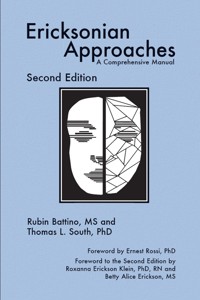
This outstanding manual on Ericksonian hypnotherapy has been thoroughly revised and updated. There are two new chapters - one on Metaphor Therapy and Guided Metaphor and the other on Ernest Rossi`s work on the psychobiology of gene expression. The latter chapter also contains a section on the brain and hypnosis. Thomas South has extended his chapter on utilization with another section on pain control and the chapter on ethics and the law has also been signigicantly updated. Finally there is a new foreword by Roxanna Erickson Klein and Betty Alice Erickson. `This work is the stately tree, supporting individuality, cooperation and diversity. It is filled with common sense and uncommon sense, with atmosphere and sunhsine, with metaphors for more individual growth, with practice exercises for the present and with thoughts for the future. It gives us all lessons in becoming better therapists, better people,.a and better members of our world.` Roxanna Erickson Klein and Betty Alice Erickson - from the new foreword.
Sie lesen das E-Book in den Legimi-Apps auf:
Seitenzahl: 1053
Veröffentlichungsjahr: 2005
Das E-Book (TTS) können Sie hören im Abo „Legimi Premium” in Legimi-Apps auf:
Ähnliche

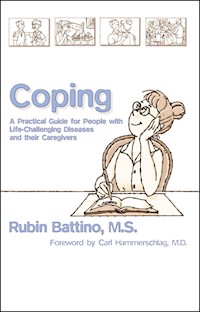














Ericksonian Approaches
A Comprehensive Manual
Second Edition
Rubin Battino, MS Wright State University
and
Thomas L. South, PhD Twin Valley Psychiatric System Dayton Campus
Chapters by:
James Auld, BDS, Dip Soc Sc, MScLeon S. Segal, MASandra Sylvester, PhD
Dedications
This work is dedicated to my loving daughters, Marie and Melissa, of whom I am so proud, as a continued inspiration to their learning. I also dedicate this work to my loving wife, Barbara, for her continued support and understanding.
Tom
My contributions are dedicated to my friends and mentors: Howard H. Fink and Joseph E. Emanuel, and to my wife Charlotte.
Rubin
Table of Contents
Title Page
Dedication
Preface
Preface to the Second Edition
Foreword
Foreword to the Second Edition
Contributors
Chapter 1 History of Hypnosis: Thomas L. South
A. Introduction
B. Franz Anton Mesmer (1734–1815)
C. John Elliotson (1791–1868)
D. James Esdaille (1808–1859)
E. James Braid (1795–1860)
F. Milton H. Erickson (1901–1980)
Exercises
Chapter 2 Myths and Misconceptions: Thomas L. South, PhD
A. Introduction
B. Hypnotic Susceptibility
C. “Power” of the Hypnotist
D. Fear of Not Awakening
E. Antisocial Behavior
Exercises
Chapter 3 Traditional vs. Nontraditional Inductions: Thomas L. South, PhD
A. Traditional Inductions
B. Nontraditional Inductions
C. Rationale of Models
D. Hypnosis Defined
E. Common Everyday Trance
F. Indications of Trance
Exercises
Chapter 4 Rapport-Building Skills: Rubin Battino, MS
A. Introduction
B. Rogerian Approaches
C. Gathering Information
D. Representational Systems
Representational System Exercise
E. Pacing and Leading
Pacing and Leading Exercises
F. Eye Accessing Cues
G. Anchoring
Anchoring Exercises
H. The Utilization Approach
Utilization Exercise
Chapter 5 Language Forms: Rubin Battino, MS
A. Introduction to Language Forms
B. The NLP Meta Model
C. Introduction to Hypnotic Language Forms
D. Delivery
E. Word Usage
F. Negation
G. Ambiguity
H. Binds
I. Stories
J. Torpedo Therapy (NLP)
K. Summary
Chapter 6 Hypnotherapy Without Trance: Rubin Battino, MS
A. Introduction
B. The Theory of Change
C. Reframing
D. Paradoxical Interventions
E. Solution-Oriented Therapy and Hypnotherapy
F. Summary
Chapter 7 Basic Inductions: Thomas L. South, PhD
A. Introduction
B. Traditional Inductions
C. Nontraditional Inductions
Exercises
Chapter 8 Advanced Inductions: Thomas L. South, PhD
A. Introduction
B. Sensory Altering Inductions
C. Levitation Inductions
D. Cataleptic Inductions
E. Pantomime Techniques
F. Confusion Techniques
G. Utilizing Resistance Techniques
H. Spontaneous Inductions
I. Summary
Exercises
Chapter 9 Utilization of Hypnotic Phenomena: Rubin Battino, MS, and Thomas L. South, PhD
A. Introduction
B. Age Regression
C. Age Progression or Pseudo-Orientation in Time
D. Time Distortion
E. Amnesia
F. Analgesia and Anesthesia
G. Dissociation
H. Hallucinations
I. Posthypnotic Behavior
J. Ideodynamic Responses
K. Hypnagogic and Hypnopompic States
L. Summary
Exercises
Chapter 10 Utilization of Ideodynamic Response: Rubin Battino, MS
A. Introduction
B. Ideomotor Responses
C. Other Ideodynamic Methods
D. Summarizing Ideodynamic Methods
Exercises
Chapter 11 Basic Metaphor: Rubin Battino, MS
A. Introduction
B. Basic Metaphors
C. Some Sample Metaphors
D. Summary
Exercises
Chapter 12 Advanced Metaphor: Rubin Battino, MS
A. Introduction to Multiple Embedded Metaphor
B. Two Transcripts of Multiple Embedded Metaphors
C. Erickson and Joe the Florist
D. Commentary
Exercises
Chapter 13 Metaphor Therapy and Guided Metaphor: Rubin Battino, MS
A. Introduction
B. Kopp’s Metaphor Therapy
C. Battino’s Guided Metaphor
Exercises
Chapter 14 The Arts as Hypnotherapeutic Metaphors: Rubin Battino, MS
A. Introduction
B. Eight-Step Model for Clients with “Psychological” Problems
C. Eight-Step Model for Clients with Physical Health Problems
D. General Comments About the Eight-Step Process
Exercises
Chapter 15 Utilization of Hypnosis: Thomas L. South, PhD
A. Introduction
B. Common Habits
C. Medical Conditions
D. Pain Management
E. Emergency and Traumatic Situations
F. Surgery
G. Phantom-Limb Pain
H. Respirator Phobia
I. Impotency
J. Ejaculatio Praecox
K. Menstrual Function
L. Summary
Exercises
Chapter 16 Ericksonian Approaches in Medicine: Sandra M. Sylvester, PhD
A. Introduction
B. The Use of Clinical Hypnosis in Medicine
C. Applying Hypnosis to Medical Problems
D. Conclusion
Chapter 17 Ericksonian Approaches in Dentistry: James M. Auld, BDS, Dip Soc Sc, MSc
A. Background
B. Anxiety Control and Stress Management
C. Pain Management
D. Muscle Control
E. Gagging
F. Bleeding
G. Amnesia
H. Sensory Modification
I. Salivation
J. Oral Habits
K. Summary
Exercises
Chapter 18 Hypnotherapy with Special Populations: Rubin Battino, MS
A. Introduction
B. Family, Couples, and Children
C. Other Populations
D. Summary
Exercises
Chapter 19 Ericksonian Techniques in Substance Abuse: Leon S. Segal, MA
A. Introduction
B. Ericksonian Techniques as Applied to Drug Addiction
Chapter 20 Hypnotherapy with People who have Life-Challenging Diseases: Rubin Battino, MS
A. Introduction
B. Self-Image
C. The Role of Guided Imagery
D. Unfinished Business
E. Bonding
F. Fusion
G. Secondary Gain
H. The Search for Meaning
I. Preparing People for Surgery
J. Conclusions
Exercises
Chapter 21 Ethical and Legal Considerations: Rubin Battino, MS
A. Introduction
B. The Milton H. Erickson Foundation
C. Society for Clinical and Experimental Hypnosis (SCEH)
E. The American Society of Clinical Hypnosis (ASCH)
F. The American Psychological Association (APA)
G. Hypnosis and the Law
H. Guidelines for the Ethical Practice of Hypnosis and Hypnotherapy
I. The “Dark” Side of Hypnosis
Exercises
Chapter 22 The Contributions of Ernest L. Rossi, PhD: The Psychobiology of Gene Expression and Mind–Body Therapy: Rubin Battino, MS
A. Introduction
B. Hypnosis and the Brain
C. Ultradian Rhythms
D. Mind–Body Therapy: Ideodynamic Healing in Hypnosis
E. The Psychobiology of Mind–Body Healing
F. The Symptom Path to Enlightenment
G. Dreams, Consciousness, Spirit
H. The Psychobiology of Gene Expression
I. Summary
Chapter 23 Trance and Beyond: Rubin Battino, MS, andThomas L. South, PhD
A. Language
B. The Centrality of Reframing
C. Pause Power
D. Expectation Power
E. Some Last Words
Bibliography
Index
About the Author
Copyright
Preface
TLS is the founder of the Milton H. Erickson Society of Dayton, Ohio. After RB immersed himself in the work of Milton H. Erickson, he found out about the Society and joined it. We have each served as president of the Society for considerable periods and continue to be active. Our shared interests and our friendship resulted in our teaching a year-long training course in Ericksonian methods. This book is the outcome of that collaboration.
We were motivated to write the book because we have yet to come across materials that can be reasonably used for courses or for training. This is the case even though the literature on Ericksonian methods is extensive and expanding. The books in the field are wonderful resources, but do not seem to lend themselves to a systematic training program. This book is, of course, no substitute for reading Erickson’s collected papers, the books he has written in collaboration with others, the monograph series on his work, or listening to and viewing his many presentations. But we hope it will prove to be useful as a text or a training manual. To that end, we have incorporated many exercises throughout the book. If you will examine the Table of Contents, you will note that we develop the subject in a systematic way. However, many of the chapters can stand alone if you are interested in a particular area. Our individual interests have had an effect on the content.
We were pleased to be joined in this endeavor by three experts in their respective fields who wrote specialty chapters for us. S. Sylvester has written on medical applications, J. Auld on dental applications, and L.S. Segal on substance abuse.
We would like to acknowledge the influence of the following people on our work: Milton H. Erickson, E.L. Rossi, J.K. Zeig, W.H. O’Hanlon, R. Pearson, K.F. Thompson, M.D. Yapko, S.G. Gilligan, S.R. and C.H. Lankton, D.B. Cheek, S. Rosen, H. Lustig, H.H. Fink, J.E. Emanuel, S. de Shazer, R. Bandler, and J. Grinder, among many others. This book could not have been produced without the assistance of the Word Processing Center of the Wright State University School of Medicine (Carol Enigk, director) and we owe an especial thanks to their staff. We also thank Michael Hall for assistance with the graphics and Alice McKinney and Charlotte Battino for advice on the layout of the book.
RB served as the overall coordinator and editor.
Thomas L. South, PhD Dayton
Rubin Battino, MS Yellow Springs
November, 1997
Preface to the Second Edition
The original edition of this book was written by the two of us in 1994 with three specialty chapters by invited authors. After having that manuscript rejected about fifteen times by publishers, we decided to self-publish the book under the name of The Neurypnology Press. That edition sold very well. One of the buyers had a connection with Crown House Publishing Ltd in the UK and put us in touch with them. Crown House almost immediately offered us a contract, and our affiliation with them continues to be both cordial and mutually profitable. When our editor at Crown House suggested that we come out with a second edition, we agreed. In the ten years that have transpired since we wrote the original book there has been significant progress in research in hypnosis and hypnotherapy. Ericksonians continue to write books and papers, and the International Erickson Congresses are a source of new ideas and stimulation.
We adhere to our original concept of this book as a “Comprehensive Manual” on Ericksonian methods. That is, we consider this book to be a text for the kinds of training that most of the over one hundred institutes affiliated with the Milton H. Erickson Foundation carry out. We have been pleased to discover that many of those institutes use our book, and we are also pleased with this opportunity to bring it up to date. Having written that, we must also note that most of the basic training material in this book (like hypnotic language forms and basic inductions) have undergone little change. The sequence of topics is one that has apparently worked out well. Of course, new material has been introduced and referenced. The exercises throughout the book have been enhanced and refreshed.
The collaboration via contributed chapters by three experts in their respective fields has enhanced the book. J. Auld has revised his chapter. S. Sylvester has written on medical applications. Our dear friend, Leon S. Segal, died in August 2003. Segal’s chapter has been left intact.
Ernest L. Rossi’s contributions to the theory and practice of hypnosis have been considerable. A separate new chapter is devoted to presenting his contributions. Some modern research on brain function and hypnosis is included in this chapter.
TLS has added a new section, “Emergency and Traumatic Situations”, to Chapter 15, “Utilization of Hypnosis”, and revised and edited his other chapters.
RB has extended his chapters on metaphoric work and guided imagery based on his two books in those areas, and on new materials by other authors. We would also like to acknowledge the help that Professor Alan W. Scheflin has given us with respect to the materials in the chapter on ethics and the law.
We are pleased by the evolution of this book, and hope that you will be, too. We are always open to comments and suggestions.
RB continues to serve as the overall coordinator and editor of this book.
Thomas L. South, PhD Huber Heights, Ohio
Rubin Battino, MS Yellow Springs, Ohio
January, 2005
Foreword
The developing maturity of a new school of professional psychotherapy is signaled by the appearance of “Comprehensive Manuals” that attempt to integrate the best inspirations of the pioneers with the growing body of fundamentals that are needed to teach another generation. This comprehensive manual by Thomas South, Rubin Battino, and their colleagues takes on this task with honesty and integrity. So broad has the scope of Milton H. Erickson’s psychotherapy become in recent years that it is more and more difficult to discern Erickson’s original voice. So many of his highly creative and individualistic students have carried Erickson’s work in new unpredictable directions that there is now a real danger of losing the original threads of his genius.
This state of affairs would surely bring an impish smile to Milton Erickson’s face. It is, after all, a true reflection of Erickson’s view of at least one aspect of his own mission: to help others to find their own genius by teaching them in terms of the natural ways and metaphors of their own minds. This is one of the secret strengths of Erickson’s original contributions that this comprehensive manual seeks to impart to the students and professionals. In one way or another it will be found to be a harmonic theme that connects the systematic presentation of the broad areas of Erickson’s work with case studies, transcripts of inductions for different types of clients, and practical training exercises that can facilitate the student’s learning step by step.
But is all this really necessary, one might ask? Wasn’t Milton Erickson an intuitive genius who could use his “creative unconscious” to simply free-associate incantations and hypnotic spells that would be just what the patient needed? You know, deep unconscious communication from the mind of one person to the other? Sort of healing without cognition? The symptoms somehow go away and nobody knows the reason why, not even the therapist. In spite of such folklore that has been spun about Erickson’s work, this oversimplified appeal to the intuitive is certainly not correct. In his early years, Erickson worked very systematically to develop his understanding of the nature of hypnosis—what he called the “psycho-neuro-physiological” foundations of healing. How can mere words, stories, meanings, and ideas facilitate healing?
Erickson described to me the lengthy process he went through in training himself with his first patients. He would first have a rather long initial interview with the prospective patient, wherein he insisted on gathering all the information he felt he needed for a comprehensive case history. At the end of this initial interview he would tell the patient something like the following: “Well, I am going to have to study all your material very carefully for a while so I can develop some understanding on how to help you the best. So, why don’t you give me a few weeks, and when I’m ready I will give you a call to arrange your next appointment time.” Good grief, I thought at the time, how did Milton manage to earn a living with such a seemingly casual attitude?
But his attitude was anything but casual! Milton then described to me how he would actually study the patient’s material very carefully for days and sometimes weeks. He would then write out longhand with pencil on paper about forty pages of “suggestions” that would cover all aspects of the patient’s problems. He said he would then “boil those forty pages down to twenty and study them some more”. He would sleep on those twenty pages for a few days and then “boil them down to ten”! Erickson would stare at me with a laser-like intensity as he told me all this to make sure he had my full attention. Here was a man who did not suffer fools gladly.
“And then,” he would slowly and softly intone when he was sure he had my full wide-eyed attention, “I would boil those ten pages down to five and have my secretary carefully type them up.” Erickson would then call up the patient and say, “Well, I have something for you”—and he would arrange for the second appointment. When the patient arrived, the five-page manuscript would be in full sight on Erickson’s desk. Sometimes, with studied casualness, Erickson would nod his head toward the manuscript and ask if the patient would mind if Erickson simply read it to him word for word. After all, Erickson had spent a lot of time on it and he wanted to get it just right.
Of course, the patient agreed. Of course, the patient soon went into a “therapeutic trance” as she or he listened with deep expectation to Erickson reading the most meaningfully constructed sentences, paragraphs and pages that utilized the patient’s own unique language, attitudes, and worldview. Of course, the patient was deeply impressed with the importance of what was being received. Of course, the patient was touched and often overwhelmed with the poignancy of the situation. Perhaps for the first time someone of significance was giving such full and profound attention to the patient’s personal problems. In this situation, of course, most patients would feel heartened and find unexpected sources of strength within themselves so that they would experience a new beginning and profoundly new possibilities for their lives. Of course, you, the reader of this carefully written volume, will likewise be impressed with the need to study it deeply so you can carry on the work in the only way Milton Erickson would want: your own way!
Ernest L. Rossi, PhD
Foreword to the Second Edition
We have enjoyed a long friendship with Rubin Battino, punctuated by our admiration for his academic dedication and for his vast array of talents. In the mid-1980s there was a huge dichotomy between available resources and interest in Erickson’s work. The innumerable training programs lacked an overall continuity and there was no comprehensive manual or overview. Battino and Thomas South responded to the need by conceiving of a “master teaching tool” that brought together the diversity of ideas being taught at the time.
Originally, Battino began putting out word at various congresses, inviting trainers to contribute to the cooperative goal of creating an effective training resource. Battino’s love of teaching and skills at pulling information together, along with South’s extensive clinical experience, made them the perfect fit for the enormous task of bringing together diverse ideas and styles in a meaningful sequence.
Surprisingly, this effort was not encouraged by colleagues, experts, other Ericksonian trainers—not even by us. We viewed the overwhelming task of defining the diverse art of Ericksonian approaches into a comprehensive teaching manual to be unrealistic. We couldn’t imagine how it could be done without the inevitable biases and errors so often present in endeavors almost too complex for capture.
Battino and South persevered in their efforts and coaxed cooperation and interest from a wide assortment of Ericksonian protégés. Despite doubt and criticism, they listened attentively and learned from feedback. Over time initial disregard was replaced by admiration; Battino and South earned the respect of their colleagues.
The first edition, in 1999, of Ericksonian Approaches was sound and robust. It was a seedling that seemed to pop almost unexpectedly from an acorn on the forest floor. With quiet dignity, it began to grow, gracefully and steadily reaching out. We, as well as others, realized that our assumption that such a work could not be well done was wrong. We had erred in hasty supposition. We watched with delight as the little seedling grew into a solid oak, a strong and sheltering resource that has proven itself time and again. This book contains Battino’s and South’s insights. They are virtuosos, skillful observers talented at clarifying and distilling information from a broad spectrum of sources. Orderly, disciplined, and imaginative, the authors present a wealth of creative ideas that inject excitement and pleasure to the most elementary of exercises.
The Milton H. Erickson Institute of Dallas, where we are both members of the board, has adopted the First Edition as its primary teaching tool. The Manual is a guide and a coach; the direction simultaneously inward and upward. Deborah Beckman MS and Will Handy MSSW of the Dallas Institute are on the “front line” of teaching and have commented on their experiences with this book:
Erickson’s legacy is complex and nuanced. We needed a training program that would cover that. Battino and South’s EricksonianApproaches gave it to us.
This resource provided volumes of materials, illustrative articles and case reports. Conceptual and factual material, with examples illustrating those points are within this text. Questions about subject matter, references, gaps in our own knowledge—all these were resolved by Battino and South. Often, they even inspired further exploration by their comprehensive citing and references.
When students ask, “What books should we read?” our response has become almost automatic. “Start with Battino and South’s text.” The book is basic enough for the beginners and sophisticated enough for the experienced. And, it’s gracefully written. At first glance, it’s a little imposing—a big, thick textbook on a complex subject. Yet its graceful style is very readable; it is sometimes funny and it is always encouraging. They wrote the book so that people can learn from it, and enjoy the process.
We are eager to implement this Second Edition.
The Second Edition has been refined in style as well as content. A new chapter looks at the psychobiology of gene expression, work by Ernest Rossi that was merely budding at the time of the First Edition. The hypothesis that a combination of novelty, enriching life experiences, and physical exercise can trigger neurogenesis and genetic switching is at the forefront of examination and discovery within science today. Rossi posits that Erickson knew that and used these underpinnings in his hypnotic work.
South added a section, “Emergency and Trauma Situations”, to provide information and examples for health professionals whose therapeutic suggestions may dramatically impact healing. This is an underappreciated area where substantial educational efforts are still much needed. It is refreshing to see this bridge. Battino expanded and revised chapters on metaphors, long recognized as a root of Erickson’s techniques and interventions.
Ericksonian Approaches goes far beyond a mere resource for techniques and exercises. The expertise of the practitioner is inseparable from benefits derived from therapy. The polished professorial style draws the reader in, instructs attentively, and encourages progression. The book reaches readers on even another level. The canopy of knowledge not only touches on what readers know, it also invites examination of what they think they know. Even seasoned practitioners will find elements with which they are only sparsely familiar and become intrigued with their own abilities to extend and grow.
Erickson loved the infinite variation of plants from the smallest cacti that struggled to thrive in the harshest of conditions to the tall trees that spread their leafy branches. For years he sent people to the Desert Botanical Gardens so they, too, could see the enormous complexity and the sweet simplicity of plants.
Trees send roots deep into the earth to find needed nourishment and that food and water travels to their branches and leaves where birds feed and rest. Shade is provided and even casual passers-by can stop, be refreshed, and look around to see more. Sun and shadow contribute to the branching out and the providing of a protected place for the newest of sprouts, the smallest of acorns to root and join the diversity.
This work is the stately tree, supporting individuality, cooperation, and diversity. It is filled with common sense and uncommon sense, with atmosphere and sunshine, with metaphors for more individual growth, with practice exercises for the present, and with thoughts for the future. It gives us all lessons in becoming better therapists, better people, and better members of our world.
Roxanna Erickson Klein, PhD, RN Betty Alice Erickson, MSDallas, TX
Contributors
James Auld, BDS, Dip Soc Sc, MSc Dentist, with a practice in Inverell, New South Wales, Australia. He studied with Kay Thompson. Invited faculty at International Milton H. Erickson congresses. Senior Clinical Associate, Faculty of Dentistry, University of Sydney; Course Consultant and Lecturer; Diploma in Hypnosis, University of Southern Queensland; President ASH (1999–2001). He uses hypnosis extensively in his practice.
Rubin Battino, MS Private practice in Yellow Springs, Ohio. Teaches courses periodically for the Department of Human Resources at Wright State University, where he holds the rank of adjunct professor. Over six years of experience as a facilitator in a Bernie Siegel-style support group for people who have life-threatening diseases and those who support them. President of the Milton H. Erickson Society of Dayton. Co-chair of an ad hoc committee to establish certification standards for training in Ericksonian hypnotherapy for the societies and institutes affiliated to the Milton H. Erickson Foundation. Developed and teaches courses in Ericksonian hypnotherapy at Wright State University with T.L. South. Professor emeritus of chemistry. Author of That’s Right, Isn’t It? A play about the life of Milton H.Erickson, MD.
Leon S. Segal, MA Worked extensively with substance abuse in the Dayton, Ohio, area. Past president of the Milton H. Erickson Society of Dayton.
Thomas L. South, PhD PhD in clinical psychology from the Union Institute. Has conducted workshops for the Associate Trainers in Clinical Hypnosis. Developed and taught courses in Ericksonian approaches at the University of Dayton and with Rubin Battino at Wright State University. Invited faculty at the Third International Congress on Ericksonian Approaches to Hypnosis and Psychotherapy. Author of a chapter entitled “Hypnosis in Childbirth: A Case Study in Anesthesia”. Founder and first president of the Milton H. Erickson Society of Dayton. Presently, a staff psychologist at the Twin Valley Psychiatric System—Dayton Forensic Unit. Private practice for many years.
Sandra Sylvester, PhD Trained with Milton H. Erickson, MD. Many years of private practice. Many years of working in hospital settings as a staff hypnotherapist. Faculty at International Erickson congresses and at the Gestalt Therapy Institute of Cleveland.
Chapter 1
History of Hypnosis
Thomas L. South, PhD
A. Introduction
Hypnosis is as old as the human race. The phenomenon known as hypnosis has existed since the beginning of recorded history, as found in the folklore of ancient cultures. In ancient times, as well as in the “primitive” tribes of today, it has been and continues to be associated with religious ceremonies, magic, the supernatural, and the occult. The ancient Egyptians and Greeks had dream centers (Udolf, 1981) where people came to fast and pray with the hope that their dreams could be interpreted so as to solve their problems and give them guidance. Under these circumstances their dreams were probably hypnotically induced. Even today, Hindu medicine men practice their ageless forms and variations of hypnosis for healing purposes. Magicians in the time of Genghis Khan (Erickson and Rossi, 1980c, p. 3) practiced group suggestion to obtain visual and auditory hallucinations. According to Marco Polo, medieval men used hypnosis in mystic rites to produce fear and to intensify beliefs in the supernatural and the occult. With this long history of supernaturalism and mysticism, it is no wonder that the general public’s attitude toward hypnosis, as well as that of many professionals, has been and still is one of misunderstanding, antagonism, and fear.
Gauld’s history of hypnosis (1992) from Mesmer to about the time of the First World War is an impressive scholarly work. There is a final summary chapter covering contributions through the 1980s. M.A. Gravitz has written many articles about the history of hypnosis; two of them are 1987, and 1987–8. The Wall Street Journal (7 October 2003), under a heading of “Altered States: Hypnosis Goes Mainstream”, indicates that major hospitals are now using hypnosis for fractures, cancer, burns, pain relief, gastrointestinal disorders, childbirth, treatment of hemophilia, and treatment of phobias. Many hospitals now have staff hypnotists. This is encouraging.
B. Franz Anton Mesmer (1734–1815)
The scientific study of hypnosis began with Franz Anton Mesmer (1734–1815). Pattie (1994) has written a well-researched biography of Mesmer that makes fascinating reading. The term “Mesmerism” is still in current usage. Mesmer was a Viennese physician who used his mesmeric techniques in the treatment of psychiatric patients. His practice of suggestion therapy consisted of what he called “the natural qualities of animal magnetism”. He attributed his beneficial therapeutic results to the transferring of this quality of animal magnetism to his patients. Since Mesmer was greatly influenced by Newton’s discovery of the gravitational attraction of the heavenly bodies toward each other, he generalized Newton’s ideas to explain how certain diseases were due to an imbalance of hormones in the body due to the influence of gravity. In 1779, Mesmer (1980) defined animal magnetism as a “force which is the cause of universal gravitation and which is, very probably, the foundation of all corporal properties, a force which actually strains, relaxes and agitates the cohesion, elasticity, irritability, magnetics, and electricity in the smallest fluid and solid particles of our machine”. To illustrate how such subtle forces affect the human body, he gave the following two examples: “(1) when the nervous system is exposed to emanating light, changes take place in the mind and body; (2) a stream of air affects the nerves in the ear and is capable of disturbing the entire animal body.” He postulated that the same forces which caused the expansion of the ocean and the atmosphere, created a tide in the human body in such a way that it agitated the blood vessels that carried blood to the brain and caused sickness. He used the increase in the number of epileptic seizures during a full moon as an example of this phenomenon. Since he believed that magnetism and electricity had similar properties that disturbed the fluid in the body in such a manner to cause disharmony of the nervous system, he placed magnets on various parts of the body, and claimed to have restored menstrual periods, decreased hemorrhoids, cured hypochondriasis, blindness, convulsions, hysterical irregularities, and spasmodic paralysis of the legs.
Mesmer later came to the conclusion that all people have magnetic properties such as himself in greater or lesser amounts that affected the bodies of others, e.g. hair can stand up on end, electrical sparks fly from the body. Thus, a human body sick from weakened fluids can be rejuvenated by the magnetism from another. He also believed that magnetism could be transferred to such materials as paper, glass, water, metals, or any chosen object, as well as to others. Thus, a human body that was sick from imbalanced or weakened fluids could be rejuvenated by the transfer of magnetism.
The documented case of Miss Paradis (Mesmer, 1980) was considered as one of his most significant cures utilizing animal magnetism. Miss Paradis was born with normal vision but had developed hysterical blindness at an early age. Prior treatment consisted of blistering, leeches, cauterization, purgatives, and diuretics for years, but with continued failure. She had intense pain from spasms in the eyes, and also suffered states of delirium. The spasms were described as causing the eyes to bulge so much that only the whites could be seen. The medieval medical society considered her condition as incurable.
Mesmer visited her home for three days and placed her in a trance by stroking her eyes and arms. He also moved a stick reflected in a mirror across her eyes. The patient watched the movement of the stick in the mirror. On the fourth day, she relaxed and her eyes resumed natural positioning, with one eye smaller than the other. The eyes became the same with continued treatment. After she reported continued headaches and eye aches with trembling in her limbs, he began treatment in a darkened room. In her home as she gradually adjusted to the sensation of light, she learned to distinguish colors. He had her gradually learn to use the motor muscles of her eyes by having her slowly search for objects, fixing sight on them and giving their positions. He then reinforced her visual memory by having her touch the objects. He also trained her to observe the movements of objects. She eventually learned to endure daylight. When her parents were informed of their daughter’s favorable progress, they demanded that she be returned home since a substantial royal pension would be forfeited upon the daughter’s recovery! When she could not name colors to her father’s satisfaction and refused to return home, her father struck her and denounced Mesmer as a quack. Her blindness returned, and she continued to receive her pension; Mesmer was publicly declared a charlatan. Miss Paradis was an excellent pianist and her concert career continued for many years.
The media promoted Mesmer as a fraud and illusionist. Physicians who had attempted his animal magnetism technique and failed reported their experiences. They reported his cures as imaginary and his theory as an illusion. This caused Mesmer to stop using magnets and electricity due to the futility of attempting to influence medical committees.
Mesmer believed that he was ostracized and accused of eccentricity because he did not follow the traditional path of medicine, and that the community construed this as a crime. However, he believed that he had advanced the knowledge of medicine and had made discoveries in healing. Mesmer believed that most physicians had superstitious confidence in their traditional treatment of patients and this made them “despotic and presumptuous”. He believed that physicians were “sheltered in traditional medicine” and were afraid to go outside of that tradition to help their patients. Thus, they failed to admit or explain how patients became cured without the help of medicine.
Mesmer was well before his time. Although he successfully treated with animal magnetism large numbers of patients on whom traditional procedures had failed, he had no realization of the psychological nature of his therapy. Unfortunately, his personality and the mystical character of his therapy served to bring him unjustly into disrepute. A royal committee (Erickson and Rossi, 1980c, pp. 3–4; also see Franklin, 1837) that included Benjamin Franklin, John Guillotine, and Antoine Lavoisier was sent to investigate Mesmer. They observed that patients sent out to touch “magnetized” trees became healed. However, they also noticed that patients were cured even though they touched the wrong trees! Consequently, they came to the conclusion that Mesmer was a charlatan, and there was no realization of the psychological truths of this type of therapy. Despite the unfortunate reputation Mesmer received, many physicians who had visited his clinic during the height of its success were impressed with this form of psychotherapy.
The failure of contemporary societies to discover anything of medical or scientific worth in Mesmer’s theories and claims did not deter the public or physicians in other countries from practicing animal magnetism. Mesmeric societies (Mesmer, 1980) were organized in other countries than France, Germany, and Austria. Although official condemnation of Mesmerism had spread throughout Europe during the 1820s, there was always one respected physician who revived Mesmerism due to the remarkable results obtained by its usage.
C. John Elliotson (1791–1868)
The next great figure in hypnosis was an English physician. John Elliotson (1791–1868) was assistant physician at St. Thomas Hospital and professor of medicine at University College in London, as well as a prolific writer. He had aroused much antagonism (Elliotson, 1977) because of his “liberal” and “radical” attitudes toward the practice of medicine. He was the first British physician to approve of Laennec’s stethoscope, and used it in his medical practice. Although he was considered a radical, he was also recognized as an eminent physician. Elliotson became interested in Mesmerism about 1817. When he lectured on the effective uses of Mesmerism even the more traditional members of the medical society listened to him. He employed it extensively on his patients and left excellent records of its therapeutic effectiveness in selected cases, especially for pain control and surgical operations. Unfortunately, with the advent of chemical anesthetics it was no longer considered needed as a medical anesthetic. (See Gravitz, 1988, for a history of the early uses of hypnosis for surgical anesthesia—its use in America was surprisingly extensive, and the first documented case was in 1829.)
The following two cases were selected from his writings (Elliotson, 1977) to demonstrate how mesmerism was practiced and its remarkable effects during surgery and recovery during this era.
Case 1: Successful Amputation of the Thigh
The patient had suffered for five years from neglected disease of the left knee. The slightest movement of the joint caused him excruciating agony.
First Day: The Mesmeric state consisted of 5½ hours of trance. During this time, he appeared awake and spoke without feeling pain.
Second Day: Within 20 minutes he was placed in a deep trance with the same results.
Third Day: The patient complained of great agony and was mesmerized for 15 minutes before surgery began. The mesmerist commenced the induction by making passes over the diseased knee. In five minutes he was mesmerized. Within ten minutes he was in a deep sleep. In order to test the depth of trance, his arms and then the diseased leg were violently pinched without the patient exhibiting any sensations. The mesmerist then placed two fingers on the patient’s eyelids and kept them there during surgery to deepen “sleep”. The surgeon slowly plunged his knife into the center of the outside of the thigh, directly to the bone, and then made a clear incision around the bone, to the opposite point on the inside of the thigh. The stillness at this moment was something awful, the calm respiration of the sleeping man alone was heard, for all other seemed suspended. In making the second incision, the position of the leg was found more inconvenient than it appeared to be;—having made the anterior flap—[there was] the necessity of completing the posterior one in three stages.—the patient’s sleep continued as profound as ever. The placid look of his countenance never changed for an instant; his whole frame rested, uncontrolled, in perfect stillness and repose; not a muscle was seen to twitch. To the end of the operation, including the sawing of the bone, securing the arteries, and applying the bandages, occupying a period of upwards of twenty minutes, he lay like a statue. Thirty minutes after, he awakened from the mesmeric coma gradually and calmly. He appeared dazed and then replied, “I bless the Lord to find it’s all over!” Later that night, he was re-mesmerized within two minutes and had a comfortable night’s sleep.
Recovery. Two days later, he was placed in a mesmeric coma for dressing the wound without the patient’s knowledge. The pain returned when he fully realized that the leg had been removed. In four minutes, he was re-mesmerized and the pain subsided. He was mesmerized daily for the following ten days with a marked improvement in his health, e.g. cheerful, stronger, slept well, and had a recovered appetite. Within three weeks, his health completely returned and he was discharged as perfectly well.
Case 2: Tooth Extraction The dentist “after having satisfied himself of this [mesmeric coma] by pricking him repeatedly—proceeded to extract the last lower left molar tooth. As it was broken, the dentist was obliged to cut away the gum from it, and the patient gave no sign of sensation. The dentist introduced the instrument into the mouth—the instrument with which he had first attempted to extract the tooth; and pushed back the head of the young man—fixed the instrument, extracted the tooth; which was barred, and therefore more calculated to give pain. The patient rinsed his mouth and was awakened. The moment he awoke, he entreated the dentist not to allow his tooth to be taken out, because he no longer had any pain; but, finding the blood in his mouth, he applied his hand to it, and discovered that the tooth had been extracted.”
D. James Esdaille (1808–1859)
James Esdaille (1808–1859) was directly influenced by Elliotson’s writings and became an advocate of mesmerism. He held a medical appointment in India from 1845–1851. He was successful in having the British government build a hospital in Calcutta. This gave him the freedom to experiment with mesmerizing since the way Indians were treated did not raise concern as it did with patients in London. In this six year period, he utilized hypnotic anesthesia in thousands of minor surgeries, and kept a diary that reported that only mesmerism was used on over 300 major surgical operations. After his return to Scotland, he continued his research and his correspondence with Elliotson (Esdaille, 1846).
By 1846, nitrous oxide and ether had successfully been used in surgery and were the anesthetics of choice by the medical society. Thus, Esdaille and Elliotson became rebels without a cause.
In inducing the mesmeric coma for surgical operations, Esdaille strongly suggested that a trial trance under an hour was insufficient time, and preferred two hours. He also warned that a “perfect success” often followed frequent failures, but that insensitivity to pain was sometimes produced in minutes. His inductions for surgery often consisted of having the patient lie down in a quiet, darkened room and prepare for sleep. He suggested that the patient be told that it was a trial instead of a surgical operation in order not to arouse fear in the patient. Esdaille then would bring his face close to the patient’s and extend his hands over the stomach, and then bringing his hands up in a clawed fashion shutting the patient’s eyes; then longitudinally from the head to the stomach. This process was repeated for fifteen minutes while breathing on the head and eyes all the time. He then tested his work by gently lifting the arms and placing them into a cataleptic position. If catalepsy existed, the patient was called by name and pricked. If there was no response, the operation proceeded. If the patient would awaken during the first incision, the trance was easily reproduced by continuing the mesmeric process. He believed that the patient only experienced a nightmare, since there was no recognition of the operation after awakening.
Since his beliefs regarding how animal magnetism affected the body were similar to Mesmer’s, he induced trance by magnetizing objects and used them for trance inductions. For example, he would mesmerize water and induce trance by having patients drink the mesmerized water.
Most trances were easily terminated by sharply blowing in the eyes and sprinkling cold water in the face. To de-mesmerize a cataleptic limb, he followed the same procedure with the addition of gently rubbing the limb. He believed that this revived the “nervous currents” to the skin and the sense organs—thereby, rousing the brain to its normal functioning.
The following cases have been selected from the diary (Esdaille, 1846) that he wrote while in India. They present the extraordinary results that he obtained from his documented use of mesmerism.
Case 1: Terminating Hiccoughs with Mesmerized Water
The patient was convalescent from cholera and plagued with continual hiccoughs—eight convulsions in a minute. He was mesmerized in fifteen minutes and continued to hiccough for thirty minutes. Esdaille reported that “he was raised to his feet, and a bandage soaked in cold water [was] wound around his chest, without awakening him, and he was allowed to sleep half an hour longer: still no change for the better. I now prepared some mesmerized water, and awoke him; he no sooner drank it than he fell asleep again, and the hiccough immediately stopped, and never returned. He slept for three hours after drinking the water.” Esdaille commented that this was not the general effect of drinking mesmerized water and that this only occurred in individuals already under the mesmeric influence.
Case 2: Surgical Removal of an Enlarged Growing Tumor The patient had suffered two years from a growing tumor in the antrum maxillae. The tumor had pushed up the orbit of the eye, filled up the nose, passed into the throat, and caused an enlargement of the glands in the neck. The patient had complained that he hardly slept for the past five months. The mesmeric coma sufficient for surgery was produced in forty-five minutes. Since Esdaille reported that this was one of the most severe and protracted operations in surgery, his detailed account of this operation is presented: “I put a long knife in at the corner of his mouth, and brought the point out over the cheekbone, dividing the parts between; from this, I pushed it through the skin at the corner of the eye, and dissected the cheek back to the nose. The pressure of the tumor had caused the absorption of the anterior wall of the antrum, and on pressing my fingers between it and the bones, it burst, and a shocking gush of blood, and brain-like matter, followed. The tumor extended as far as my fingers could reach under the orbit and cheekbone, and passed into the gullet—having destroyed the bones and partition of the nose. No one touched the man, and I turned his head into any position that I desired, without resistance, and there it remained till I wished to move it again: when the blood accumulated, I bent his head forward, and it ran from his mouth as if from a leaden spout. The man never moved, nor showed any signs of life, except an occasioned indistinct moan; but when I threw back his head, and passed my fingers into his throat to detach the mass in that direction, the stream of blood was directed into his wind-pipe, and some instinctive effort became necessary for existence; he therefore coughed, and leaned forward, to get rid of the blood, and I supposed that he then awoke. The operation was by this time finished, and he was laid on the floor to have his face sewed up, and while this was doing, he for the first time opened his eyes.
(Next Day). This is even a more wonderful affair than I supposed yesterday. The man declares by the most emphatic pantomime, that he felt no pain while in the chair, and that when he awoke, I was engaged in sewing up his face, on the floor;—so that the coughing and forward movement to get rid of the blood, were involuntary, instinctive efforts, to prevent suffocation.
(Following Day). The dressings were undone today, and the whole extent of the wounds in the face has united completely by the first intention. He is out of all danger, and can speak plainly: he declares most positively, that he knew nothing that had been done to him till he awoke on the floor, and found me sewing up his cheek;—and I presume he knows best. Here is a translation of his own statement in Bengalee: “For two years I labored under this disease, and scarcely slept for five months. On the 19th of May, I came to the Imambarah Hospital, and three or four persons tried to make me sleep, but all in vain. On the 3rd of June, Dr. Esdaille having kindly undertaken my cure, with a great deal of labor, made me sleep, and took something out of my left cheek, which at that time I did not perceive. After the operation, I did not sleep for two nights, but after the third day, I have slept as usual.”
Tables I and II summarize his use of mesmerism during his last eight months in India as recorded in Mesmerism in India, and itsPractical Application in Surgery and Medicine. It should also be noted that there were no reported deaths among these cases.
E. James Braid (1795–1860)
James Braid (1795–1860) initiated the first attempt at a psychological explanation of mesmeric phenomena. He was an English surgeon and a prolific writer. He was also highly regarded by the British Medical Association. After his first opportunity of conducting a medical examination on a mesmerized subject in 1841, he became intensely interested in mesmeric trances. He began his own experiments in private and with selected trusted colleagues. It was due to his research that hypnosis was placed on a scientific basis and accepted as a clinical technique by the British medical profession. Thus, Braid is considered as the “father” of hypnosis.
In the course of his investigations (Braid, 1843), he discovered that eye fixation created a state of exhaustion, i.e. the eyelids became exhausted and could not be opened by the subject. He considered this as the key to mesmerism. After further experimentation, he created a theory of eye attention. He had subjects gaze at a variety of objects at different positions, including his own eyes and candle flames, and was successful in inducing trance. Braid did not believe that trance induction or cures of nervous complaints depended on the physical and psychological condition of the subject, or of any special agency, such as passes of the operator, magnetic fluid or medium. He did not want to be known as a modifier of the infamous animal magnetism. Since he did want credit as the discoverer of a new cure for nervous disorders substantiated by medical research, he adopted new terms to prevent association with magnetism.
He initially called his discovery neurypnology—a word derived from Greek meaning nervous sleep. He later coined the word neuro-hypnotism derived from Hypno, the Greek god of sleep. A short time later, he suppressed the prefix for brevity. His discovery was then referred to as hypnotism or hypnosis. Since it was regarded as a medical technique, it was to only be used by professional men, preferably physicians.
Hypnotism was defined as a peculiar condition of the nervous system induced by fixed and abstracted attention of the mental and visual eyes of a subject, and concentration on a single idea without an exciting nature. It was used to cure functional disorders that were intractable or incurable by ordinary remedies. Most cases gave no evidence of physical pathology and were presumed to depend on some peculiar condition of the nervous system.
He generally induced trance by holding any bright object in his left hand at approximately eight to fifteen inches from the eyes above the forehead as to produce the greatest possible strain upon the eyes and eyelids. Subjects were instructed to maintain a steady fixed stare at the object, and the mind riveted on an idea of the object. When the pupils dilated, he would then slowly move the right hand with fingers slightly parted toward the eyes until they automatically closed. The arms were then raised. If the arms remained in a cataleptic position, the subject was assumed to be in a trance. Suggestions were then made to the subject to effect change in the patient’s condition. Trance was terminated by either blowing in the patient’s face, rubbing the arms, clapping the hands, or slapping the limbs. Sometimes, a combination of those actions was necessary to rouse a subject. These techniques have survived time and are still taught and used by “traditional” hypnotists.
From his clinical applications and experimental research, Braid made many discoveries regarding hypnosis. He observed that trance behavior was stimulated by monotonous impressions upon the senses or soothing influences, such as weak vibrations, staring at a calm scene, listening to waves or a waterfall, humming of insects, low howling of winds, voice of a dull reader, rocking of a cradle, slow and regular motion of the limbs. These impressions produced tranquility, drowsiness and sleep in most people. He also discovered that hearing was about twelve times more acute than when awake. He reported that the tick of a watch that could not be heard three feet away when awake, could be heard 35 feet away, and subjects could walk in a direct line to the watch. Smell was also exalted. One patient could trace the smell of a rose for 46 feet. Tactile sensations were also enhanced. The slightest touch often called into action corresponding muscles that were not ordinarily even felt. Heat and cold could be noticed from 20 inches. Subjects would move away or toward stimuli according to their comfort level. In a deep trance, subjects could not hear the loudest sounds nor smell the most fragrant or pungent odors, nor feel hot or cold, nor respond to touch. Thus, subjects could be pricked, pinched or cut without causing the slightest symptom of pain or sensibility, and limbs remained rigidly fixed. Subjects were not conscious of surrounding objects or severe bodily infliction. Subjects who grasped objects held them more firmly as opposed to the sleeping state, where objects normally dropped out of the hand. He utilized hypnotic amnesia and hypnotic dreaming to resolve problems.
Braid believed that the more a person was hypnotized, the easier it was to induce trance in the subject. He also believed that a person could not be hypnotized against their will, and could not be induced to perform acts that they would not ordinarily do while awake. Braid performed experiments demonstrating that subjects would not steal, and if they did during the trance, they immediately showed remorse and returned the items.
In a treatise to the medical profession, Braid presented the following nine conclusions as important scientific tenets of hypnosis:
The effect of continued fixation of the eyes alters the nervous system in such a manner that a person can display a variety of phenomena different from ordinary sleep or while awake.Initially, there is heightened excitement of the senses, except sight, and a great increase in muscular strength.Shortly after induction, nervous energy can be directed or concentrated as necessary to effect desired changes.The heart rate and circulation can be excited or depressed to a surprising degree.Muscular energy can be controlled and regulated in a remarkable manner.Capillary circulation, as well as secretions and excretions of the body can be changed as evidenced by chemical tests.Hypnotic suggestion can cure a variety of diseases that are intractable or incurable by ordinary medical means.Hypnosis can moderately or entirely prevent a person from feeling pain during and after a surgical operation.During hypnotism, an operator can excite certain mental and bodily manifestations according to the parts touched by manipulating the cranium and face. (Hypnotic phrenology.)Of the 25 cases recorded in Neurypnology, these have been selected to demonstrate his clinical hypnotic work:
Case 1: Abrogation of Severe Headaches and Severe Skin Disorder Simultaneously The patient was a 54 year old woman whose headaches for sixteen years had been so severe as to cause pain in her eyes and weakness of sight, i.e. she could no longer read for longer than five minutes with the aid of glasses. The palm of her hands were so hard, dry and irritable that she could not open her hands fully. Three years before consulting Mr. Braid, she had a paralytic attack which had affected the right side of her face for days.
After the first session, she could read the newspaper without her glasses and could read a miniature bible with her glasses. After the second session two days later, the pain in her chest, head and eyes dissipated. The harsh and arid skin of her palms soon became as soft as a chamois leather.
Case 2: Mobility Restored to a Woman with Paralyzed Legs The patient was a 33 year old woman who rapidly lost the use of her legs after delivery of a seven month pregnancy. She had lost feeling and voluntary motion of her legs and feet. The knees were rigidly flexed, the heels drawn up, the toes flexed, the feet incurvated, and fixed in the position of a club foot. She had not menstruated since her confinement. Her speech had become imperfect and her memory had become impaired. After five minutes of trance she could stand and walk across the room with assistance. After the second trance that evening, she could walk around the room with the soles of her feet on the floor with assistance. After daily trances for a week, she could walk through the house with little assistance. Within two months, she could walk several miles to town unaided.
Case 3: Abolished Pain in Spinal Cord This patient was a 45 year old male who had injured his spine and had limited mobility of his upper extremities for four years. He was unable to dress himself for five years and could not lift his left arm. The right arm was also afflicted but to a lesser degree. The patient was so satisfied with the alleviation of pain after the first session that he returned for daily treatment. After two months of hypnotic treatment, he was able to return to work.
The other cases documented by Mr. Braid include successful trance work with numerous cases of stroke victims, paralysis, chronic rheumatoid patients, as well as the restoration of sight, hearing, smell and tactile sensations. However, Mr. Braid also recorded unsuccessful cases and strongly emphasized that hypnosis was not a universal remedy, but an extremely curative instrument in helping those who could benefit from it.
Since Braid, there have been many outstanding practitioners of hypnosis, but it was still ridiculed by medical societies, and at best it was considered as a placebo or for temporary relief of symptoms by the majority of physicians. However, it was the observed and published work of Milton H. Erickson, M. D. (1901–1980) that made hypnosis a respectable approach worthy of study in medical schools, as well as being considered a clinical tool by the American Medical Association.
F. Milton H. Erickson (1901–1980)
Erickson has been considered to be the most creative and innovative hypnotherapist and psychotherapist throughout the world. He was to the practice of psychotherapy as Freud was to the theory of human behavior. Erickson (Rossi, Ryan and Sharp, 1983) experienced the world in his own unique manner due to several constitutional problems: color-blindness, tone deafness and dyslexia. To his early problems were added two attacks of polio at the ages of 17 and 51. His efforts to rehabilitate himself led to a personal rediscovery of many classical hypnotic phenomena and how they could be utilized therapeutically. His successful rejuvenation of the entire field of hypnosis may be attributed to his development of the nonauthoritarian and indirect approach to suggestion, wherein subjects learn how to experience hypnotic phenomena and how to utilize their own potentials to solve problems in their own way. His experimental and therapeutic experiences with the hypnotic modality spanned more than 50 years. During his lifetime, he gave seminars and workshops in various parts of the world, and under a variety of circumstances, including non-English-speaking countries.
Erickson was raised in a farm community in Wisconsin and graduated from the local high school. After graduating from the University of Wisconsin in 1928 with an MA degree in psychology and an MD degree, he completed a general internship at the Colorado General Hospital and then served a psychiatric internship at the Colorado Psychopathic Hospital. He received an appointment at the State Hospital for Mental Diseases in Howard, Rhode Island, where he completed his thesis for his Master’s Degree. It explored the relationships among such factors as intelligence, marriage, abandonment, and crime. His findings were published in various medical, social, and legal journals in a series of seven papers between 1929 and 1931. His first published hypnotic research occurred while employed at the Worcester State Hospital as the Chief Psychiatrist. This paper (Erickson 1932) dealt with the “Possible Detrimental Effects from Experimental Hypnosis”.
His next appointment was at the Wayne County Hospital in Eloise, Michigan, as the Director of Psychiatric Research. He later became the Director of Psychiatric Research and Training. This provided him with the opportunity to conduct major experimental research studies on the nature and reality of hypnotic phenomena. These ranged in scope from controlled laboratory experiments on hypnotic deafness and color-blindness to the investigation of hypnotically induced disorders significant in clinical work, as well as severe psychiatric syndromes. In the following 30 years, he published hundreds of papers and co-authored several books on the therapeutic use of hypnosis and hypnosis-related strategies.
Due to his reputation, he became an associate editor for Diseases ofthe Nervous System (1940 and 1955). He was a consultant to the US government in its cultural studies during the Second World War. Margaret Mead and Erickson investigated the Japanese character structure and the effects of Nazi propaganda. He served as the staff psychiatrist on the local induction board. He was consultant to the US Olympic Rifle Team and other Olympic teams. Erickson was published in the Reader’s Digest, Life magazine and This WeekNews magazine, and he was a consultant to the EncyclopaediaBritannica on hypnosis. He was also a guest on radio shows and made addresses to the Boy Scouts, the CIO, and high school graduation classes. He and other colleagues founded the American Society of Clinical Hypnosis in 1957, and he became its first president. Erickson also served as the first editor of the society’s journal from 1958 to 1968. The first volume included corresponding editors from Chile, Japan, and Uruguay. Thus, his publications became international.
In 1948, he accepted the position of Clinical Director at the Arizona State Hospital in Phoenix, Arizona. A year later, he retired from the hospital. He gave numerous lectures to other professionals, including psychologists, psychiatrists, and dentists, as well as entering into private practice. For several years before his death, his health permitted him only to teach part-time at his home.
Erickson received many honors throughout his lengthy career for his outstanding contributions. The two that he especially appreciated were the Benjamin Franklin Gold Medal by the International Society of Hypnosis in 1977, and a special issue of The AmericanJournal of Clinical Hypnosis




